Artwork
Scene in a Palace of Justice
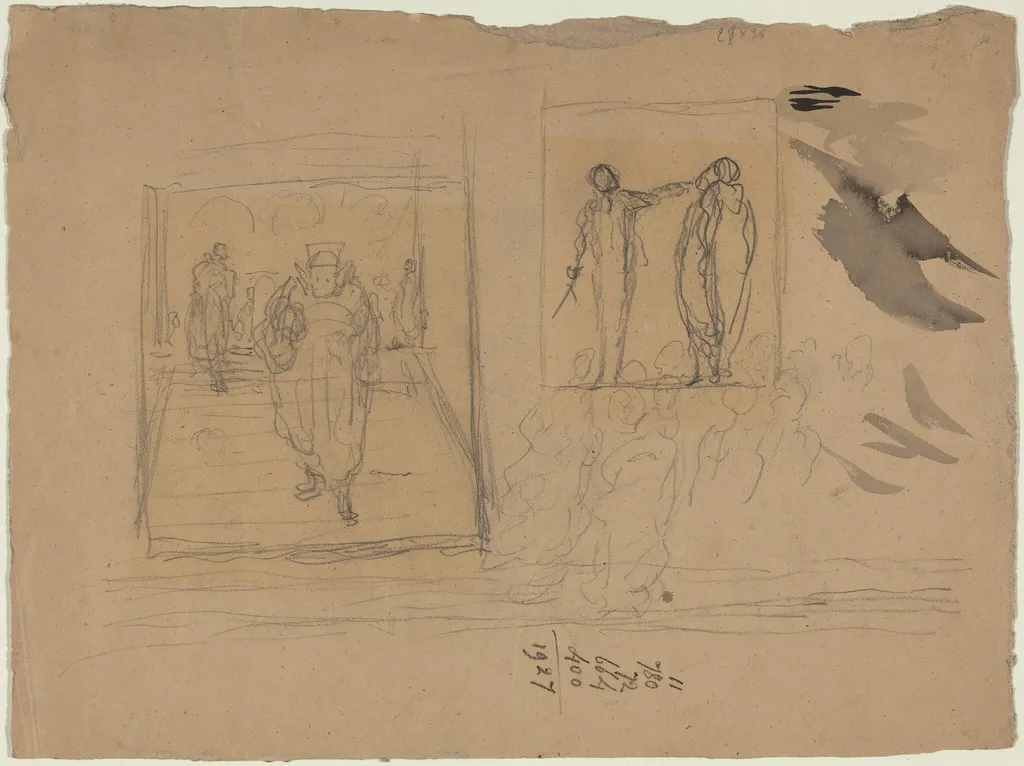
Scene in a Palace of Justice is a chalk drawing by the Romanticist artist Honoré Daumier. It dates from 1844 and is held in the collection of the National Gallery of Art.
About this work
Overview
Honoré Daumier’s drawing *Scene in a Palace of Justice* (1844) is executed in black chalk with wash on brown paper. The work consists of two adjacent framed vignettes that capture a moment of judicial activity, rendered with rapid, sketchy lines and occasional dark washes that model form and suggest movement.
Subject & Meaning
The left panel shows three figures arranged in a courtroom-like space: a robed judge, a man in a hat, and a third individual positioned toward the back. The right panel presents a confrontation between two people, one brandishing a sword. The composition hints at the dynamics of authority and conflict within legal institutions, a theme Daumier explored throughout his career.
Technique & Style
Daumier employs loose, gestural chalk strokes combined with broad wash marks to create contrast and depth on the aged brown paper. The surface bears small tears and marginal handwritten notes, emphasizing the work’s immediacy and the artist’s preference for quick, observational sketching over polished finish.
Context
Created during the period between the 1830 July Revolution and the later upheavals of the Second French Empire, the drawing reflects Daumier’s ongoing engagement with the political and social climate of France. His broader oeuvre, especially his satirical prints for *La Caricature* and *Le Charivari*, frequently critiqued the monarchy, aristocracy, and clergy, aligning with his republican sympathies.
History & Provenance
The drawing remains a testament to Daumier’s practice of producing preparatory sketches that later informed his more finished works and prints. Its current location and ownership history are not detailed in the available sources.
Artist & collection
Artist
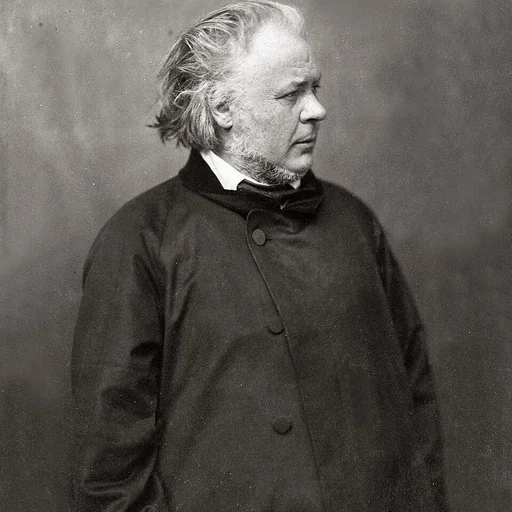
Honoré-Victorin Daumier was a French painter, sculptor, and printmaker, whose many works offer commentary on the social and political life in France, from the Revolution of 1830 to the fall of the Second French Empire in 1870.









![Studies for a Lunette [verso], by Charles Sprague Pearce](https://artifactworldgallery.com/img/charles-sprague-pearce--studies-for-a-lunette-verso--5d54507e74f08054-w320.webp) Studies for a Lunette [verso]
Studies for a Lunette [verso]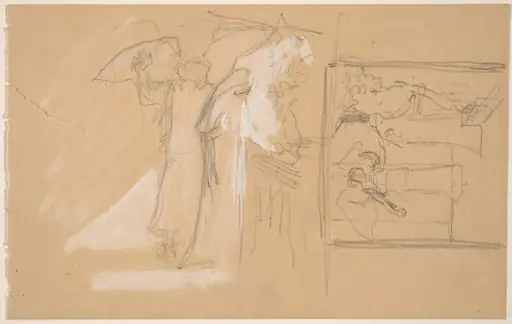 Studies for a Panel
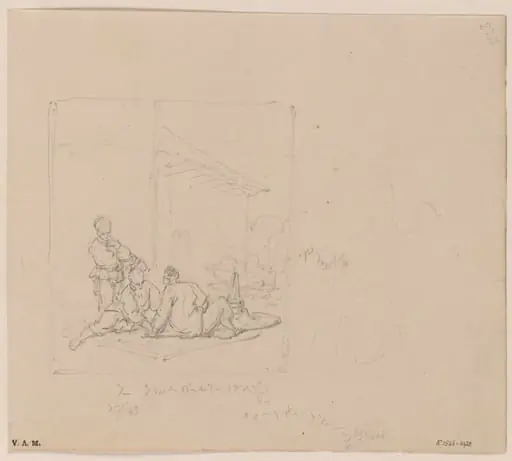 Chinese game players on a mat
![Studies for a Monument with Angels Reaching Down to a Praying Figure [recto and verso], by John Flaxman](https://artifactworldgallery.com/img/john-flaxman--studies-for-a-monument-with-angels-reaching-down-to-a-prayin--9d789ab993a76a50-w320.webp) Studies for a Monument with Angels Reaching Down to a Praying Figure [recto and verso]
Studies for a Monument with Angels Reaching Down to a Praying Figure [recto and verso]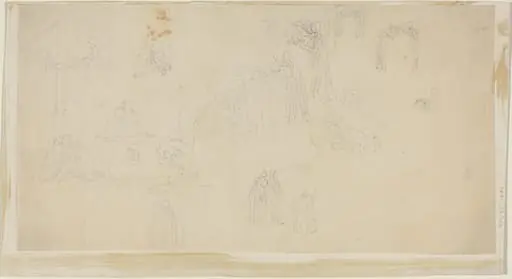 Sheet of Studies
![Sheet of Studies [recto and verso], by John Flaxman](https://artifactworldgallery.com/img/john-flaxman--sheet-of-studies-recto-and-verso--acf1b2004c9fc50f-w320.webp) Sheet of Studies [recto and verso]
Sheet of Studies [recto and verso]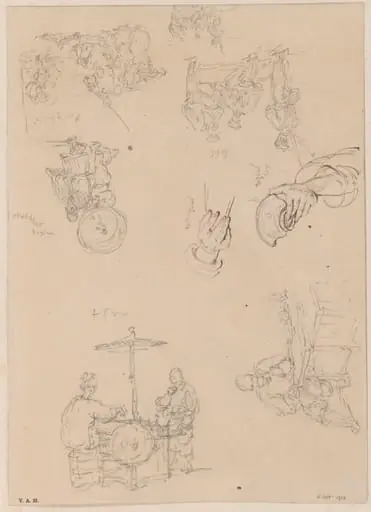 Chinese figures, soldiers, and details of hands
![Sheet of Studies [recto and verso], by John Flaxman](https://artifactworldgallery.com/img/john-flaxman--sheet-of-studies-recto-and-verso--5d19d38e20f446c0-w320.webp) Sheet of Studies [recto and verso]
Sheet of Studies [recto and verso]![Studies of Crowing Rooster and Reclining Figures [recto and verso], by John Flaxman](https://artifactworldgallery.com/img/john-flaxman--studies-of-crowing-rooster-and-reclining-figures-recto-and-v--6ae88f69b8f5a01b-w320.webp) Studies of Crowing Rooster and Reclining Figures [recto and verso]
Studies of Crowing Rooster and Reclining Figures [recto and verso]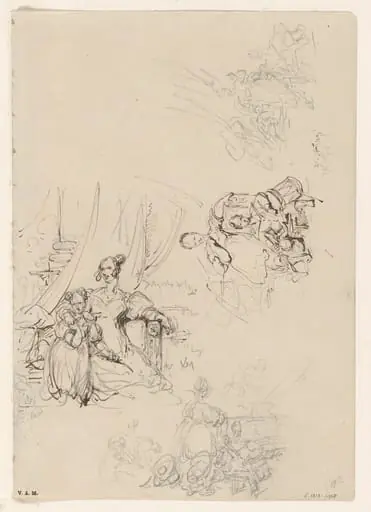 A Western woman with her children in Macau
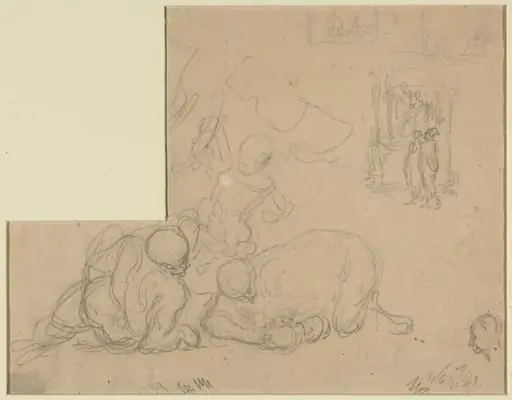 Sheet of Studies with Two Large Men on the Ground
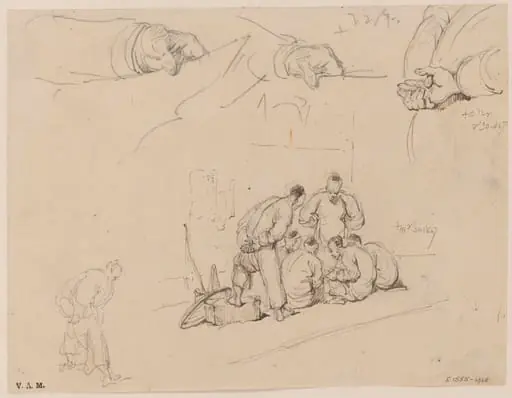 Drawings of a group of Chinese men, clasped hands, and a hand holding paper