Artwork
Trois heures
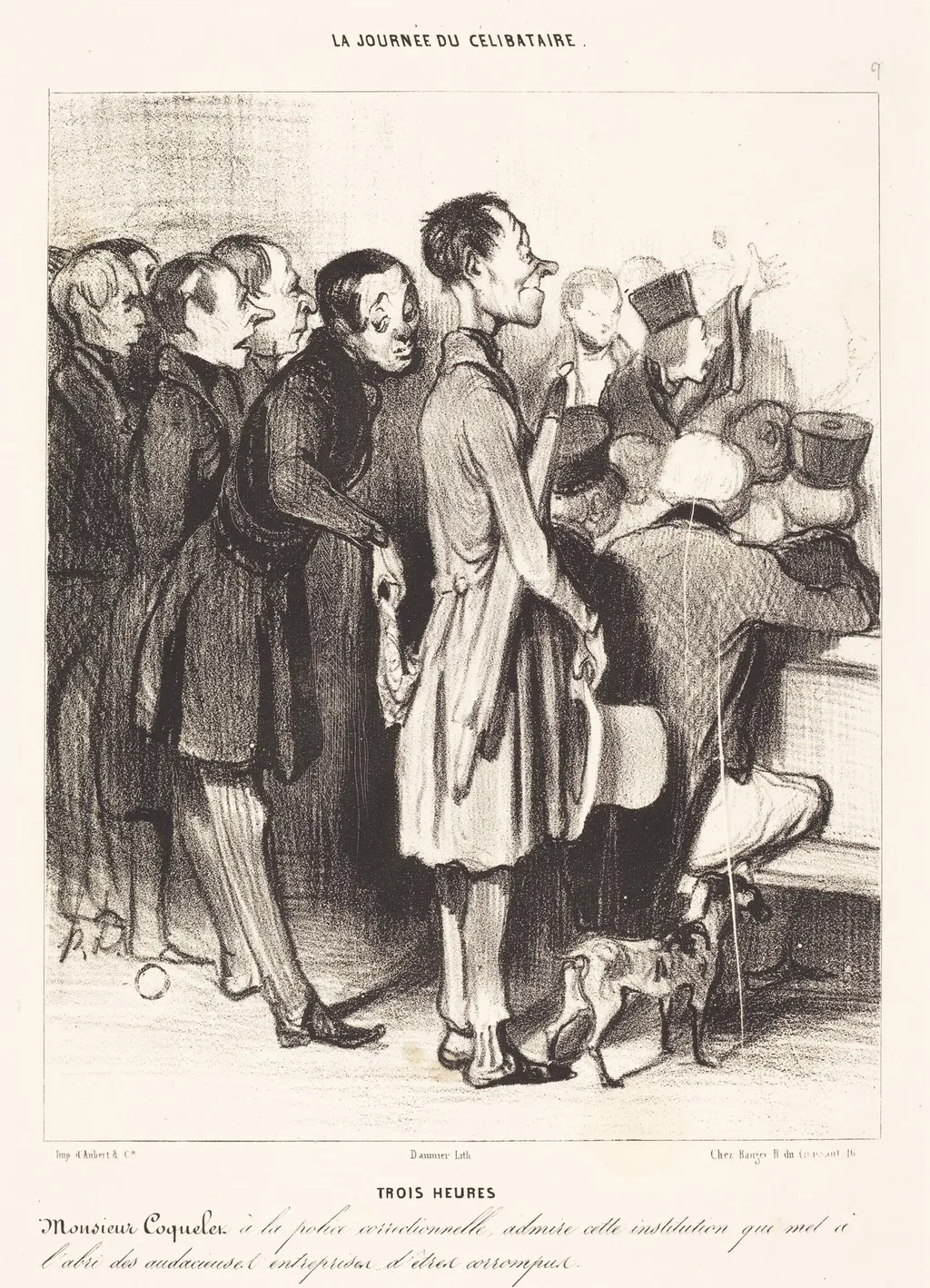
Trois heures is a crayon print by the Romanticist artist Honoré Daumier. It dates from 1839 and is held in the collection of the National Gallery of Art.
About this work
Overview
Created in 1839, *Trois heures* is a black crayon lithograph on wove paper by Honoré Daumier. The work belongs to the artist’s prolific series of satirical prints that circulated during a turbulent phase of French politics. It captures a bustling interior scene populated by formally dressed men, a small dog, and a few pieces of furniture, rendered with swift, decisive lines.
Subject & Meaning
The image depicts a crowded room where gentlemen in coats and hats stand close together; one figure holds a cane, another leans on a table laden with hats, while a dog looks upward from the centre. The title, *La Journée du Célibataire* (The Bachelor’s Day), and a humorous caption about a hat stand suggest a playful commentary on single men’s social habits and the pretensions of fashionable society.
Technique & Style
Daumier employed the lithographic process, drawing directly with black crayon onto the stone surface before transferring the image to paper. The handling of line is brisk and economical, emphasizing contours over detail, which creates a sense of movement and slight disorder. The choice of wove paper provides a smooth, uniform ground that accentuates the stark contrast between ink and substrate.
History & Provenance
The print emerged from Daumier’s work for satirical journals such as *La Caricature* and *Le Charivari*, where he regularly published political and social caricatures. Though originally intended for a broad readership, the lithograph later entered private collections and museum holdings, reflecting the growing appreciation of Daumier’s contributions to 19th‑century print culture.
Context
Produced amid the aftermath of the July Revolution and the rise of republican sentiment, the work aligns with Daumier’s republican sympathies. By targeting the aristocracy, clergy, and bourgeois manners, the lithograph participates in a broader visual discourse that used humor and exaggeration to critique established power structures during a period of intense political debate in France.
Own this work as a print
Artist & collection
Artist
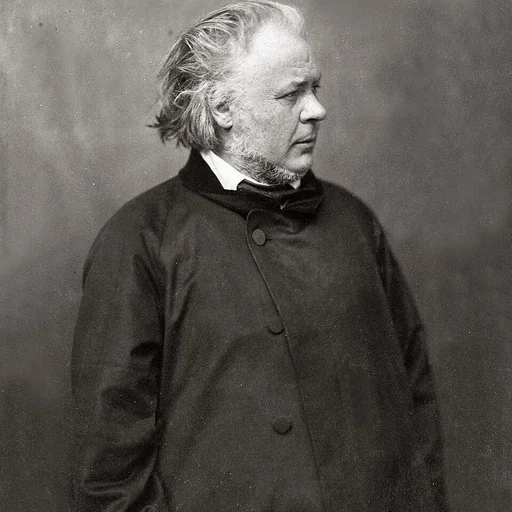
Honoré-Victorin Daumier was a French painter, sculptor, and printmaker, whose many works offer commentary on the social and political life in France, from the Revolution of 1830 to the fall of the Second French Empire in 1870.


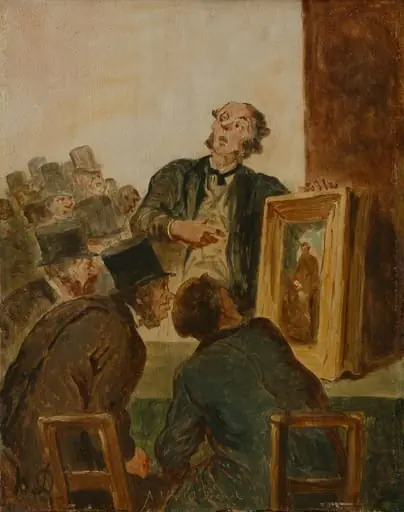
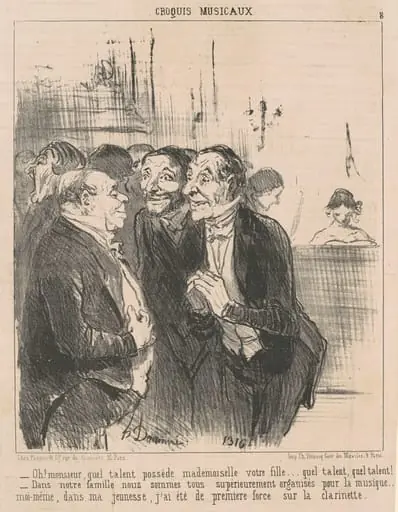 Oh! Monsieur, quel talent possède ...
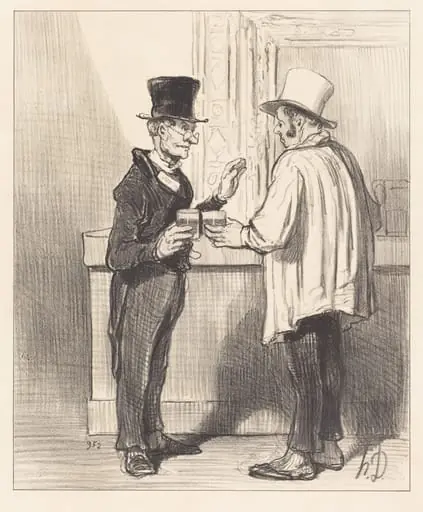 Un Défenseur... causant... dans son cabinet habituel
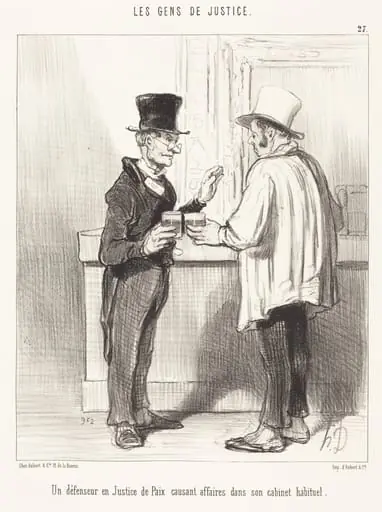 Un Défenseur... causant... dans son cabinet habituel
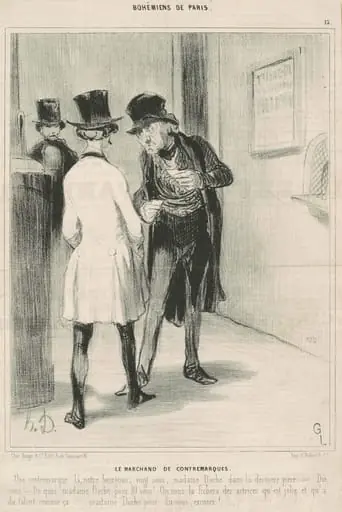 Le marchand de contremarques
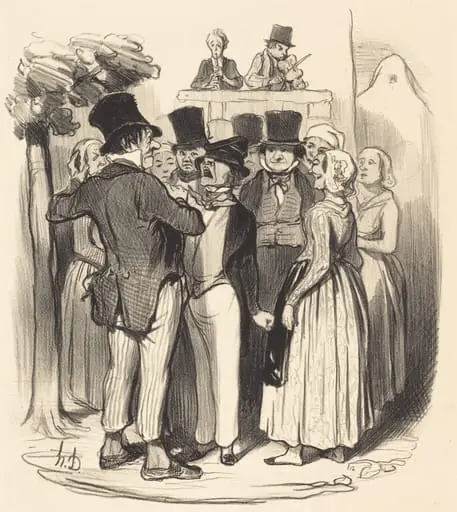 Ah! Gringalet d'Paris... tu viendras faire danser...
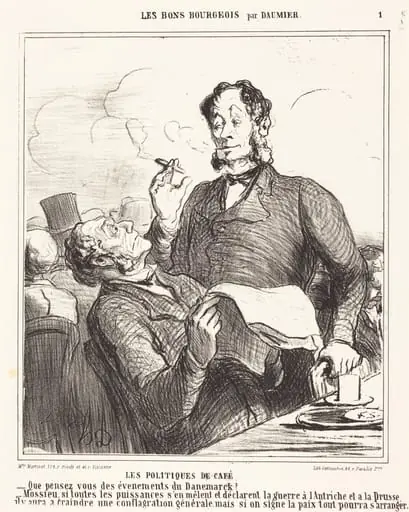 Les Politiques de café
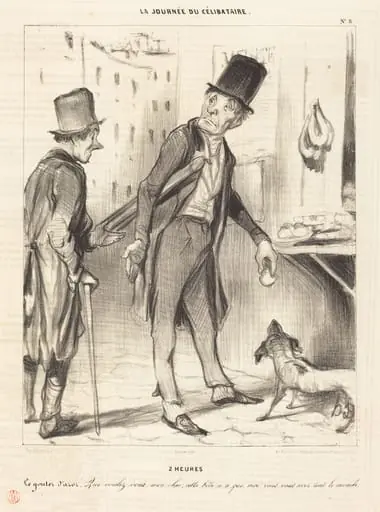 2 heures - Le gouter d'Azor
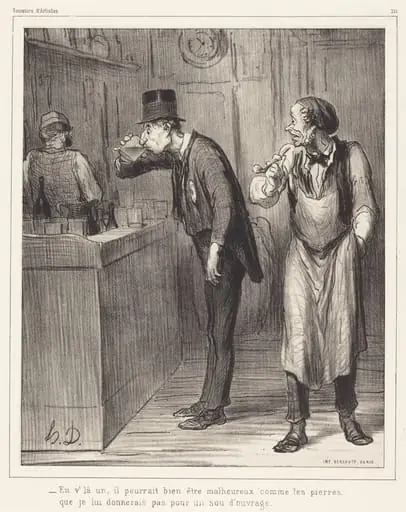 En v'la un, il pourrait bien être malheureux...
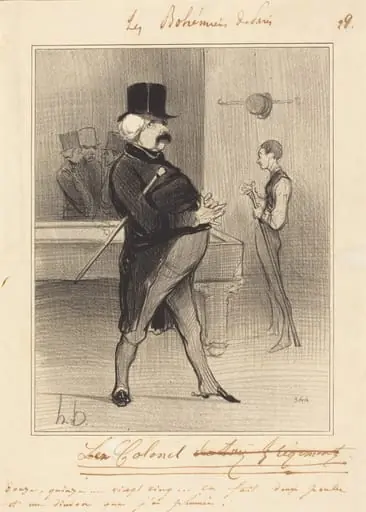 L'Ex-Colonel
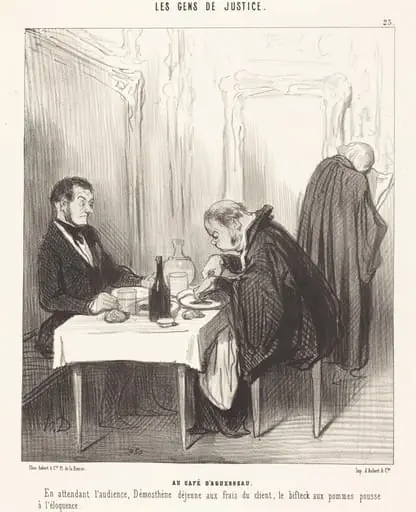 Au Café d'Aguesseau
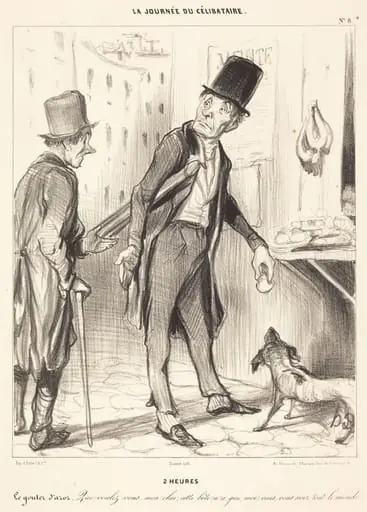 2 heures
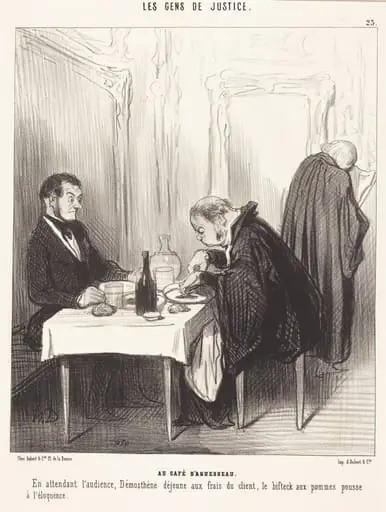 Au Café d'Aguesseau