Artwork
Une visite aux bains
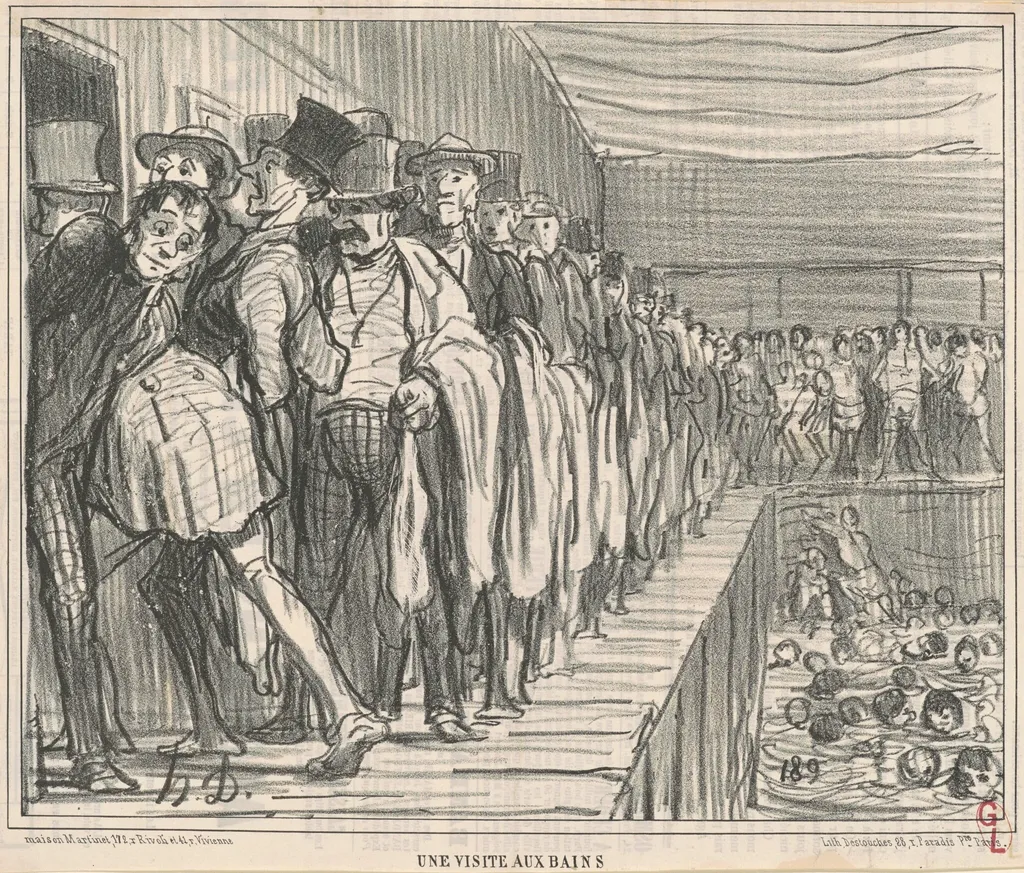
Une visite aux bains is an ink print by the Impressionist artist Honoré Daumier. It dates from 1858 and is held in the collection of the National Gallery of Art.
About this work
Overview
Honoré Daumier’s lithograph *Une visite aux bains* portrays a bustling public bath in the 19th century. A crowd of men in dark suits and top hats occupies a wooden platform that runs alongside a pool, their heads jutting above the water’s surface. The composition conveys the lively, crowded atmosphere of communal bathing while hinting at the social rituals of the era.
Subject & Meaning
The scene gathers well‑dressed gentlemen in a seemingly informal setting, juxtaposing formal attire with the mundane act of bathing. Their rigid postures and exaggerated gestures suggest a subtle satire of social conventions, presenting the bathhouse as a space where public decorum and private leisure intersect.
Technique & Style
Executed in lithography, Daumier drew directly on a stone surface with greasy crayon, allowing the ink to transfer onto paper in bold, expressive lines. The print’s energetic, sketch‑like quality stems from the medium’s capacity for swift, gestural marks, emphasizing the immediacy of the scene and the artist’s characteristic linear vigor.
History & Provenance
Created during Daumier’s prolific mid‑century period, the work reflects his ongoing interest in everyday urban life. A notable example resides in the National Gallery of Art in Washington, where it is displayed as part of the museum’s collection of 19th‑century French prints.
Context
Public baths were common social venues in 19th‑century France, serving both hygienic and communal functions. Daumier’s depiction aligns with his broader oeuvre that often critiqued contemporary society, using ordinary settings to expose underlying social dynamics.
Artist & collection
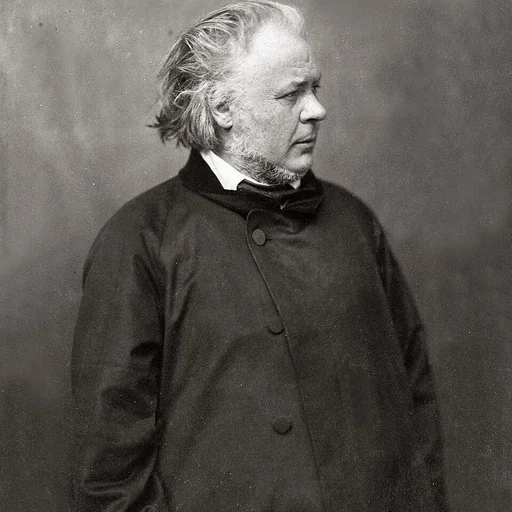
Artist
Honoré-Victorin Daumier was a French painter, sculptor, and printmaker, whose many works offer commentary on the social and political life in France, from the Revolution of 1830 to the fall of the Second French Empire in 1870.









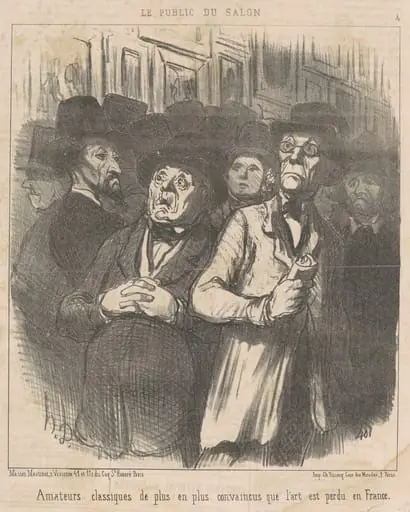 Amateurs classiques ... convaincus ...
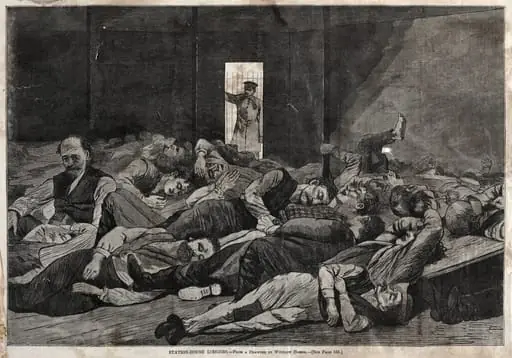 Station-House Lodgers
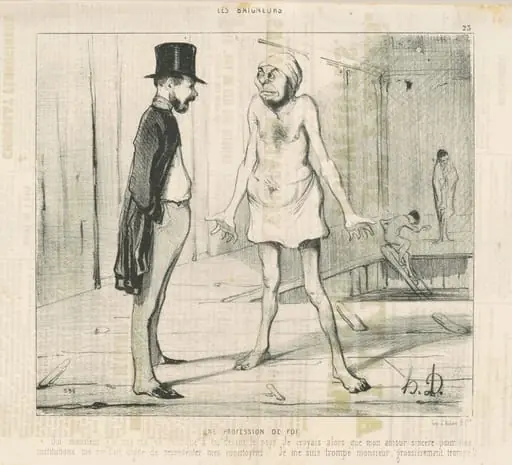 Une profession de foi
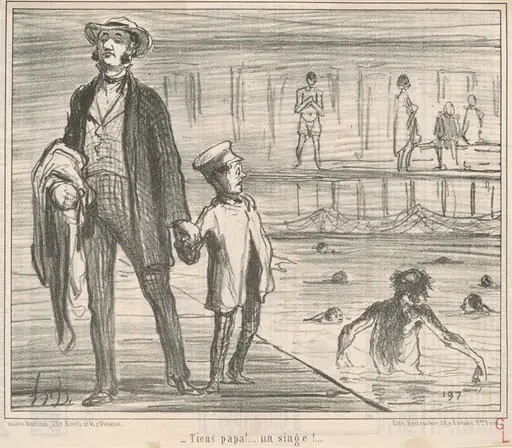 Tiens papa! ... un singe! ...
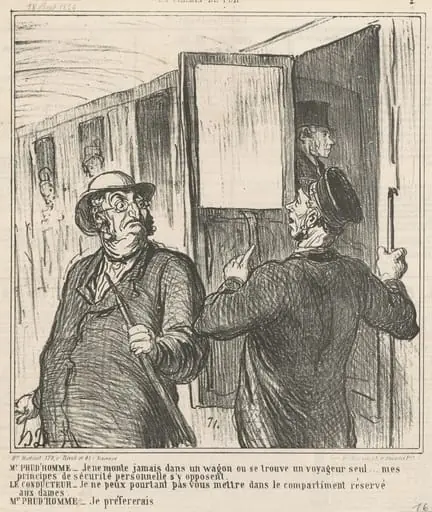 M. Prud'homme: Je ne monte jamais ...
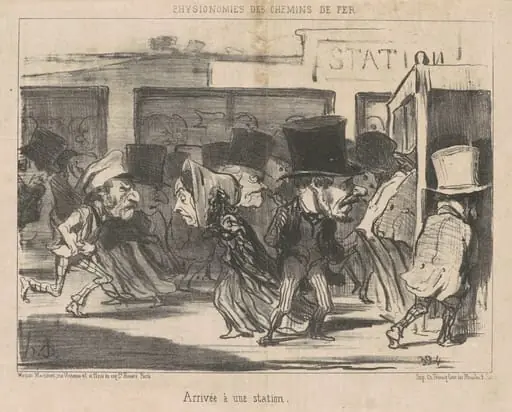 Arrivée a une station
 A Street at Midnight: Coming out of a drama. Coming out of a variety show
 Que faites-vous donc la avec ces civières
 Le Dimanche au Jardin des Plantes
 Il faut que vous fassiez encore place...