Artwork
Vois-tu, le petit estancelin comme il parle ...
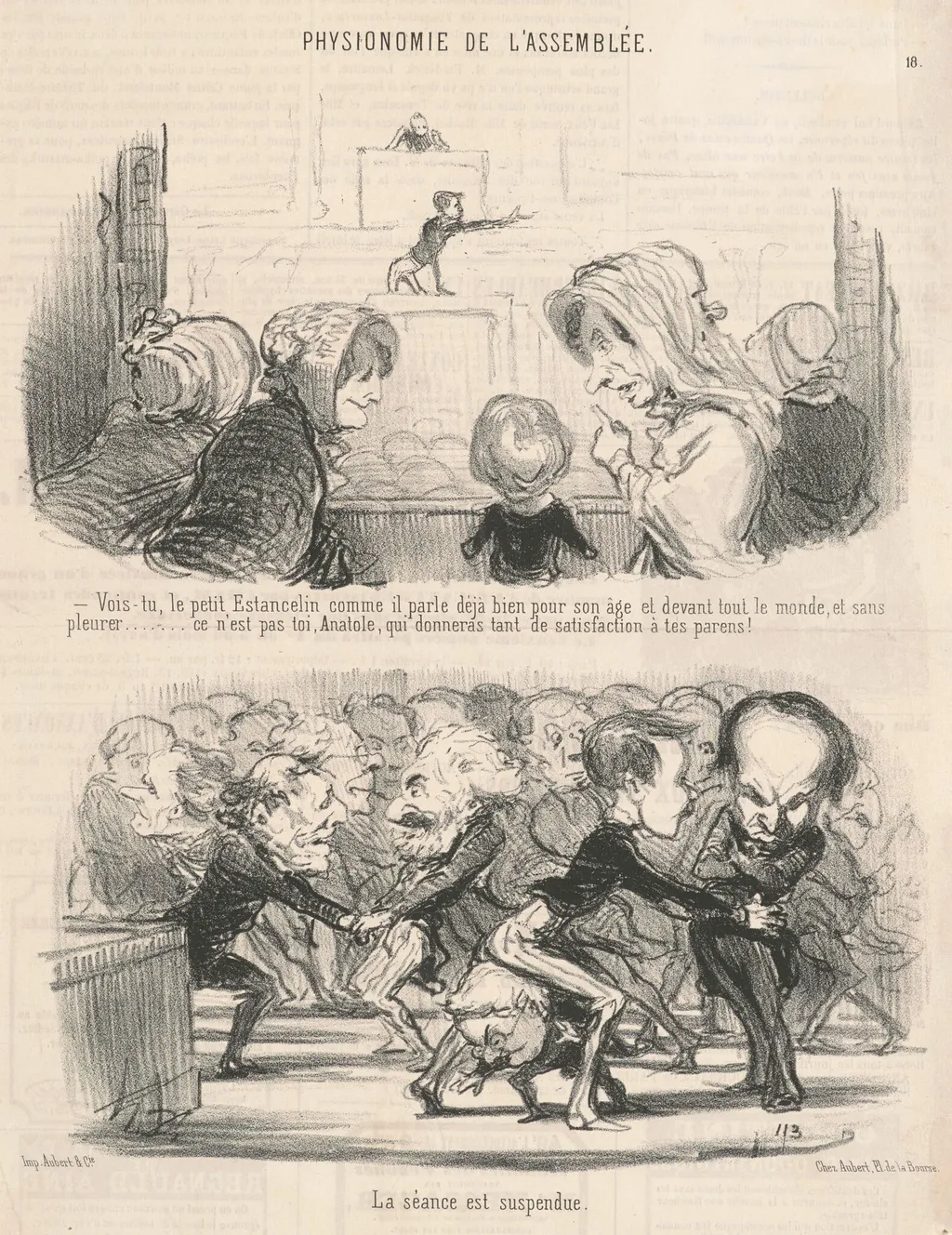
Vois-tu, le petit estancelin comme il parle ... is an ink print by the Impressionist artist Honoré Daumier. It dates from 1850 and is held in the collection of the National Gallery of Art.
About this work
Overview
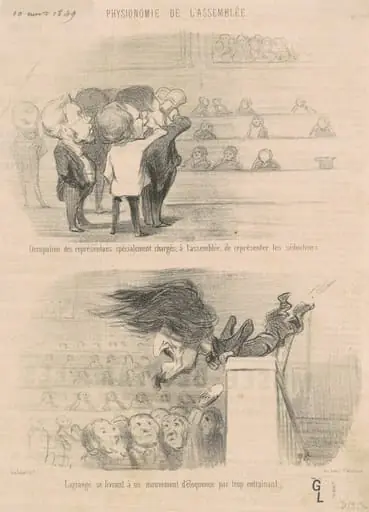
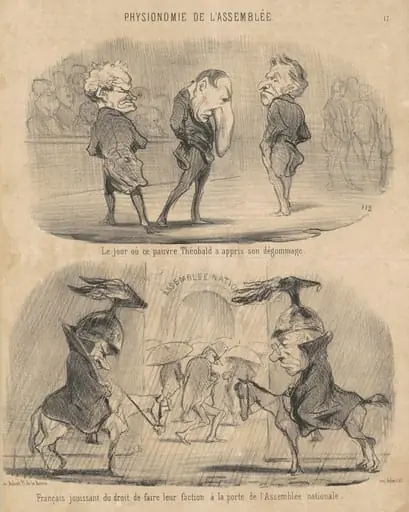
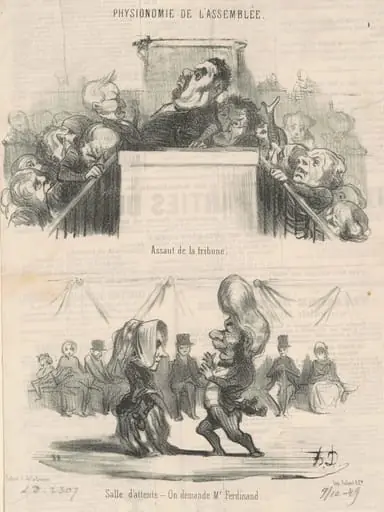
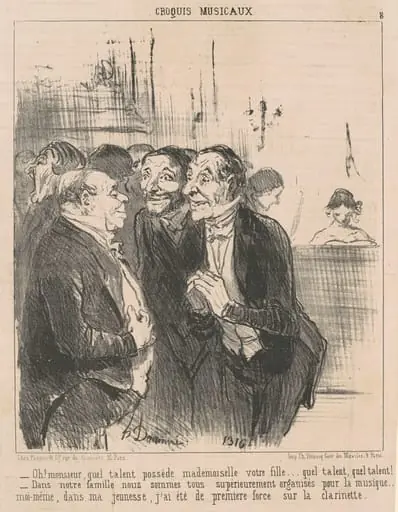
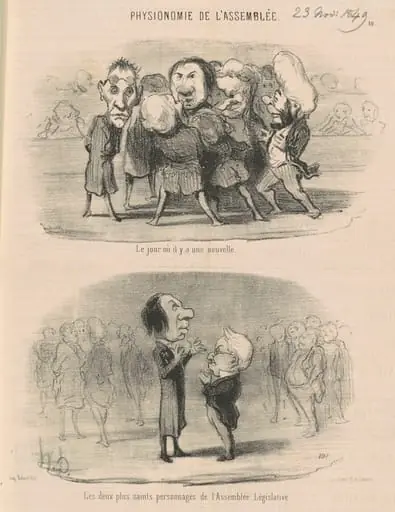
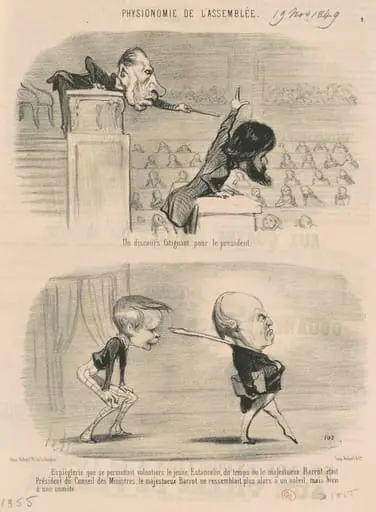
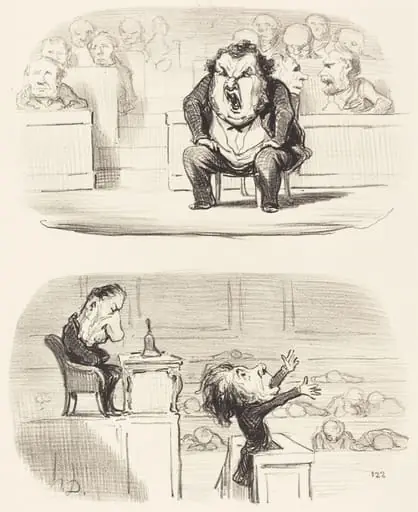
Honoré Daumier’s lithograph Vois‑tu, le petit estancelin comme il parle depicts a crowded interior where a group of individuals engage in animated debate. The composition captures a moment of collective agitation, with participants gesturing broadly and appearing visibly upset, conveying a scene of lively, contentious discourse.
Subject & Meaning
The work satirically portrays a formal gathering—likely a courtroom or legislative chamber—by exaggerating the participants’ postures and expressions. Through caricatured figures and overt gestures, Daumier critiques the absurdity and performative nature of political argumentation, using humor to underscore the emptiness of the exchange.
Technique & Style
Executed in lithography, the print relies on the fluid, bold lines characteristic of Daumier’s graphic practice. The medium allows for swift, expressive strokes that emphasize movement and facial contortions, while the inclusion of French textual elements integrates visual and verbal satire within a single sheet.
History & Provenance
Created during Daumier’s prolific period of political caricature in the mid‑19th century, the lithograph was produced for the French satirical press, where his work reached a broad audience. Its original distribution was through print runs typical of the era, though specific ownership records are limited.
Context
Daumier’s career coincided with turbulent French politics, including the revolutions of 1848 and the Second Empire. His prints often targeted the theatricality of public debate, reflecting contemporary concerns about the gap between rhetoric and reality in governmental institutions.
Legacy
The lithograph remains a representative example of Daumier’s ability to fuse social commentary with graphic innovation. It continues to be studied for its incisive portrayal of political theater and its influence on later satirical illustrators who employ exaggerated caricature to critique power.
Artist & collection
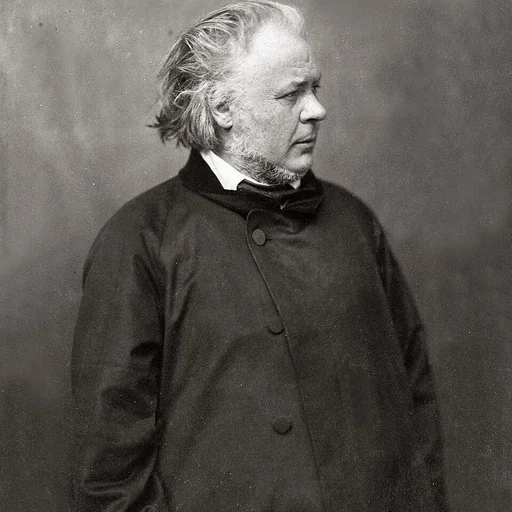
Artist
Honoré-Victorin Daumier was a French painter, sculptor, and printmaker, whose many works offer commentary on the social and political life in France, from the Revolution of 1830 to the fall of the Second French Empire in 1870.