Artwork
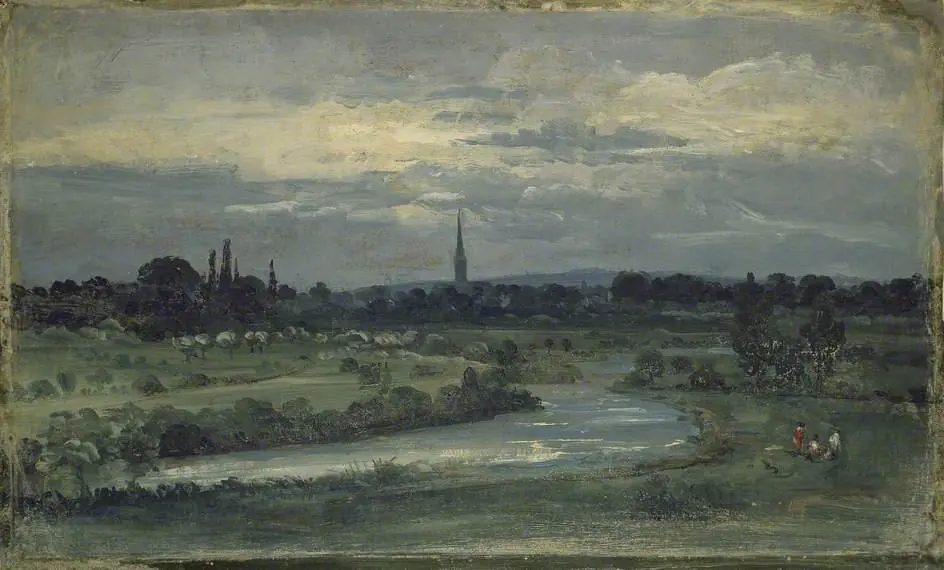
Britford Vale: Water Meadows
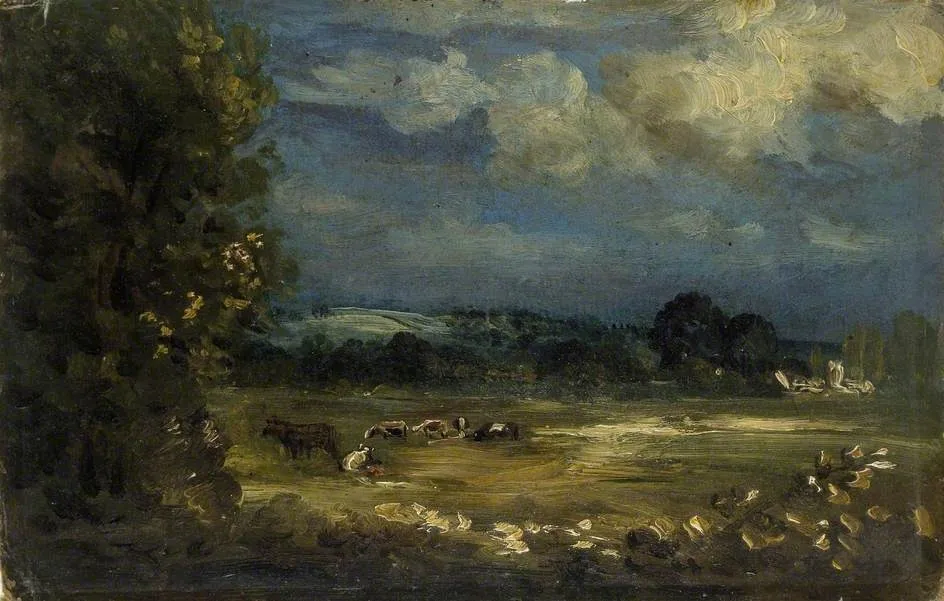
Britford Vale: Water Meadows is an unspecified painting by the British Romanticist artist David Charles Read. It dates from 1835 and is held in the collection of the Ashmolean Museum.
About this work
Overview
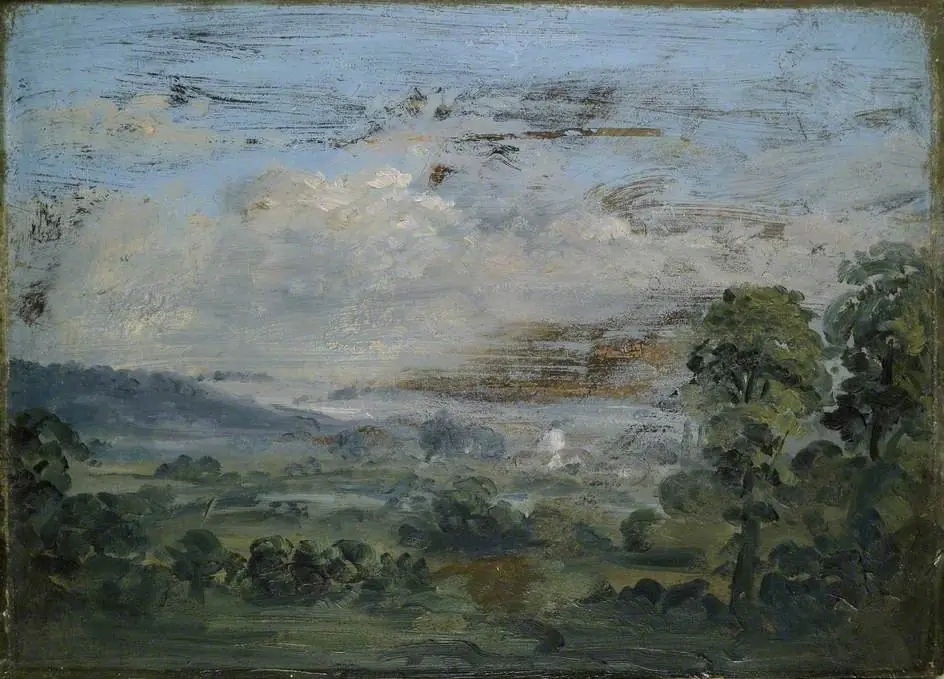
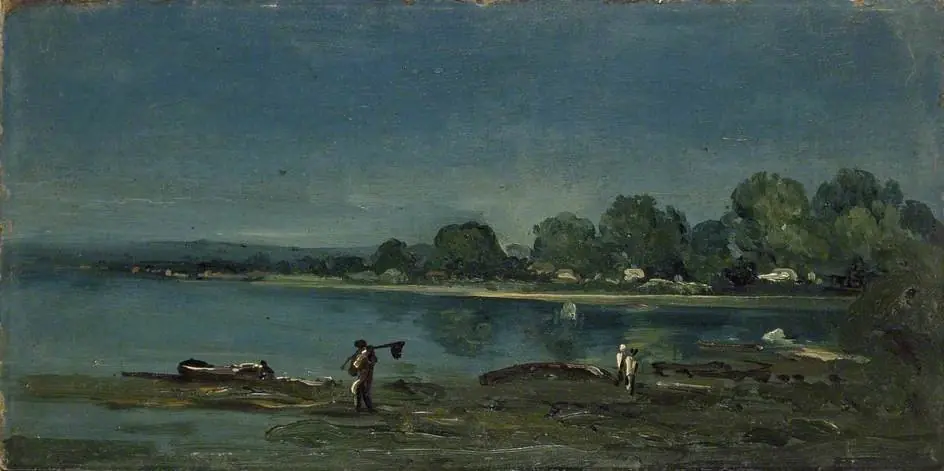
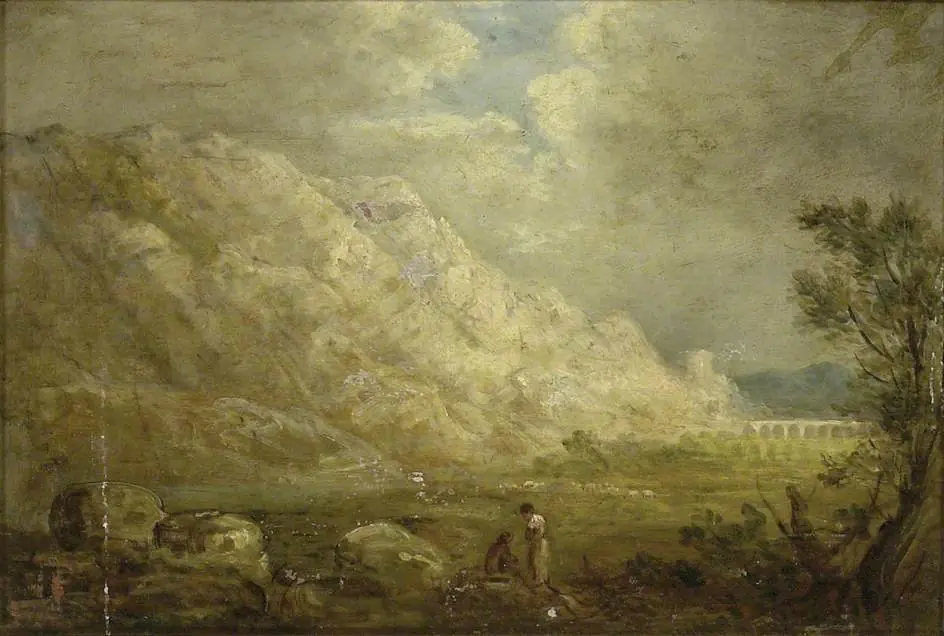
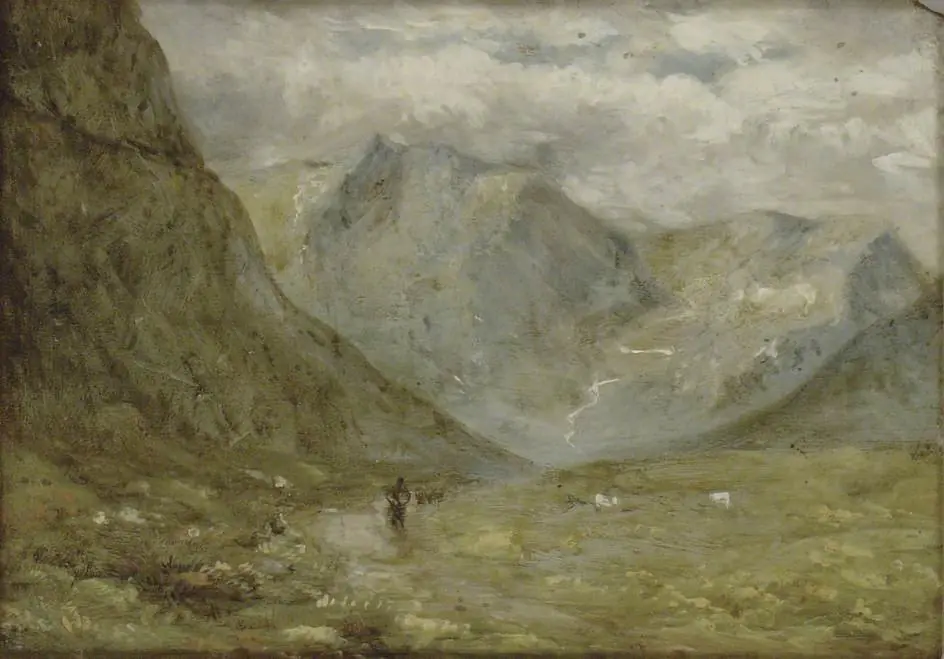
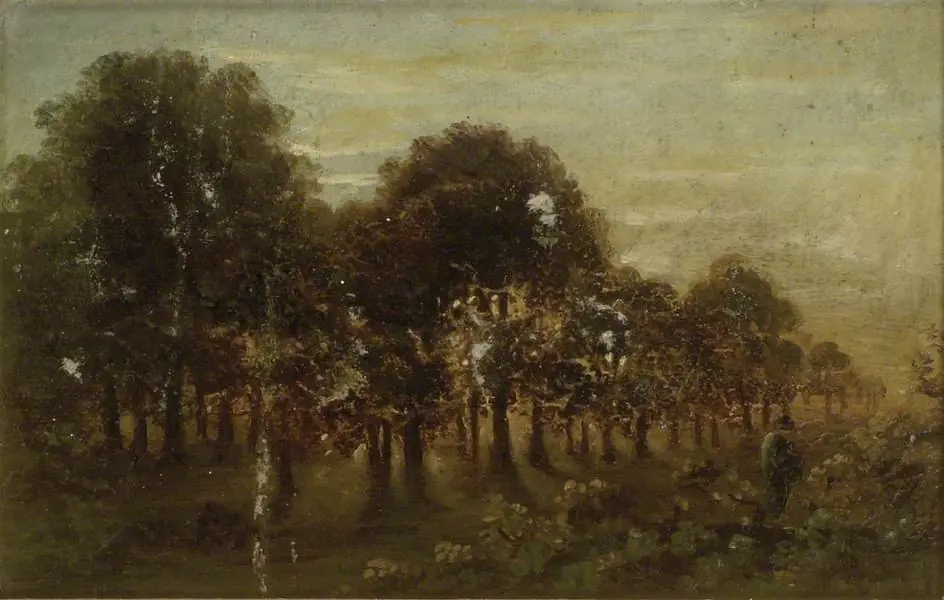
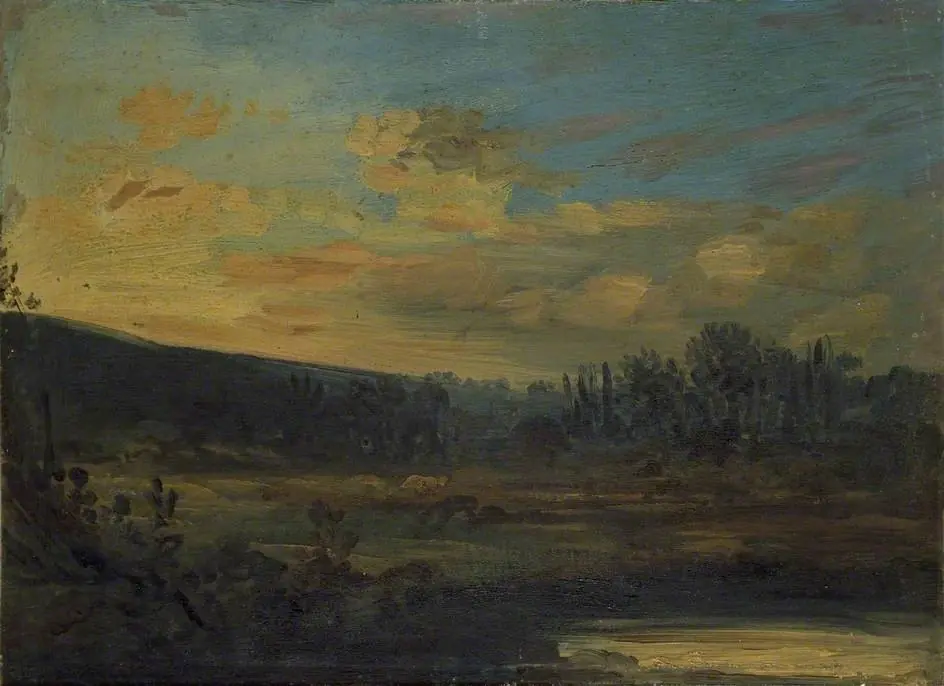
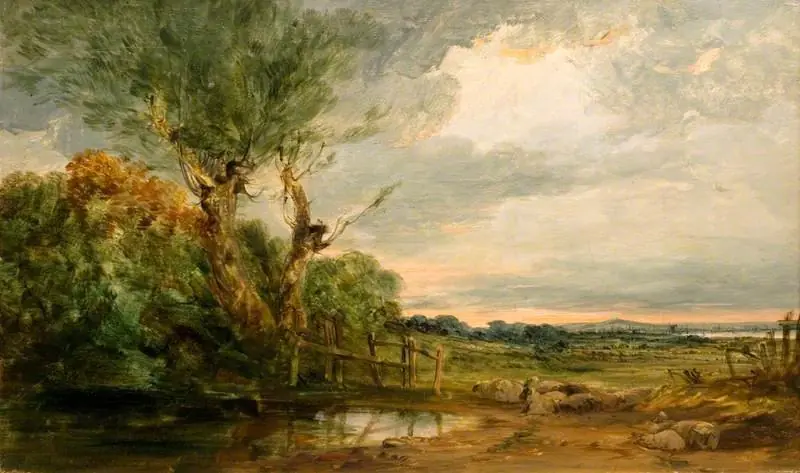
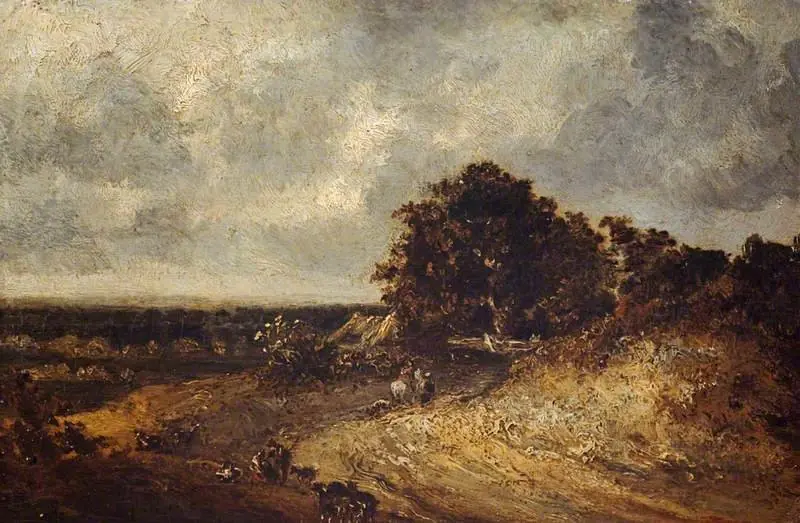
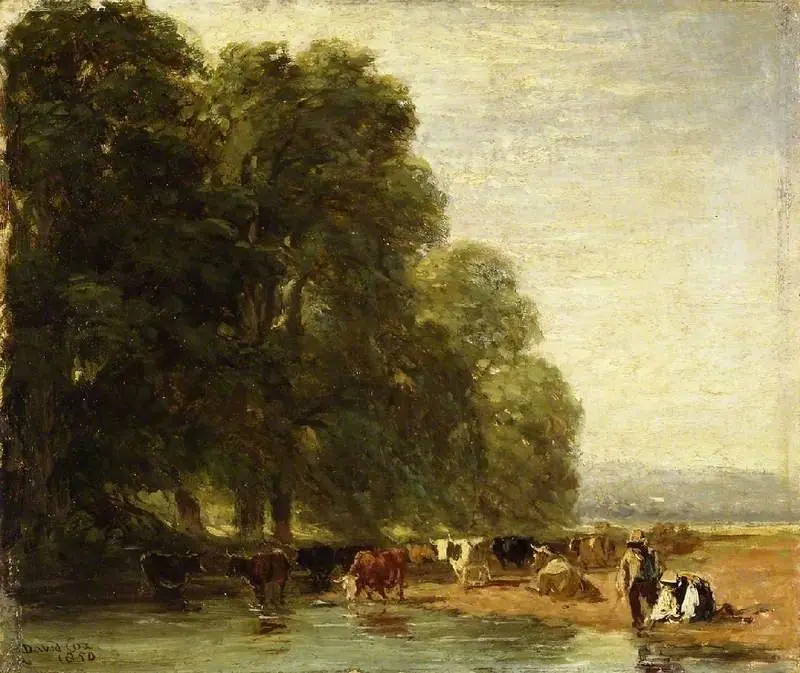
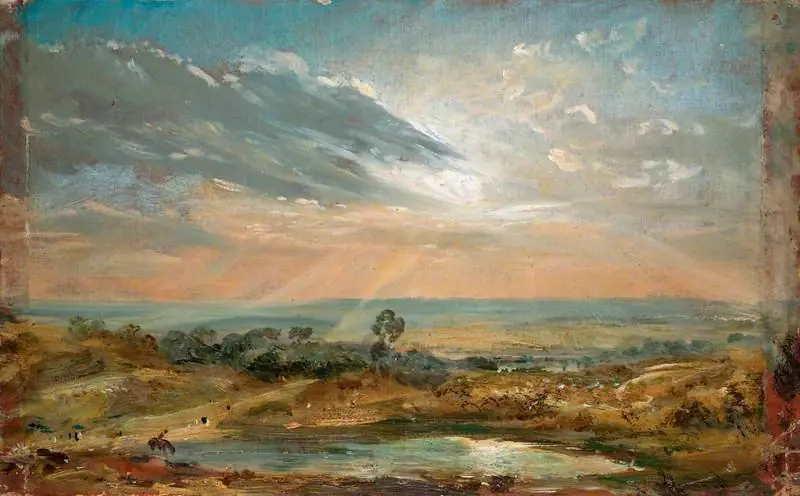
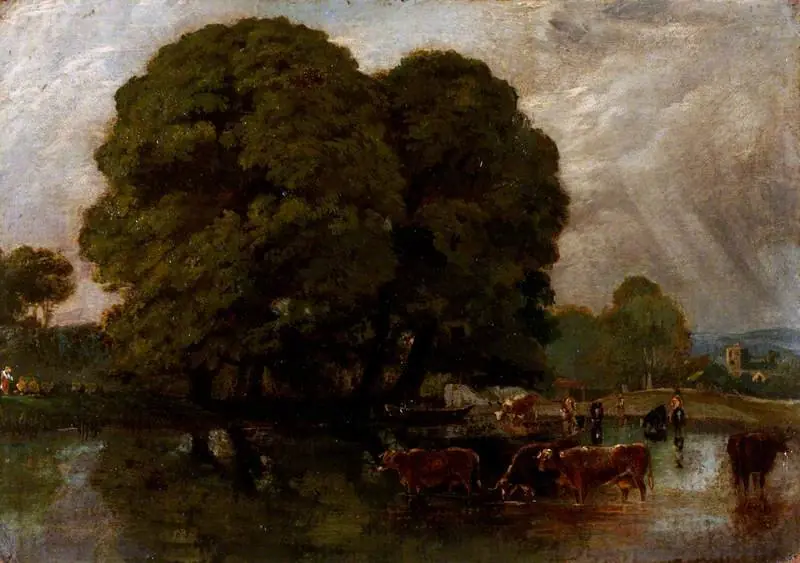
David Charles Read’s 1835 oil painting Britford Vale: Water Meadows is part of the Ashmolean Museum’s collection. The work presents a quiet rural valley, its low-lying meadows washed by water and framed by a line of trees and scrub. A modest herd of cattle grazes in the distance, lending a pastoral calm to the expansive scene.
Subject & Meaning
The composition captures an English water‑meadow landscape, a type of flood‑plain agriculture common in the 19th‑century countryside. By placing the cows at a modest scale within the broad vista, Read emphasizes the harmony between human‑managed land and the natural environment, suggesting a tranquil, productive relationship between agriculture and the surrounding terrain.
Technique & Style
Read employs a restrained palette dominated by greens, browns and muted earth tones, allowing atmospheric perspective to convey depth. Delicate modulation of light and shadow across foliage and water creates a sense of volume, while fine brushwork in the foreground foliage adds texture. The overall effect is a realistic yet gently idealised view of the valley.
History & Provenance
Executed in 1835, Britford Vale: Water Meadows entered the Ashmolean Museum’s holdings through acquisition (specific donor or purchase details are not recorded in the available sources). The painting remains a representative example of Read’s landscape output during the early Victorian period, reflecting contemporary interest in rural scenery.
Artist & collection