Artwork
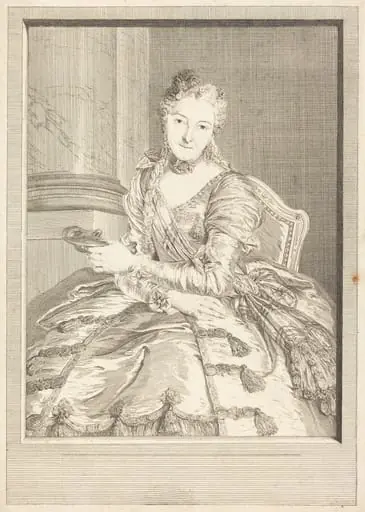
A Seated Young Woman Holding a Letter
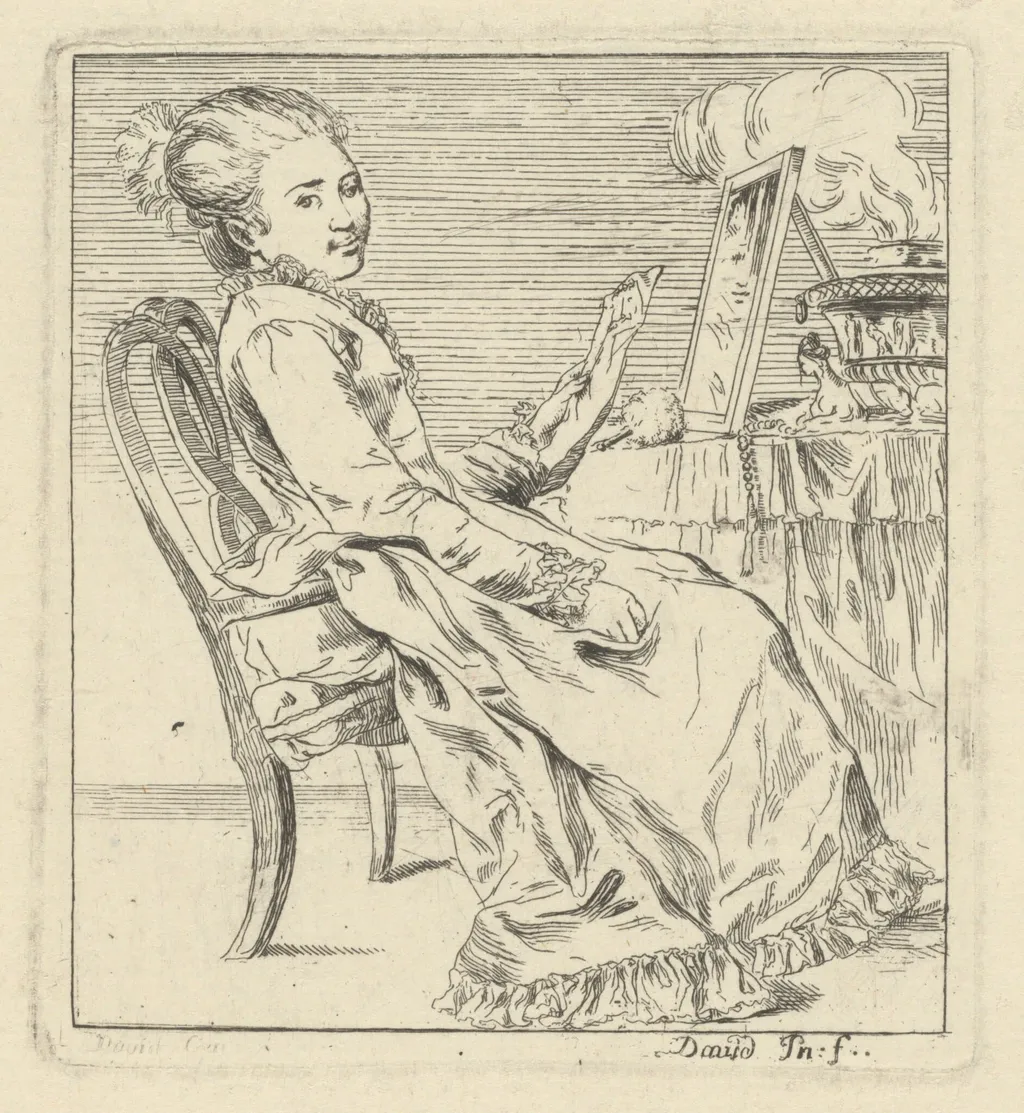
A Seated Young Woman Holding a Letter is an ink print by the Romanticist artist Giovanni David. It dates from 1775 and is held in the collection of the National Gallery of Art.
About this work
Overview
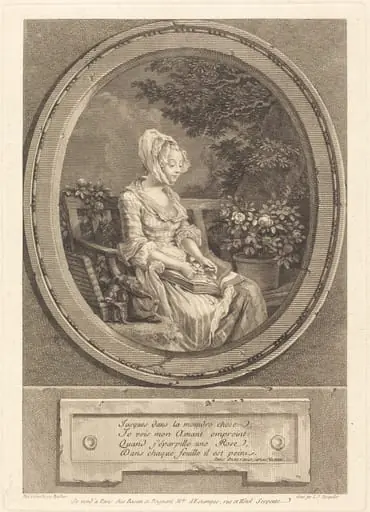
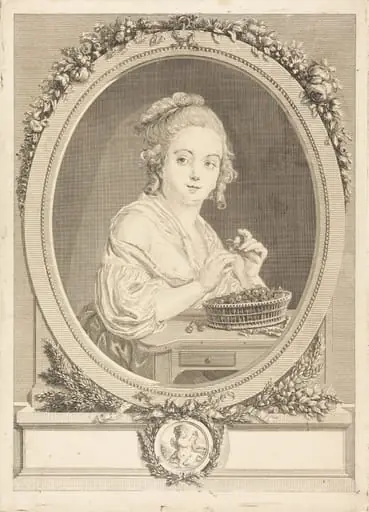
Giovanni David’s etching, dated around 1775, depicts a young woman seated on a simple chair. She holds a folded letter in her right hand while her left hand rests calmly on her lap. Dressed in a long gown with a ruffled collar, she gazes directly at the viewer, her expression poised between curiosity and quiet reflection.
Subject & Meaning
The work presents a moment of private correspondence, suggesting themes of anticipation or personal news. The woman’s direct gaze and gentle demeanor invite the viewer into an intimate scene, emphasizing the emotional weight of written communication in an era when letters were primary links between individuals.
Technique & Style
Executed in etching on laid paper, the image relies on fine lines and subtle cross‑hatching to render texture and depth. The laid paper’s faint ribbing contributes a tactile quality, while the restrained palette of black ink highlights the figure’s contours and the modest interior setting, characteristic of late‑Baroque printmaking.
History & Provenance
Created circa 1775, the print reflects David’s activity during the late eighteenth century, a period when etching served both artistic and illustrative purposes. While specific ownership records are limited, the work has appeared in several catalogues of eighteenth‑century prints, indicating its circulation among collectors of the genre.
Context
The composition aligns with contemporary genre scenes that focused on everyday moments rather than grand historical narratives. By portraying a solitary figure engaged with a letter, David participates in a broader artistic interest in domestic interiors and the personal lives of the emerging middle class.
Legacy
Although not widely reproduced, the etching contributes to the understanding of print culture in the late eighteenth century, illustrating how artists used the medium to capture nuanced human experiences. It remains a reference point for scholars studying the intersection of portraiture, narrative, and print technique during this period.
Artist & collection


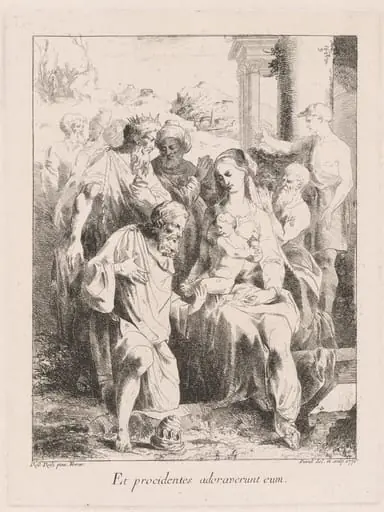 Adoration of the Magi
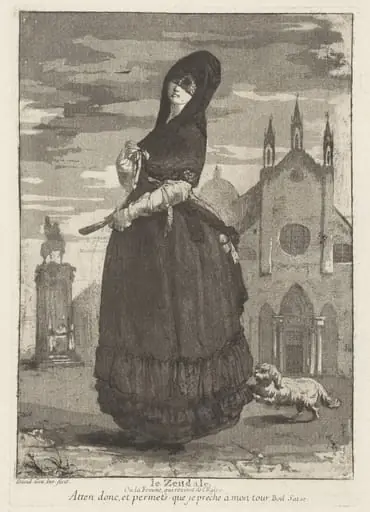 Le Zendale (Woman in a Hood, or the Woman Returning from Church)
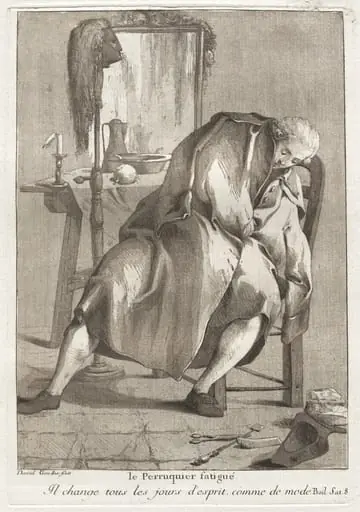 Le Perruquier fatigué (The Tired Wigmaker)
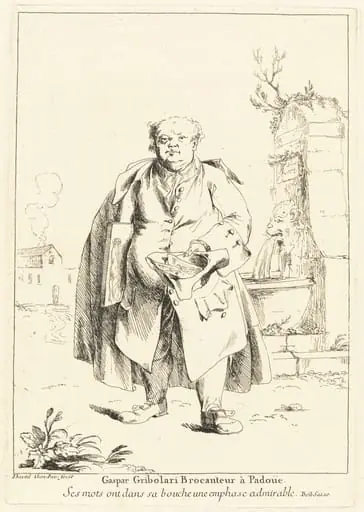 Gaspar Gribolari Brocanteur à Padoüe (Gaspar Gribolari, Secondhand Dealer in Padua)
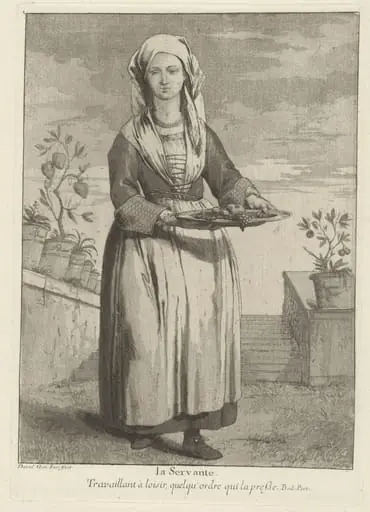 La Servante (The Servant)
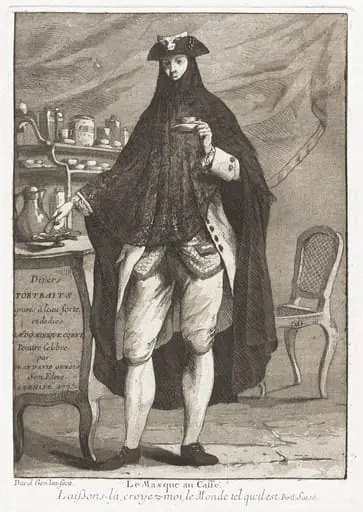 Le Masque au caffé (The Masked Man Taking Coffee)
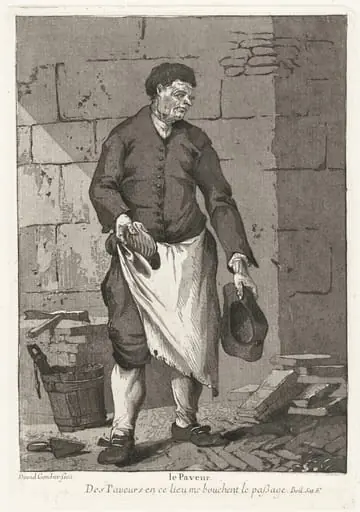 Le Paveur (The Road Paver)
 Democritus