Artwork
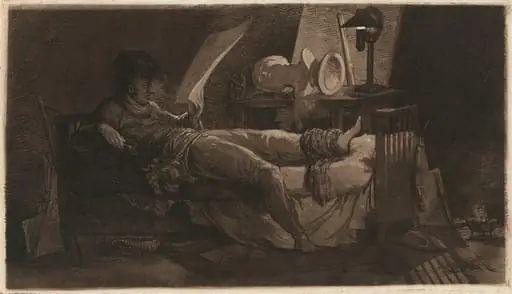
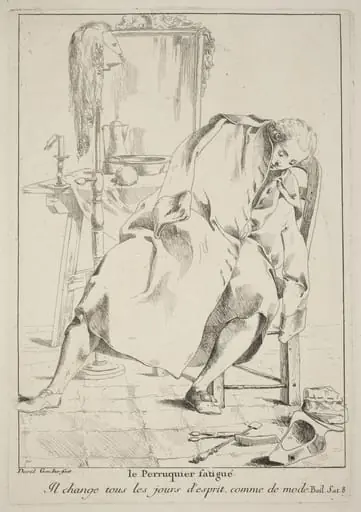
Le Perruquier fatigué (The Tired Wigmaker)
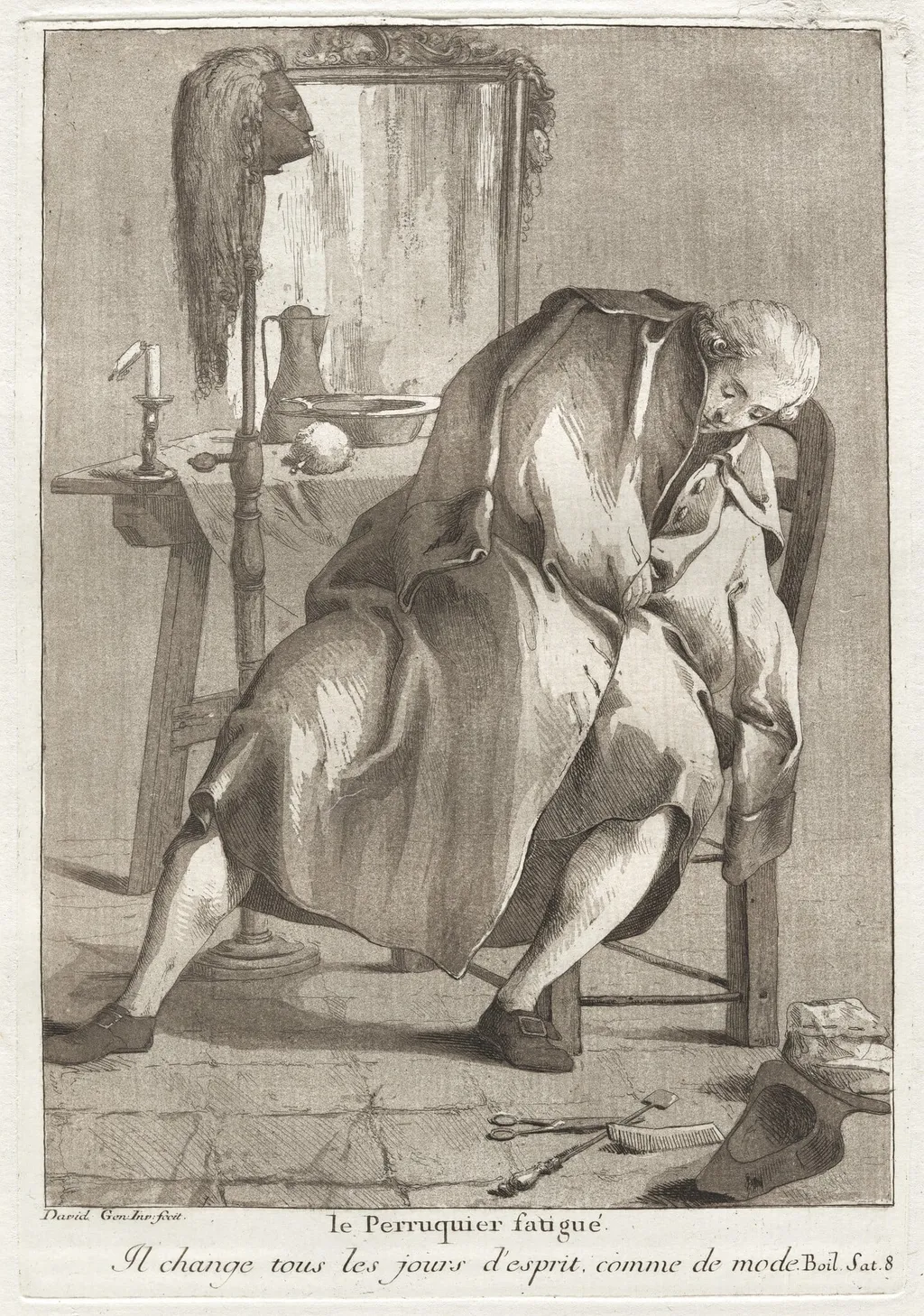
Le Perruquier fatigué (The Tired Wigmaker) is an ink print by the Romanticist artist Giovanni David. It dates from 1775 and is held in the collection of the National Gallery of Art.
About this work
Overview
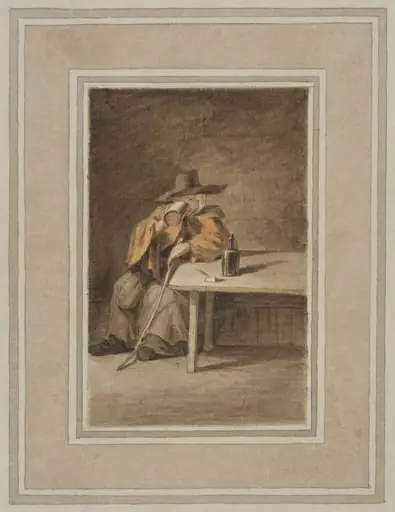
Created in 1775 by Giovanni David, this print combines etching and aquatint on laid paper to depict a wigmaker at rest amid his labor. The image captures a quiet, unidealized moment of fatigue, avoiding grandeur in favor of intimate realism. Its modest scale and tonal subtlety reflect the print’s function as a private study rather than a public display.
Subject & Meaning
The figure, slumped over his workbench, embodies the physical toll of artisanal labor. A half-completed wig rests on a stand, while scattered tools and domestic items—a pitcher, bowl, candle—frame the scene with unadorned authenticity. The title underscores the theme of exhaustion, positioning the wigmaker not as a craftsman of elegance, but as a man worn down by routine.
Technique & Style
David employed loose, rapid etching lines to convey movement and weariness, complemented by soft aquatint washes that deepen shadows around the figure. The texture of the laid paper enhances the tactile quality of the scene, while the absence of fine detail invites the viewer to infer the wigmaker’s condition from posture and gesture rather than ornament.
History & Provenance
The print emerged during a period when European artists increasingly turned to everyday subjects, moving away from mythological or aristocratic themes. Though David’s oeuvre is limited, this work aligns with emerging trends in 18th-century printmaking that valued observation over idealization. Its survival suggests it was circulated among collectors interested in social realism.
Context
In late 18th-century France and Italy, wigmakers were common urban artisans, their trade tied to fashion but rarely celebrated. As wigs declined in popularity after the 1770s, depictions of wigmakers took on subtle elegiac tones. David’s image reflects this cultural shift, portraying labor not as noble, but as quietly enduring.
Legacy
The print contributes to a broader genre of artisan portraiture that gained traction in the Enlightenment era. Though not widely reproduced, its emphasis on quiet dignity in labor influenced later realist printmakers. It remains a quiet testament to the visibility of ordinary work in an age increasingly focused on spectacle.
Artist & collection


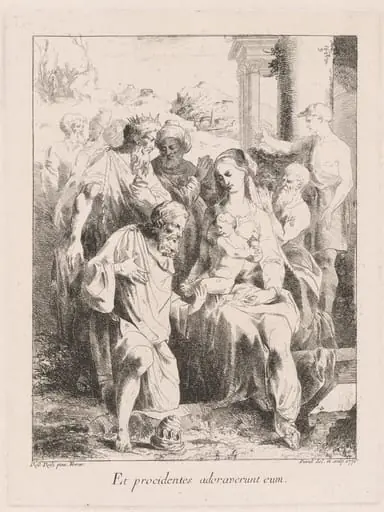 Adoration of the Magi
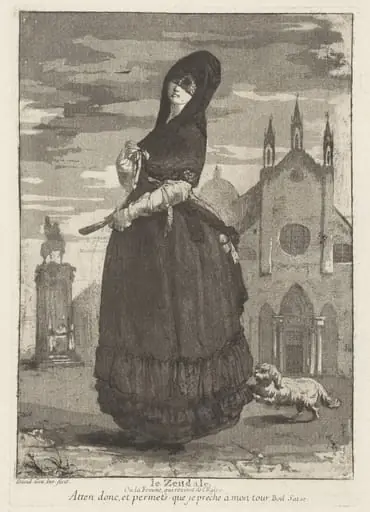 Le Zendale (Woman in a Hood, or the Woman Returning from Church)
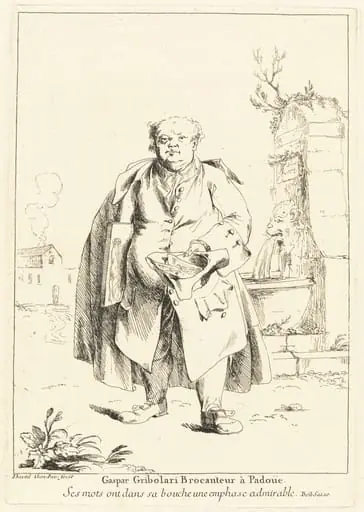 Gaspar Gribolari Brocanteur à Padoüe (Gaspar Gribolari, Secondhand Dealer in Padua)
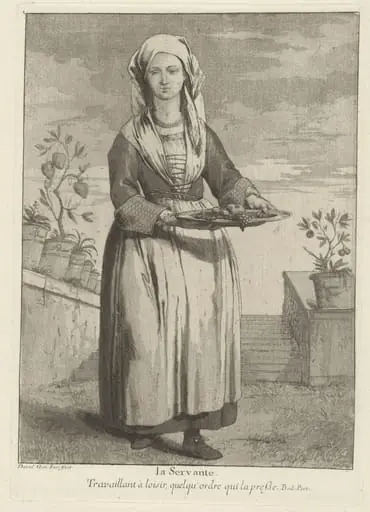 La Servante (The Servant)
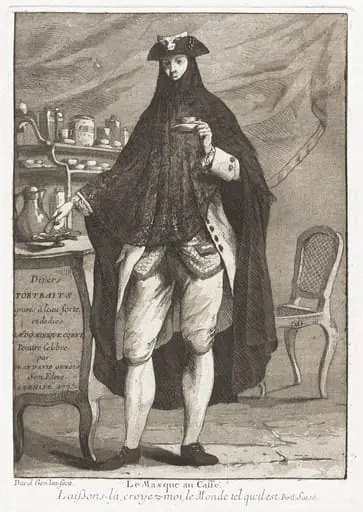 Le Masque au caffé (The Masked Man Taking Coffee)
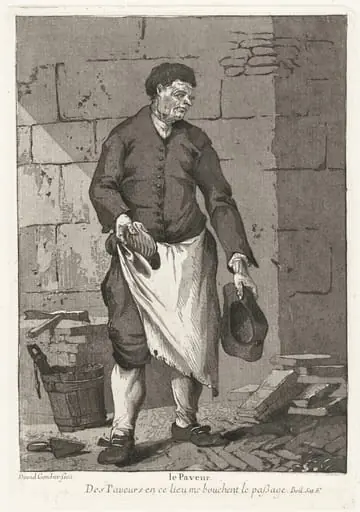 Le Paveur (The Road Paver)
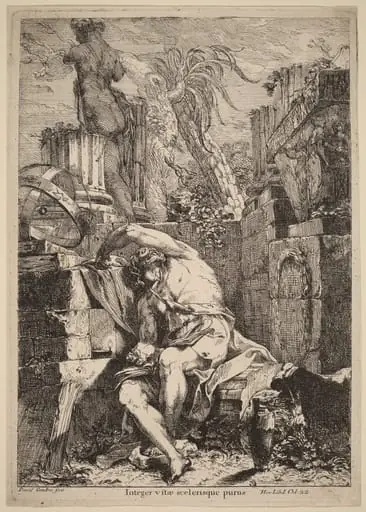 Democritus
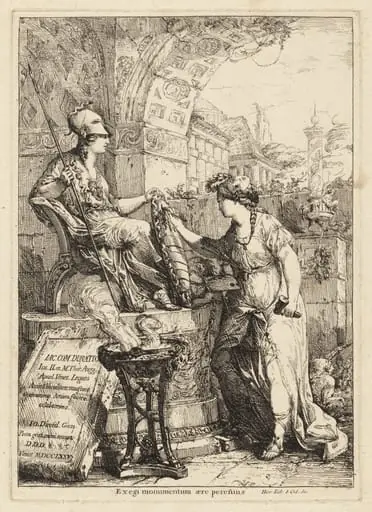 Exegi Monumentum (Art Inscribing Minerva's Shield)