Artwork
A River God and Two Classical Sculptures
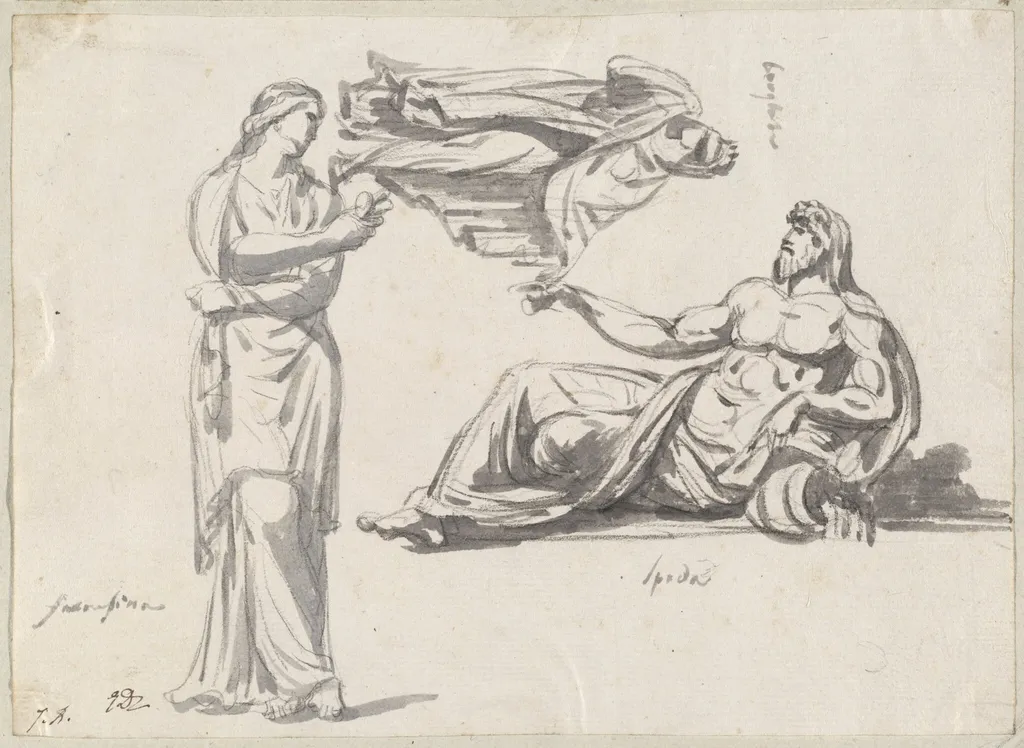
A River God and Two Classical Sculptures is a graphite drawing by the Neoclassicist artist Jacques-Louis David. It dates from 1778 and is held in the collection of the National Gallery of Art.
About this work
Overview
The composition balances naturalism and idealized form, suggesting an early engagement with antiquity that would later define his career.
Created in 1778, this drawing by Jacques-Louis David is a delicate study in gray wash and graphite on laid paper. It depicts a reclining river deity flanked by two classical statues, rendered with subtle tonal gradations and fine linear precision. The composition balances naturalism and idealized form, suggesting an early engagement with antiquity that would later define his career. Its modest scale belies its conceptual depth.
Subject & Meaning
The river god, half-naked and relaxed among rocks, embodies fluid, organic life, while the two statues behind him stand rigid and polished, representing frozen idealism. This contrast may reflect a meditation on the difference between living myth and static tradition. David does not narrate a myth but invites contemplation of how ancient forms are perceived—alive in imagination, yet inert in replication.
Technique & Style
David employed thin, translucent gray washes over light pencil underdrawing to achieve a soft, atmospheric effect. The river god’s form is gently modeled, with delicate shadows suggesting volume without harsh definition. In contrast, the statues are rendered with sharper contours and minimal tonal variation, emphasizing their artificiality. The technique mirrors the subject’s tension between vitality and stasis.
History & Provenance
Executed during David’s stay in Rome as a recipient of the Prix de Rome, the drawing stems from his intensive study of classical sculpture and landscape. It was likely a personal exercise, not a commissioned work, and remained in private hands until entering a public collection. Its survival offers rare insight into his formative years before his historical paintings gained prominence.
Context
In late 18th-century Rome, artists like David immersed themselves in ancient ruins and Renaissance interpretations of antiquity. This drawing reflects a broader intellectual current: the search for authentic classical expression beyond mere imitation. Unlike later neoclassical works that glorified heroism, here David explores quiet, introspective engagement with the past.
Legacy
Though overshadowed by his monumental historical paintings, this drawing reveals the roots of David’s classical sensibility. Its nuanced treatment of form and material foreshadows his later precision, while its restraint contrasts with the theatricality of works like *Napoleon Crossing the Alps*. It stands as a quiet testament to the artist’s early curiosity about the boundaries between nature and ideal.
Artist & collection
Artist
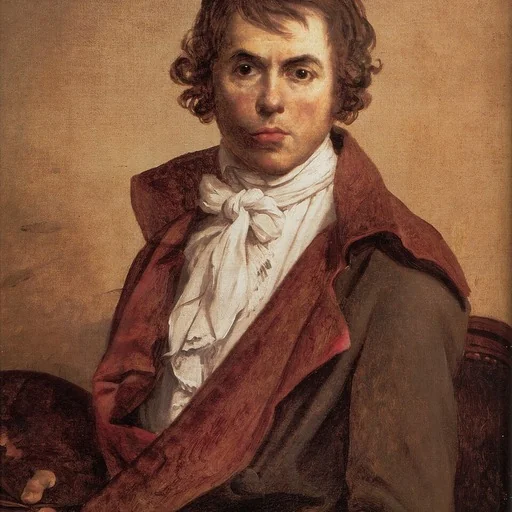
Jacques-Louis David was born in Paris on 30 August 1748 into a bourgeois family; his father died in a duel when the boy was nine, and a maternal uncle guided his education.

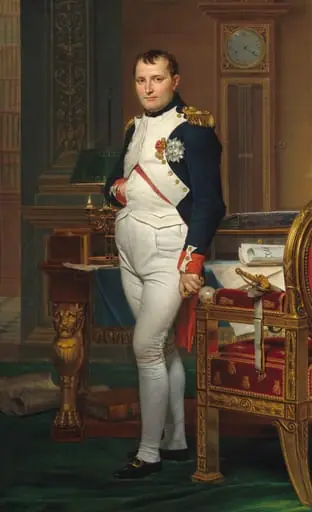 The Emperor Napoleon in His Study at the Tuileries
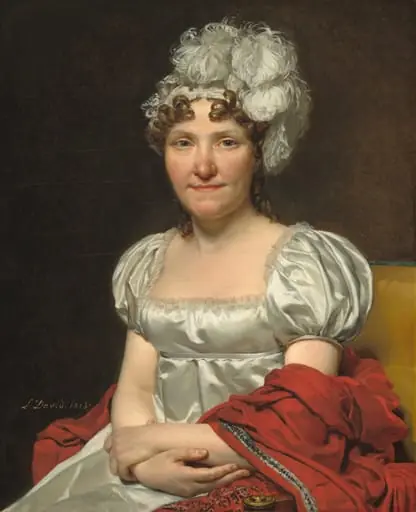 Madame David
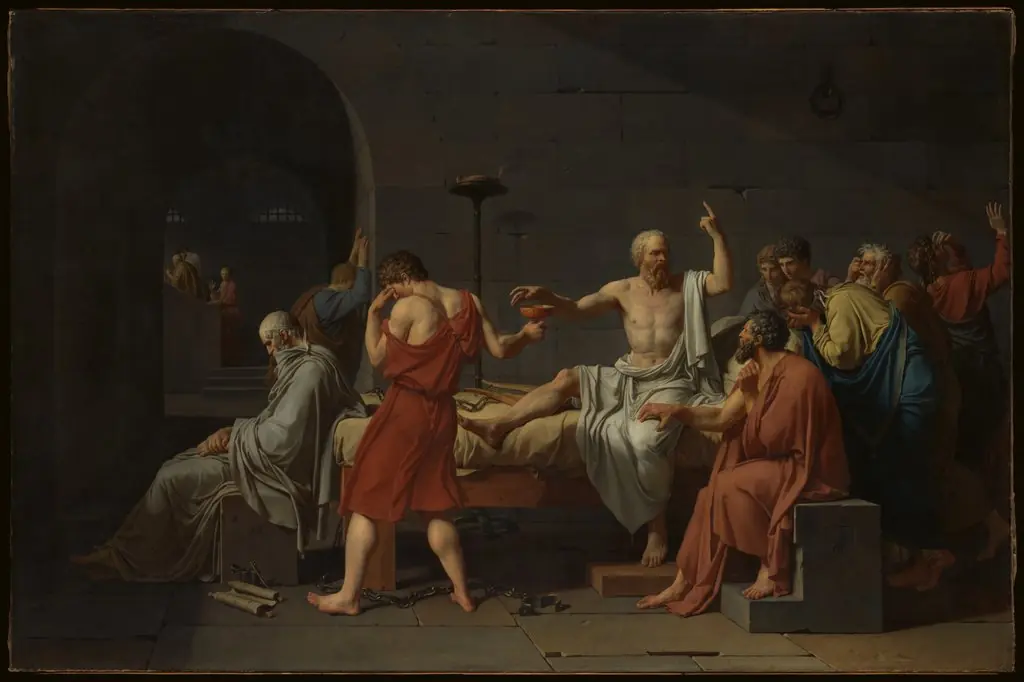 The Death of Socrates
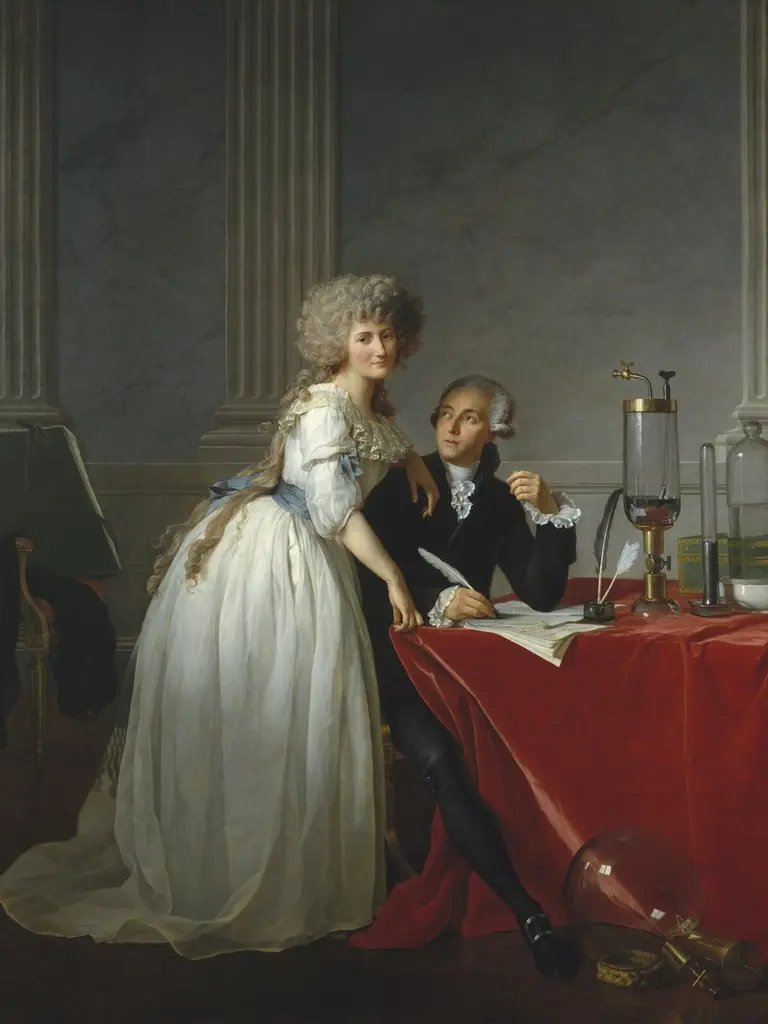 Portrait of Antoine-Laurent Lavoisier and his wife
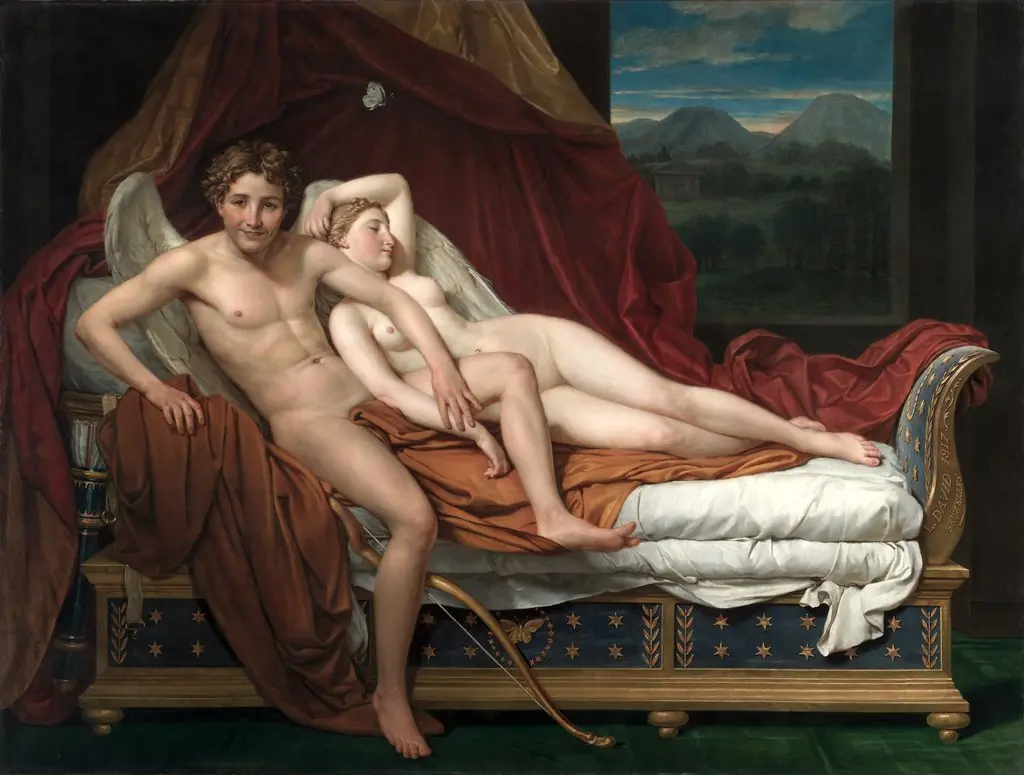 Cupid and Psyche
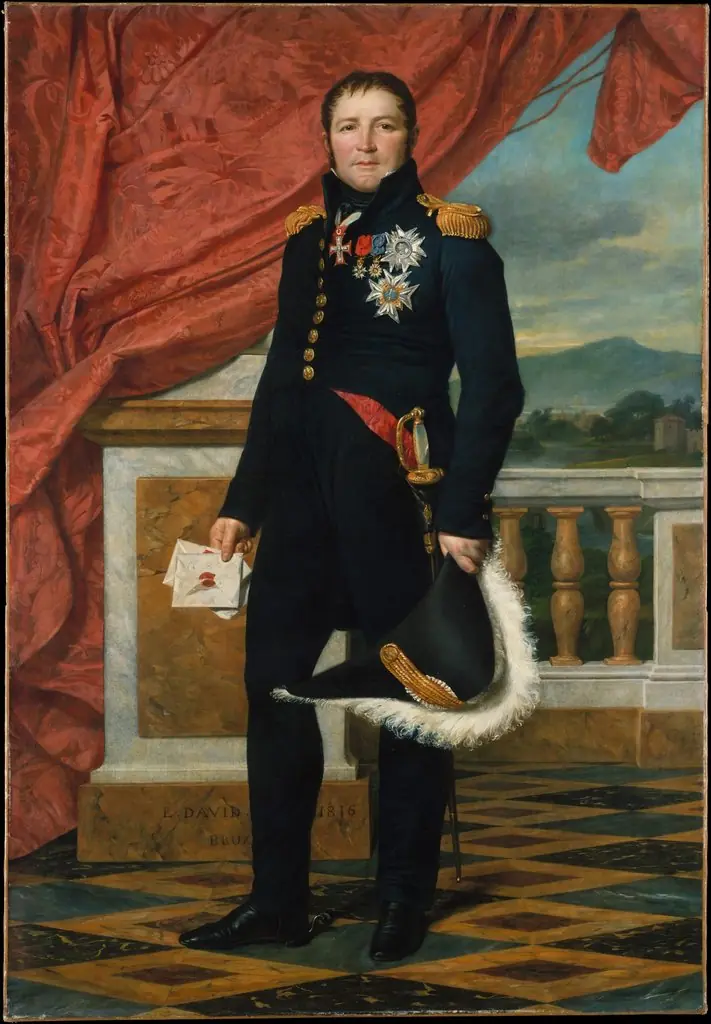 General Étienne-Maurice Gérard (1773–1852), Marshal of France
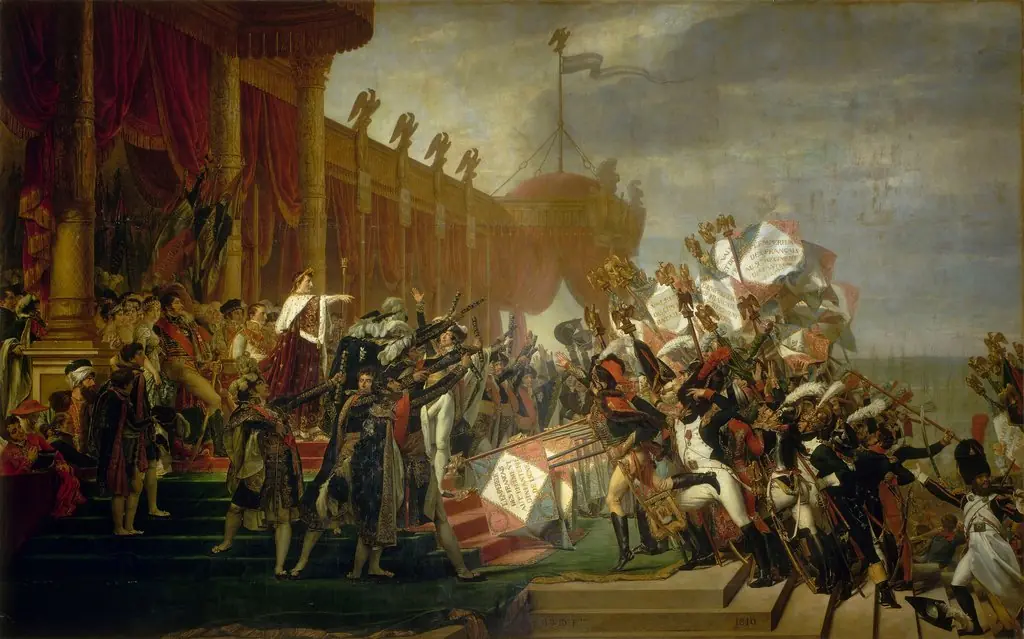 The Distribution of the Eagle Standards
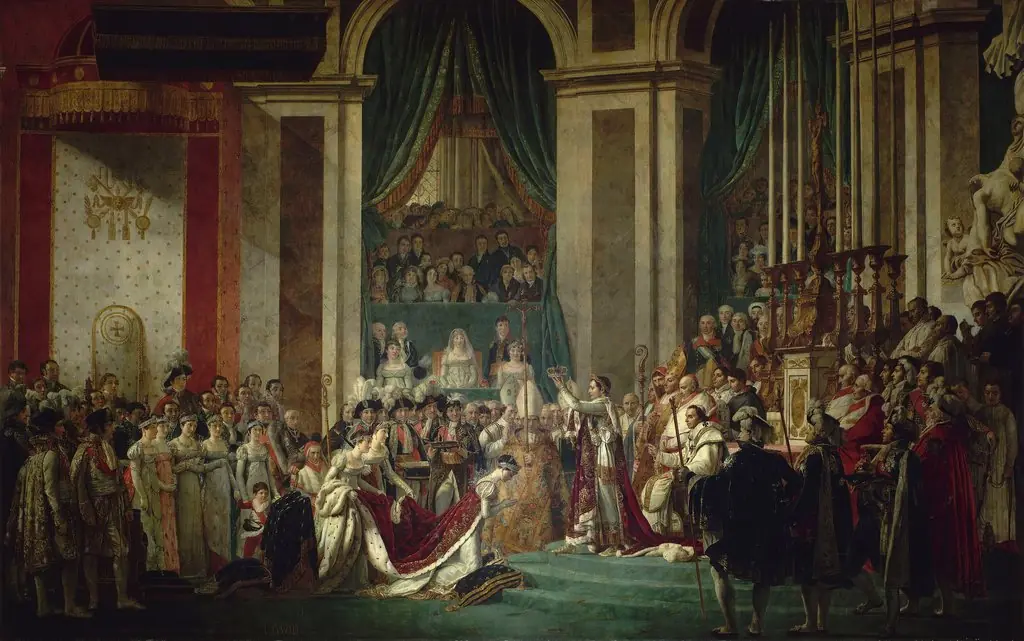 Coronation of Emperor Napoleon I and Coronation of the Empress Josephine
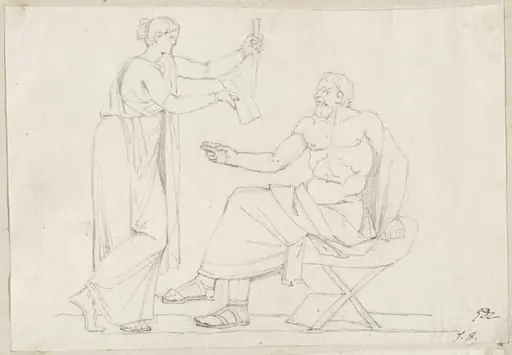 Socrates and Diotime
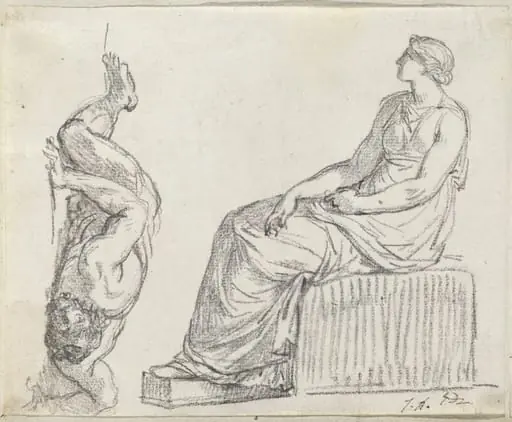 Seated Woman and Man Sprawling on the Ground
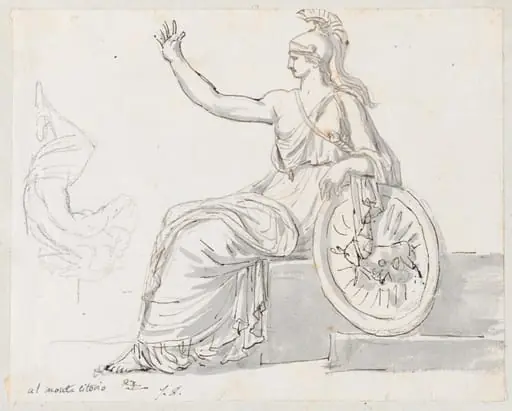 Roma, from the Base of the Antonine Column
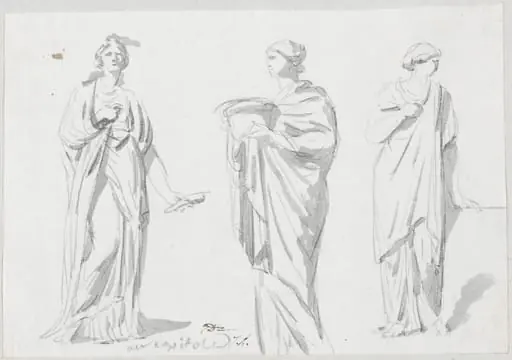 A Muse and Two Female Figures
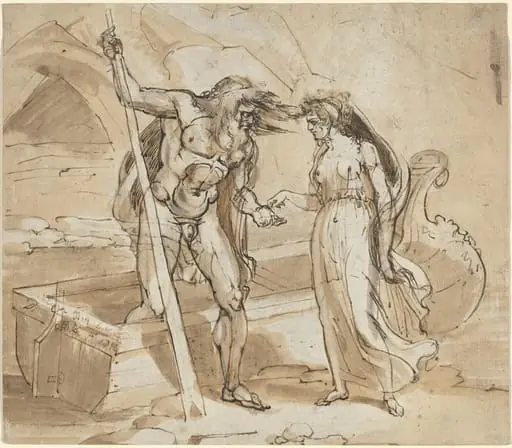 Psyche Giving Her Coin to Charon
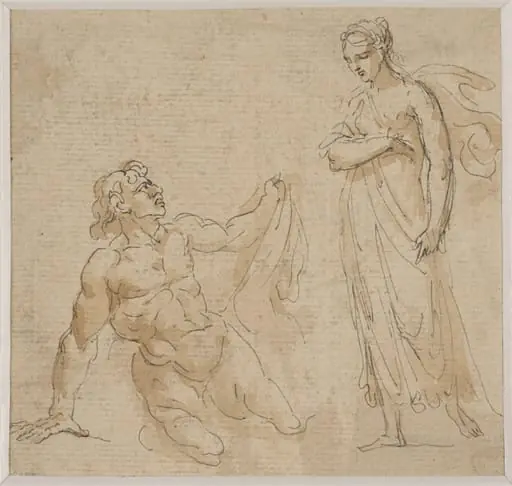 A woman approaching a kneeling man
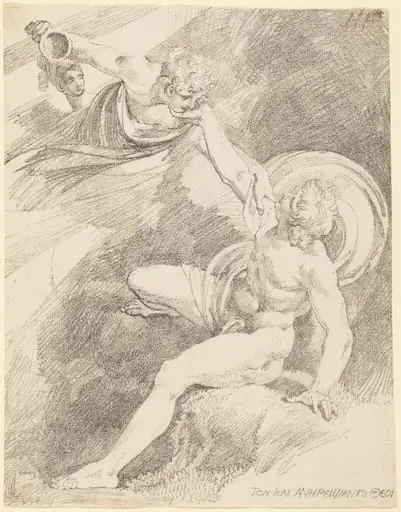 The Rape of Ganymede
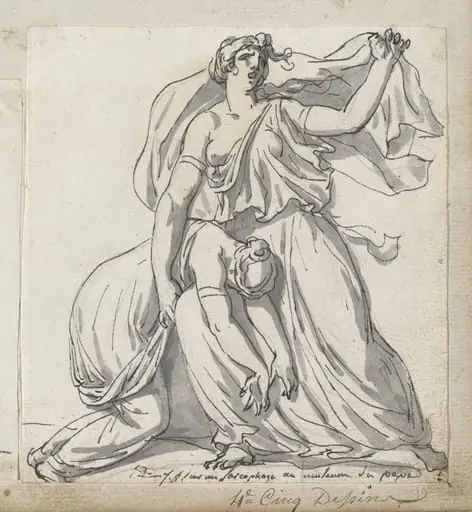 Niobe and Her Daughter
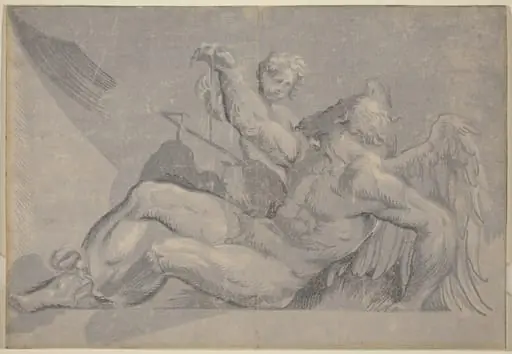 Saturn
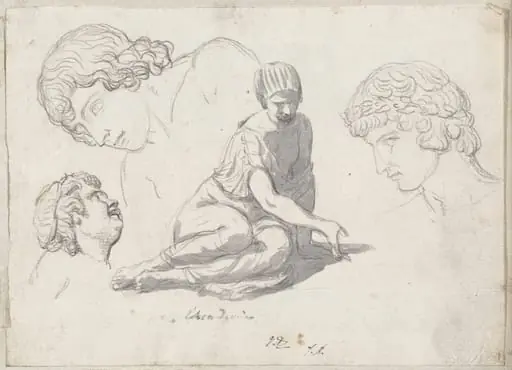 Dice-Thrower and Other Studies after Ancient Sculptures
![Statue of Jupiter, Seated [recto], by Hubert Robert](https://artifactworldgallery.com/img/hubert-robert--statue-of-jupiter-seated-recto--c8c32a4d67e7a964-w320.webp) Statue of Jupiter, Seated [recto]
Statue of Jupiter, Seated [recto]![Two Studies of the Statue of Alexander and Bucephalus [verso], by Hubert Robert](https://artifactworldgallery.com/img/hubert-robert--two-studies-of-the-statue-of-alexander-and-bucephalus-verso--c8baec3f622cceea-w320.webp) Two Studies of the Statue of Alexander and Bucephalus [verso]
Two Studies of the Statue of Alexander and Bucephalus [verso]