Artwork
Socrates and Diotime
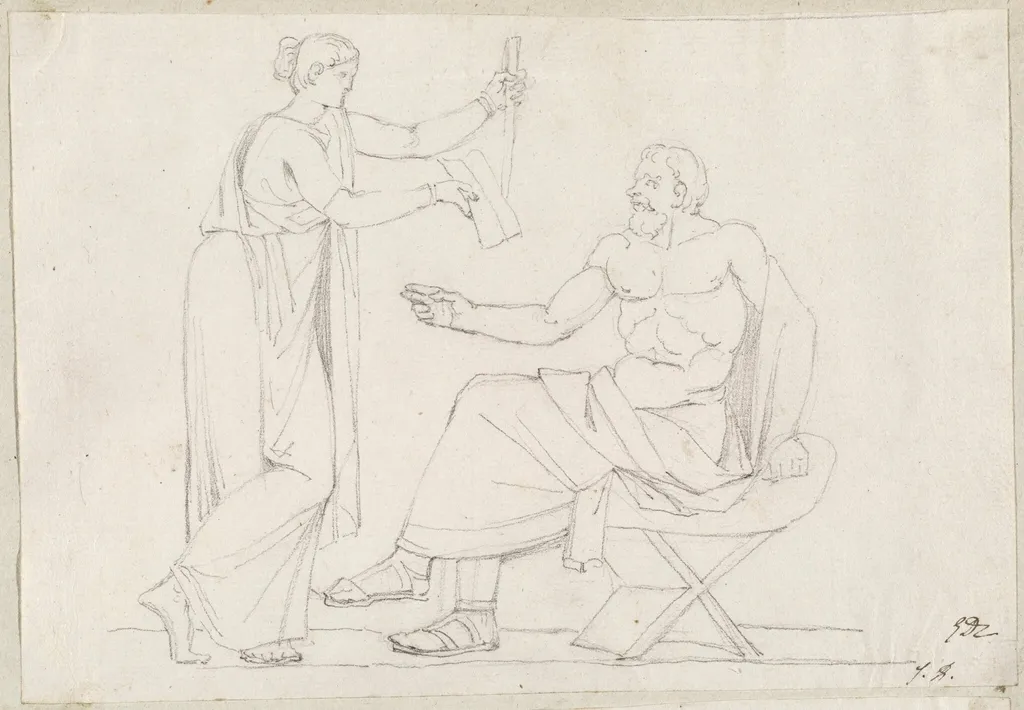
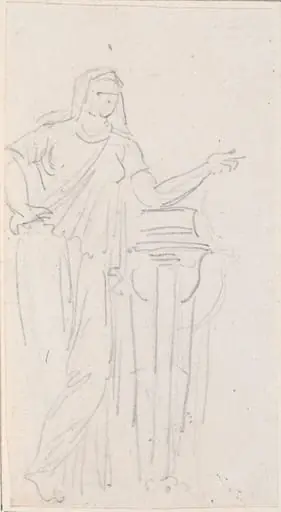
Socrates and Diotime is a graphite drawing by the Neoclassicist artist Jacques-Louis David. It dates from 1778 and is held in the collection of the National Gallery of Art.
About this work
Overview
The medium and scale align with David’s preparatory studies for larger works, reflecting his engagement with classical themes during his early career.
This graphite drawing on laid paper, dated 1778, is attributed to Jacques-Louis David. It depicts a seated male figure facing a standing female figure, both rendered with precise linear detail. The composition centers on their physical and spatial relationship, suggesting a moment of intellectual exchange. The medium and scale align with David’s preparatory studies for larger works, reflecting his engagement with classical themes during his early career.
Subject & Meaning
The figures are interpreted as Socrates and Diotima, a philosopher and his spiritual guide from Plato’s Symposium. Diotima, holding a staff and scroll, is shown instructing Socrates, who listens with focused attention. The scene illustrates the transmission of philosophical knowledge, particularly ideas on love and virtue. David’s choice of subject reflects his interest in classical antiquity as a source of moral and intellectual authority.
Technique & Style
Executed in graphite, the drawing emphasizes clear contours and subtle tonal gradations to define form and volume. The figures are rendered with anatomical precision, and drapery is suggested through flowing lines rather than heavy shading. The background is left largely empty, directing focus to the interaction between the two figures. The style is restrained and linear, characteristic of David’s Neoclassical approach rather than Romanticism.
History & Provenance
Created during David’s time in Rome as a recipient of the Prix de Rome, the drawing likely served as a study for a planned painting or as an exercise in classical composition. It remained in the artist’s possession until his death, later entering institutional collections. Its survival offers insight into David’s working methods and his engagement with ancient texts during his formative years.
Context
In the late 1770s, David was immersed in the study of ancient Greek and Roman art and literature, a pursuit encouraged by the French Academy. Drawings like this were essential for training artists to convey idealized human forms and moral narratives. The choice of Diotima—a less common figure in visual art—demonstrates David’s engagement with philosophical sources beyond mainstream mythological subjects.
Legacy
This drawing exemplifies David’s early commitment to classical themes and his disciplined approach to figure study. Though not widely exhibited during his lifetime, it contributes to understanding the intellectual foundations of his later historical paintings. It remains a key example of how Enlightenment ideals shaped artistic practice in pre-Revolutionary France.
Artist & collection
Artist
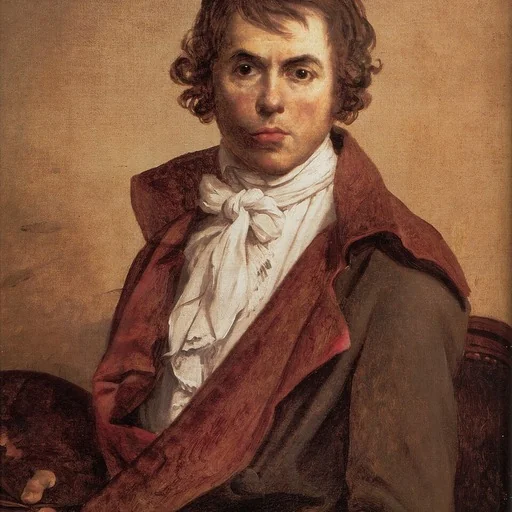
Jacques-Louis David was born in Paris on 30 August 1748 into a bourgeois family; his father died in a duel when the boy was nine, and a maternal uncle guided his education.

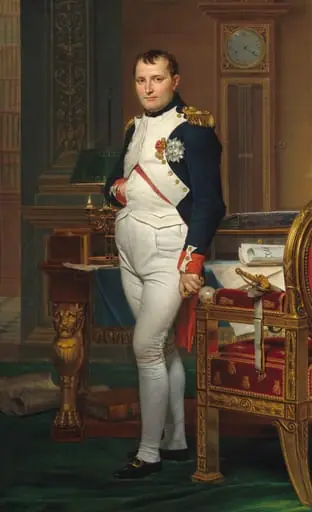 The Emperor Napoleon in His Study at the Tuileries
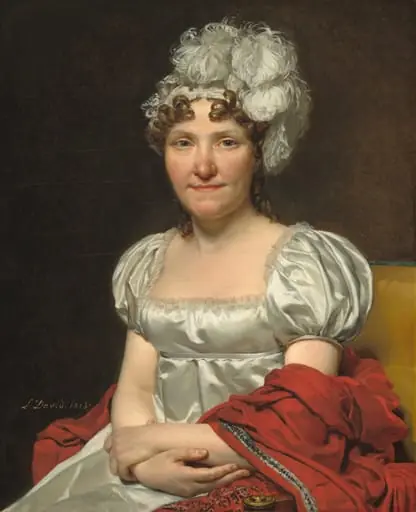 Madame David
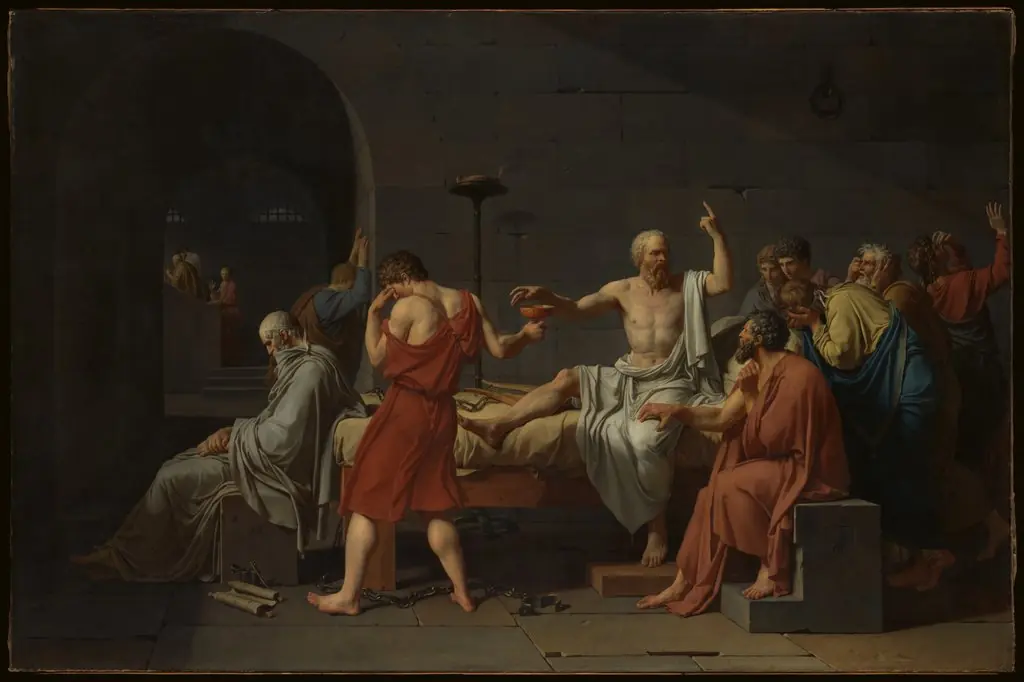 The Death of Socrates
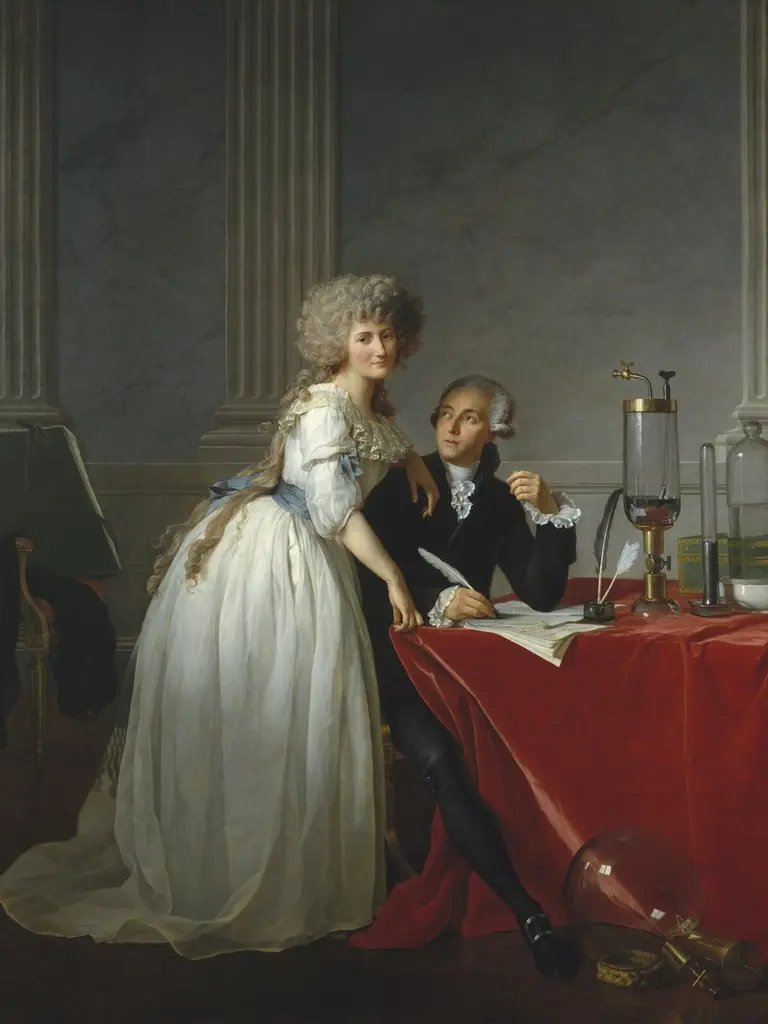 Portrait of Antoine-Laurent Lavoisier and his wife
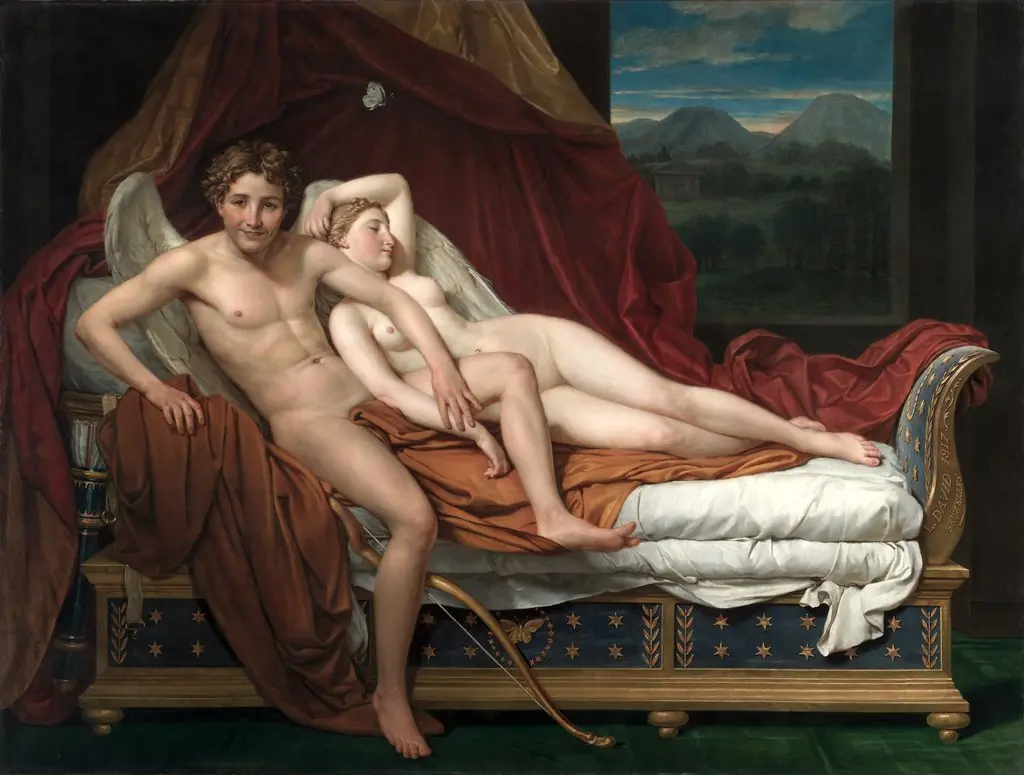 Cupid and Psyche
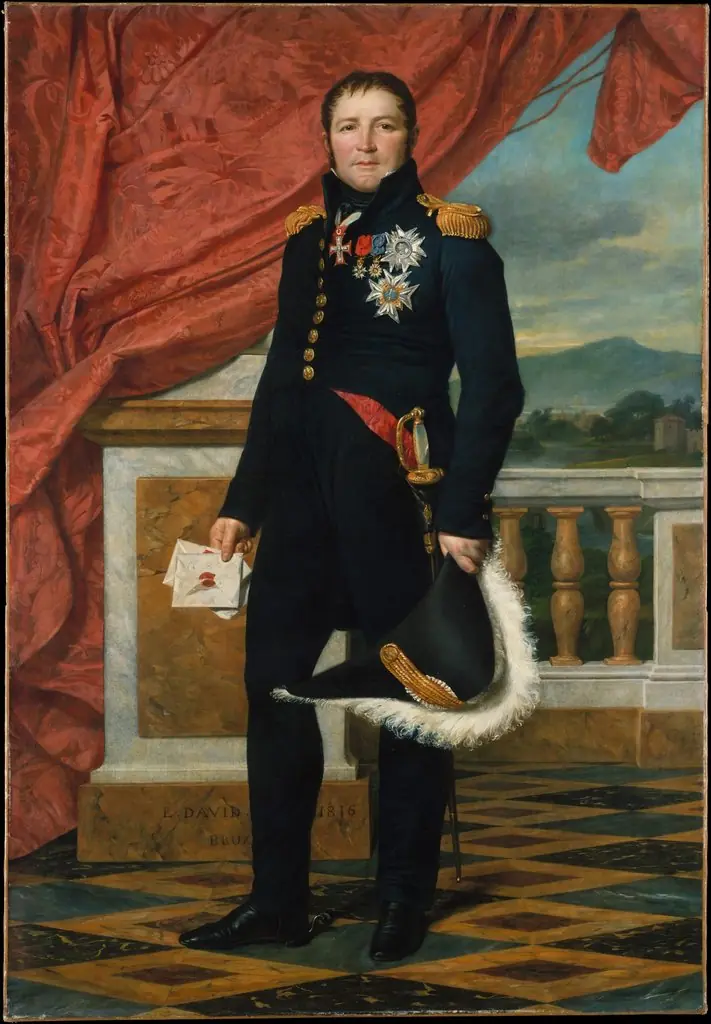 General Étienne-Maurice Gérard (1773–1852), Marshal of France
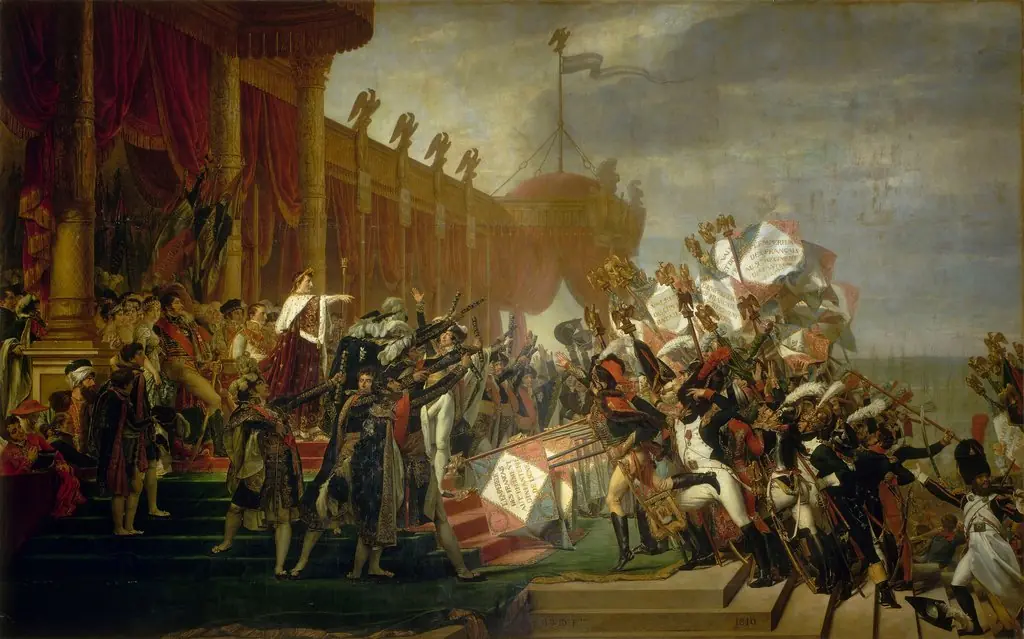 The Distribution of the Eagle Standards
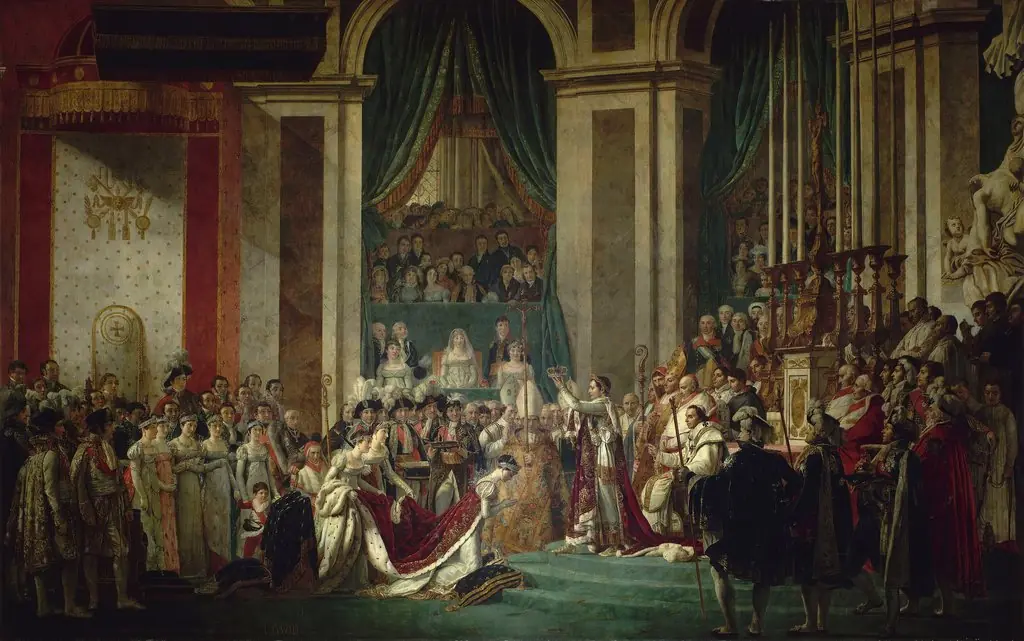 Coronation of Emperor Napoleon I and Coronation of the Empress Josephine
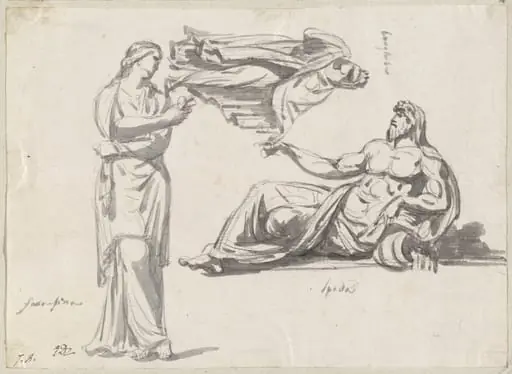 A River God and Two Classical Sculptures
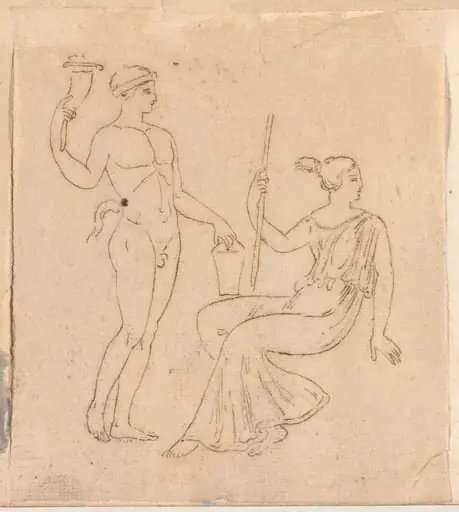 Man with a Cornucopia and Seated Woman
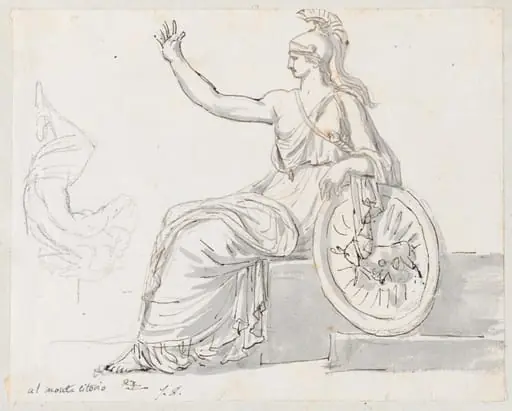 Roma, from the Base of the Antonine Column
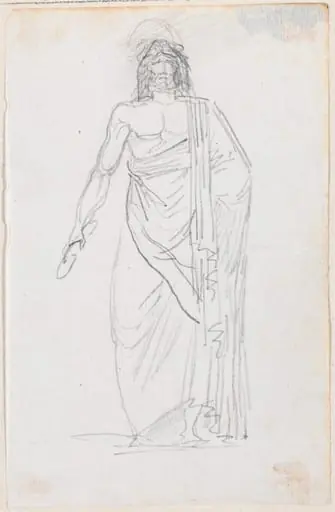 Statue of Zeus Holding a Thunderbolt
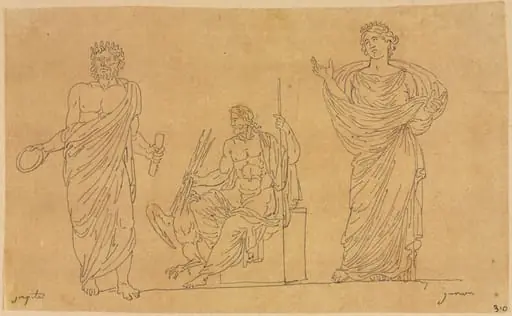 Gods and Goddess
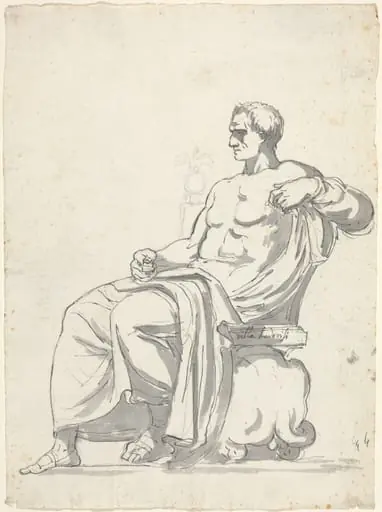 The Ludovisi Menander
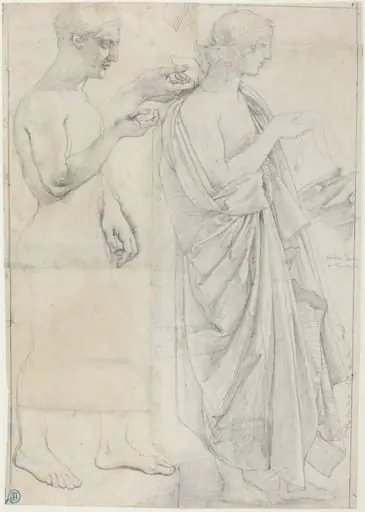 Two Studies of Virgil
![Statue of Jupiter, Seated [recto], by Hubert Robert](https://artifactworldgallery.com/img/hubert-robert--statue-of-jupiter-seated-recto--c8c32a4d67e7a964-w320.webp) Statue of Jupiter, Seated [recto]
Statue of Jupiter, Seated [recto]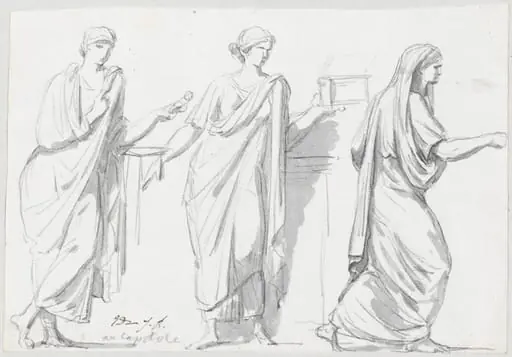 Figures from the Sarcophagus of the Muses
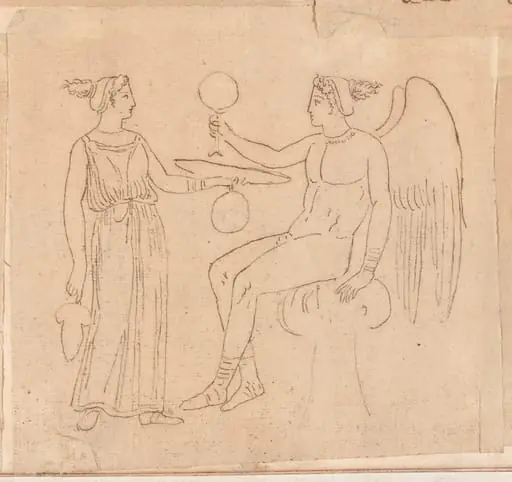 Two Figures with a Mirror
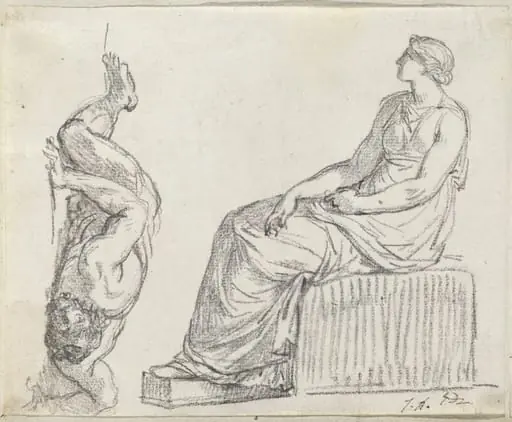 Seated Woman and Man Sprawling on the Ground
 Statue of a Vestal Virgin