Artwork
Ornament with a Bearded Man in Ancient Dress
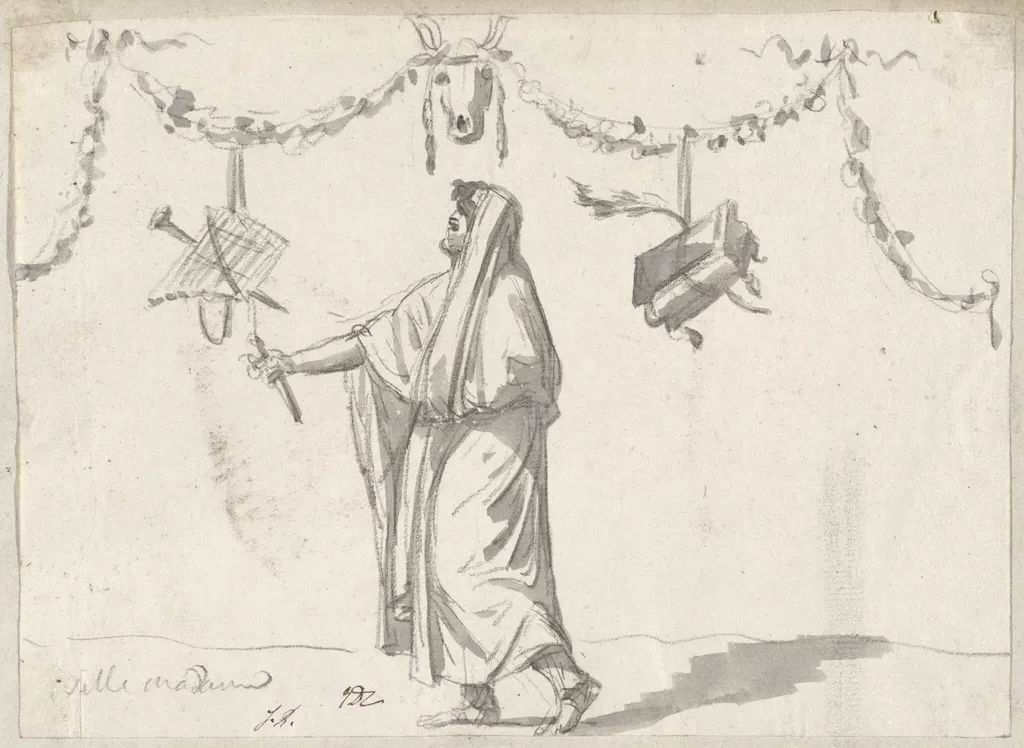
Ornament with a Bearded Man in Ancient Dress is a graphite drawing by the Neoclassicist artist Jacques-Louis David. It dates from 1778 and is held in the collection of the National Gallery of Art.
About this work
Overview
Created in 1778, Ornament with a Bearded Man in Ancient Dress is a preparatory drawing by Jacques-Louis David executed in graphite and gray wash on laid paper.
Created in 1778, Ornament with a Bearded Man in Ancient Dress is a preparatory drawing by Jacques-Louis David executed in graphite and gray wash on laid paper. The work depicts a solitary male figure clad in a long, classical robe, holding a staff in his right hand while standing before a wall decorated with various antiquarian objects. Rendered with precise linear definition and subtle tonal modeling, the sketch demonstrates David's rigorous study of drapery and anatomical structure, hallmarks of his Neoclassical approach. This piece originates from a pivotal period in the artist's career, following his return from Rome where he immersed himself in the study of ancient sculpture and Renaissance masters. The drawing reflects his commitment to historical accuracy and the moral gravity associated with antiquity, themes that would soon define his major oil paintings such as The Oath of the Horatii. Rather than a finished composition, the work functions as a study of costume and pose, illustrating David's method of constructing idealized figures through direct observation of classical models. It stands as a testament to the artist's transition toward the severe, disciplined aesthetic that would come to dominate French art in the late eighteenth century.
Subject & Meaning
The central figure is a bearded man clothed in a long, draped robe, holding a staff in his right hand. The attire and demeanor suggest an archetype drawn from antiquity—perhaps a philosopher, sage, or mythic hero—situated against a backdrop of ornamental objects that emphasize his timeless, scholarly presence.
Technique & Style
David employs a restrained palette of graphite lines combined with a subtle gray wash, allowing the texture of the laid paper to contribute to the overall tonal depth. Cross‑hatching and delicate shading model the folds of the robe and the contours of the face, while the wash adds atmospheric shading to the background, creating a balanced, draft‑like quality.
History & Provenance
Created in the late 1770s, the drawing belongs to David’s formative period, when he was still absorbing the academic training of the French Royal Academy. The work has remained in private collections before entering a museum inventory, where it is catalogued as an example of his preparatory studies that prefigure his later, larger compositions.
Artist & collection
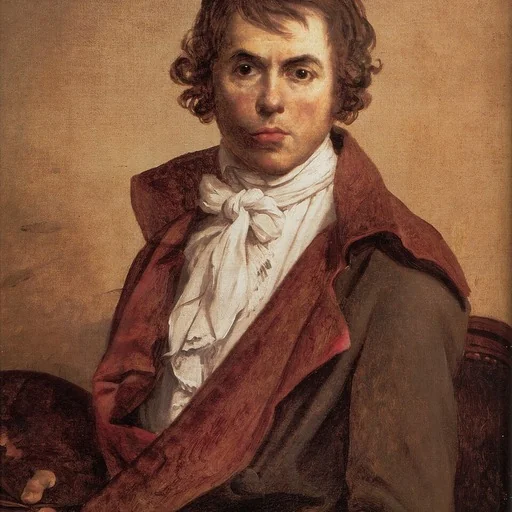
Artist
Jacques-Louis David was born in Paris on 30 August 1748 into a bourgeois family; his father died in a duel when the boy was nine, and a maternal uncle guided his education.

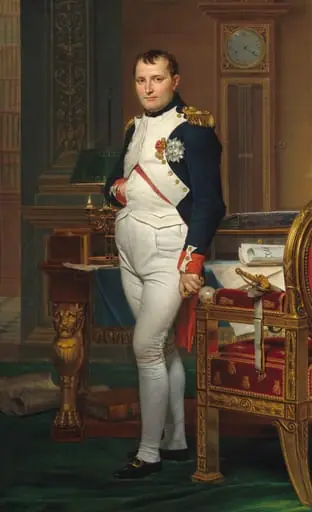 The Emperor Napoleon in His Study at the Tuileries
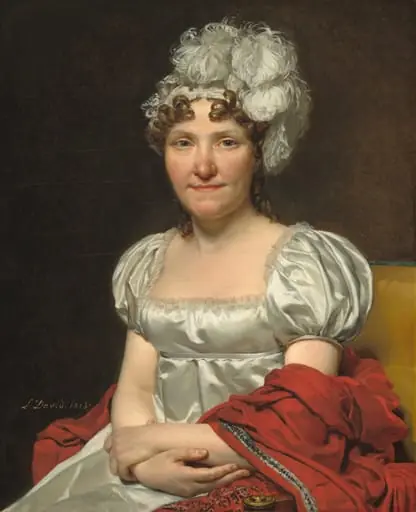 Madame David
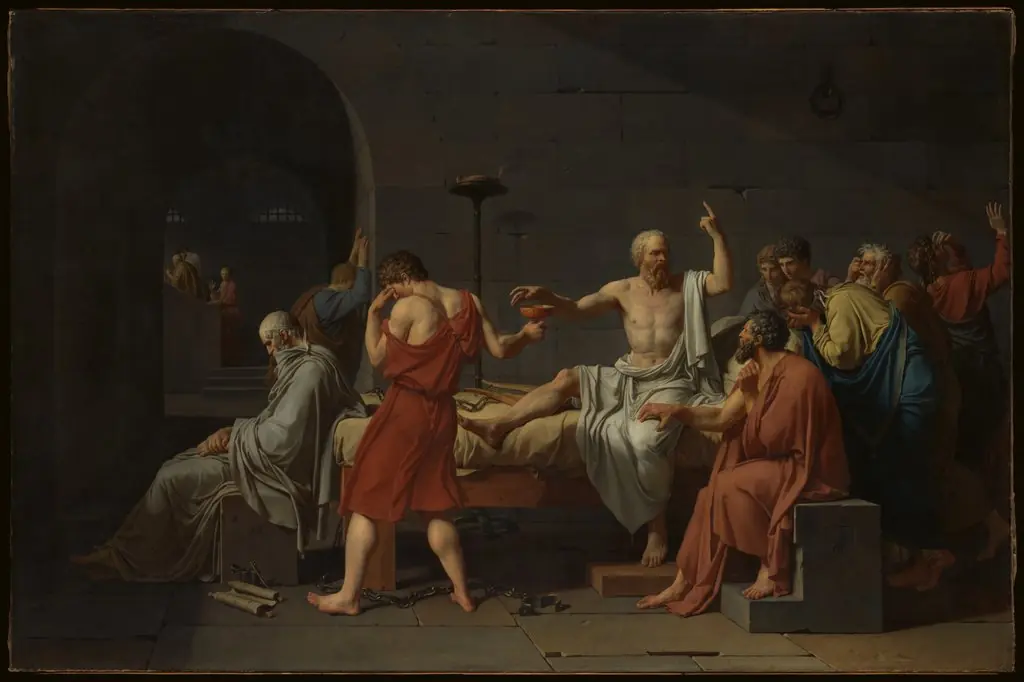 The Death of Socrates
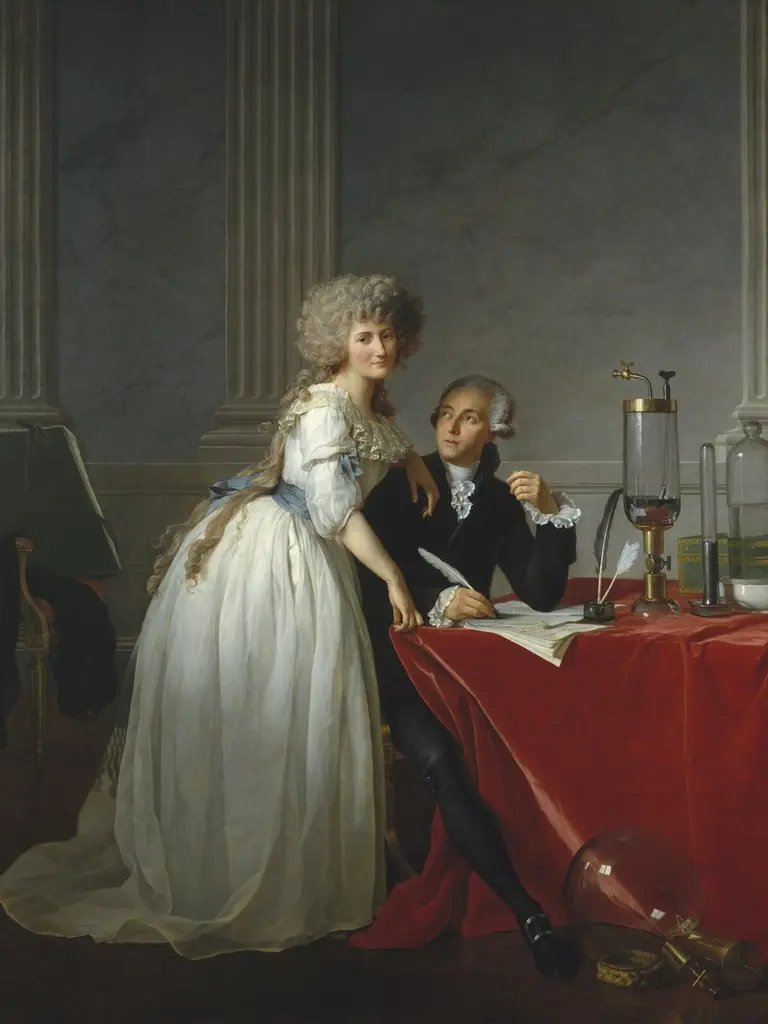 Portrait of Antoine-Laurent Lavoisier and his wife
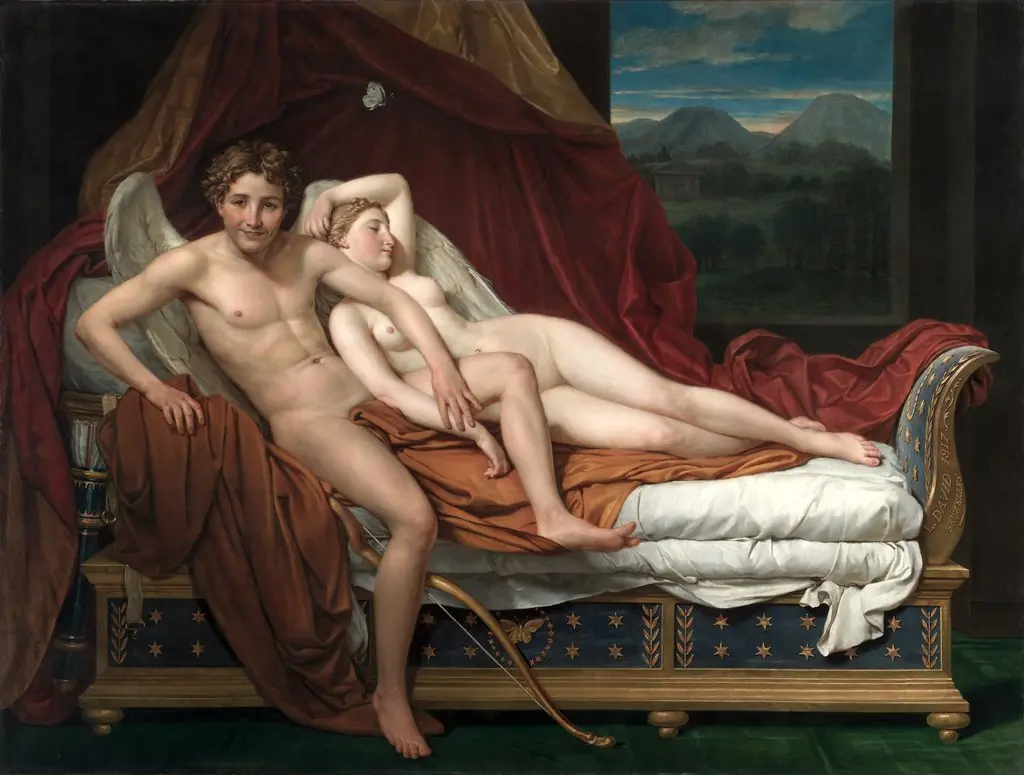 Cupid and Psyche
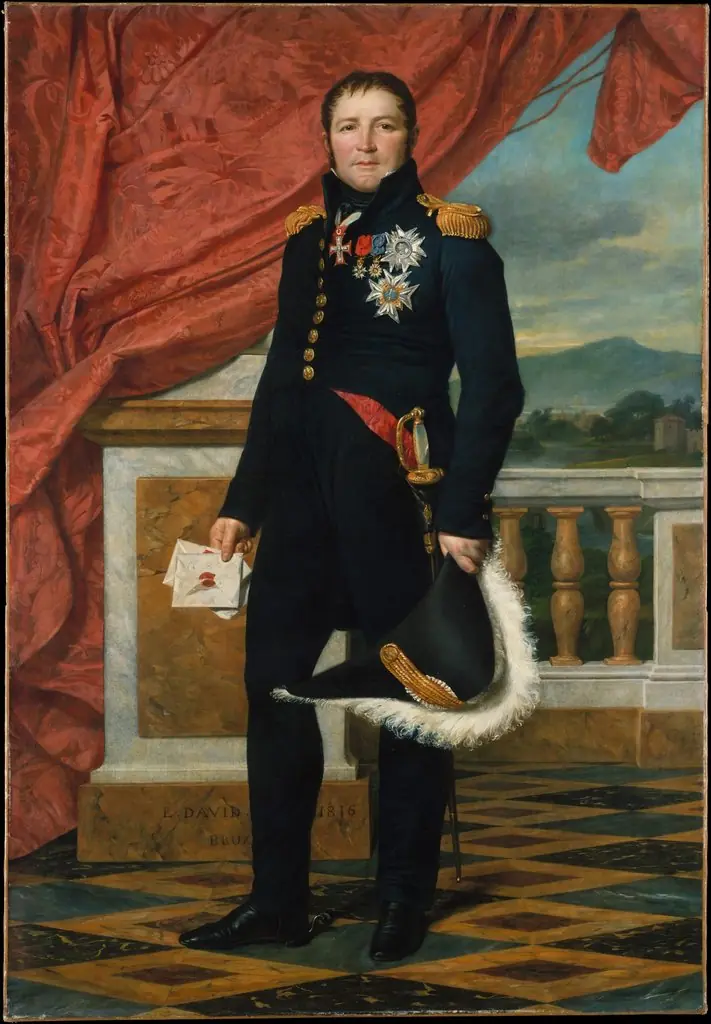 General Étienne-Maurice Gérard (1773–1852), Marshal of France
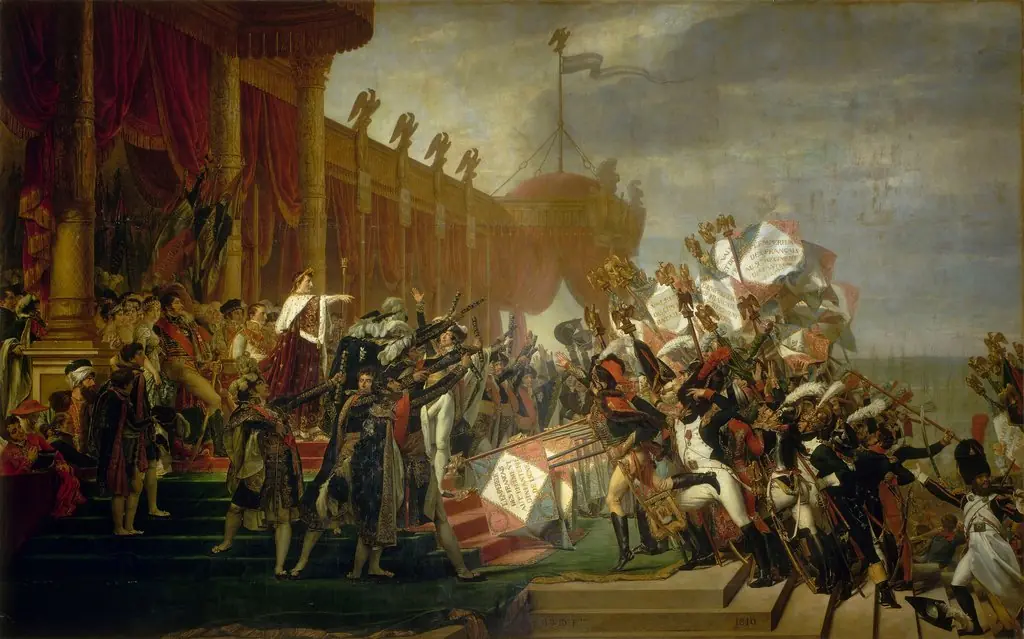 The Distribution of the Eagle Standards
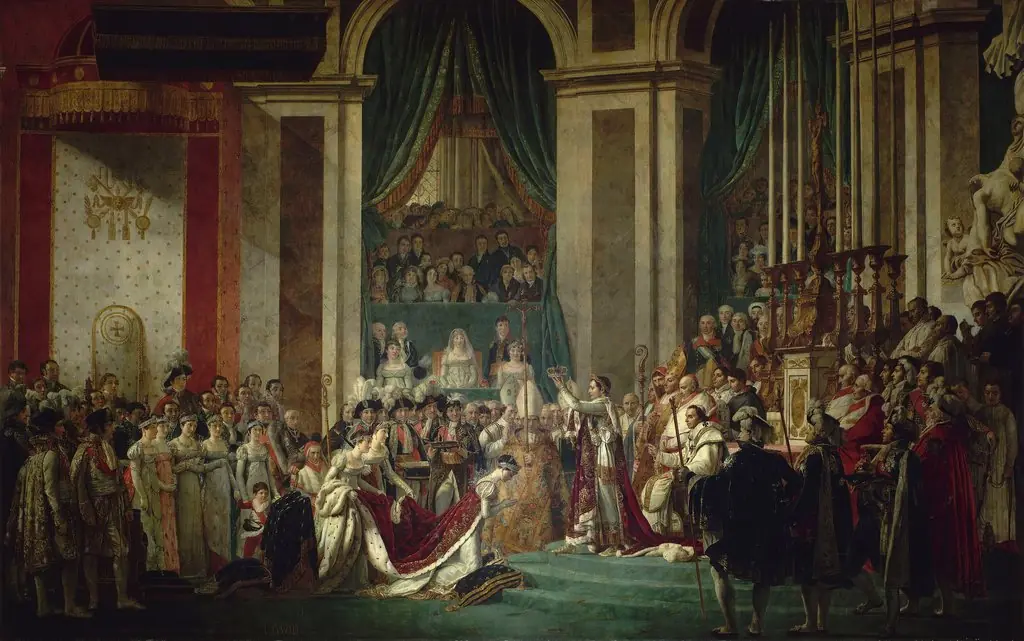 Coronation of Emperor Napoleon I and Coronation of the Empress Josephine
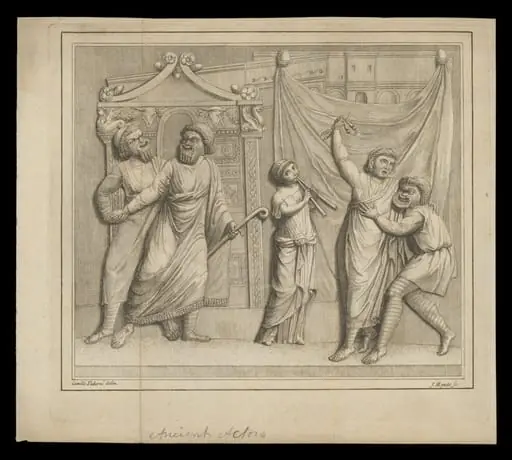 H Beard Print Collection
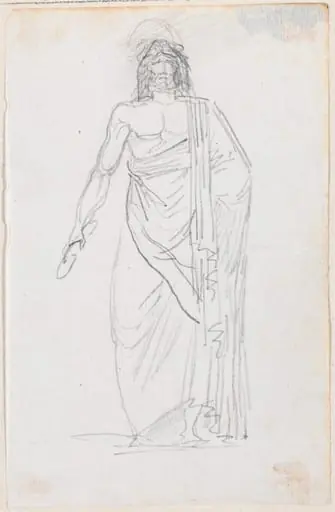 Statue of Zeus Holding a Thunderbolt
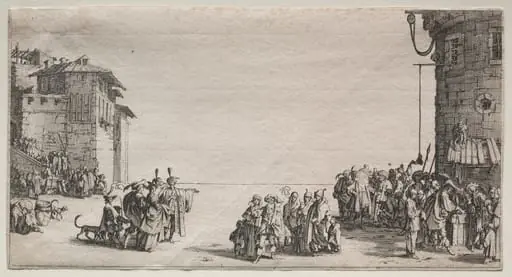 The Slave Market
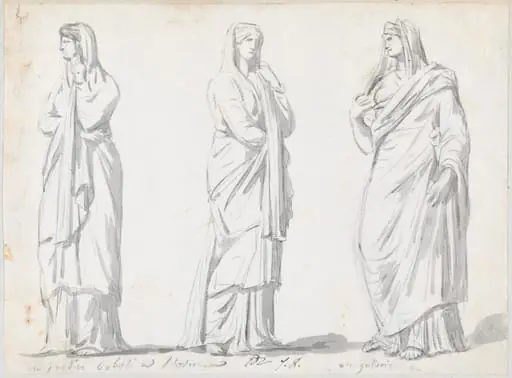 Three Draped Women from the Boboli Gardens and the Uffizi
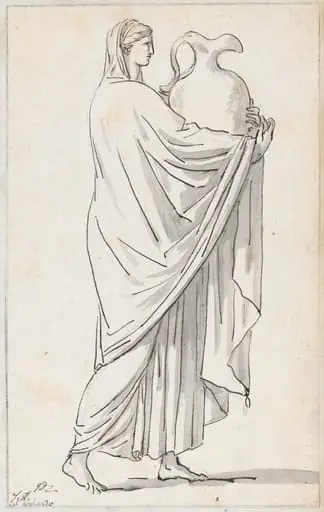 Woman with a Pitcher, from the Palazzo Mattei
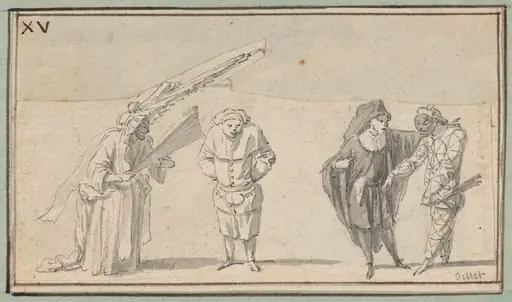 Four Commedia dell'Arte Figures: Harlequin "en femme," Mezzetin(?), Scaramouche, and Harlequin
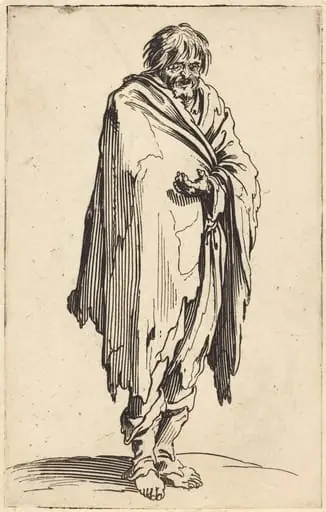 Beggar with Bare Head and Feet
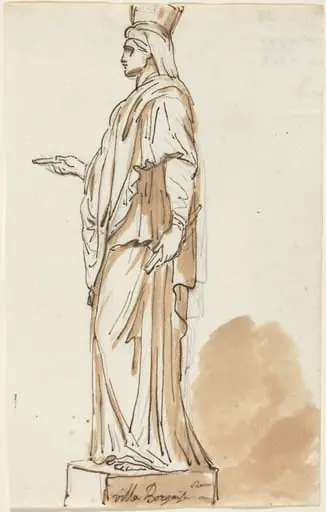 The Borghese Cybele
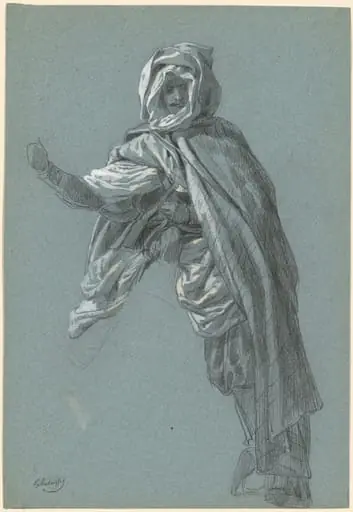 An Arab Rider on Camelback
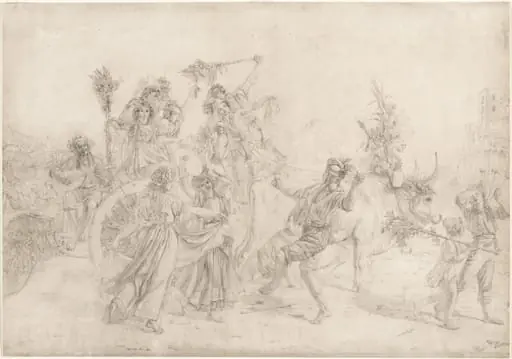 Pilgrims Returning from the Feast Day of the Madonna dell'Arco
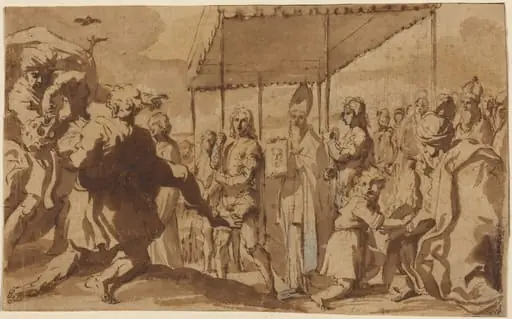 The Healing of the Possessed Boy in a Procession of the Volto Santo
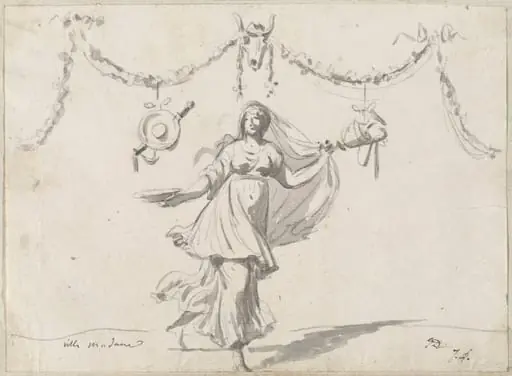 Ornament with a Woman in Ancient Dress