Artwork
Roman Statue of a Standing Woman
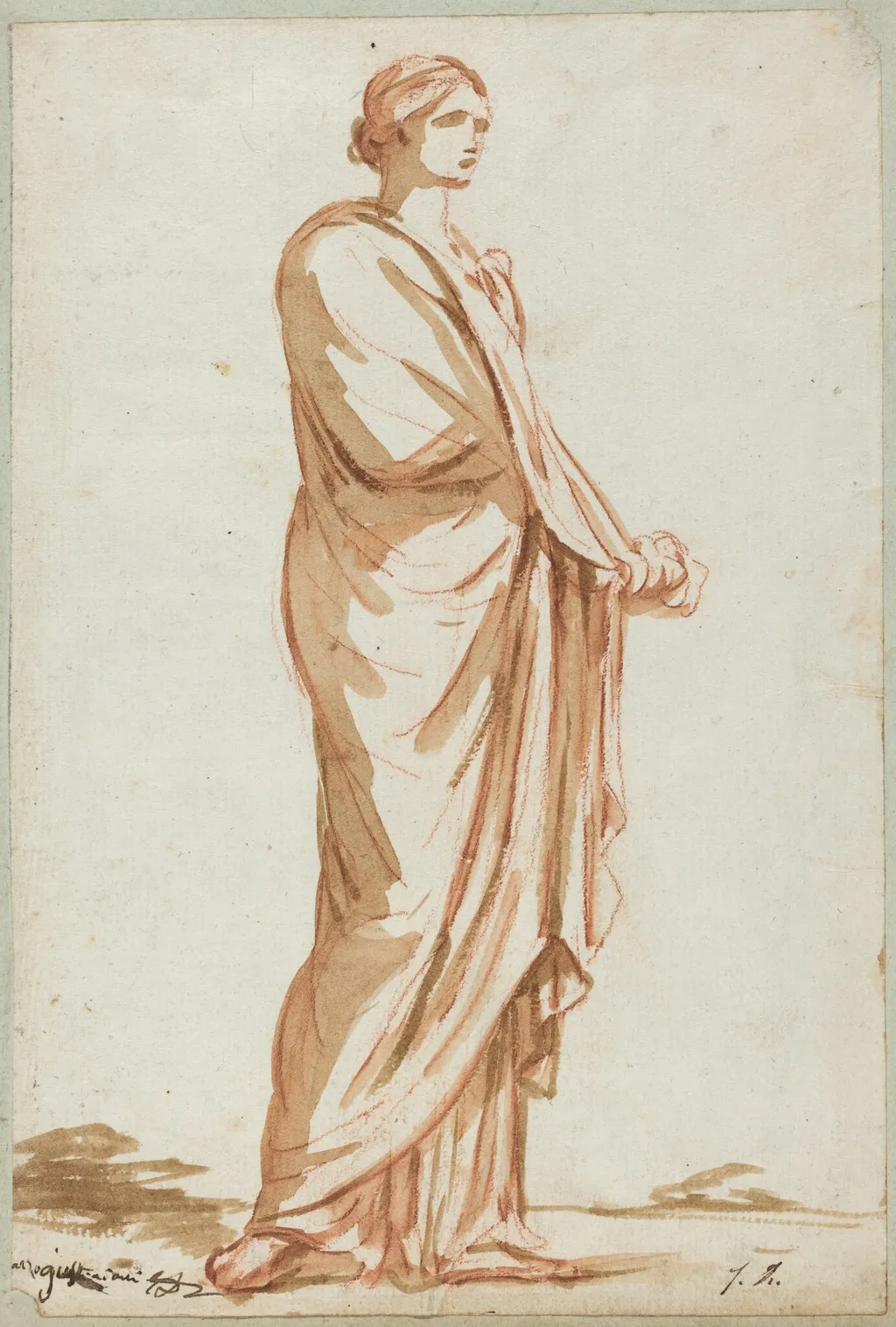
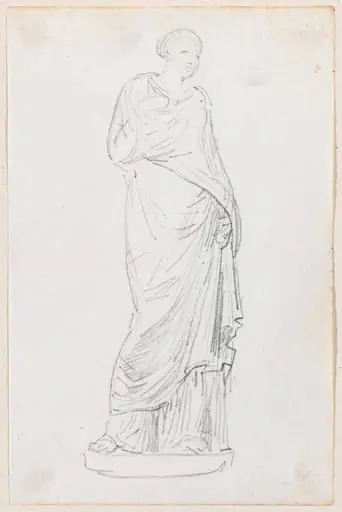
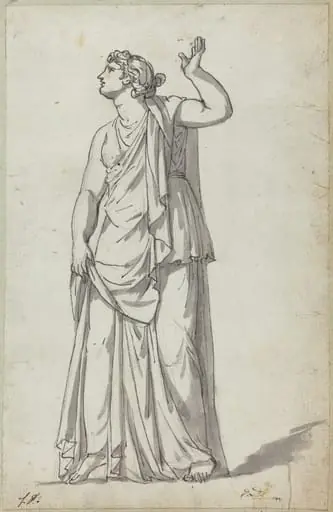
Roman Statue of a Standing Woman is a chalk drawing by the Baroque artist Jacques-Louis David. It dates from 1786 and is held in the collection of the National Gallery of Art.
About this work
Overview
Jacques‑Louis David’s drawing, titled Roman Statue of a Standing Woman, dates from 1786. Executed on laid paper, the work combines red chalk with a brown wash to delineate a solitary female figure rendered in a classical pose.
Subject & Meaning
The composition depicts a woman standing in a flowing robe, her head turned toward the right. The drapery is modeled with naturalistic folds, emphasizing the graceful contour of the neck and the serene bearing of the figure.
Technique & Style
David employs red chalk to outline the anatomy and fabric, while a brown wash adds tonal depth and a sense of volume. The handling of line and wash reflects the academic drawing practices of the late eighteenth century, with attention to chiaroscuro that hints at Baroque influences without fully embracing its theatricality.
History & Provenance
Created in 1786, the drawing belongs to David’s early period, preceding his revolutionary political works. It remains in a private collection, having been documented in the artist’s catalogue raisonné and referenced in scholarly studies of his preparatory studies for larger compositions.
Own this work as a print
Artist & collection

Artist
Jacques-Louis David was born in Paris on 30 August 1748 into a bourgeois family; his father died in a duel when the boy was nine, and a maternal uncle guided his education.

 The Emperor Napoleon in His Study at the Tuileries
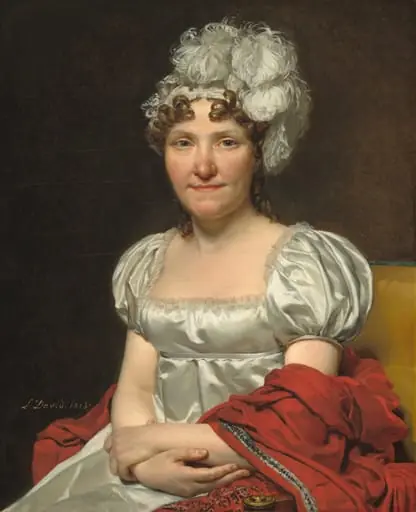 Madame David
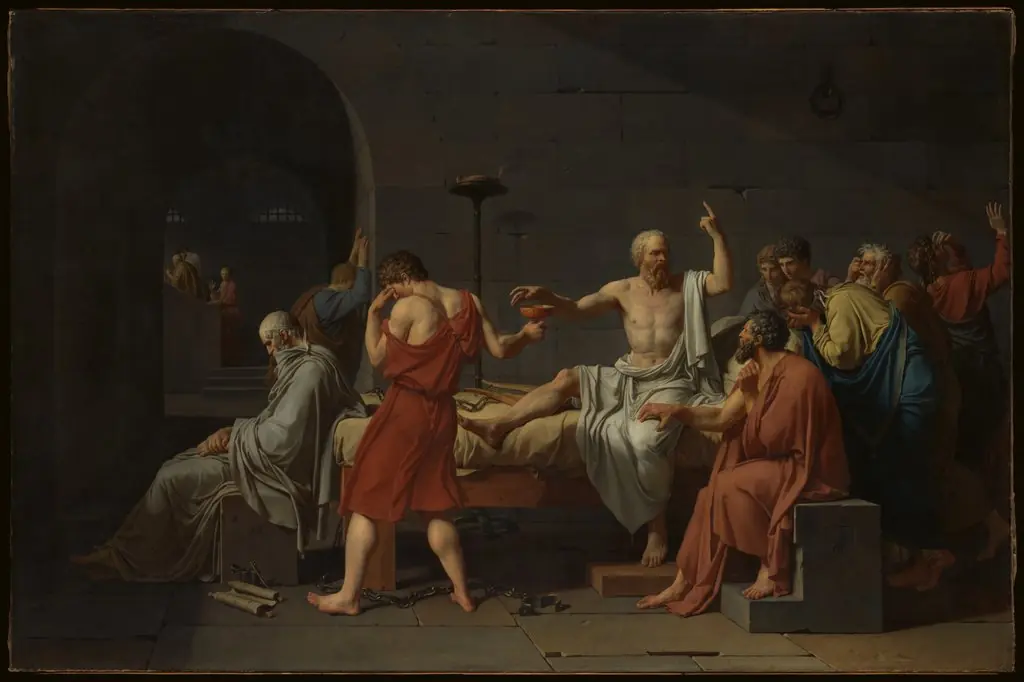 The Death of Socrates
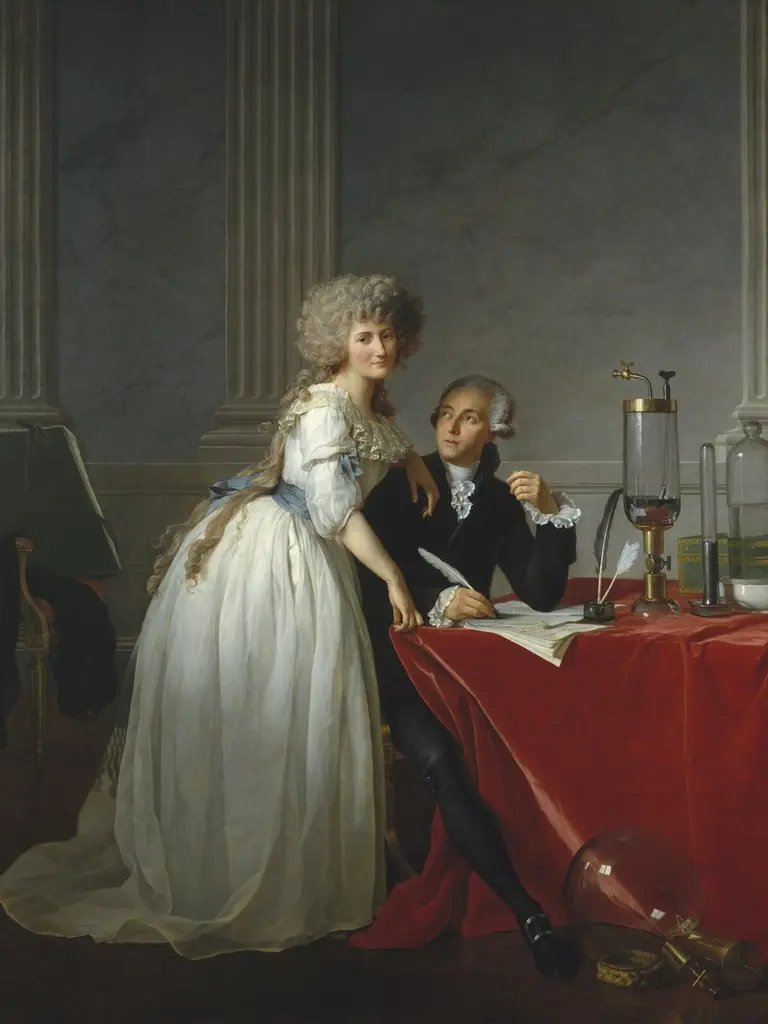 Portrait of Antoine-Laurent Lavoisier and his wife
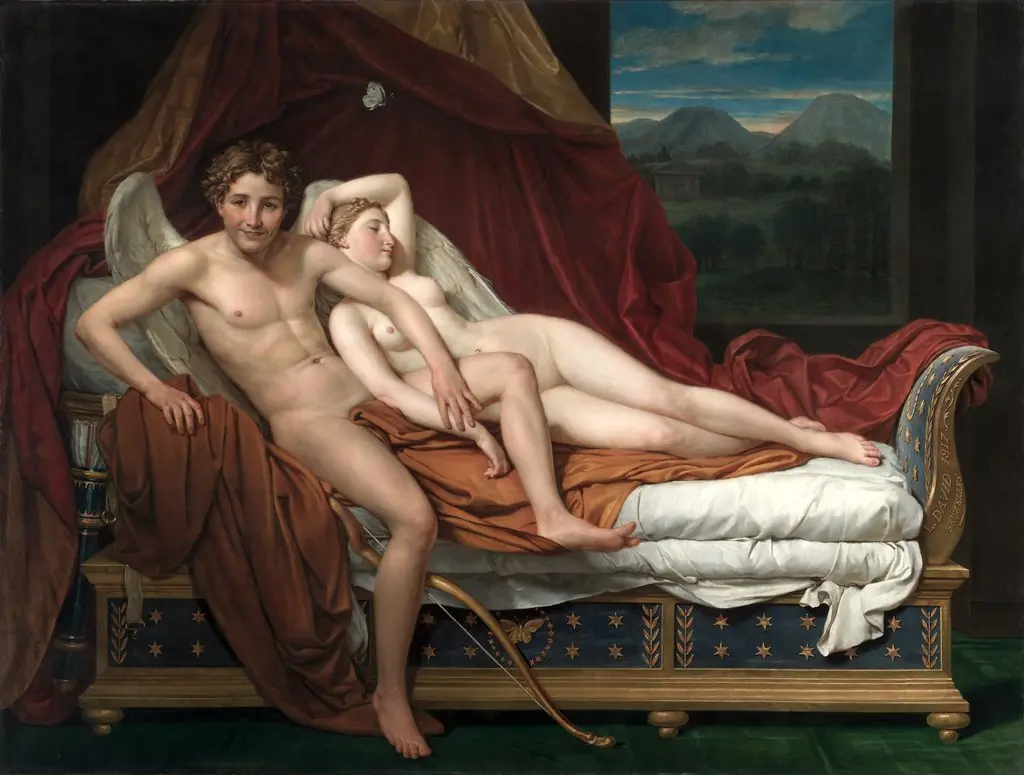 Cupid and Psyche
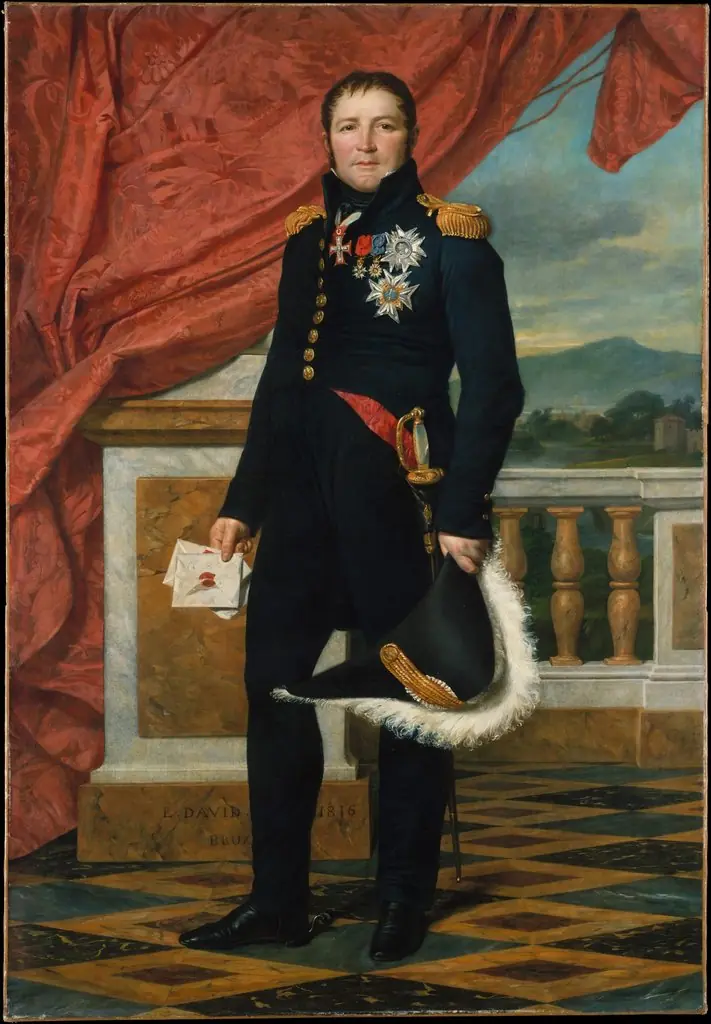 General Étienne-Maurice Gérard (1773–1852), Marshal of France
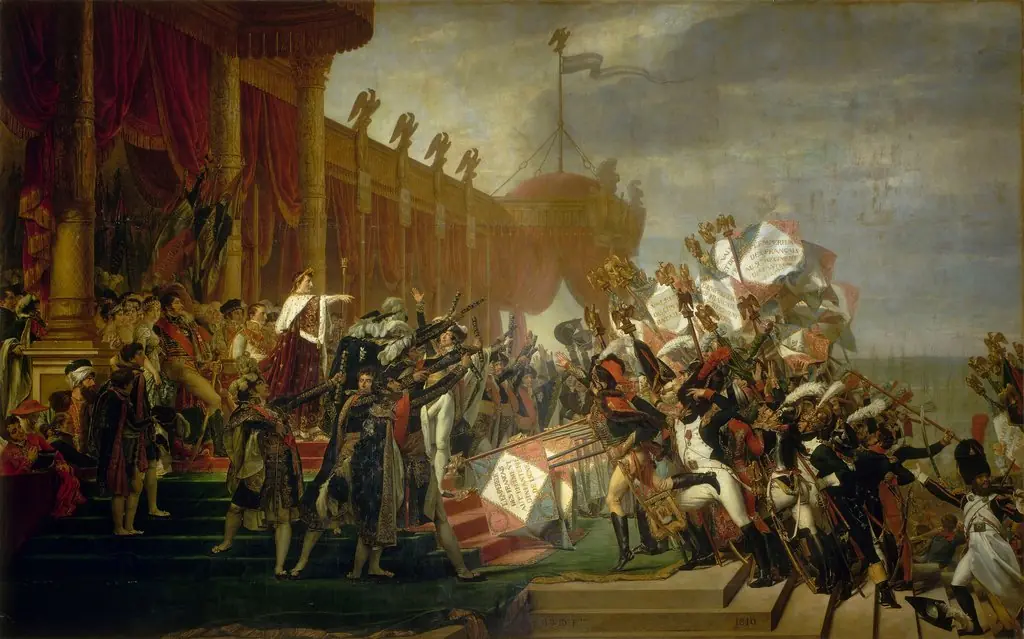 The Distribution of the Eagle Standards
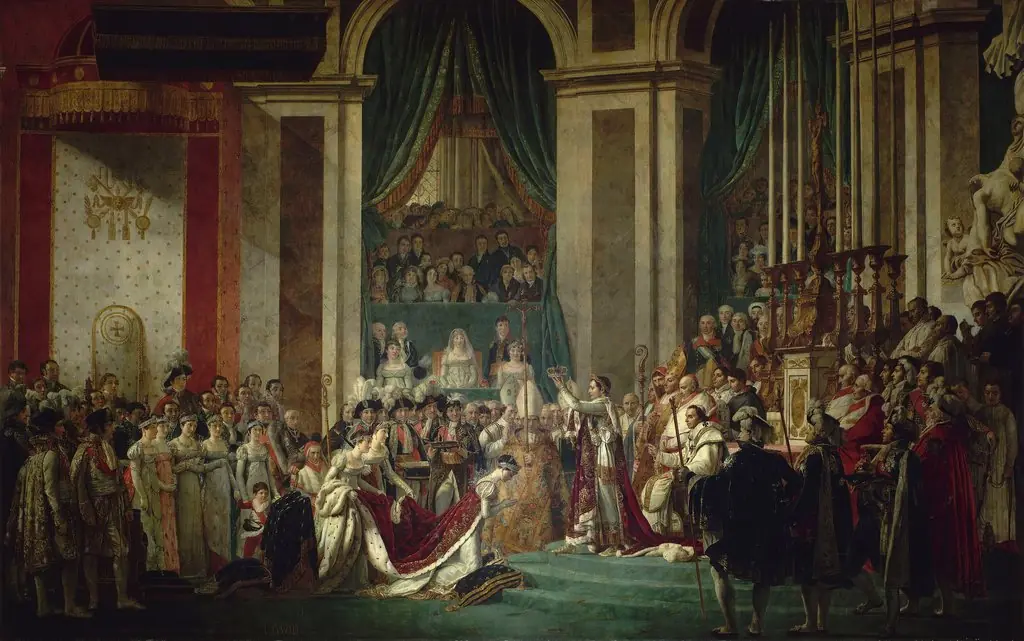 Coronation of Emperor Napoleon I and Coronation of the Empress Josephine