Artwork
San Giovanni Laterano and a Baptistry
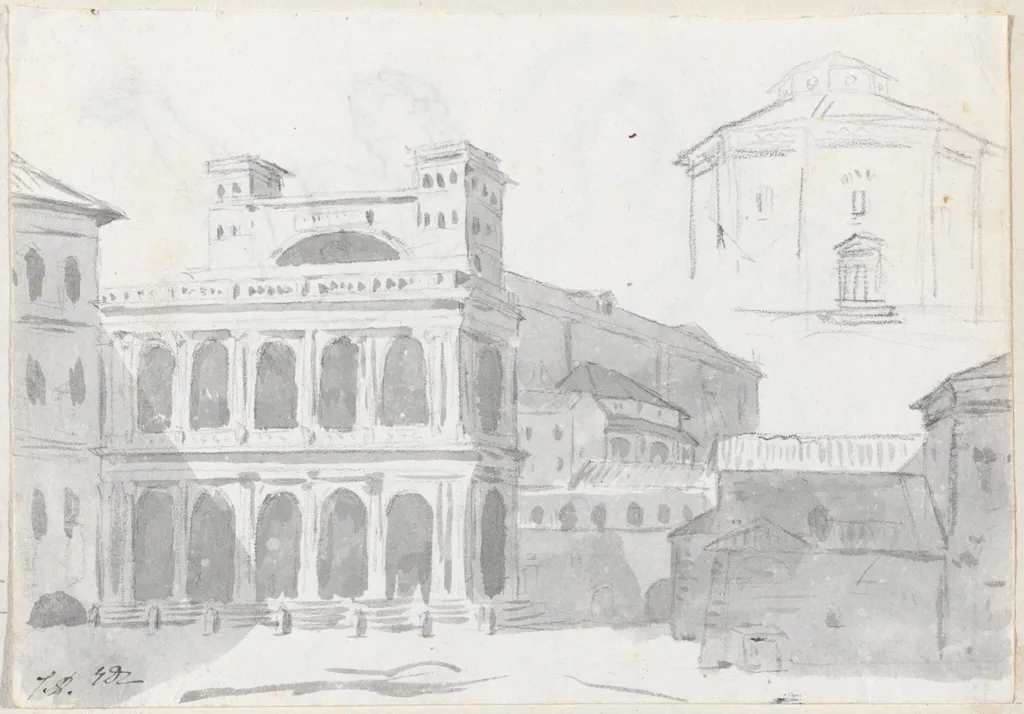
San Giovanni Laterano and a Baptistry is a chalk drawing by the Neoclassicist artist Jacques-Louis David. It dates from 1778 and is held in the collection of the National Gallery of Art.
About this work
Overview
San Giovanni Laterano and a Baptistry is a drawing by Jacques-Louis David, executed in 1778 using black chalk and gray wash on laid paper. The work depicts a monumental architectural scene.
Subject & Meaning
The drawing represents a religious building, specifically identified as San Giovanni Laterano, featuring a prominent central archway flanked by smaller arches, columns, and topped by a flat roof with a small dome. The structure's grandeur and solemn atmosphere suggest it may also represent or include a baptistry.
Technique & Style
David employed chiaroscuro, leveraging the contrast between black chalk outlines and gray wash to create a sense of depth and volume, guiding the viewer's eye into the composition.
History & Provenance
Created in 1778, the drawing's provenance history is not detailed here, focusing instead on its creation by Jacques-Louis David during this period.
Context
While the piece itself does not embody the expressive qualities of Romanticism, its emphasis on architectural grandeur and emotional depth might have influenced or paralleled the development of Romantic ideals in art.
Artist & collection
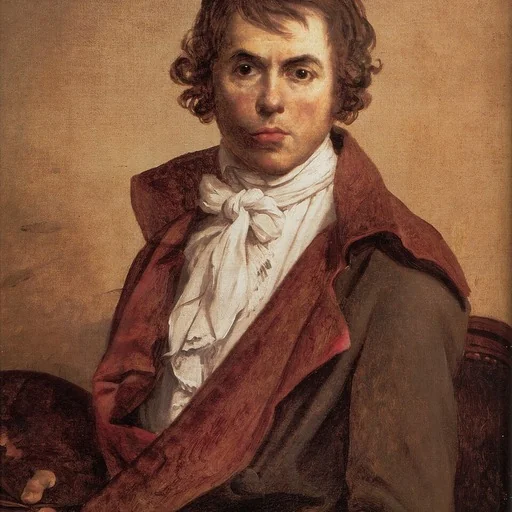
Artist
Jacques-Louis David was born in Paris on 30 August 1748 into a bourgeois family; his father died in a duel when the boy was nine, and a maternal uncle guided his education.

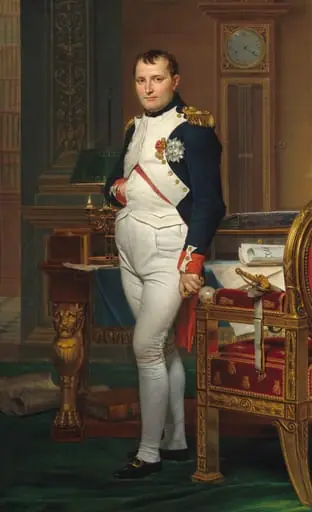 The Emperor Napoleon in His Study at the Tuileries
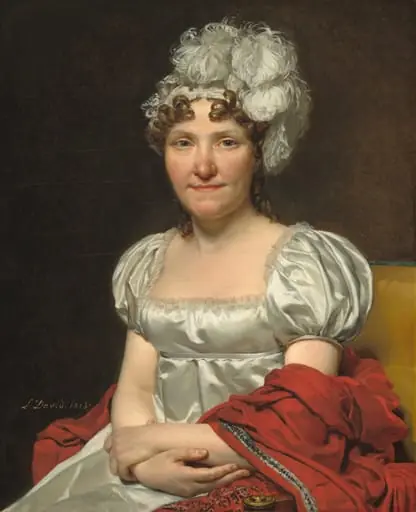 Madame David
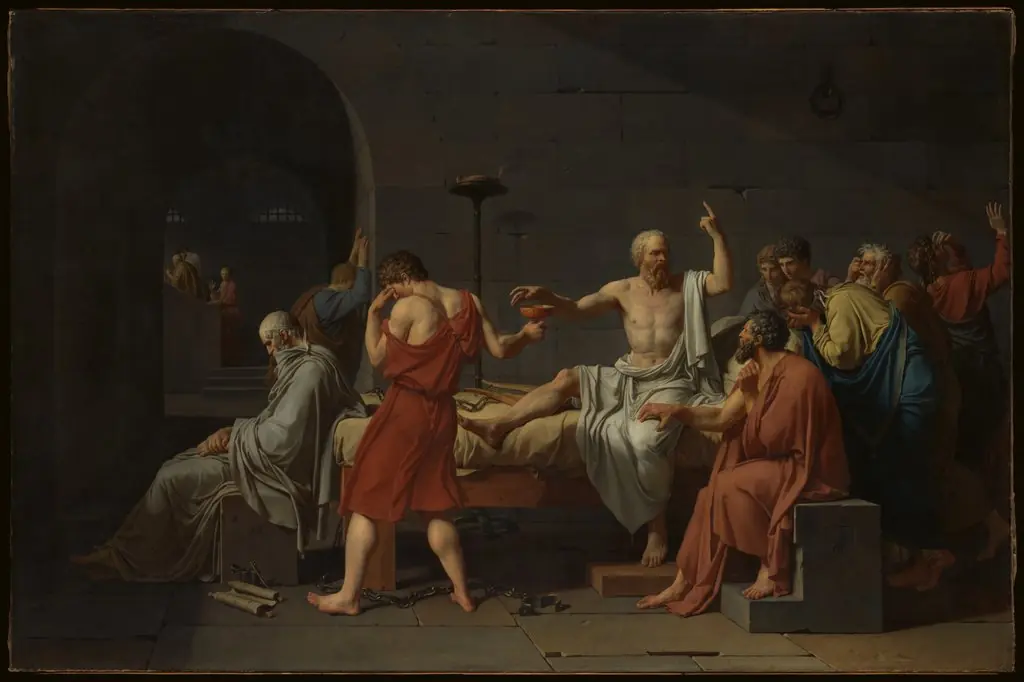 The Death of Socrates
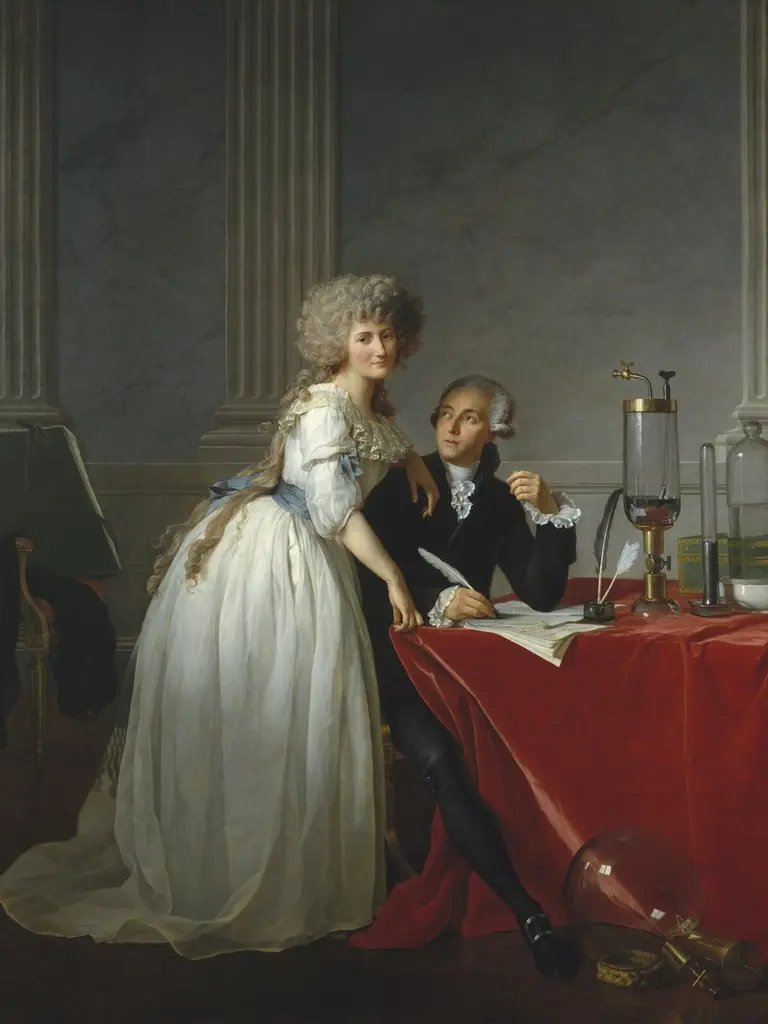 Portrait of Antoine-Laurent Lavoisier and his wife
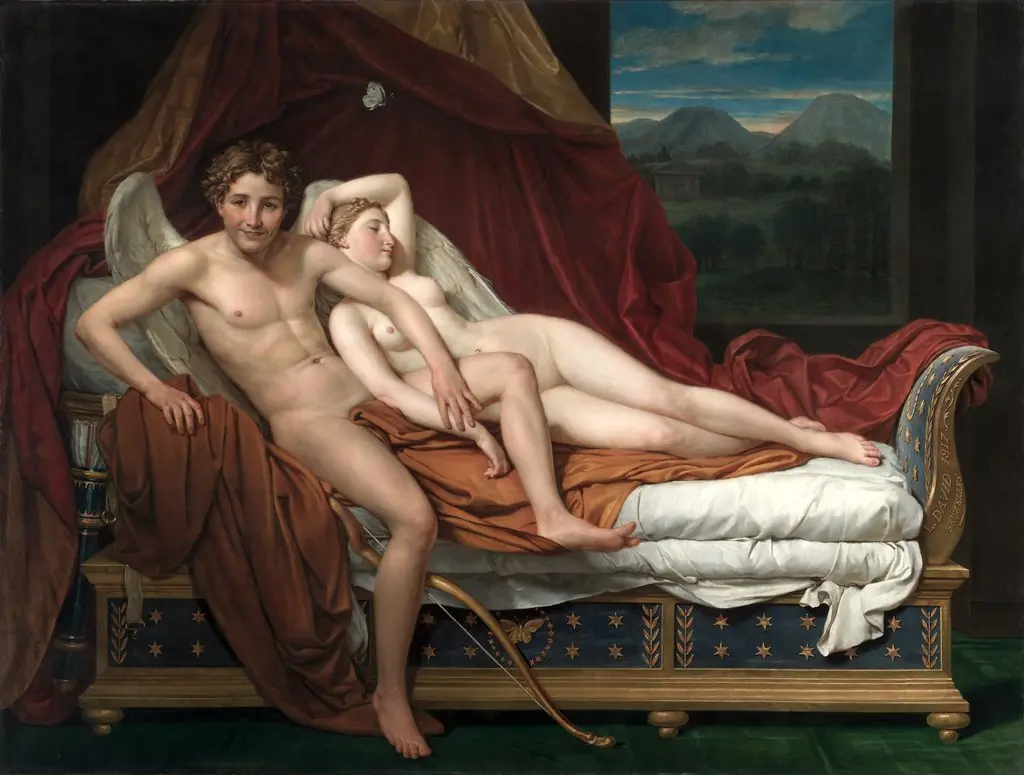 Cupid and Psyche
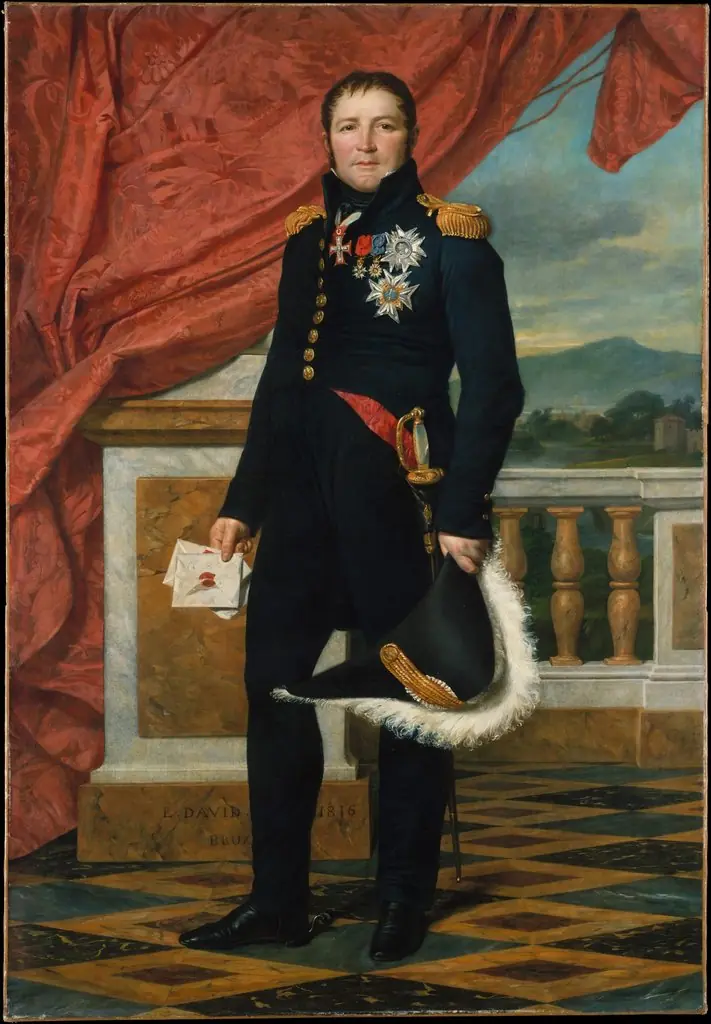 General Étienne-Maurice Gérard (1773–1852), Marshal of France
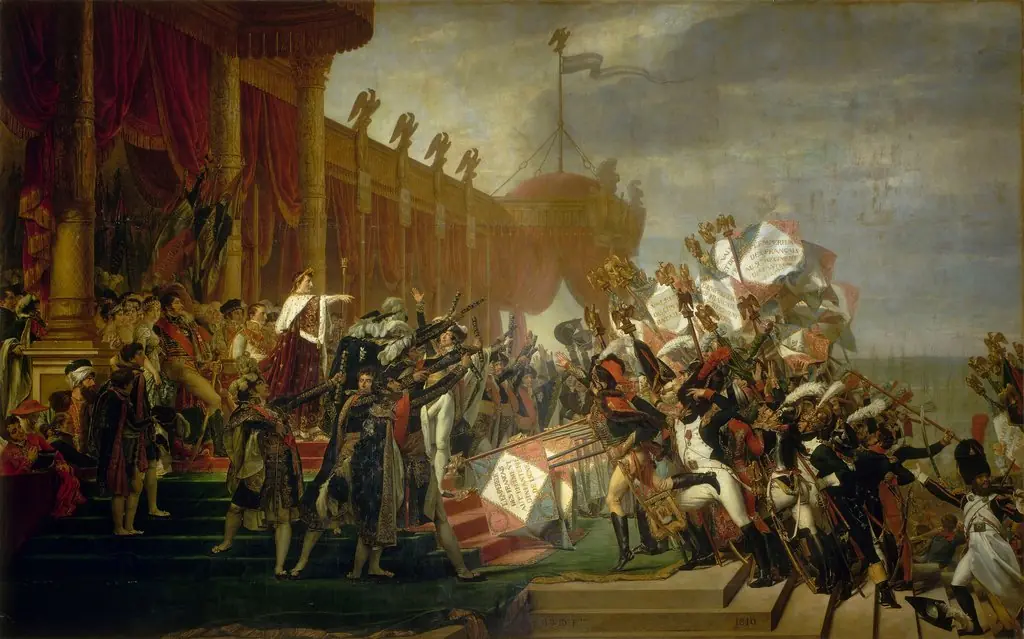 The Distribution of the Eagle Standards
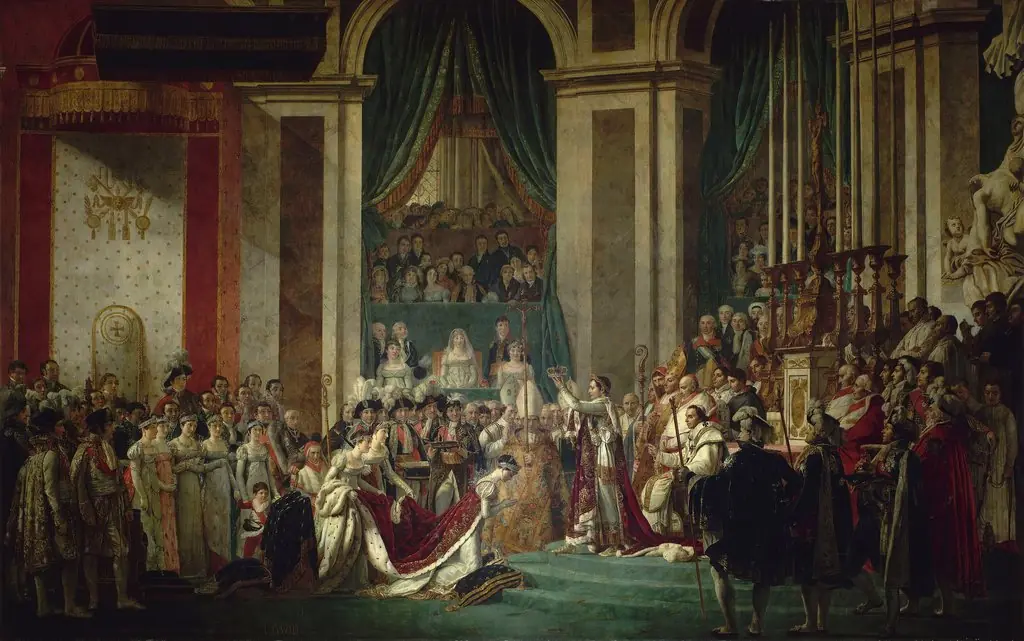 Coronation of Emperor Napoleon I and Coronation of the Empress Josephine
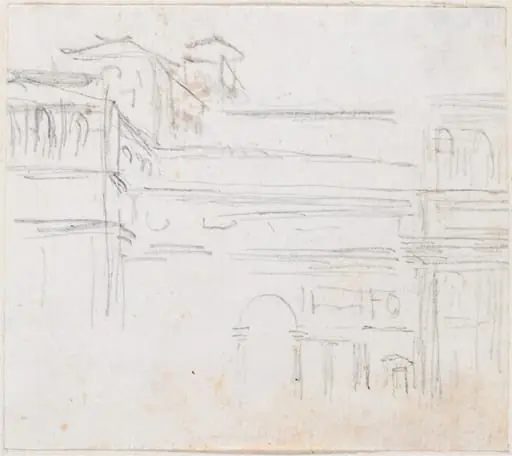 Villa Medici
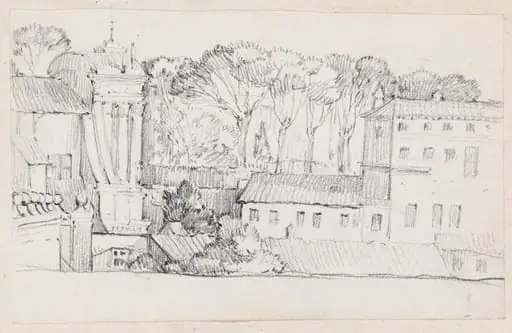 Roman Rooftops
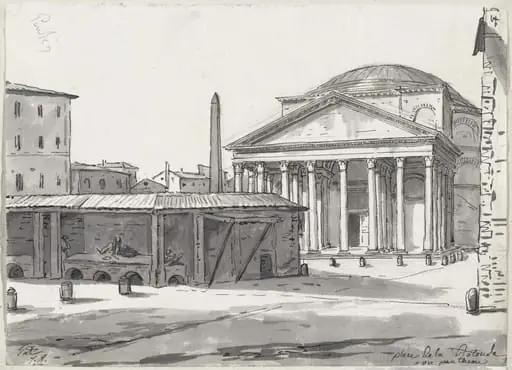 The Pantheon Seen from the Piazza
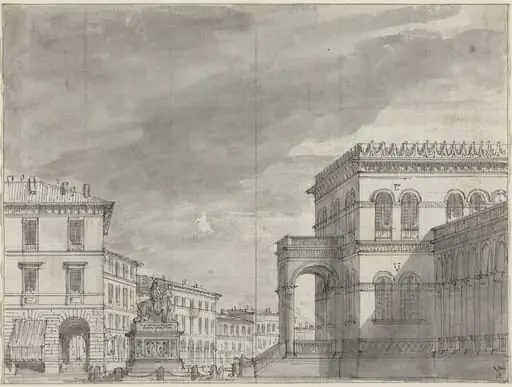 Piazza with an Equestrian Monument and a Palace
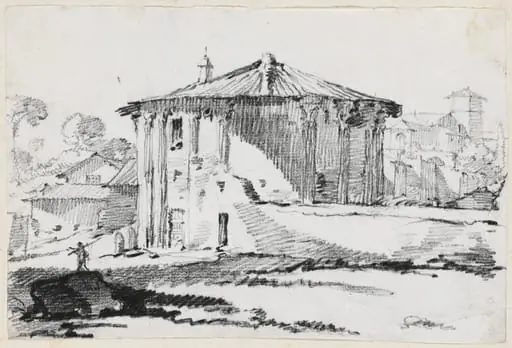 The Round Temple on the Piazza Bocca della Verità, Rome
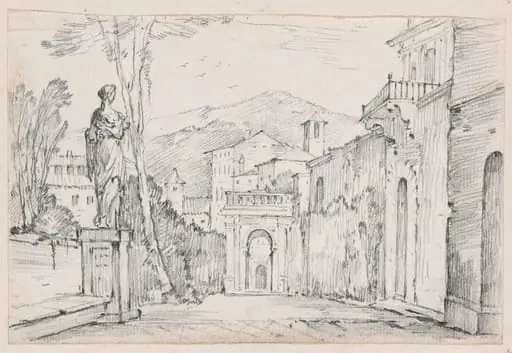 A Roman Street with Monte Cavo in the Distance
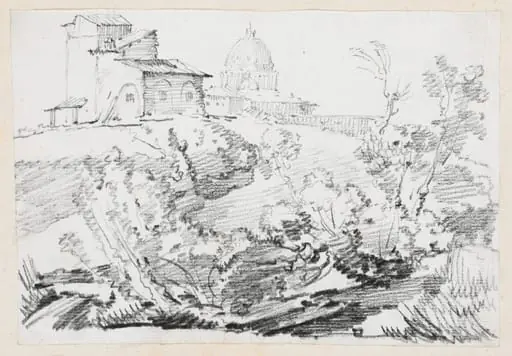 A Building on a Hill with Saint Peter's in the Distance
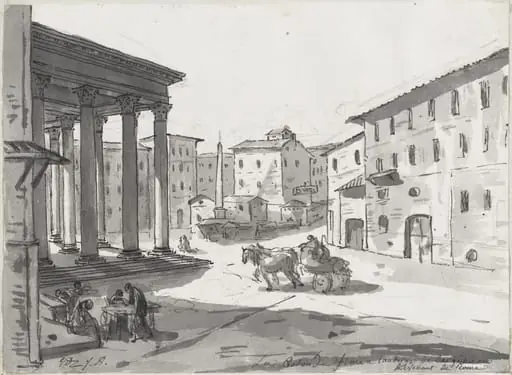 The Pantheon
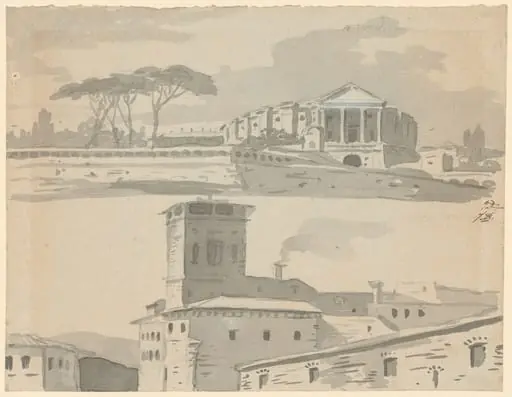 The Roman Circus near Santa Croce in Gerusalemme
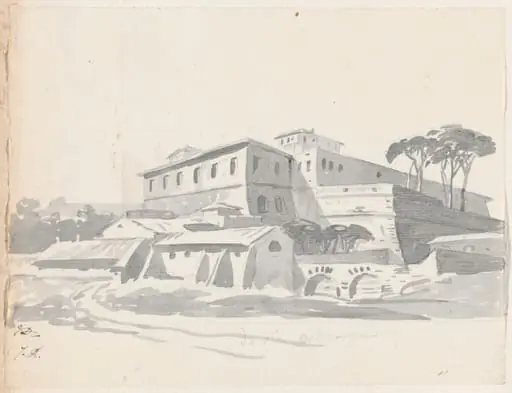 Roman View
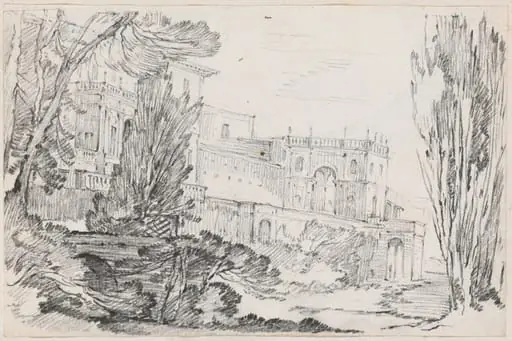 Villa d'Este, Tivoli
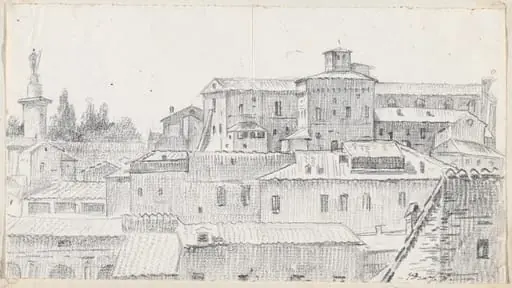 The Capitoline Hill