Artwork
The Pantheon
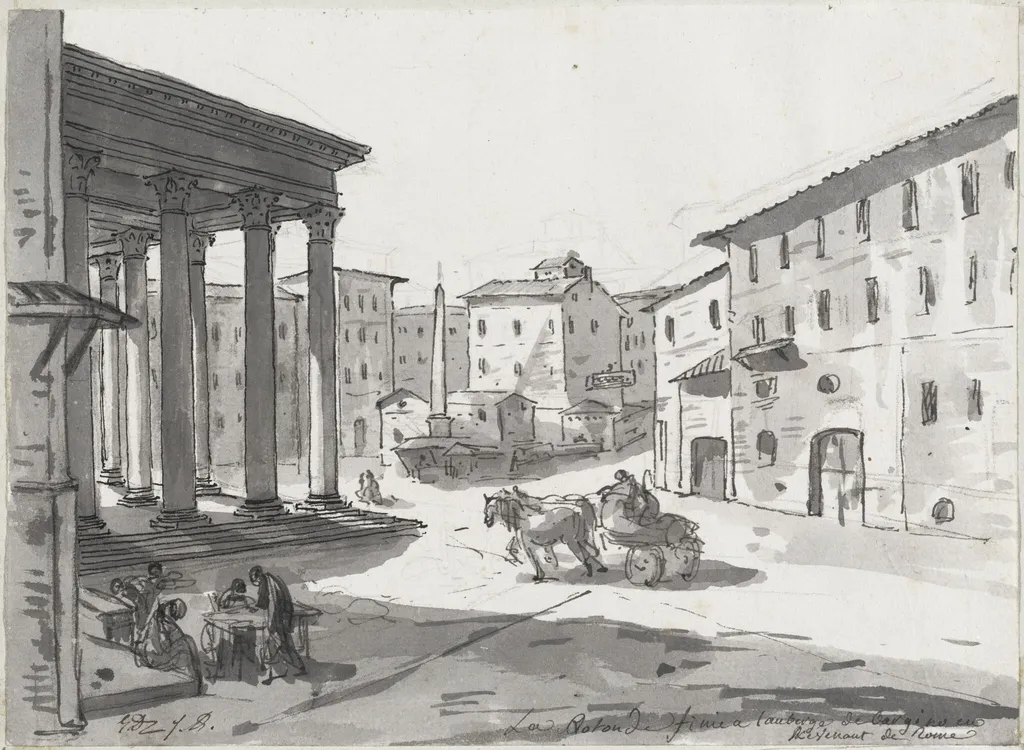
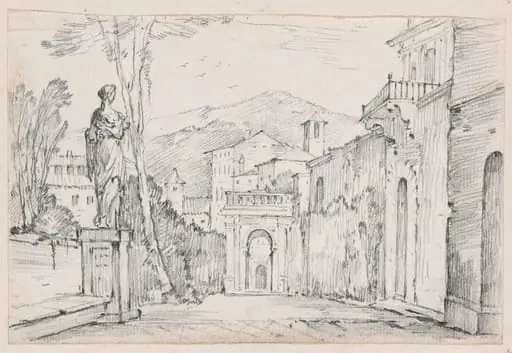
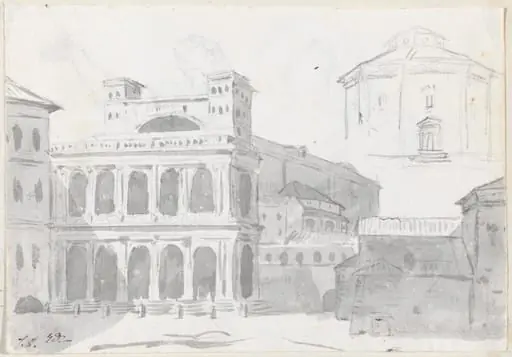
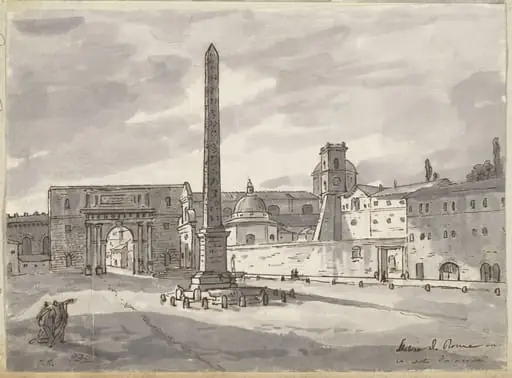
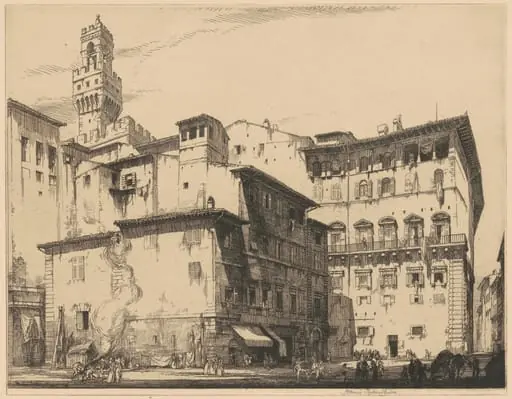
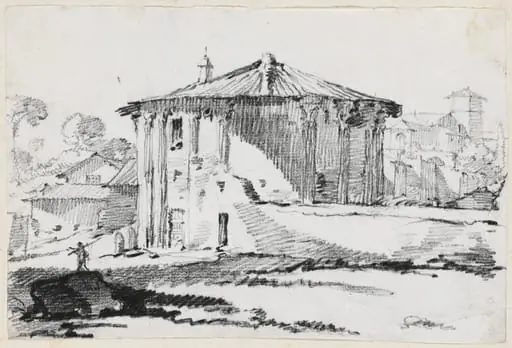
The Pantheon is an ink drawing by the Neoclassicist artist Jacques-Louis David. It dates from 1778 and is held in the collection of the National Gallery of Art.
About this work
Overview
Jacques‑Louis David’s drawing titled *The Pantheon* was executed in 1778. Rendered with black ink and gray wash over a graphite underdrawing on laid paper, the work measures a modest sheet size typical of preparatory sketches. It presents a street view that juxtaposes monumental architecture with ordinary urban activity, offering a snapshot of an eighteenth‑century cityscape.
Subject & Meaning
The composition depicts a tranquil thoroughfare where an imposing, columned edifice—identified as the Pantheon—stands opposite a modest cluster of figures seated at a table on its steps. To the right, a horse‑drawn cart passes simple dwellings, while a slender obelisk rises in the distance, suggesting the coexistence of ancient heritage and contemporary daily life.
Technique & Style
David employed rapid, fluid lines to delineate forms, allowing ink and wash to suggest light, shade, and atmospheric depth. The graphite underdrawing provides structural guidance, while cross‑hatching in the ink creates tonal variation. The sketchy, almost unfinished appearance reflects a working study rather than a finished illustration, emphasizing gesture over meticulous detail.
History & Provenance
Created in the late 1770s, the drawing belongs to David’s early period before his rise as a leading neoclassical painter. It remains part of a private collection that acquired the work in the early twentieth century, having passed through several European dealers. The piece is occasionally exhibited in retrospectives of David’s preparatory drawings.
Artist & collection
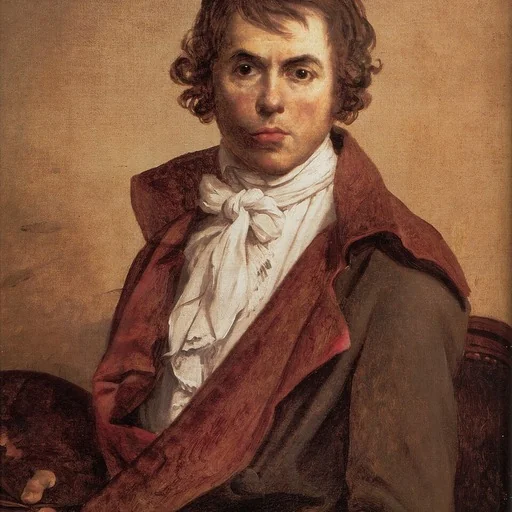
Artist
Jacques-Louis David was born in Paris on 30 August 1748 into a bourgeois family; his father died in a duel when the boy was nine, and a maternal uncle guided his education.

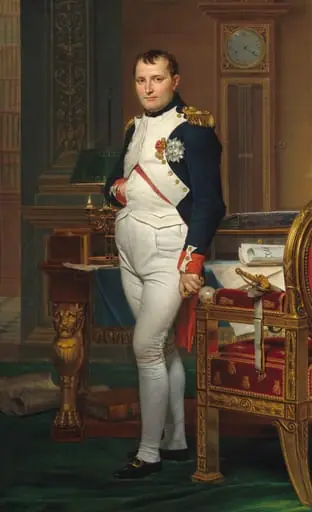 The Emperor Napoleon in His Study at the Tuileries
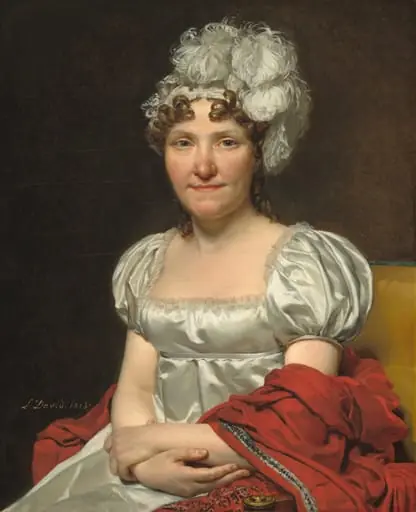 Madame David
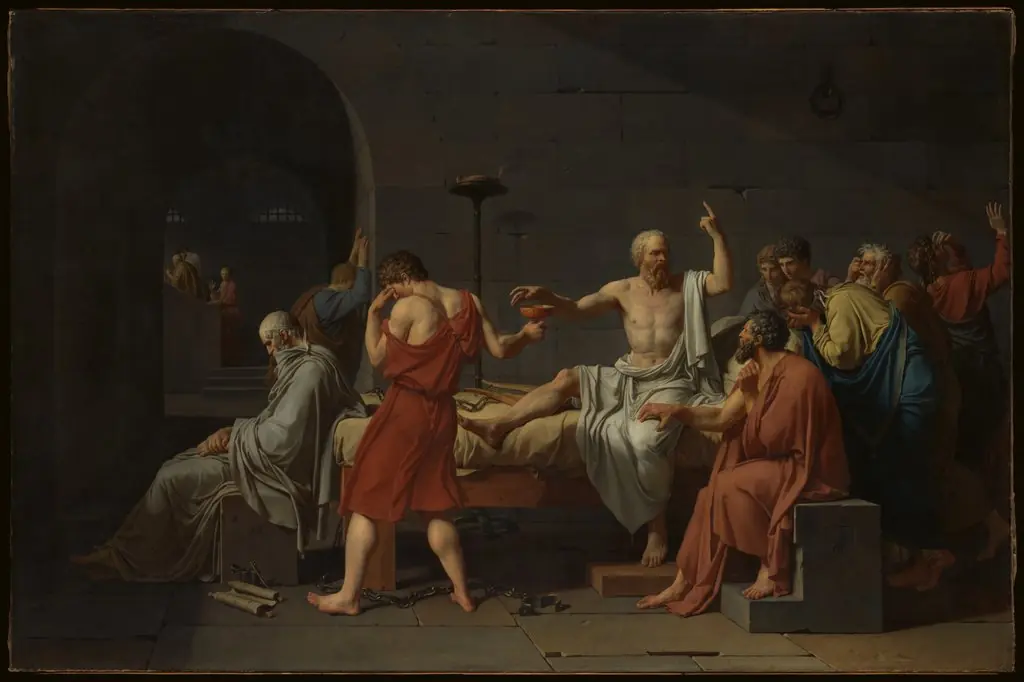 The Death of Socrates
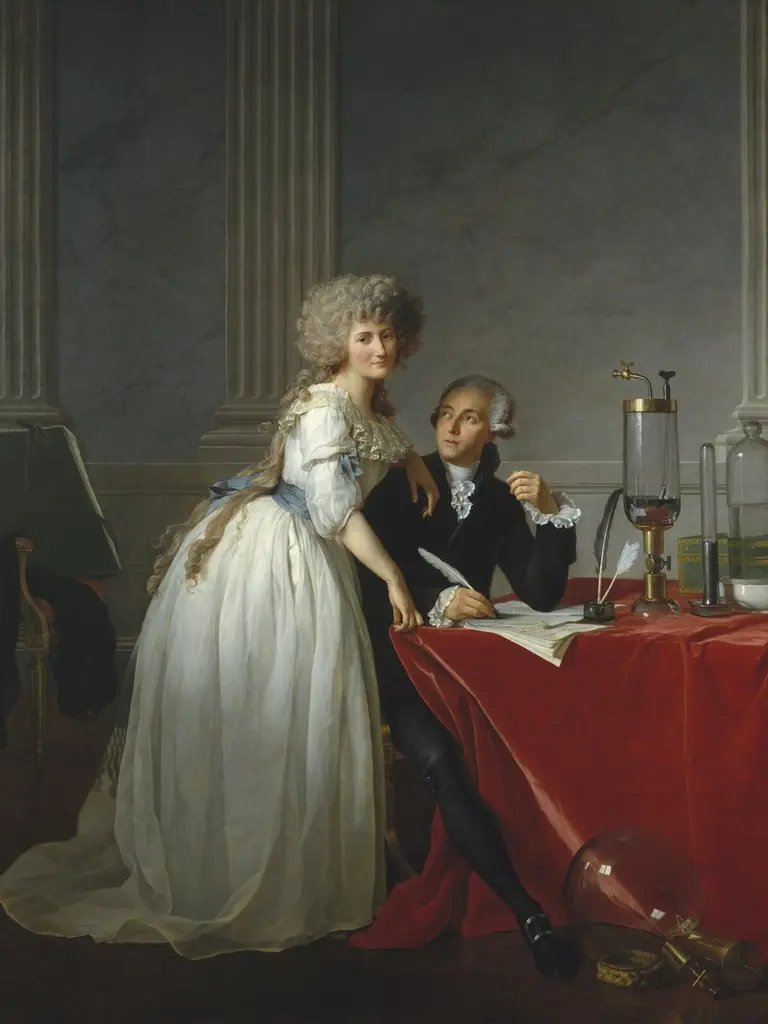 Portrait of Antoine-Laurent Lavoisier and his wife
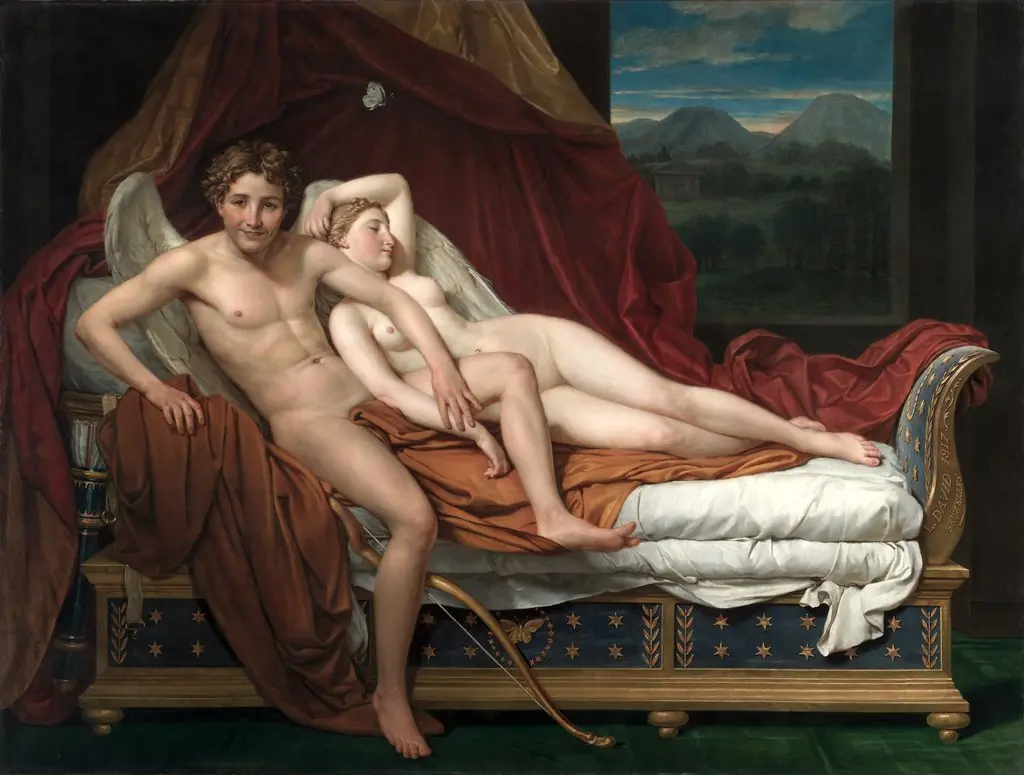 Cupid and Psyche
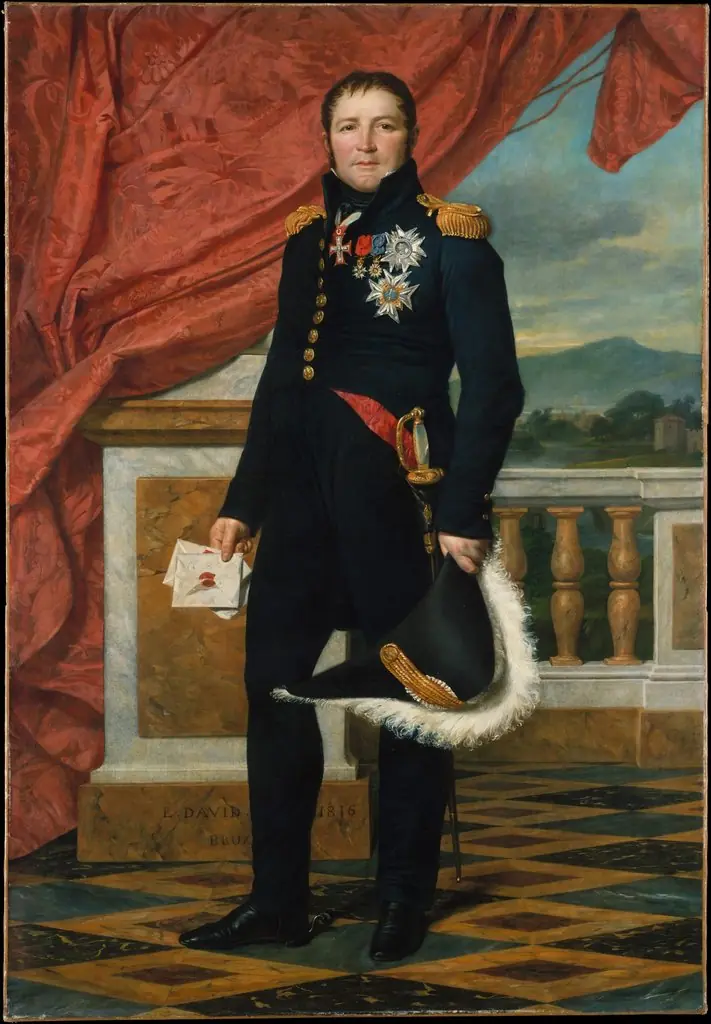 General Étienne-Maurice Gérard (1773–1852), Marshal of France
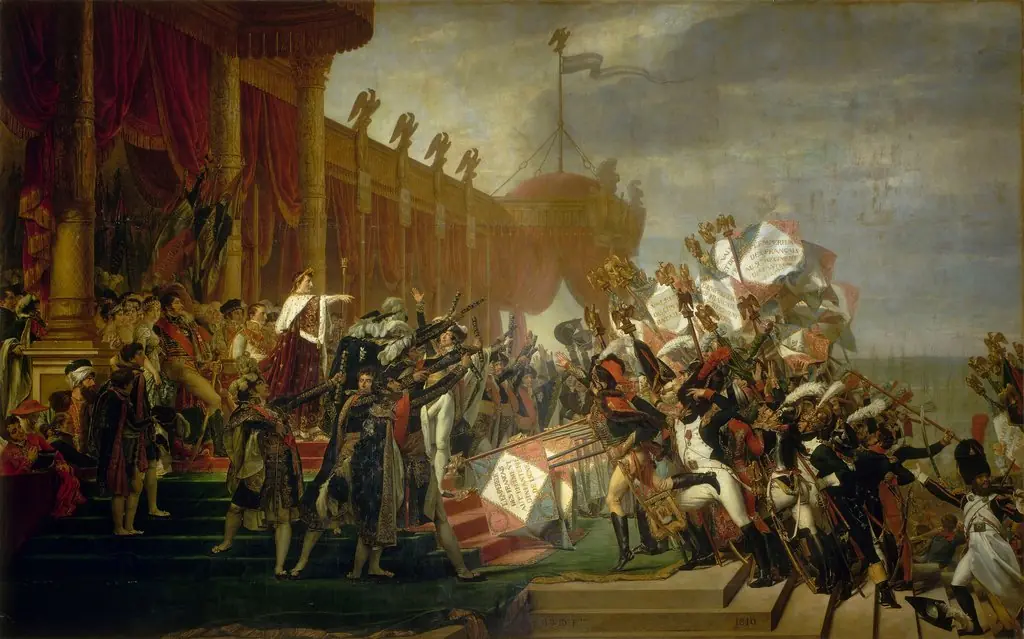 The Distribution of the Eagle Standards
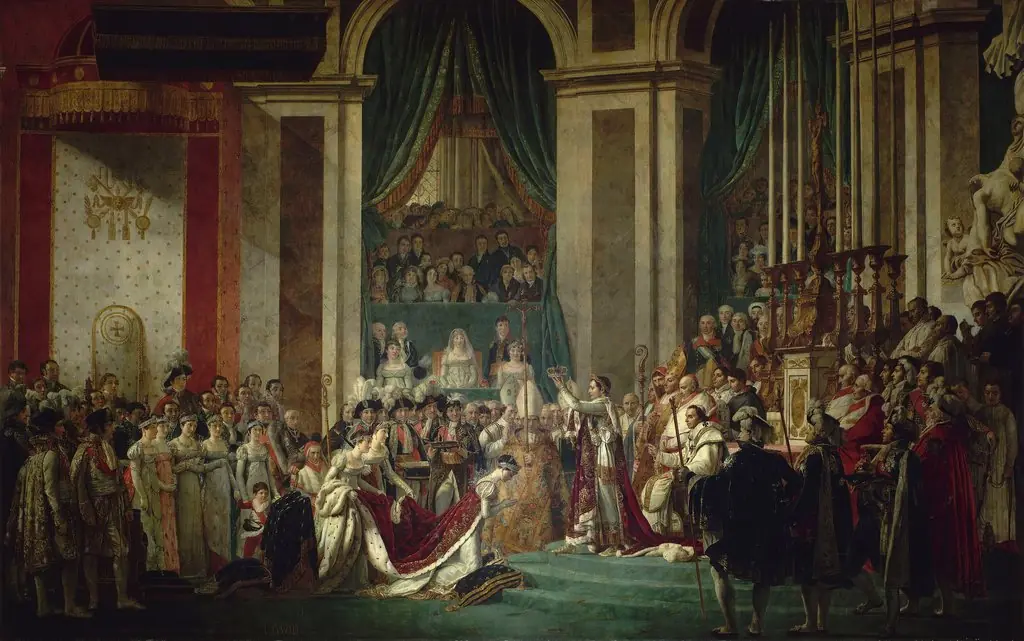 Coronation of Emperor Napoleon I and Coronation of the Empress Josephine