Artwork
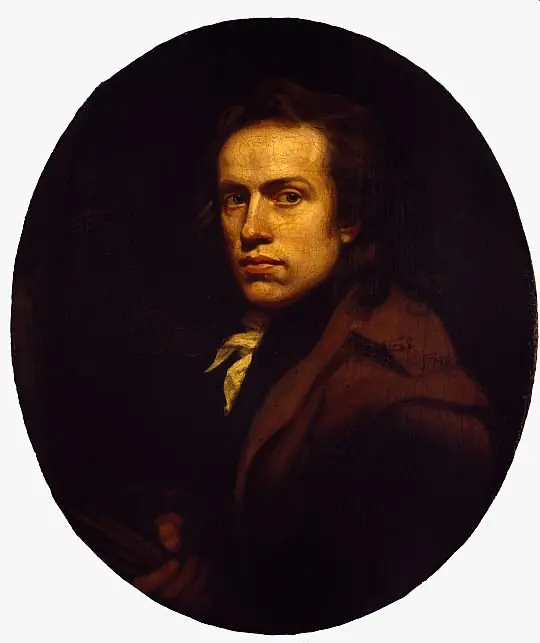
Self-portrait
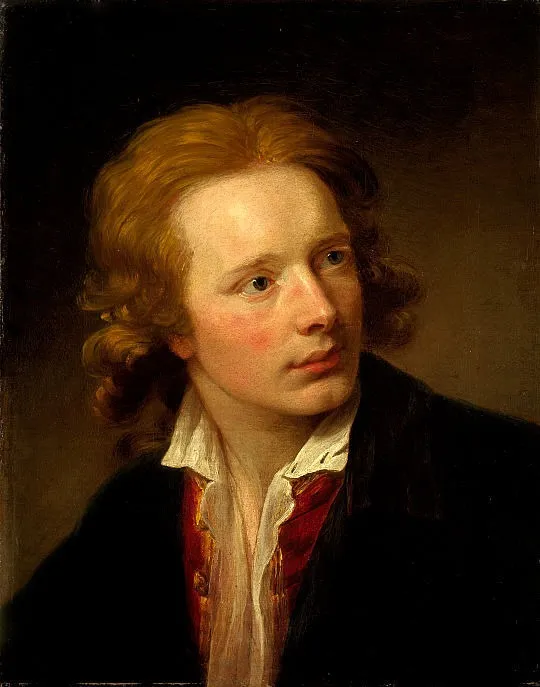
Self-portrait is an oil painting by the Rococo painting artist David Martin. It dates from 1760 and is held in the collection of the National Galleries Scotland.
About this work
The man's attire and hairstyle suggest a formal or professional setting, possibly from the 18th century.
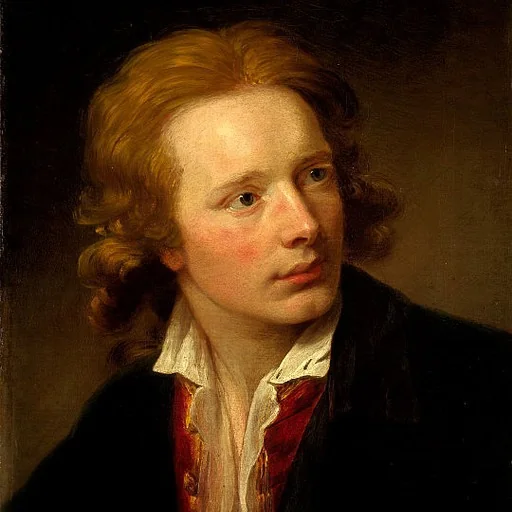
This portrait painting depicts a man with fair skin and red hair, gazing to the right. He wears a dark jacket over a white shirt with a red vest underneath. The background is a dark, shadowy area that contrasts with the subject's lighter tones.
The man's attire and hairstyle suggest a formal or professional setting, possibly from the 18th century. His expression is neutral, with a slight hint of seriousness.
For more information on the artist behind this self-portrait, look up David Martin.
Overview
David Martin, a Scottish artist born in 1737, painted this self-portrait in 1760 using oil on canvas. Trained in both Italy and England, he developed a reputation as a skilled portraitist during the mid-18th century. The work reflects his technical precision and quiet confidence, capturing him at a pivotal moment in his career before he became a recognized figure in British art circles.
Subject & Meaning
The painting presents Martin as a professional artist, dressed in formal attire typical of his social standing. His neutral expression and direct gaze suggest introspection rather than performance. The choice to depict himself in a simple yet refined manner underscores his identity as a practitioner of the craft, not a nobleman seeking status through imagery.
Technique & Style
Martin employed subtle gradations of light to model his features, contrasting the warm tones of his skin and red hair against a dark, indistinct background. The brushwork is controlled, emphasizing texture in fabric and hair without overt flourish. The composition follows a restrained Rococo sensibility, prioritizing clarity and dignity over ornamental excess.
History & Provenance
Created in 1760, the portrait remained in Martin’s possession until his death in 1797. It entered the collection of the Scottish National Gallery in the 19th century, where it has been consistently displayed as an example of Scottish portraiture from the Enlightenment era. Its preservation reflects its significance as a personal and professional document of the artist’s life.
Context
In 1760, Britain’s art scene was dominated by portrait painting as a marker of social identity. Martin, influenced by continental training and English academic traditions, aligned himself with a growing class of professional artists who sought legitimacy through technical mastery. This self-portrait reflects that ambition, positioning the artist as both creator and subject within a culture increasingly valuing individual achievement.
Legacy
Though less widely known today than his contemporaries, Martin’s self-portrait endures as a quiet testament to the professional self-awareness of 18th-century artists. It contributes to the understanding of how painters defined their identities outside aristocratic patronage, offering a grounded, unembellished view of artistic labor in the Georgian era.
Artist & collection
Artist
David Martin (1 April 1737 – 30 December 1797) was a Scottish painter and engraver. Born in Fife, he studied in Italy and England, before gaining a reputation as a portrait painter.

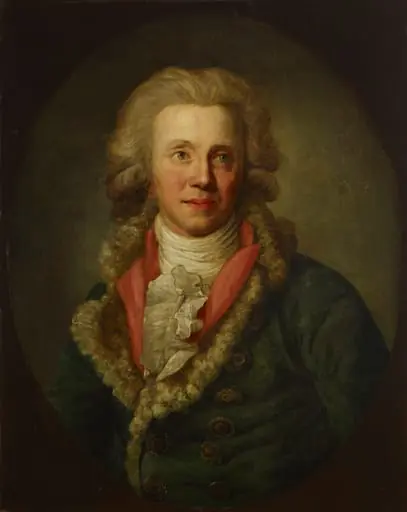 Näyttelijä Christian Wilhelm Opitz
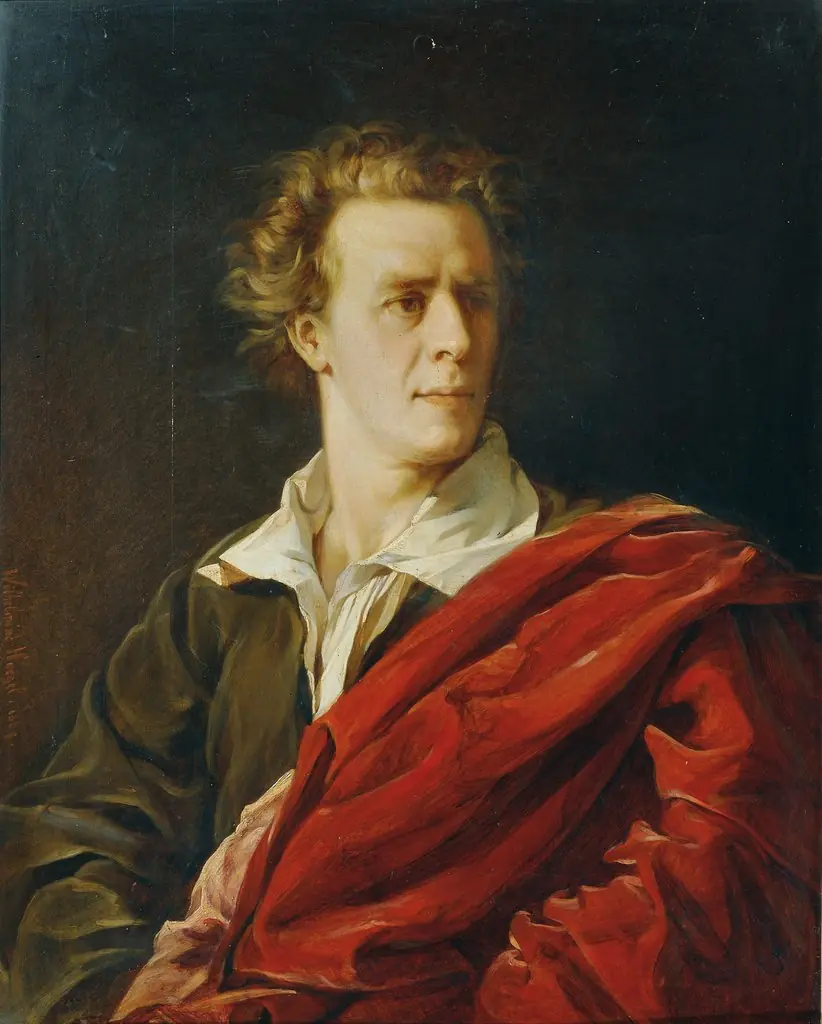 Der Schauspieler Josef Lewinsky
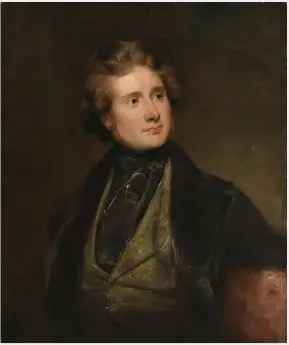 Portrait of Sir Frederic William Burton (1816-1900), Artist and Director, National Gallery, London
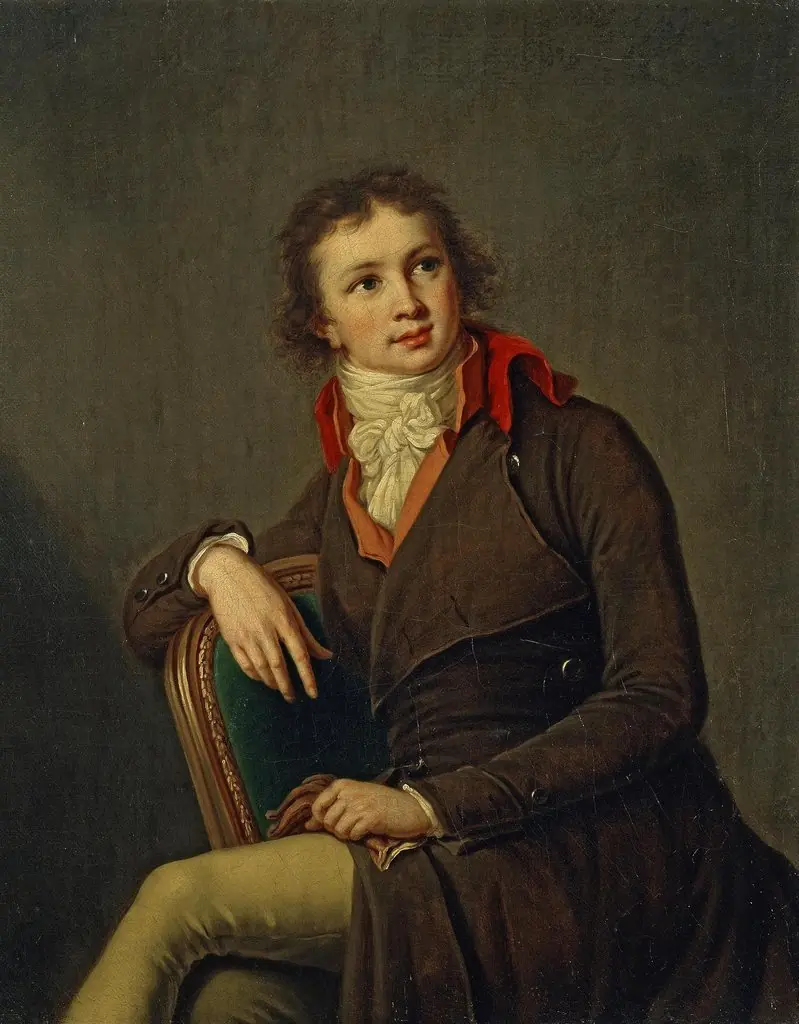 Portrait of Count Pavel Stroganov
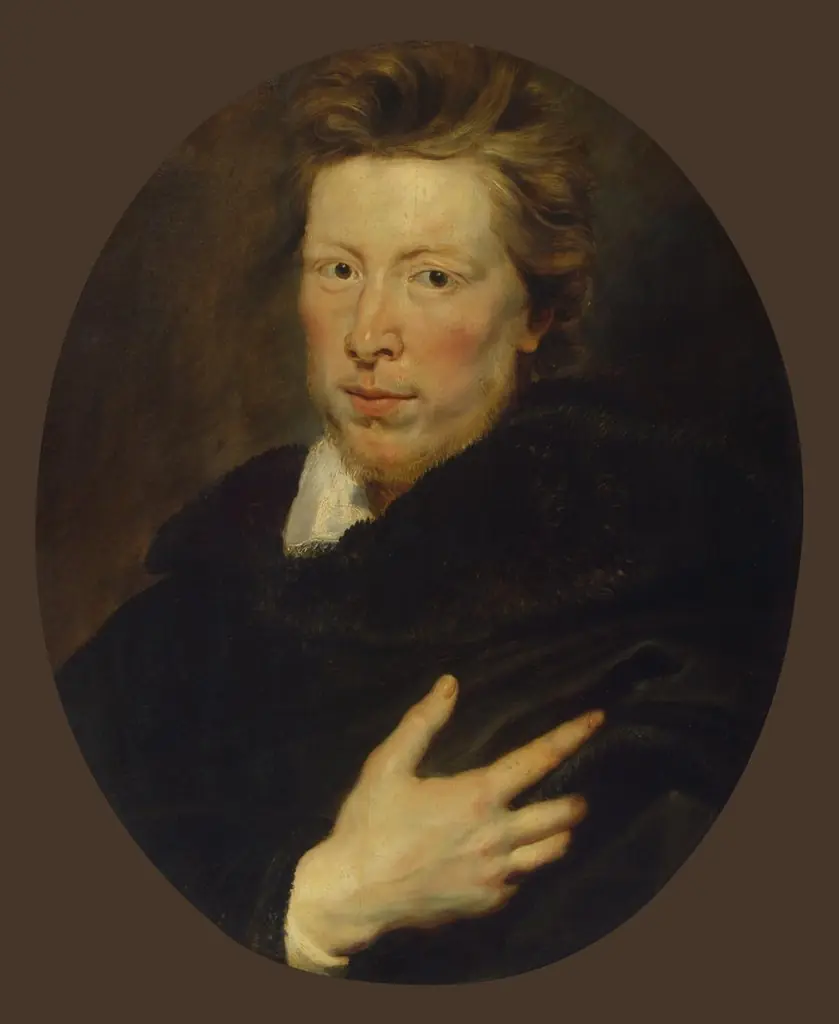 Portrait of a Young Man (Portrait of George Gaidge)
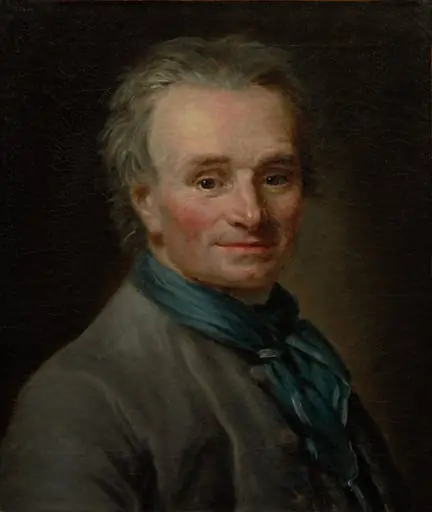 Portrait of Jean-Baptiste Lemoyne the Younger
 A youth
 Marcus Larssonin muotokuva
 Self-portrait
 Self-Portrait
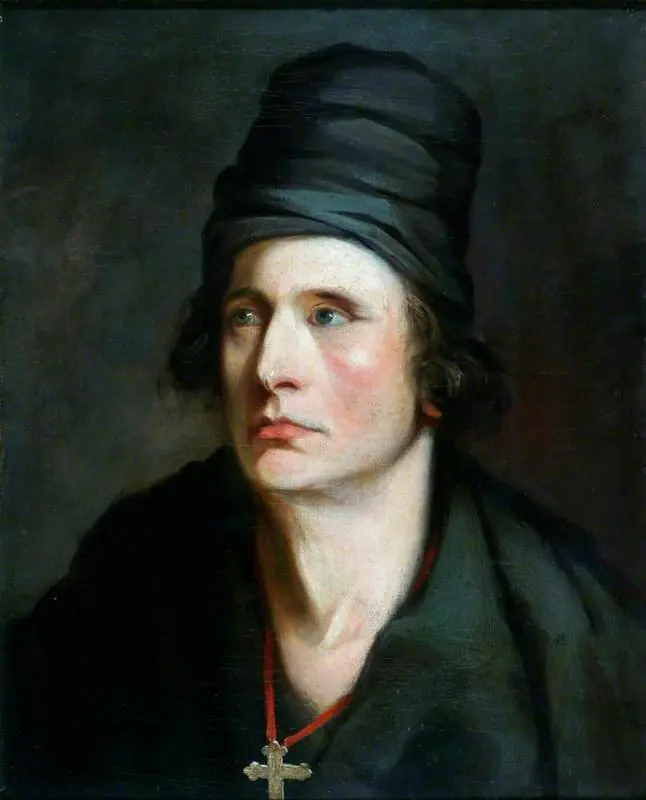 John Philip Kemble (1757–1823), as Vicentio in 'Measure for Measure' by William Shakespeare, 1794
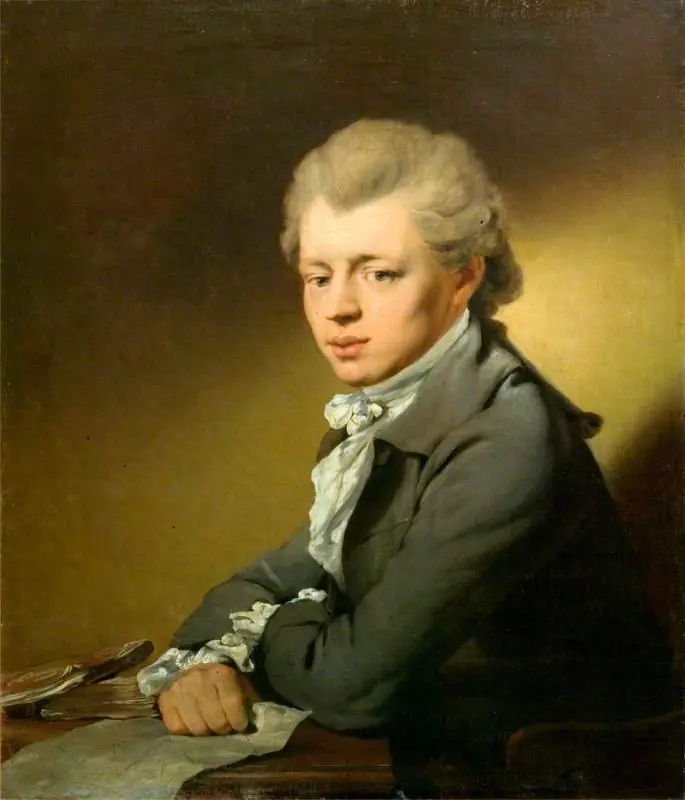 Charles Harvey (1757–1843), Later Charles Savill Onley