Artwork
Karl Fredrik, Duke of Holstein-Gottorp
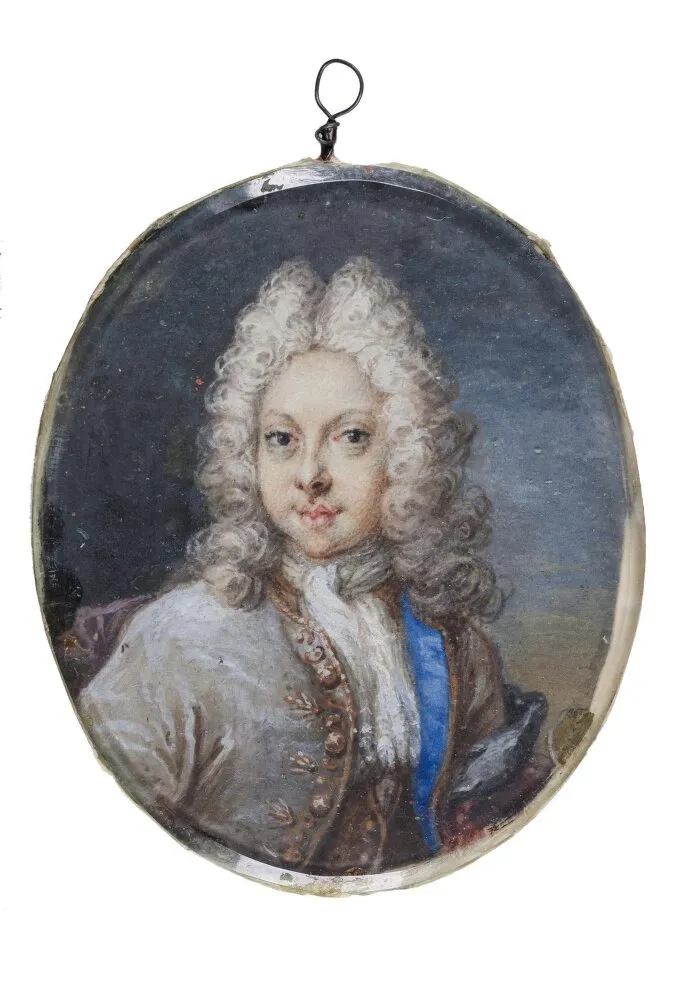
Karl Fredrik, Duke of Holstein-Gottorp is an unspecified painting by the Rococo painting artist David Richter the Younger. It dates from 1714 and is held in the collection of the Nationalmuseum.
About this work
Overview
This 1714 portrait by David Richter the Younger depicts Karl Fredrik, Duke of Holstein-Gottorp, in a formal, detailed representation. The subject is prominently displayed against a dark background, emphasizing his attire and demeanor.
Subject & Meaning
The portrait captures Charles Frederick, Duke of Schleswig-Holstein-Gottorp, with a neutral expression, conveying a sense of dignity and composure. His direct gaze engages the viewer, while the attire reflects his noble status.
Technique & Style
Richter the Younger employed meticulous detail, particularly in the subject's curly white hair, intricately designed clothing (including a brown jacket with gold buttons and a blue vest), and accessories like a white scarf. The contrast with the dark background highlights the subject's presence.
History & Provenance
Created in 1714, the painting is part of the collection at the Nationalmuseum, Sweden, where it is preserved and exhibited.
Context
As a portrait of a noble figure from the early 18th century, the work reflects the artistic conventions of portraiture during that period, emphasizing the subject's status and character through attire and pose.
Legacy
While specific influences or direct artistic legacies of this piece are not widely documented, it remains a characteristic example of early 18th-century European portraiture, offering insight into the era's nobility and artistic practices.
Artist & collection
Artist
David Richter the Younger (1664–1741) was an artist, born in Storkyrkoförsamlingen.

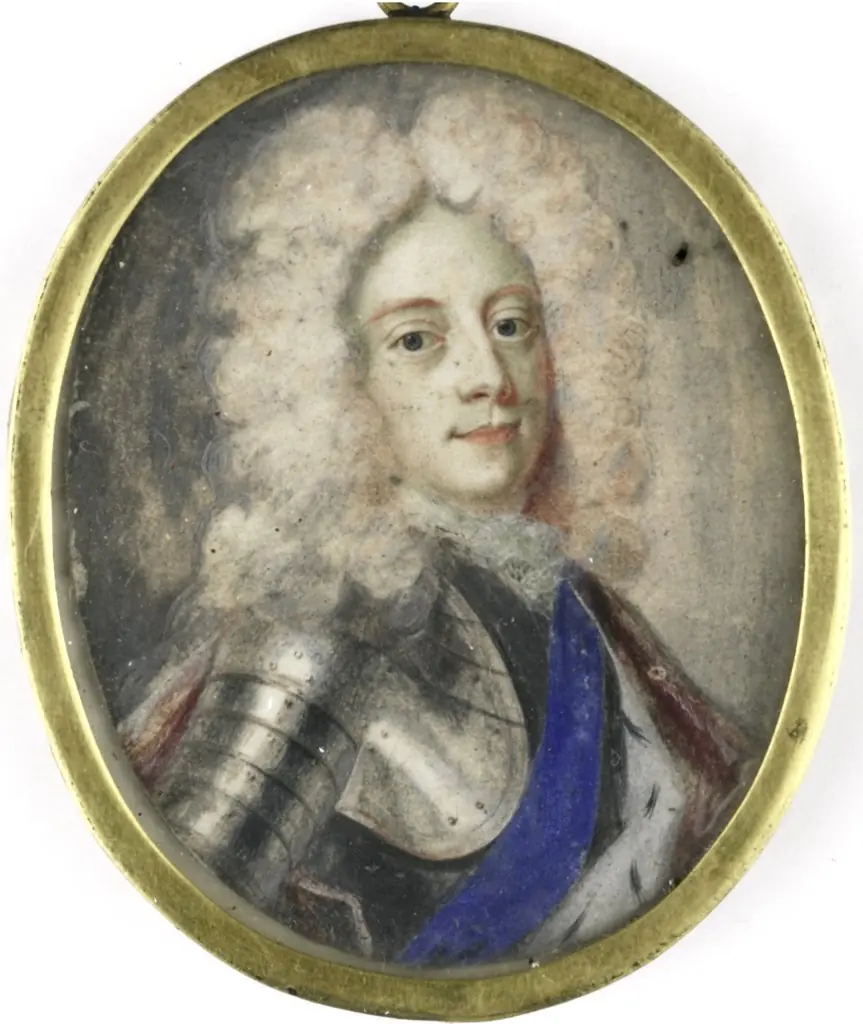 Portrait of Christiaan V van Denemarken (1646-1699)
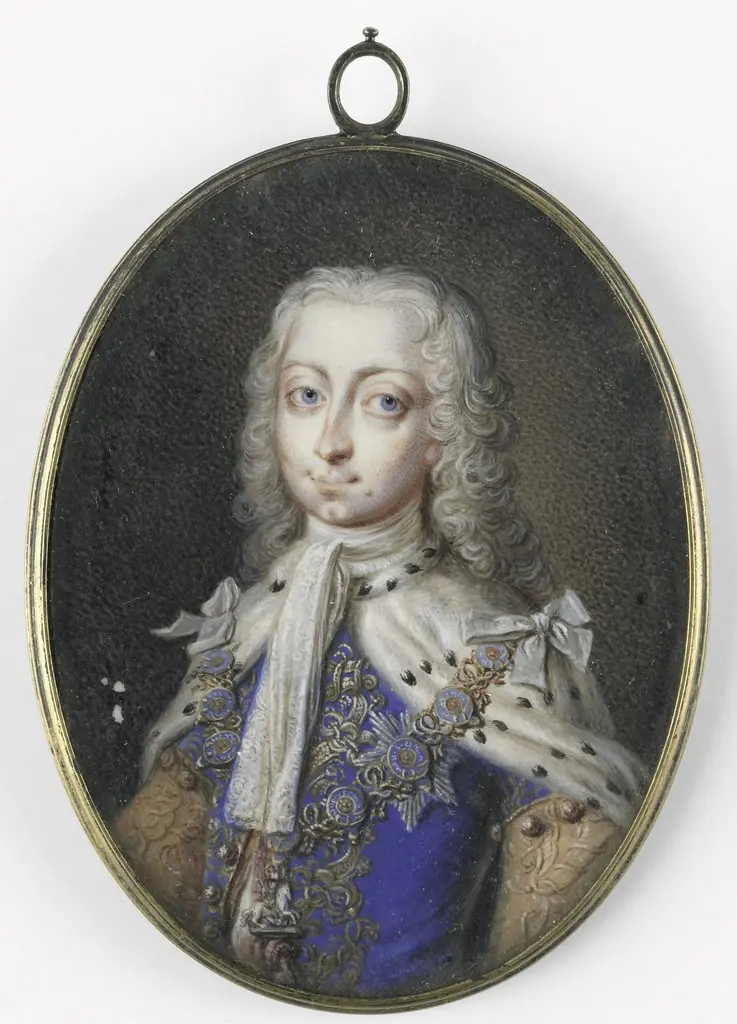 Frederick Louis (1707-51), prins van Wales. Zoon van koning George II
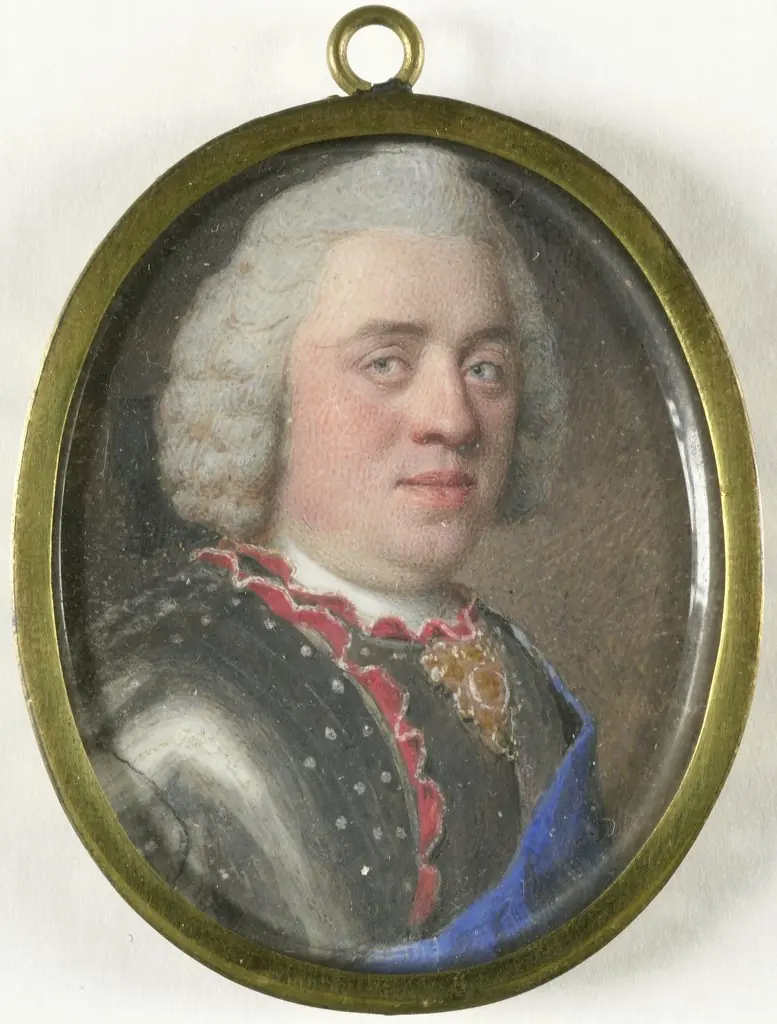 Portrait of Willem IV van Oranje- Nassau (1711-1751)
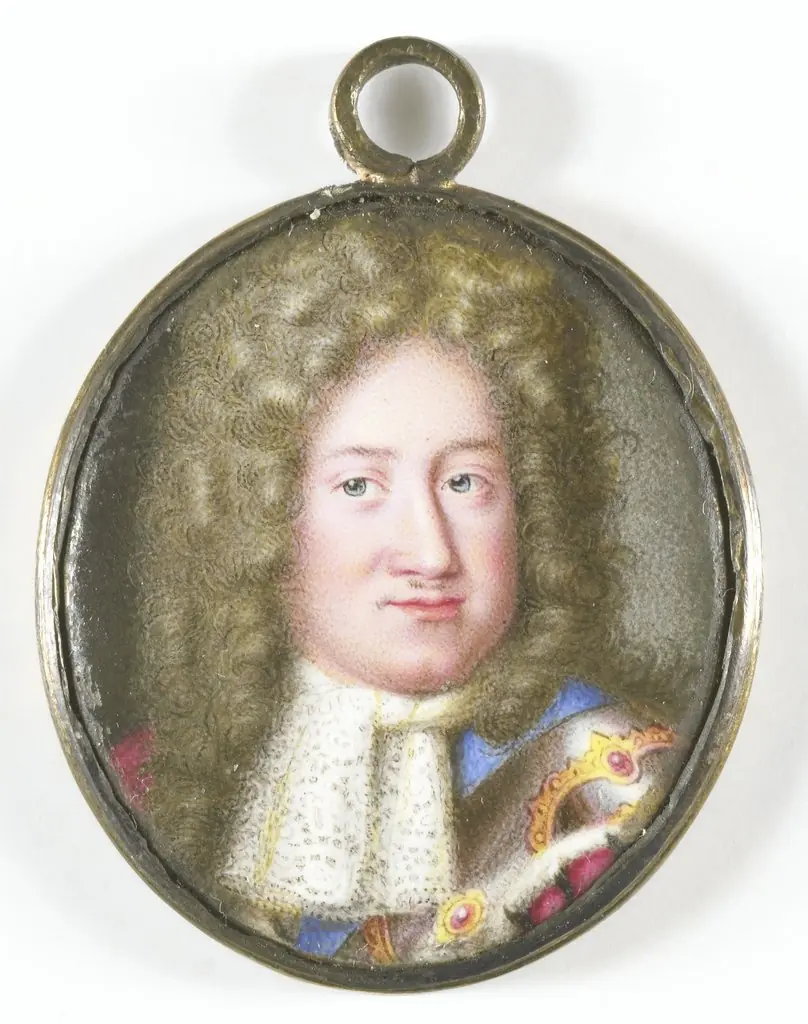 Portrait of Friedrich I van Pruisen (1657-1713)
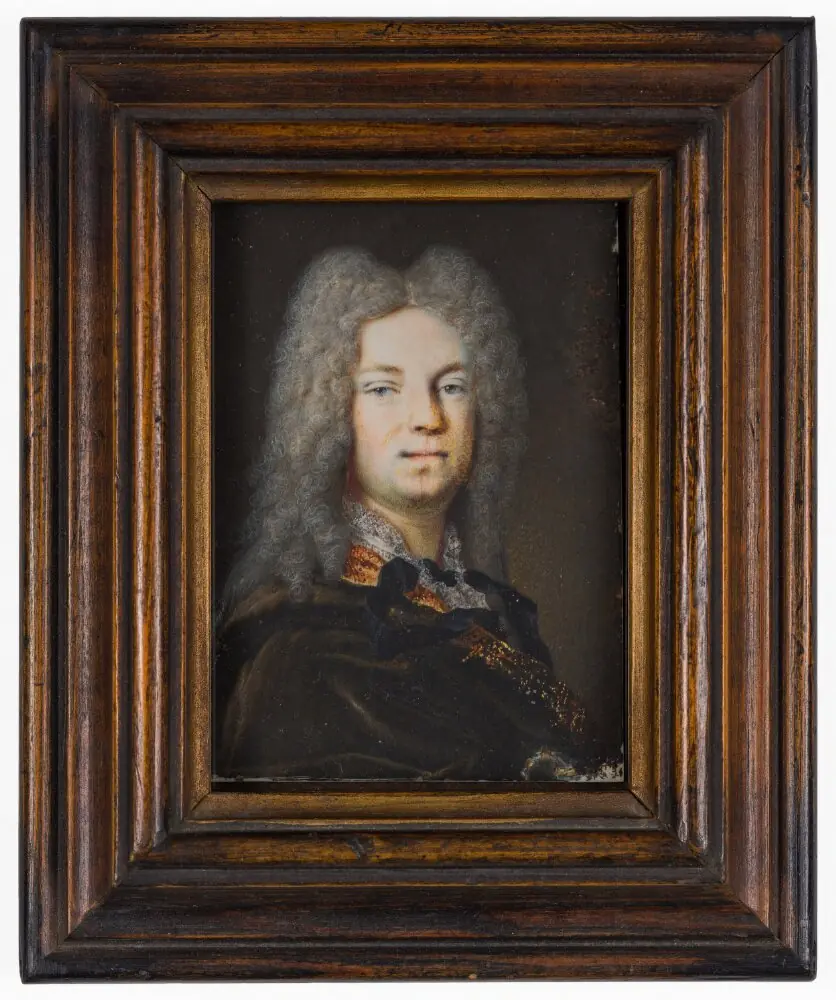 Portrait av Fabian Wrede af Elimä (1694-1768)
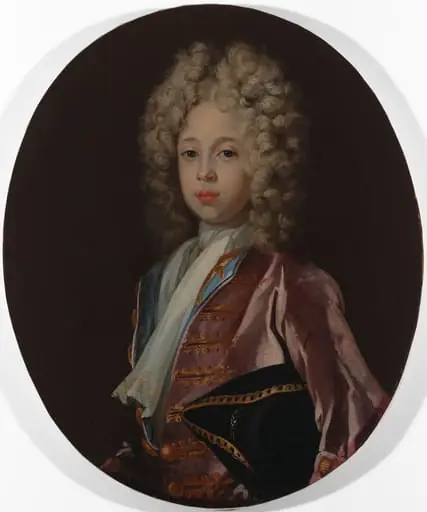 Carl Gustaf von Liewen (1695–1722)
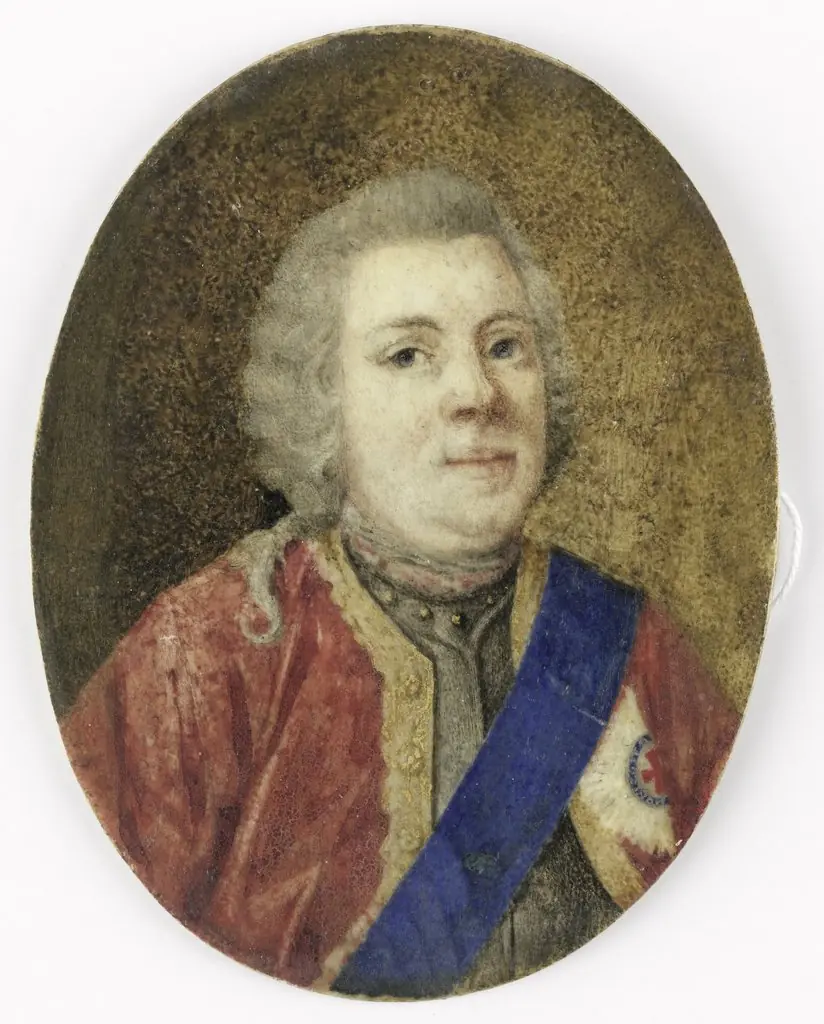 Portrait of Prince Willem IV (1711-51)
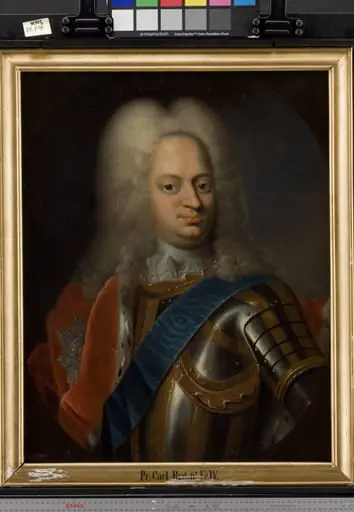 Prins Carl. Frederik IV's broder