Artwork
Karl Fredrik, Duke of Holstein-Gottorp
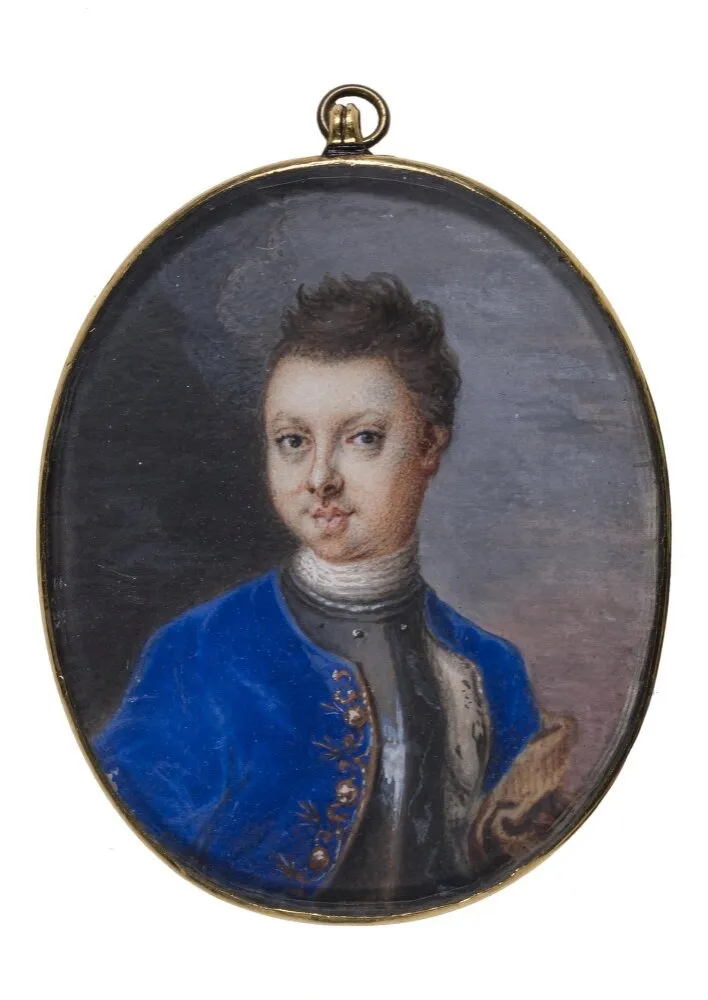
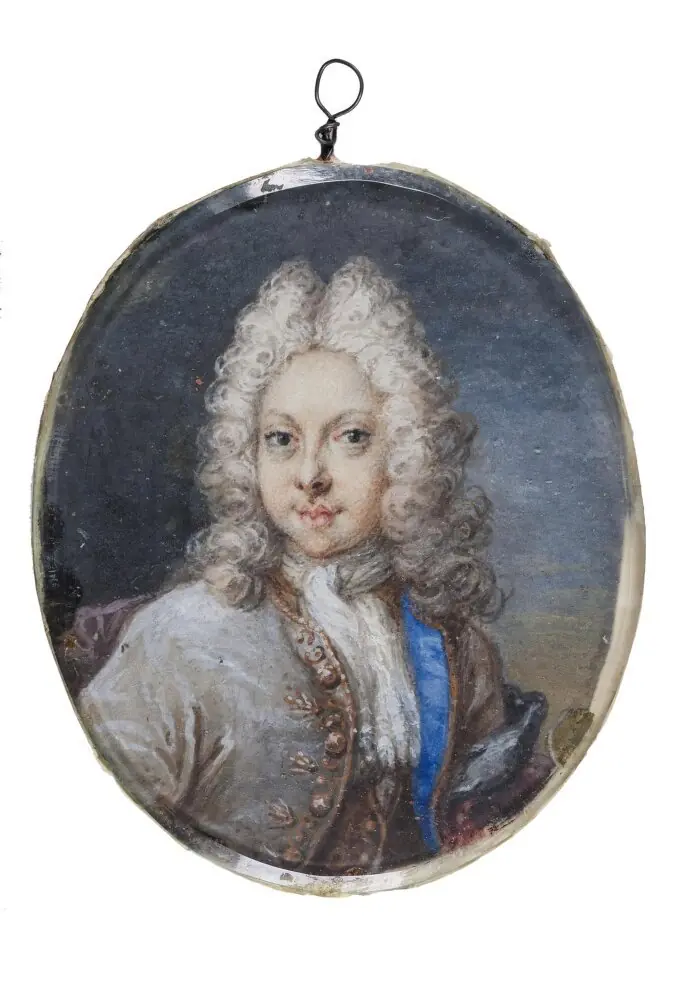
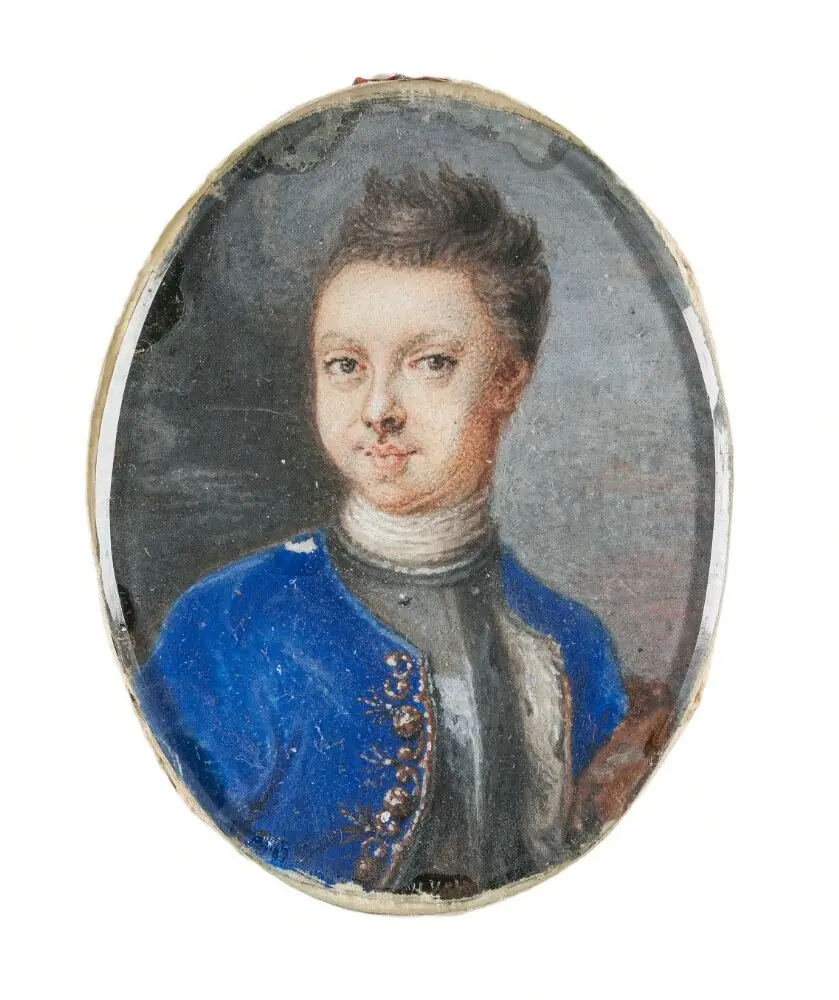
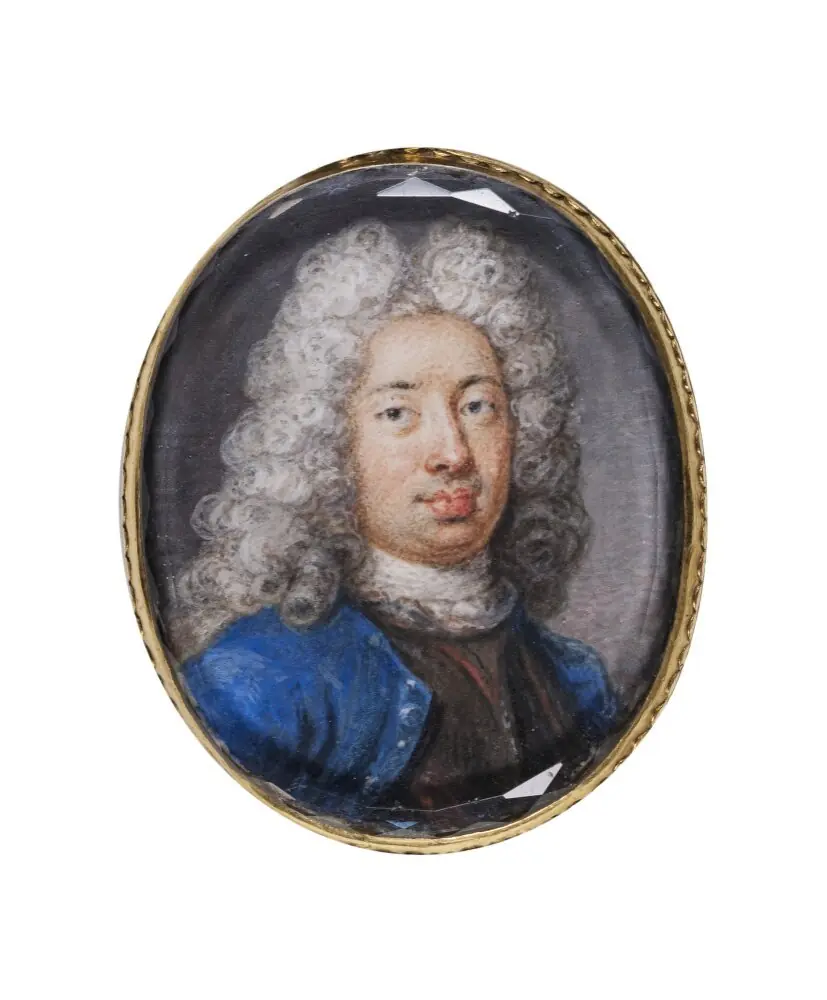
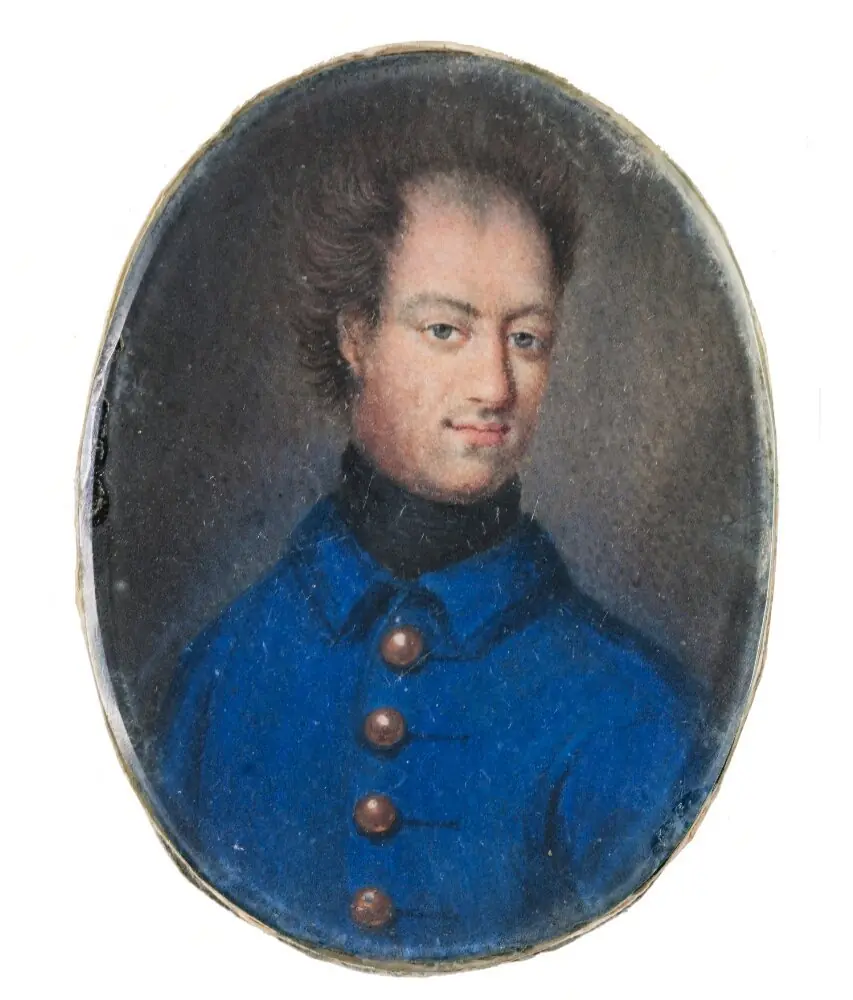
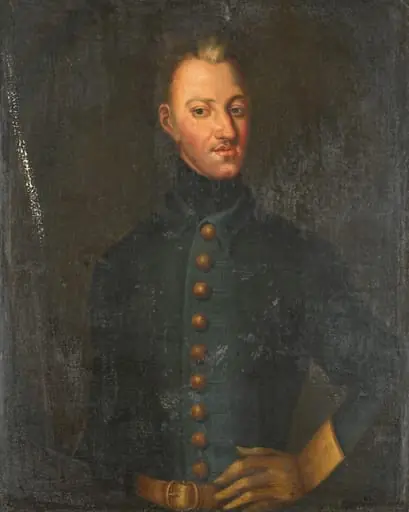
Karl Fredrik, Duke of Holstein-Gottorp is an unspecified painting by the Rococo painting artist David Richter the Younger. It dates from 1714 and is held in the collection of the Nationalmuseum.
About this work
Overview
The work is part of the Nationalmuseum’s collection in Stockholm, where it remains as a representative example of early 18th-century Nordic portraiture.
Painted in 1714 by David Richter the Younger, this portrait captures Charles Frederick, Duke of Holstein-Gottorp, a Scandinavian nobleman with ties to the Swedish royal family. The work is part of the Nationalmuseum’s collection in Stockholm, where it remains as a representative example of early 18th-century Nordic portraiture. Richter’s approach emphasizes dignity and presence over ornate decoration, aligning with the restrained aesthetic of the period.
Subject & Meaning
Charles Frederick, Duke of Holstein-Gottorp, is portrayed with a composed, direct gaze that conveys authority and introspection. His attire—a blue coat with gold embroidery and a high white collar—signals his aristocratic status without overt grandeur. The absence of symbolic objects or elaborate settings focuses attention on his personal bearing, suggesting a portrait intended to affirm lineage and composure rather than political power or military achievement.
Technique & Style
Richter employs a muted palette dominated by deep browns and blues, with gold accents used sparingly to highlight the coat’s buttons and trim. The dark, unmodeled background isolates the figure, enhancing three-dimensionality through subtle chiaroscuro. Brushwork is precise but not overly refined, favoring clarity over flourish. The texture of fabric and the soft modeling of the face reflect a practical, observational style common among court painters of northern Europe at the time.
History & Provenance
The painting entered the Nationalmuseum’s collection in the 19th century, likely through royal or state acquisition. Its origin traces to the Swedish court, where Charles Frederick was a prominent figure during the Great Northern War. Though little is documented about its early ownership, its preservation suggests it was valued as a representation of dynastic continuity within the House of Holstein-Gottorp, a branch connected to the Swedish throne.
Context
In early 18th-century Scandinavia, portraiture served as a tool for reinforcing noble identity amid political instability. Charles Frederick’s position as heir to the Swedish crown—through his mother, Hedvig Eleonora—made him a figure of dynastic significance. Richter’s restrained style reflects the influence of Dutch and German court painting traditions, which prioritized sober realism over the theatricality seen in southern European courts of the same era.
Legacy
The portrait endures as a quiet testament to the visual language of Nordic nobility during a transitional period. It lacks the flamboyance of Baroque court imagery, instead offering a grounded depiction of aristocratic presence. As one of the few surviving portraits of Charles Frederick, it contributes to the historical record of a lineage that would later produce Peter III of Russia, linking Swedish and Russian imperial history through personal representation.
Artist & collection
Artist
David Richter the Younger (1664–1741) was an artist, born in Storkyrkoförsamlingen.