Artwork
Dr Samuel Brown (1817 - 1856)
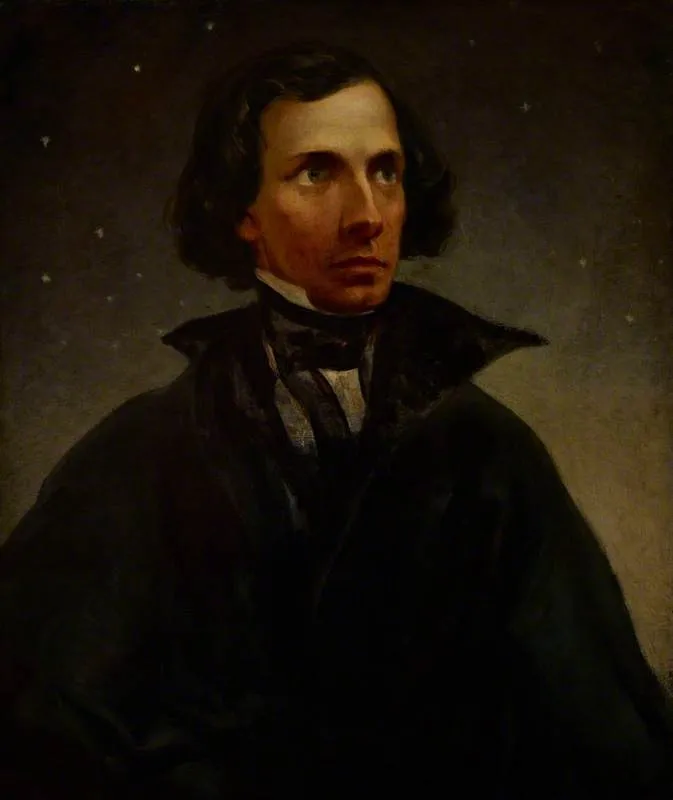
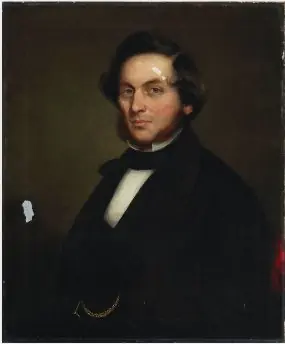
Dr Samuel Brown (1817 - 1856) is an oil painting by David Scott. It dates from 1844 and is held in the collection of the National Galleries Scotland.
About this work
If you're interested in learning more about the artist's use of light and shadow, you might want to look up the technique of chiaroscuro.
This painting depicts a man with dark hair, wearing a dark coat and a white shirt with a dark tie. The background is dark, with small white dots scattered throughout.
The man's attire and the style of the painting suggest a formal portrait from the 19th century. The artist has used chiaroscuro to create a sense of depth and volume in the subject's face and clothing.
If you're interested in learning more about the artist's use of light and shadow, you might want to look up the technique of chiaroscuro.
Overview
Painted in 1844 by Scottish artist David Scott, this oil portrait depicts Dr. Samuel Brown, a physician who lived from 1817 to 1856. The work is part of the collection at the Scottish National Gallery in Edinburgh. Rendered with careful attention to form and tone, the painting reflects the conventions of mid-19th-century portraiture, emphasizing the sitter’s dignity through restrained composition and controlled lighting.
Subject & Meaning
Dr. Samuel Brown is portrayed in formal attire, suggesting his professional status and social standing. His dark coat, white shirt, and subdued tie convey modesty and seriousness, aligning with Victorian ideals of medical professionalism. The direct gaze and still posture invite quiet contemplation, presenting him not as a celebrity but as a figure of quiet authority and intellectual presence.
Technique & Style
Scott employs chiaroscuro to model the sitter’s face and clothing, creating a sense of three-dimensionality against a dark, indistinct background. Subtle gradations of shadow define the contours of the coat and collar, while the white shirt catches minimal light to anchor the composition. The scattered white dots in the background may indicate ambient light or atmospheric texture, enhancing the portrait’s intimate, enclosed mood.
History & Provenance
The painting was completed in 1844 and entered the collection of the Scottish National Gallery at an early stage, likely through donation or acquisition soon after its creation. Its continuous presence in the institution suggests it was valued by contemporaries as a representative example of Scottish portraiture. No record of significant ownership changes exists, indicating stable institutional custody since the 19th century.
Context
In the 1840s, Scottish artists like Scott were increasingly focused on portraying local professionals and intellectuals with psychological depth. This portrait reflects a broader trend in British art toward dignified, unadorned depictions of middle- and upper-class subjects. The absence of elaborate props or symbolic elements underscores a shift toward realism and personal presence over allegory.
Legacy
Though not widely reproduced or celebrated beyond regional circles, the portrait remains a representative work of David Scott’s output and a quiet example of mid-Victorian Scottish portraiture. It contributes to the understanding of how medical professionals were visually constructed in the era—calm, composed, and grounded in everyday dignity rather than grandeur.
Artist & collection
Artist
David Scott painted dramatic scenes from history and myth in oils during the early 1800s.

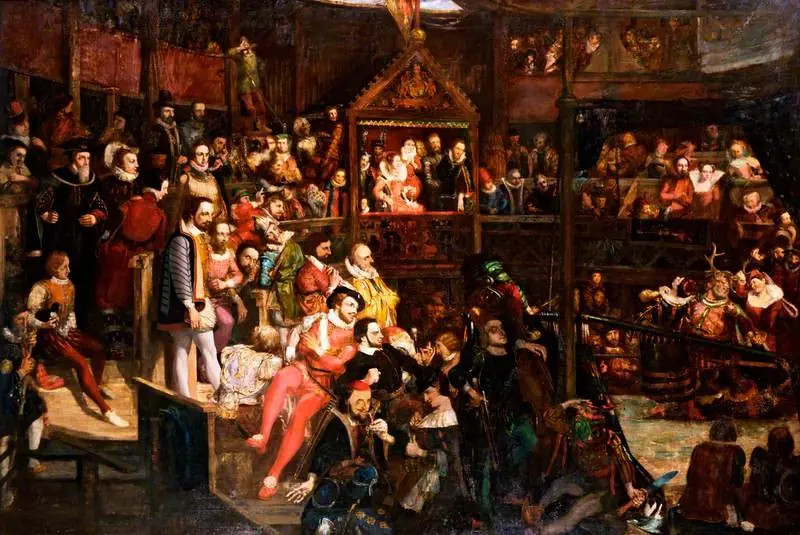 Queen Elizabeth (1533–1603), Viewing the Performance of 'The Merry Wives of Windsor' at the Globe Theatre
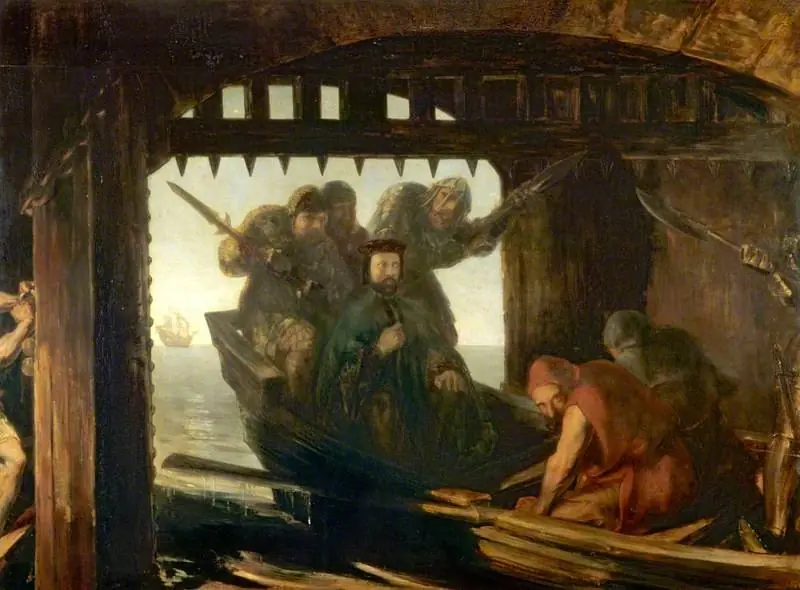 The Traitor's Gate
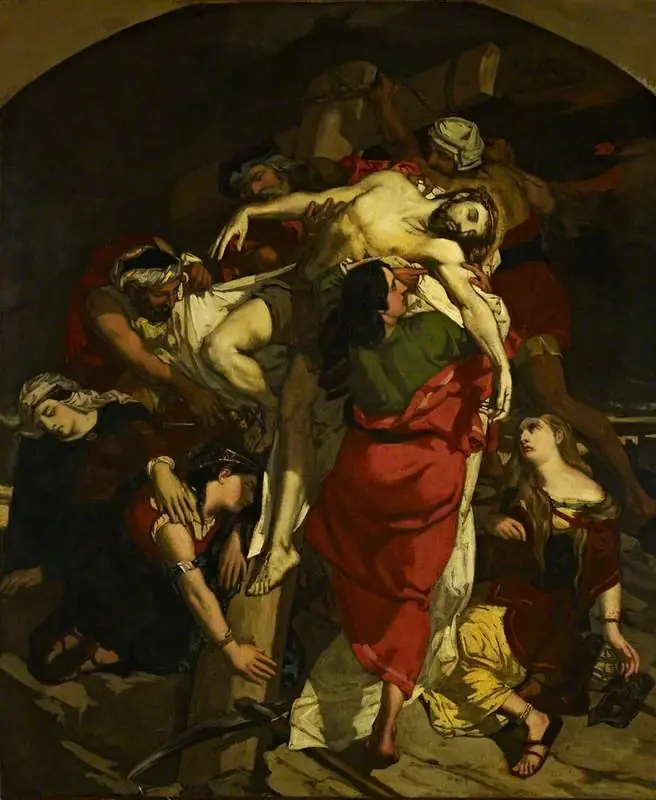 A Study for 'The Descent from the Cross'
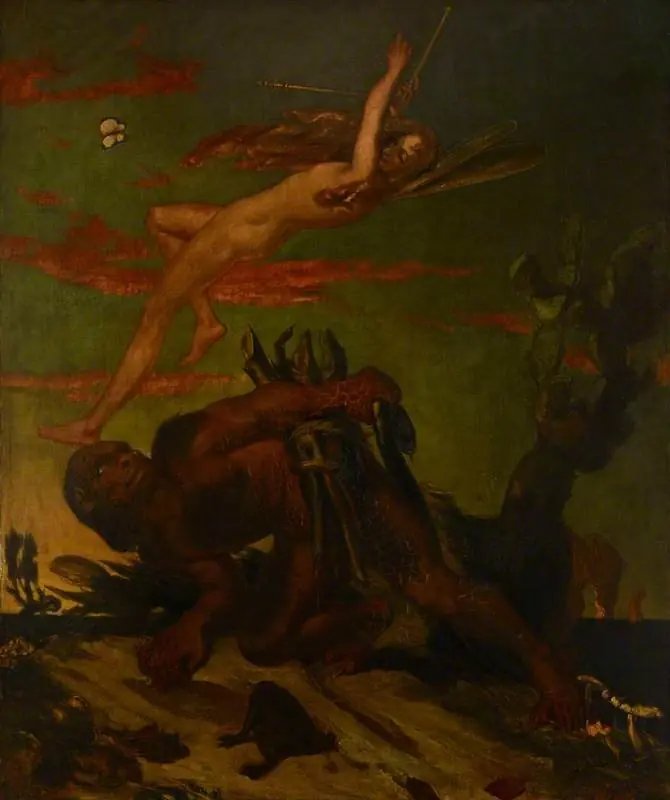 Ariel and Caliban
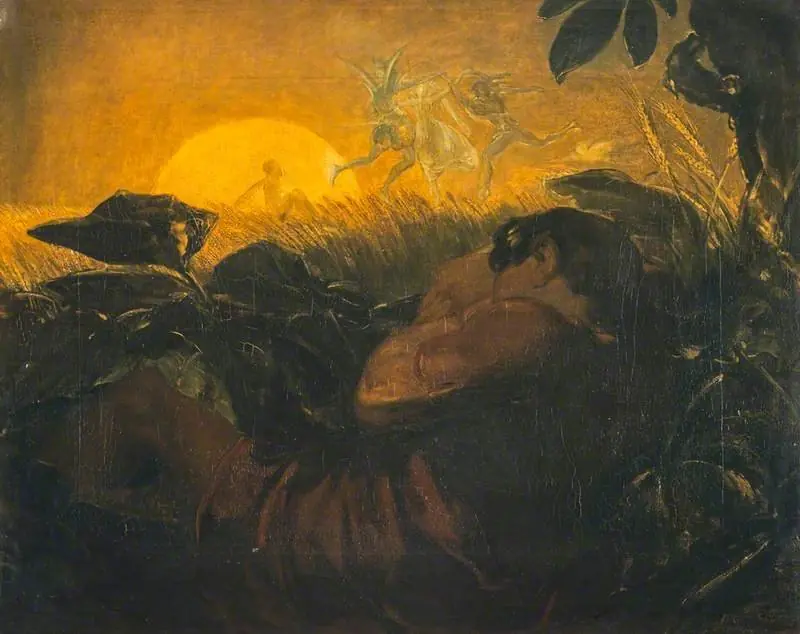 The Belated Peasant (from Milton's 'Paradise Lost')
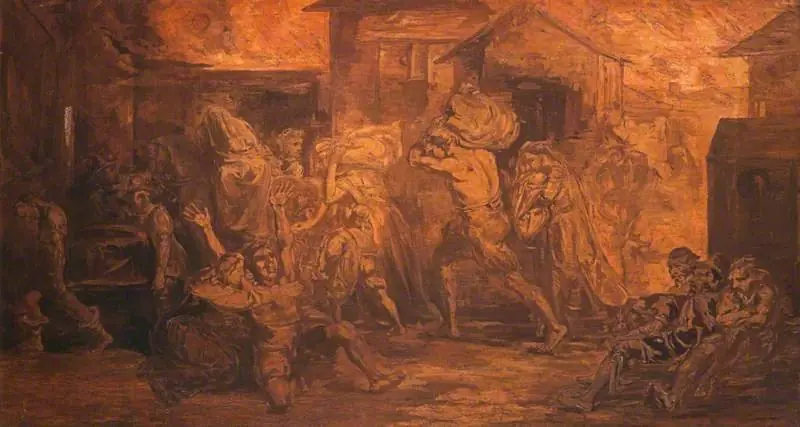 The Fire of London
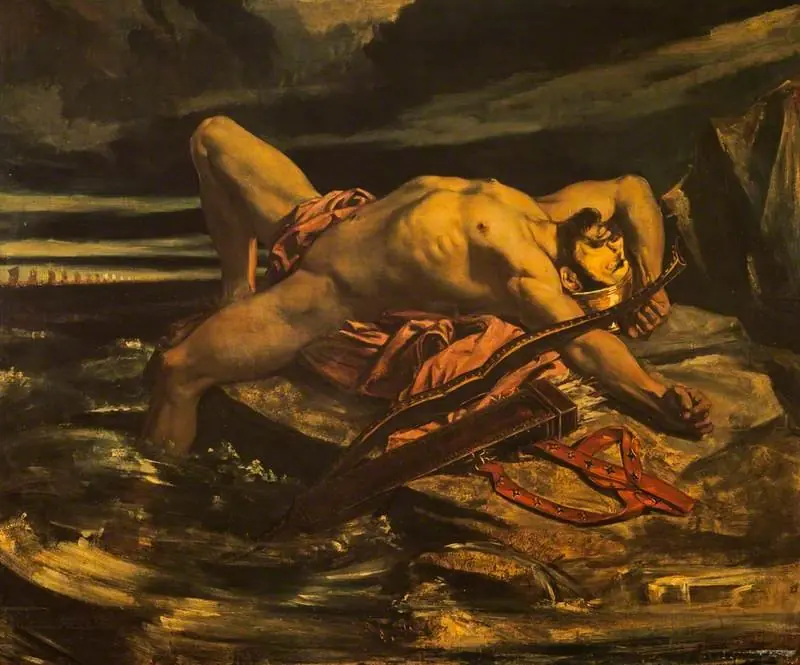 Philoctetes left on the Isle of Lemnos by the Greeks on their passage towards Troy
 The Vintager
 Portrait of Fryderyk Chopin (1810–1849)
 Self-Portrait
 Alexander Van Rensselaer
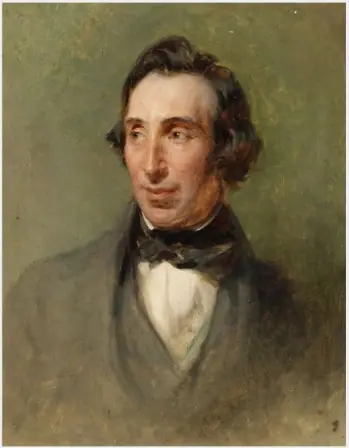 Portrait of John Henry Foley (1818-1874), Sculptor
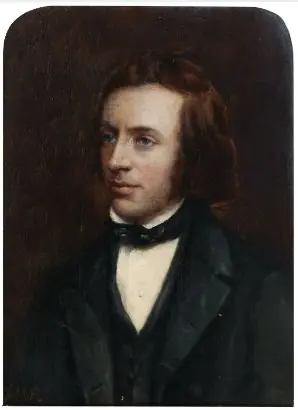 Portrait of Sir Charles Gavan Duffy (1816-1903), Politician
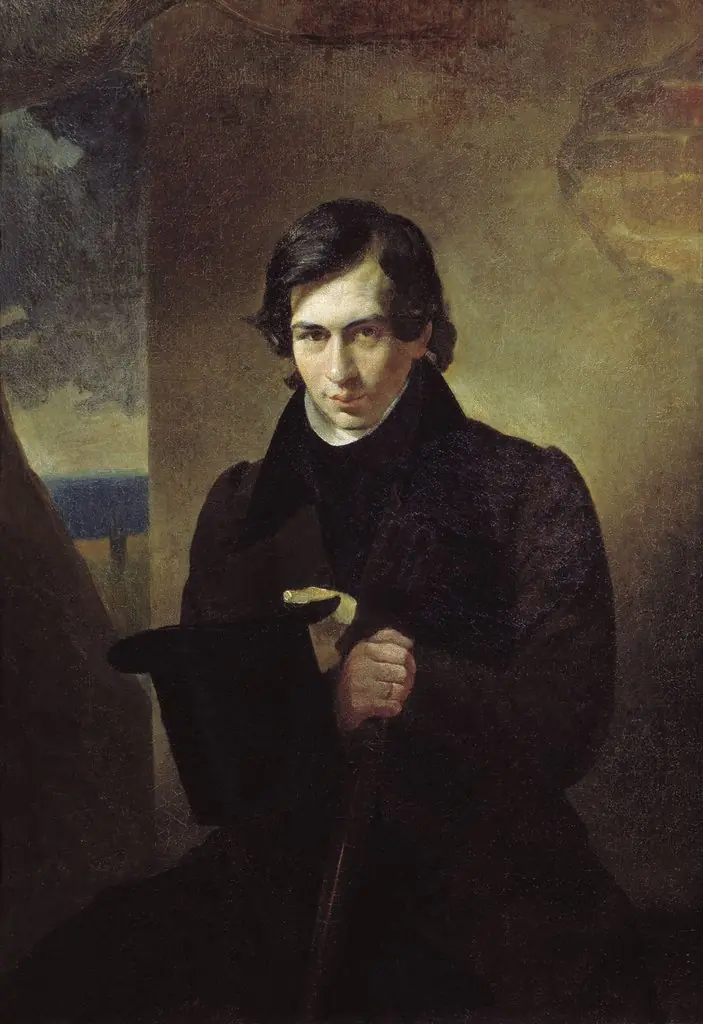 Nestor Kukolnik (1809–1868)
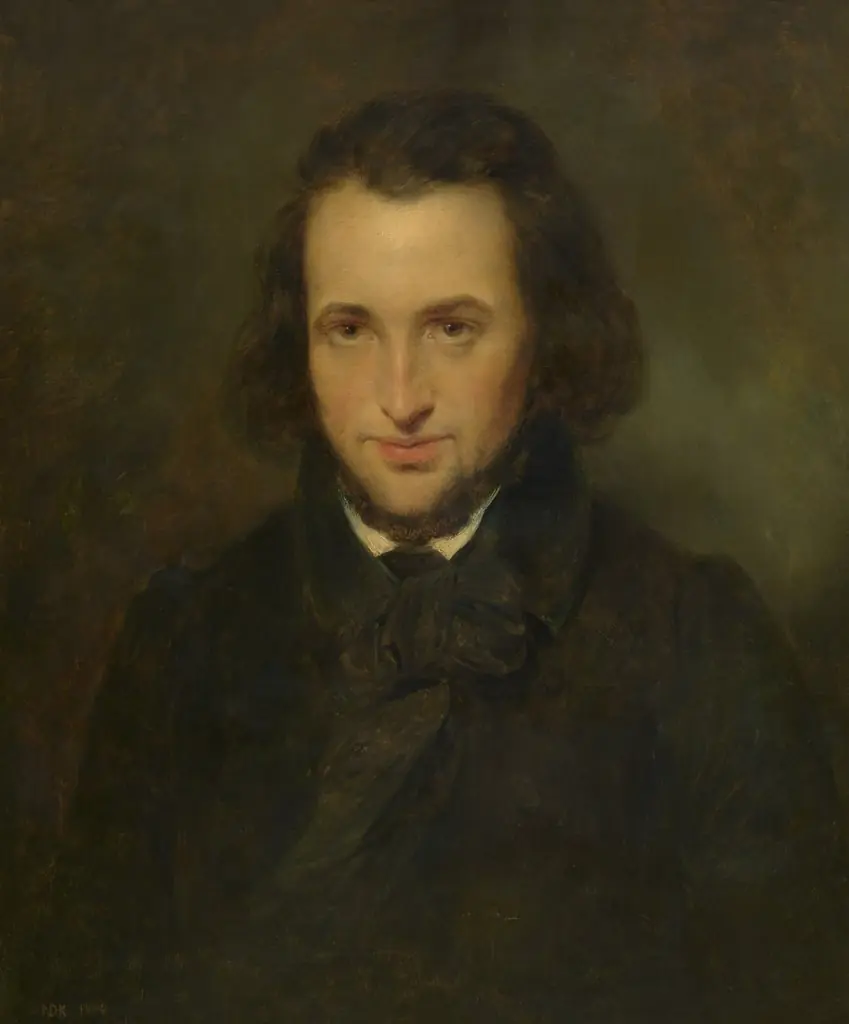 The Printer-Publisher Jozef-Ernest Buschmann
 Portrait of a Man
 Portrait of Timofei Nikolayevich Granovsky
 William Ellery Channing
 John Flaxman
 Portrait of Samuel Lover (1797-1868), Author and Artist