Artwork
Self-Portrait
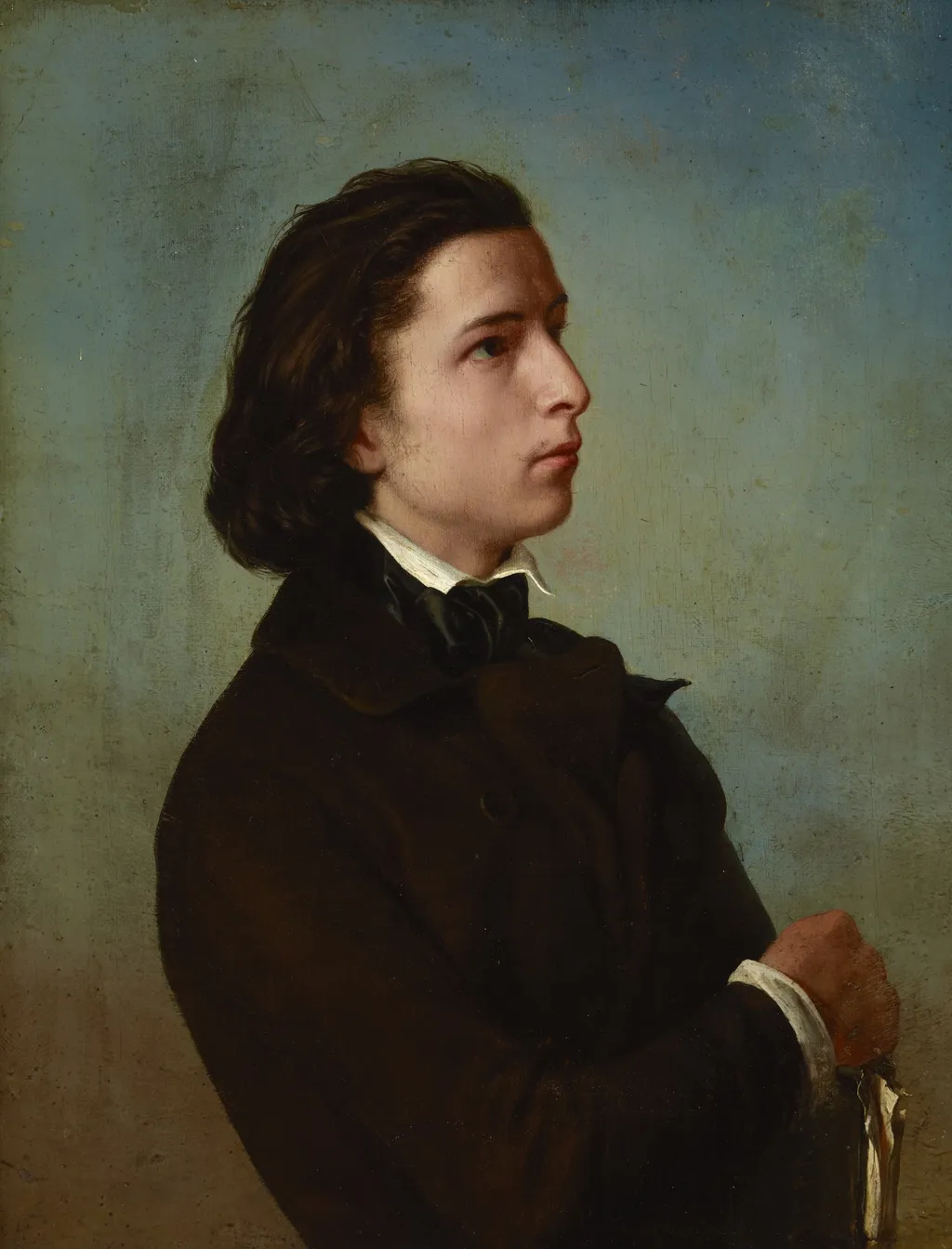
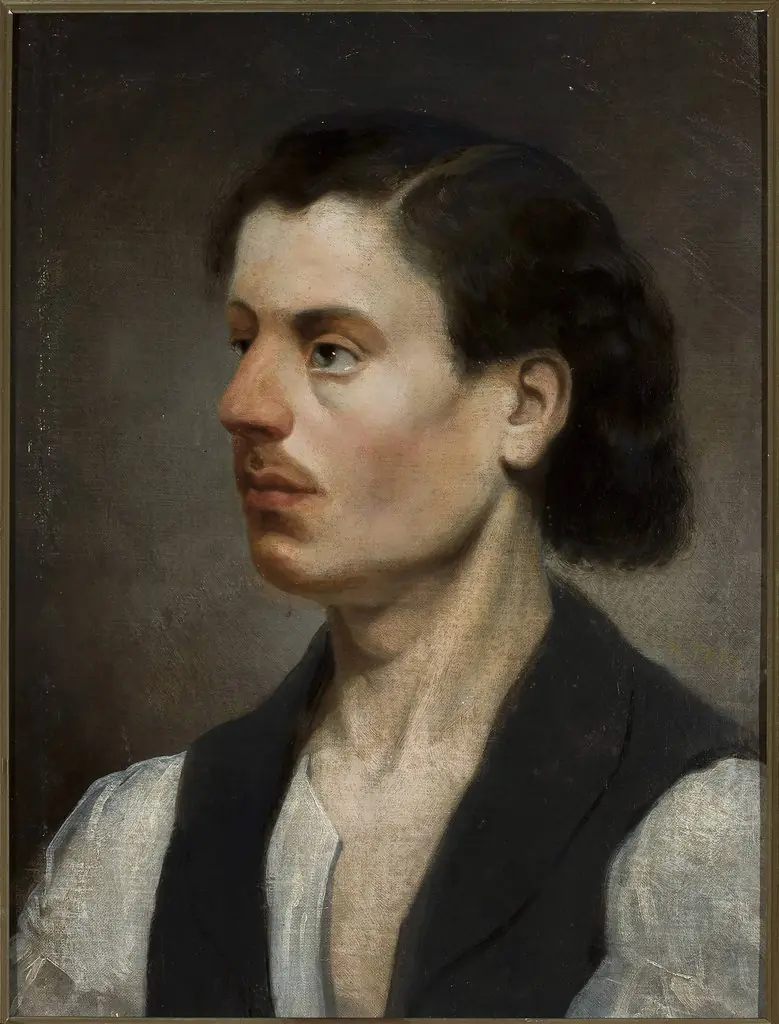
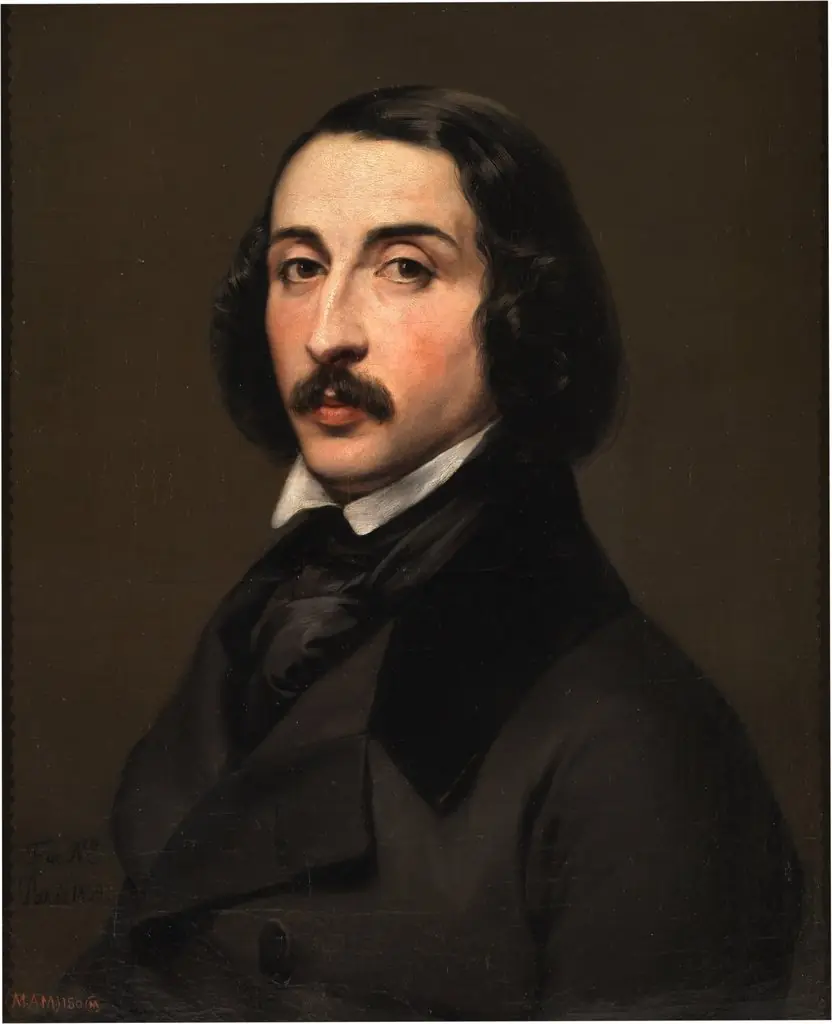
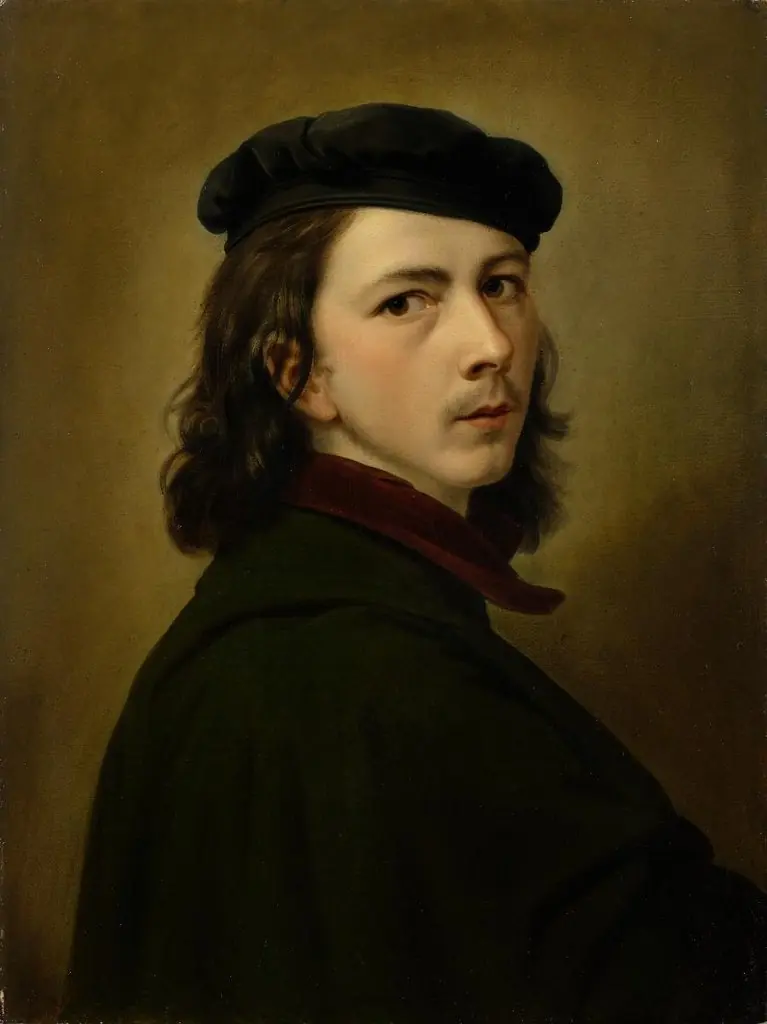
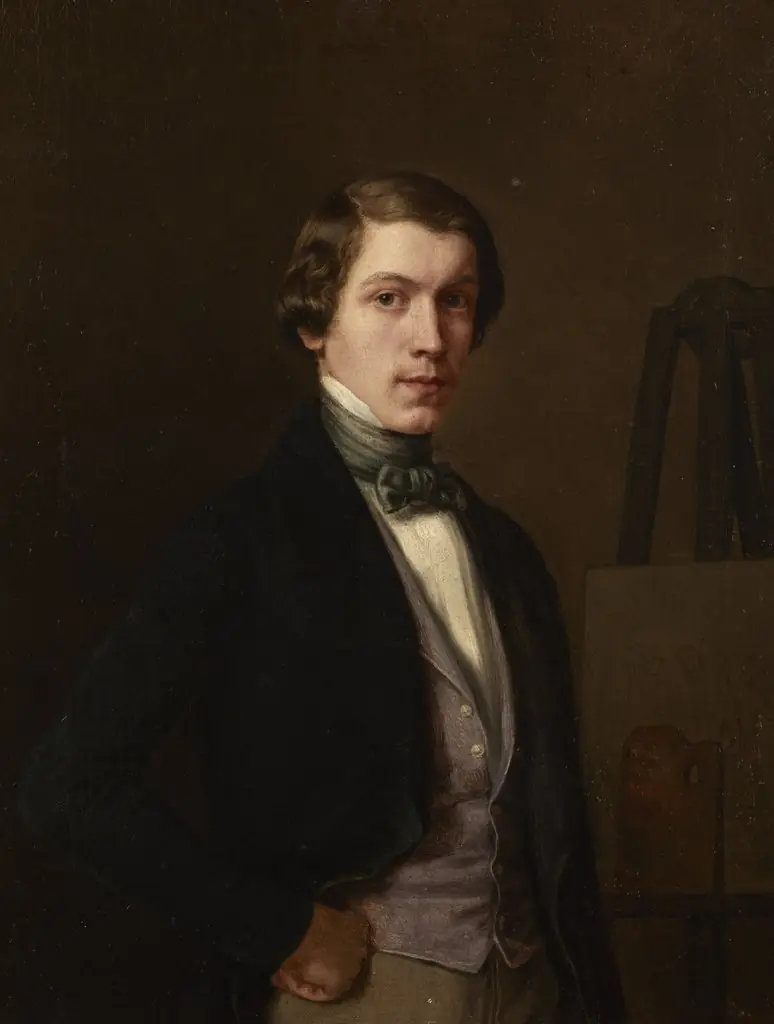
Self-Portrait is an oil painting by Franciszek Tepa. It dates from 1869 and is held in the collection of the National Museum in Kraków.
About this work
The artist's use of chiaroscuro, a technique that uses strong contrasts between light and dark to create a sense of volume, adds depth to the portrait.
This portrait is a self-portrait of a man with dark hair, dressed in a black jacket and white shirt, set against a light blue background. The man's gaze is directed to the right side of the painting.
The man's attire and the style of the painting suggest that it was created in the 19th century. The artist's use of chiaroscuro, a technique that uses strong contrasts between light and dark to create a sense of volume, adds depth to the portrait.
If you're interested in learning more about this artist, you can look up Franciszek Tepa.
Overview
Franciszek Tomasz Tepa painted this self-portrait circa 1869 using oil on canvas. A Polish artist active in the mid-nineteenth century, Tepa is recognized for his portraiture and Orientalist themes. The work is held in the National Museum in Kraków and reflects his technical training and personal presence during a period of political upheaval in Poland.
Subject & Meaning
The portrait presents Tepa in formal attire—a black jacket over a white shirt—gazing to the right, away from the viewer. His expression is reserved, suggesting introspection rather than performance. As a self-portrait made after years of political activism and imprisonment, it may convey quiet resilience, aligning his identity as an artist with his suppressed national commitments.
Technique & Style
Tepa employs chiaroscuro to model the face and clothing, using sharp contrasts between light and shadow to define form. The background is a muted blue, allowing the figure to emerge with clarity. Brushwork is controlled and precise, typical of academic realism, with attention to texture in fabric and subtle gradations in skin tone, avoiding theatricality.
History & Provenance
Created around 1869, the painting emerged after Tepa’s involvement in the 1848 revolutions and subsequent imprisonment for his role in Poland’s independence efforts. It entered the collection of the National Museum in Kraków, where it remains today. Its survival reflects both the artist’s endurance and institutional recognition of his contributions to Polish art.
Context
Tepa worked during a time when Polish cultural identity was suppressed under foreign partitions. Artists often used portraiture to assert individual and national presence. His engagement with realism, alongside his interest in Orientalist subjects, placed him within broader European trends while maintaining a distinctly Polish perspective shaped by political exile and memory.
Legacy
Though not widely known outside Poland, Tepa’s self-portrait stands as a quiet testament to the intersection of personal identity and national struggle. His work contributed to the development of Polish academic portraiture and remains a documented example of how artists navigated political repression through disciplined, inward-looking representation.
Own this work as a print
Artist & collection
Artist
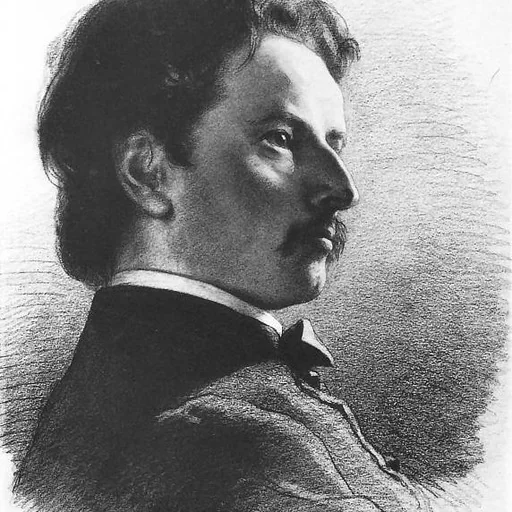
Franciszek Tomasz Tepa (17 September 1829, in Lwów – 23 December 1889, in Lwów) was a Polish mid-19th century realist painter who specialized in portraits and Orientalist themes.