Artwork
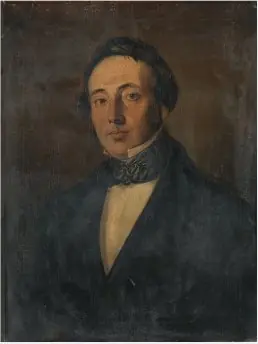
Portrait of John Henry Foley (1818-1874), Sculptor
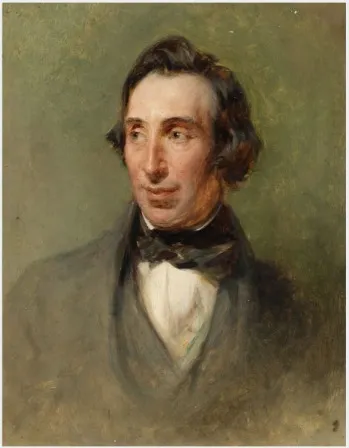
Portrait of John Henry Foley (1818-1874), Sculptor is an unspecified painting by Thomas Mogford. It dates from 1844 and is held in the collection of the National Gallery of Ireland.
About this work
Overview
Mogford, known for his quiet realism, presents Foley without theatrical flourish, emphasizing his presence as a working artist rather than a public figure.
Painted around 1844 by Thomas Mogford, this portrait captures John Henry Foley, a prominent Irish sculptor of the 19th century. The work is part of the National Gallery of Ireland’s collection and reflects the tradition of professional portraiture during the Victorian era. Mogford, known for his quiet realism, presents Foley without theatrical flourish, emphasizing his presence as a working artist rather than a public figure.
Subject & Meaning
John Henry Foley is depicted in formal attire, suggesting his status as a respected sculptor in London’s artistic circles. His neutral expression and direct yet unassuming gaze convey composure and professionalism. The portrait does not idealize or dramatize; instead, it anchors Foley in his identity as a craftsman, aligning with the Victorian reverence for diligence and quiet achievement in the arts.
Technique & Style
Mogford employs a restrained palette dominated by dark tones and a muted green backdrop, focusing attention on Foley’s face and attire. Brushwork is precise but not overly refined, favoring clarity over ornamentation. The lighting is even, avoiding dramatic contrasts, which reinforces the portrait’s documentary tone. This approach reflects Mogford’s broader tendency toward understated realism in his depictions of cultural figures.
History & Provenance
The painting entered the National Gallery of Ireland’s collection in the 20th century, likely through donation or institutional acquisition. Its provenance traces back to Foley’s circle, possibly gifted or sold shortly after its completion. While little is documented about its early ownership, its preservation suggests recognition of Foley’s significance in Irish art history and the portrait’s value as a record of his likeness.
Context
In the 1840s, Ireland was experiencing a revival of interest in native artists and intellectuals. Foley, soon to become a leading sculptor in London, was part of this emerging generation. Mogford’s portrait aligns with a broader trend of documenting cultural figures through straightforward likenesses, reflecting a shift from aristocratic grandeur to professional identity in portraiture during the early Victorian period.
Legacy
The portrait endures as a visual record of Foley at the outset of his career, before his major public commissions. It offers insight into how artists of the time were perceived—not as celebrities, but as serious practitioners. Mogford’s unembellished style contributes to its historical utility, preserving Foley’s appearance with fidelity and contributing to the visual archive of 19th-century Irish artistry.
Artist & collection

 Martin Luther Hurlbut
 Martin Luther Hurlbut
 Portrait of Sir Charles Gavan Duffy (1816-1903), Politician
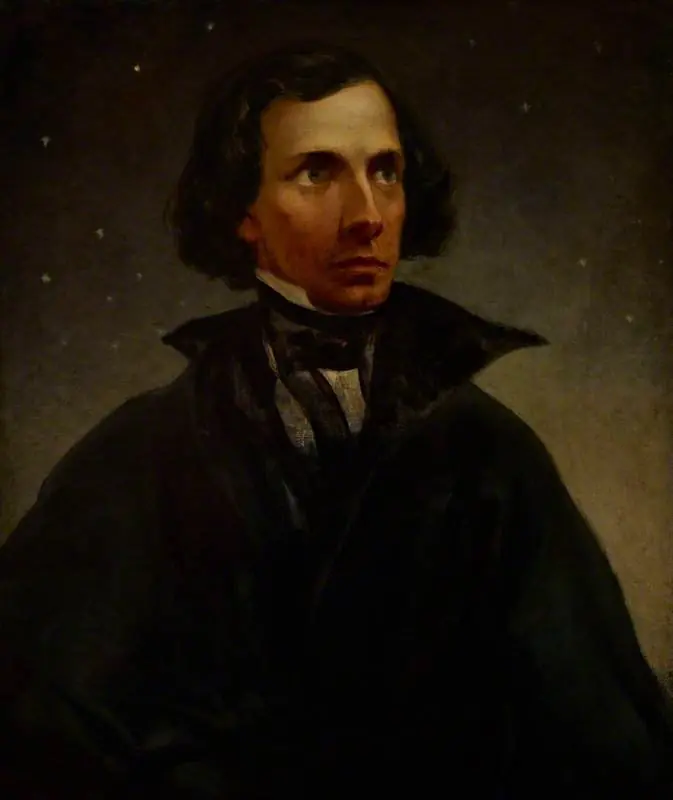 Dr Samuel Brown (1817 - 1856)
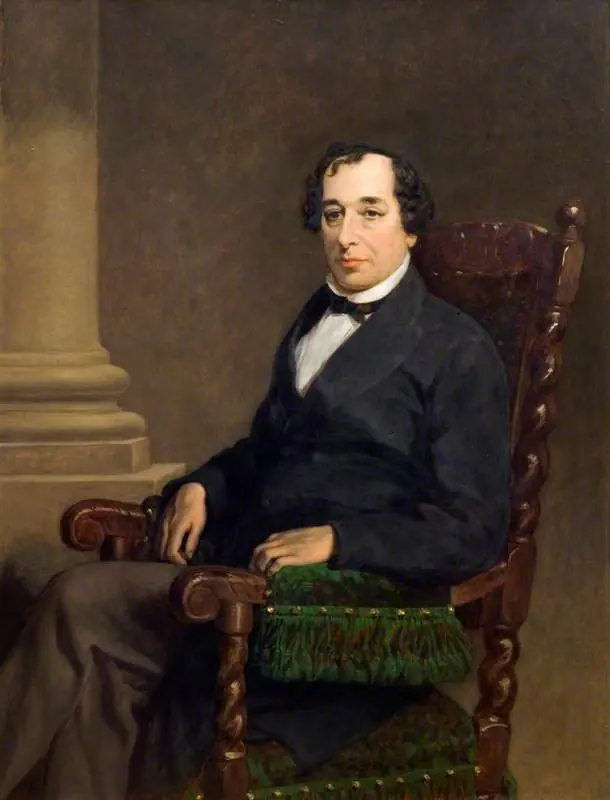 The Right Honourable Benjamin Disraeli (1804–1881), MP, Later Earl of Beaconsfield
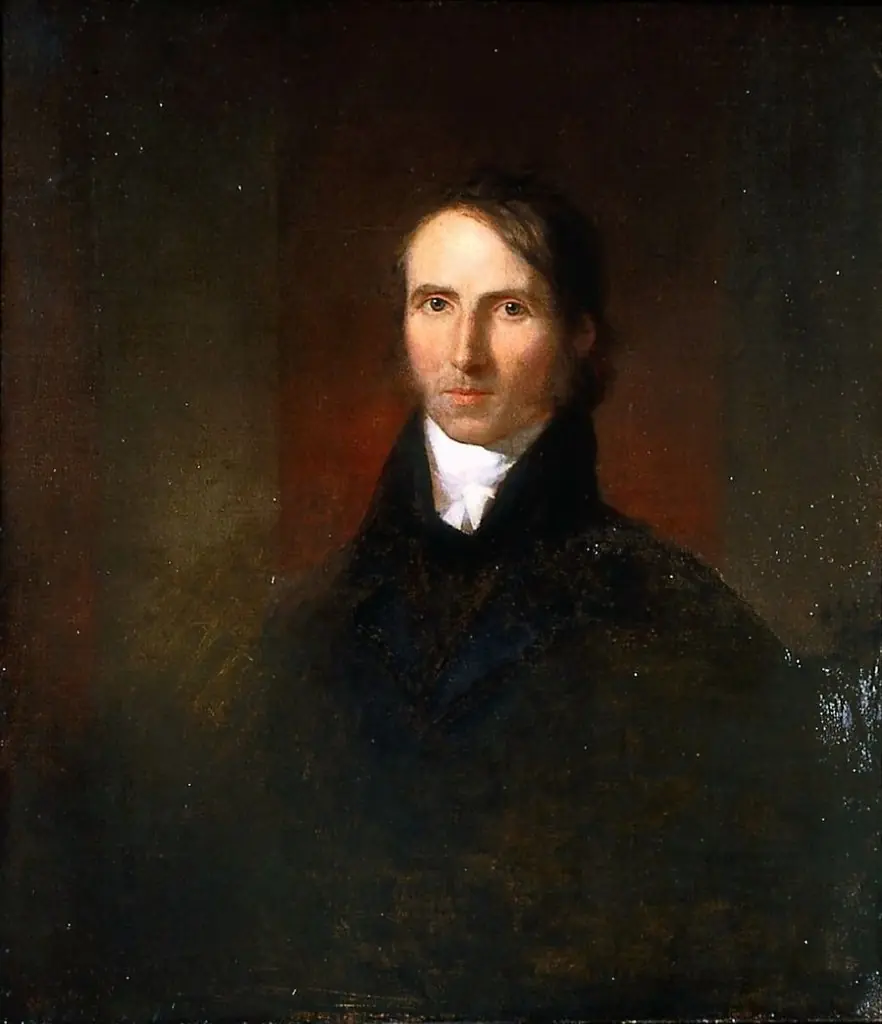 William Ellery Channing
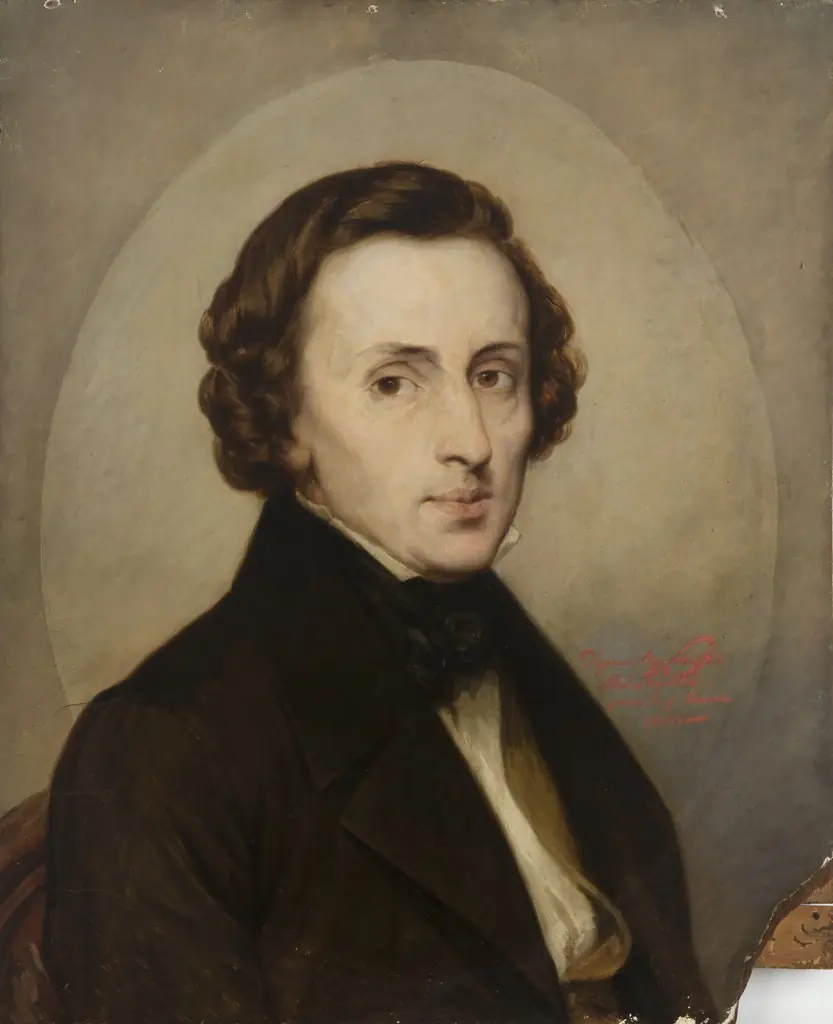 Portrait of Fryderyk Chopin (1810–1849)
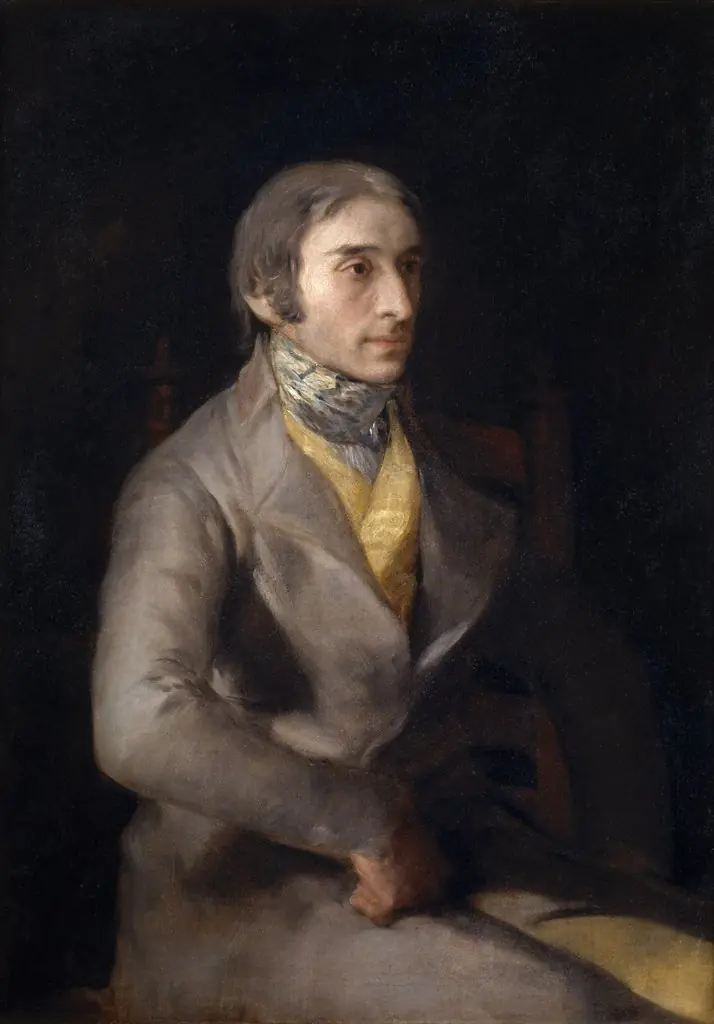 Portrait of Manuel Silvela
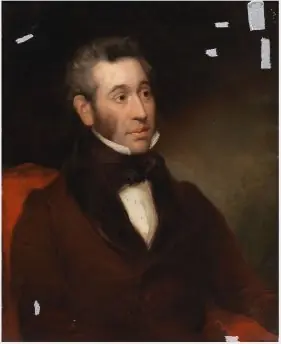 Portrait of John Banim (1798-1842), Novelist and Poet
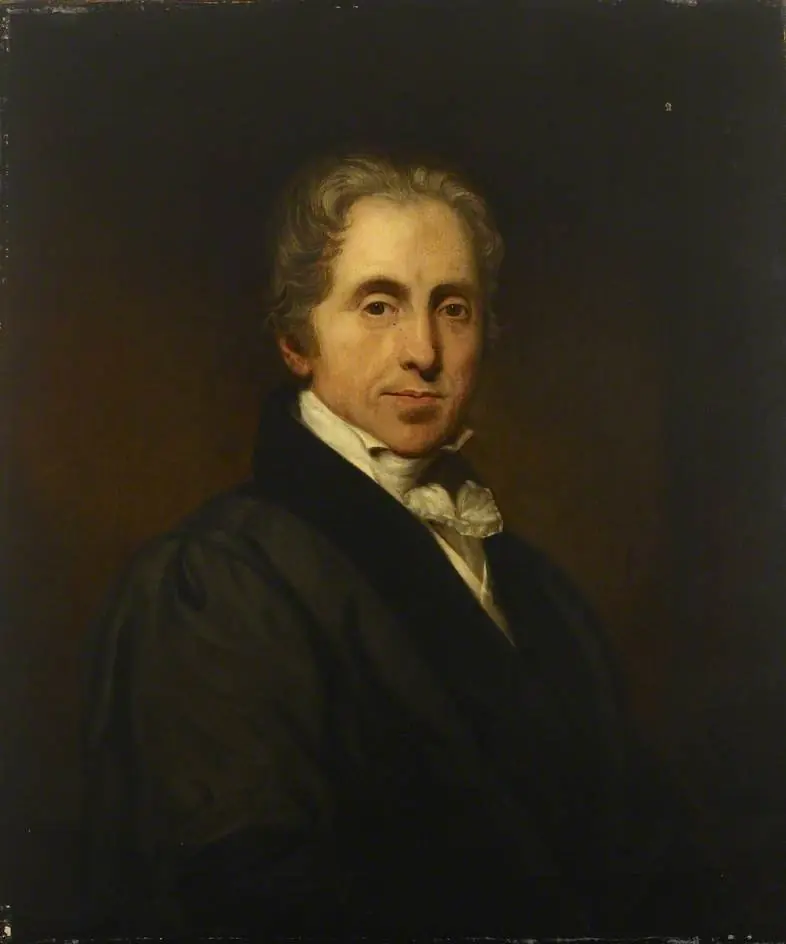 John Shute Duncan
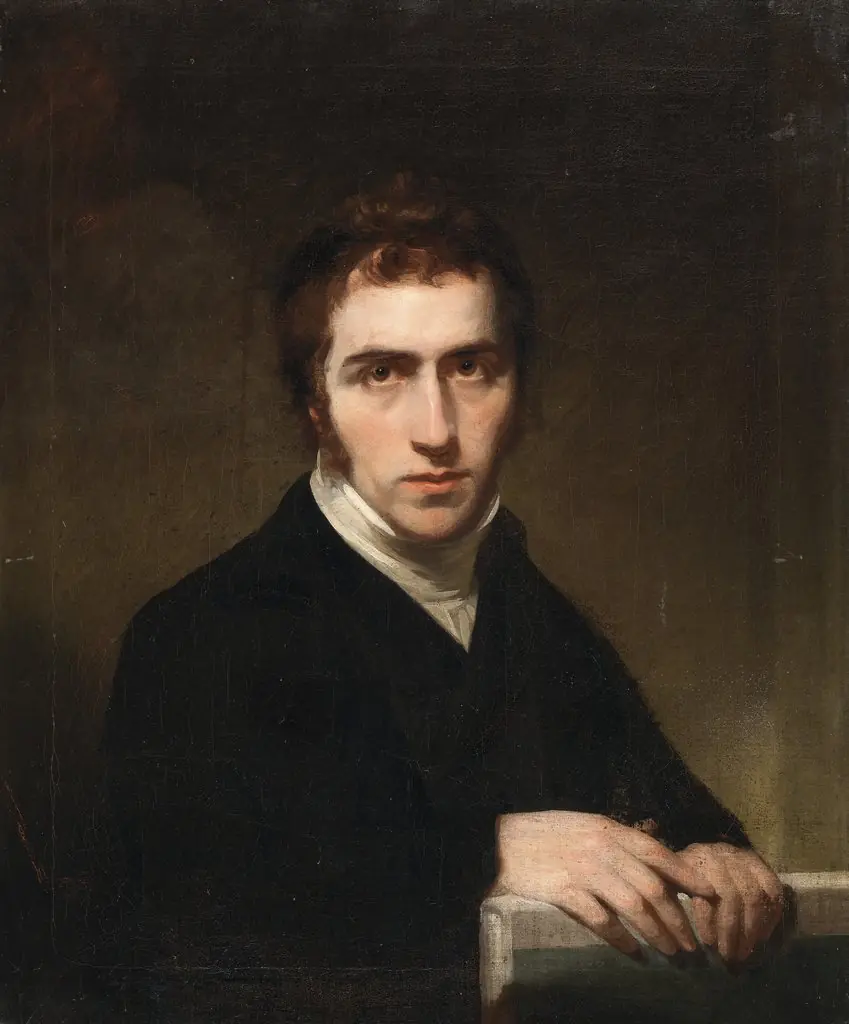 Self-Portrait
 Portrait of Richard Robert Madden (1798-1886), Author