Artwork
Peasant Court with an Old Woman and a Cat
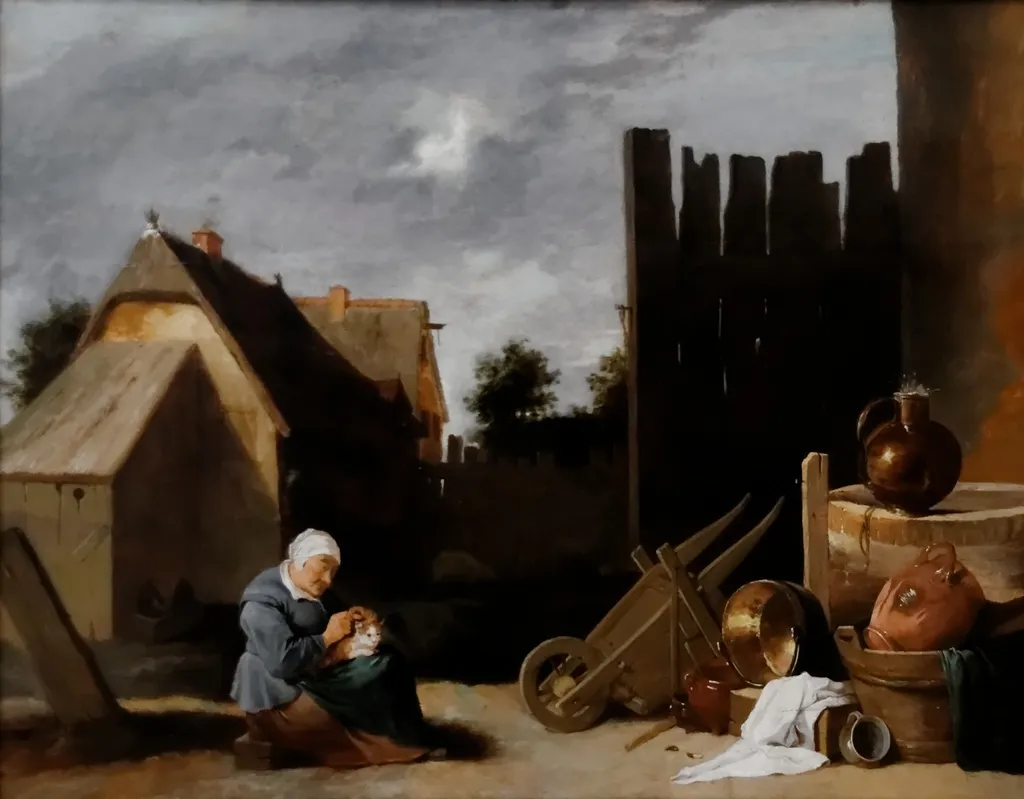
Peasant Court with an Old Woman and a Cat is an oil painting by the Flemish Baroque painting artist David Teniers the Younger. It dates from 1660 and is held in the collection of the Museum of Fine Arts, Budapest.
About this work
Overview
Painted around 1660 by David Teniers the Younger, this oil work captures a quiet moment in rural life. It is part of the collection at the Museum of Fine Arts in Budapest. The scene unfolds in a modest outdoor setting, where everyday figures and animals coexist without drama. The composition avoids grandeur, focusing instead on stillness and subtle human-animal interaction.
Subject & Meaning
An elderly woman sits on the ground, gently stroking a cat that rests calmly beside her. Their quiet communion suggests a moment of solace amid laborious rural existence. No legal proceedings or crowd are present, despite the title’s reference to a court—perhaps hinting at informal community gatherings. The cat, neither feared nor revered, becomes a silent witness to ordinary dignity.
Technique & Style
Teniers employs visible, deliberate brushwork to render textures of fabric, wood, and fur without idealization. A restrained palette of ochres, greens, and muted blues grounds the scene in realism. Subtle chiaroscuro defines form and space, casting soft shadows that enhance depth without theatricality. The handling of light feels natural, not staged, reinforcing the painting’s unembellished tone.
History & Provenance
The painting entered the Museum of Fine Arts, Budapest, in the early 20th century as part of a larger collection of Flemish works. Its attribution to Teniers has remained consistent since its acquisition. Earlier records are sparse, but its style aligns with the artist’s later period, when he increasingly focused on intimate peasant scenes rather than bustling taverns or festivals.
Context
In mid-17th-century Flanders, depictions of rural life gained favor among urban collectors seeking authenticity. Teniers, long associated with genre scenes, shifted toward quieter, more contemplative subjects in his later years. This painting reflects a broader trend: the elevation of humble moments into subjects worthy of artistic attention, without moralizing or caricature.
Legacy
The work stands as an example of how Flemish genre painting evolved beyond satire into quiet observation. It influenced later realist traditions by affirming the emotional weight of unremarkable moments. Though not widely reproduced, its restrained composition and empathetic gaze continue to resonate in studies of everyday life in early modern European art.
Own this work as a print
Artist & collection
Artist
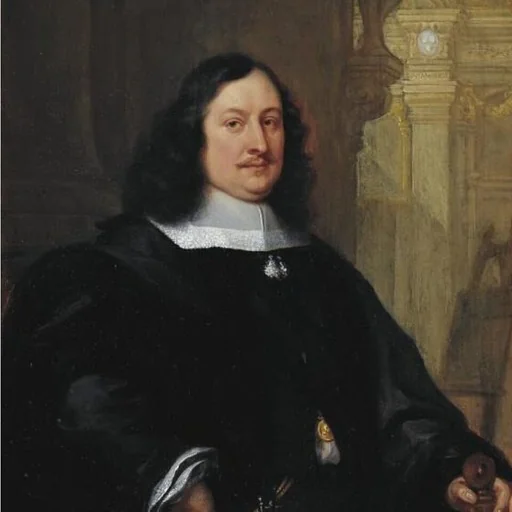
David Teniers the Younger or David Teniers II was a Flemish Baroque painter, printmaker, and artist.

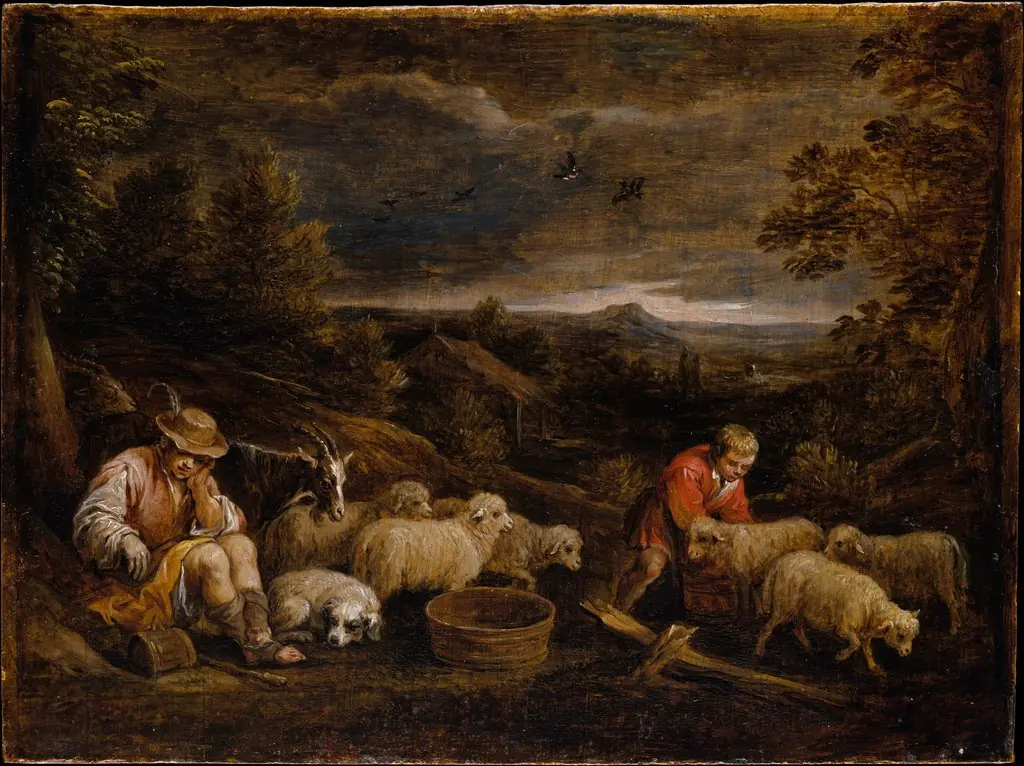
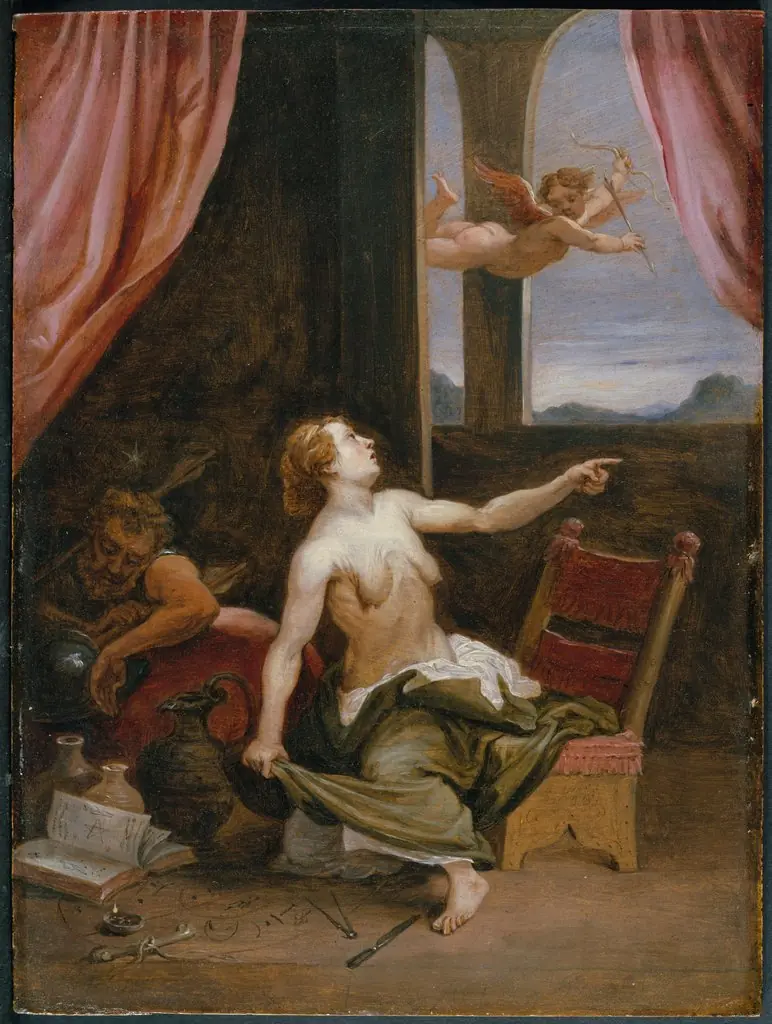
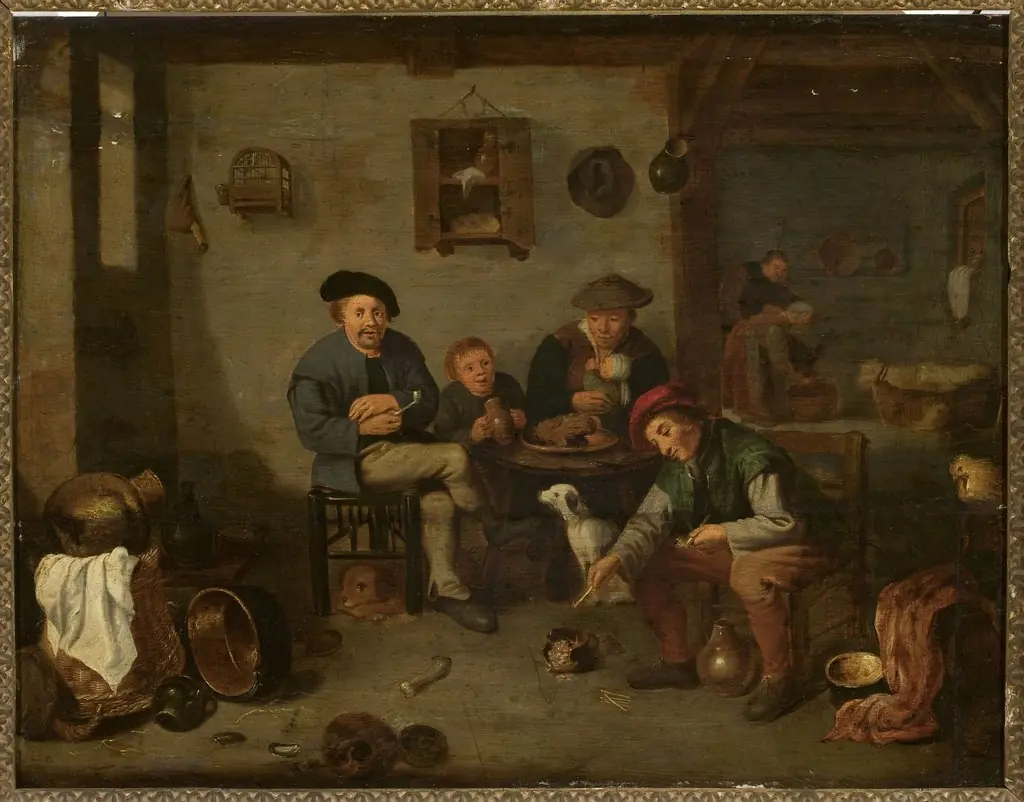 Genre scene in the countryside
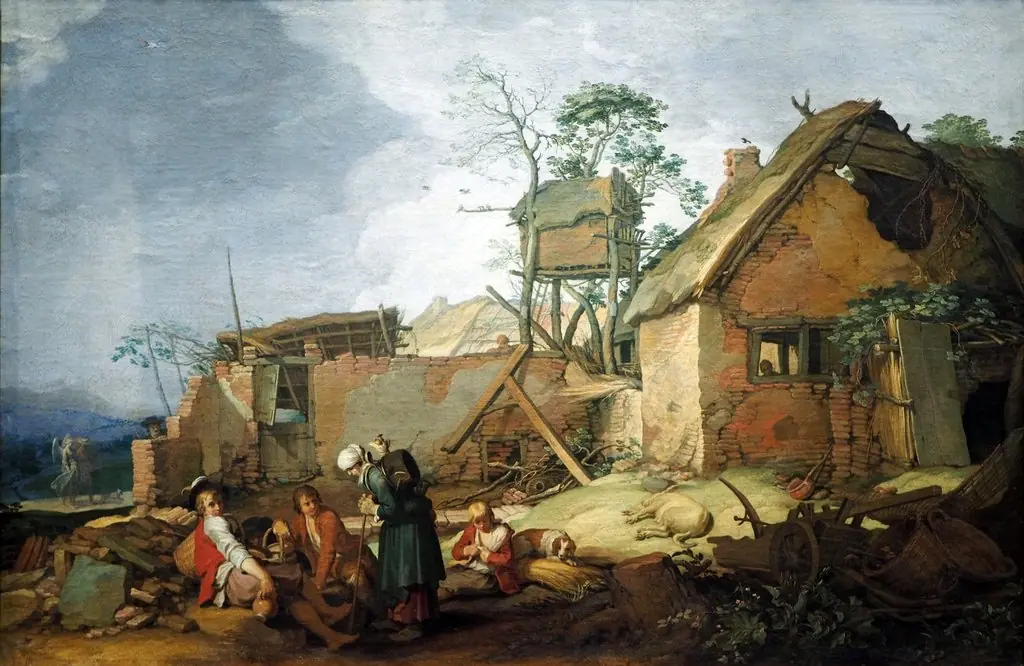 Landscape with Farmhouse
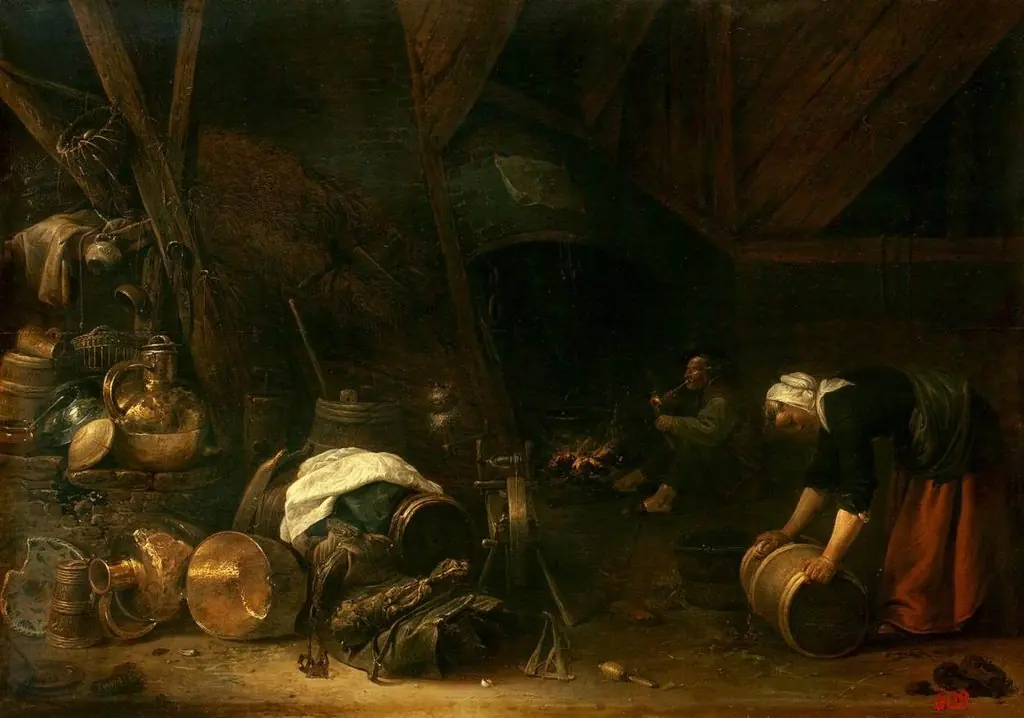 Interior of a Peasant Hut
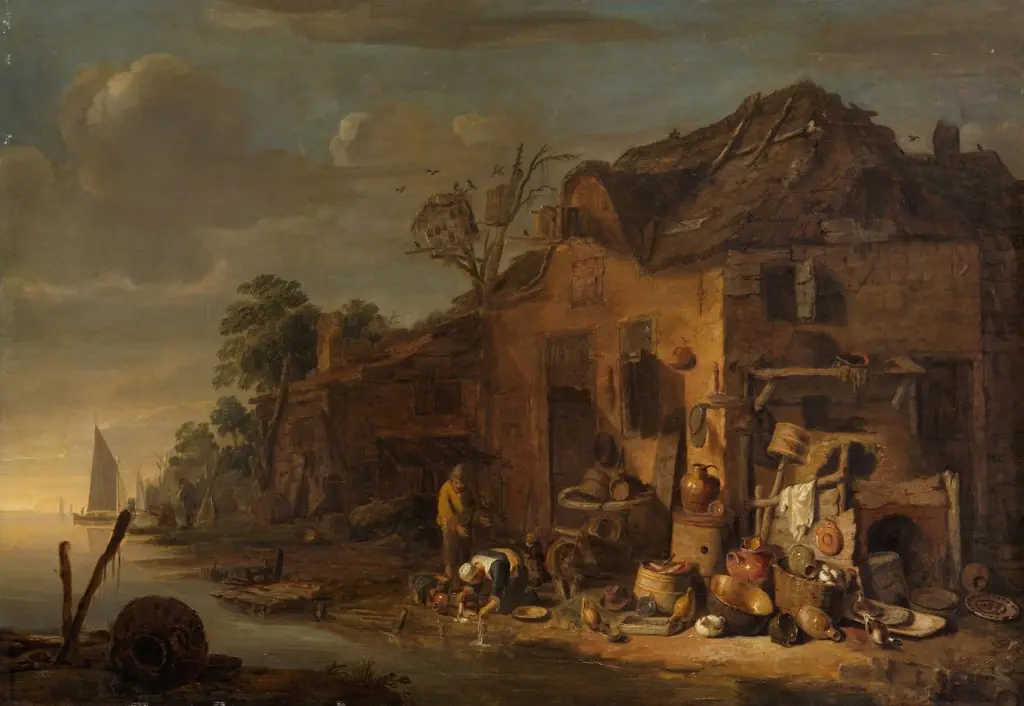 Landscape with farm at a river
 Interior flamand (olandez)
 The Rest on the Flight into Egypt
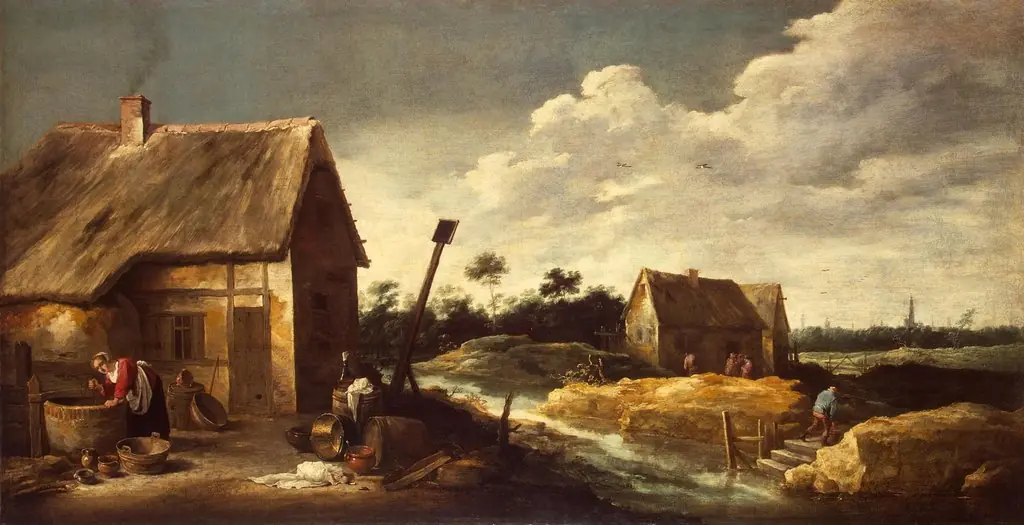 Landscape with a Maid at the Well
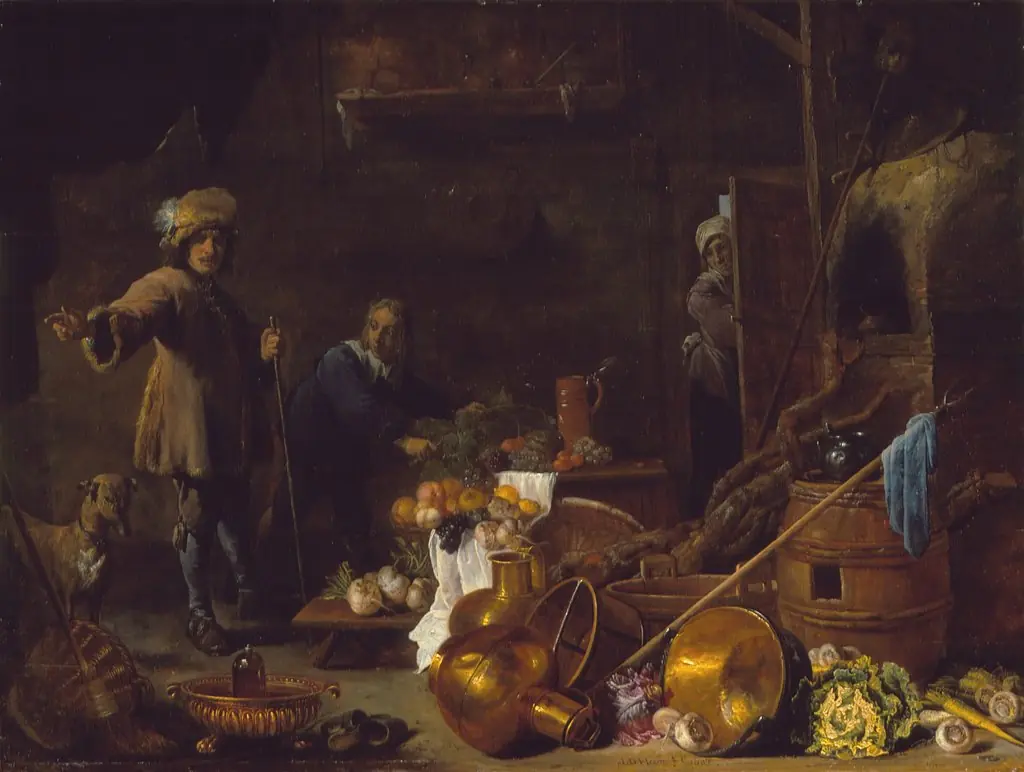 Kitchen Interior
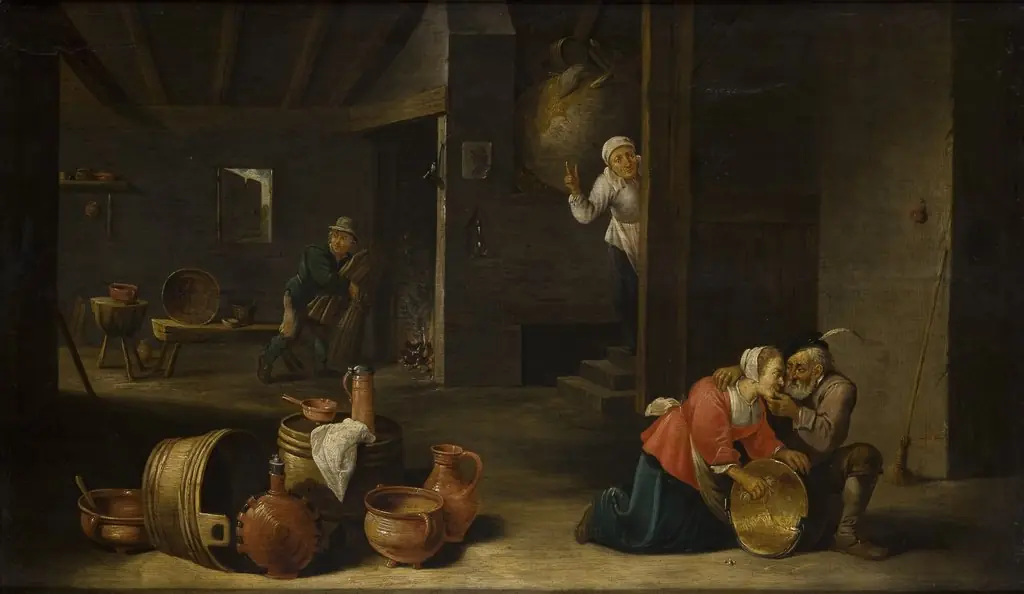 Unpleasant Surprise (Mismatched Couple)
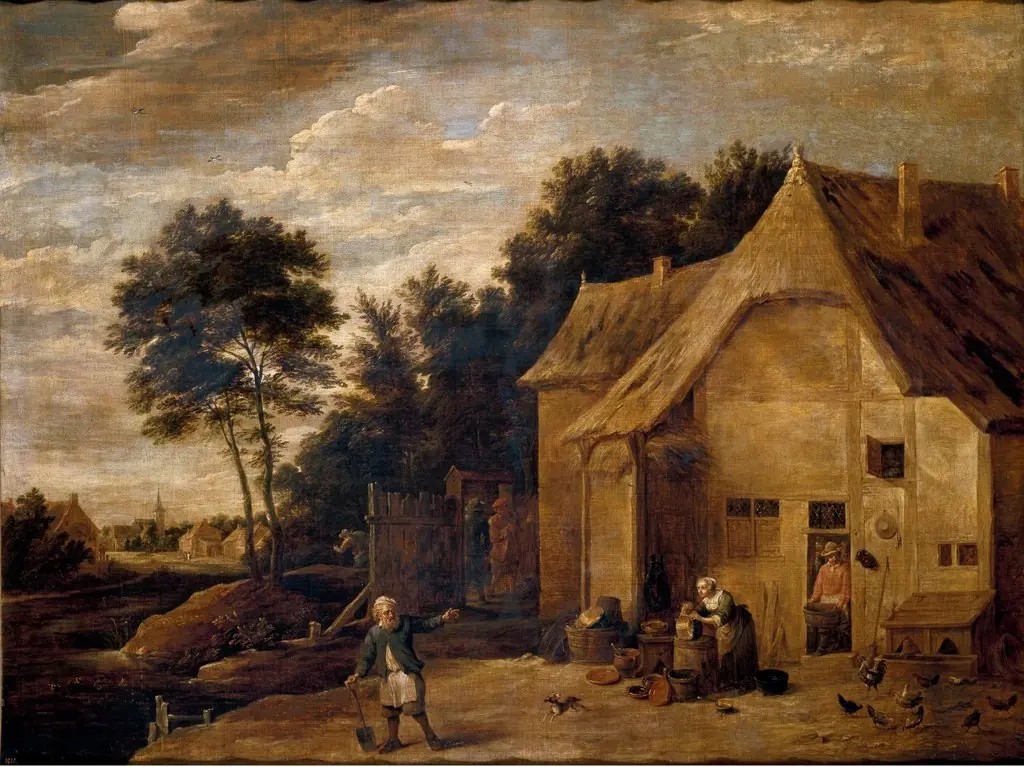 La casa rústica
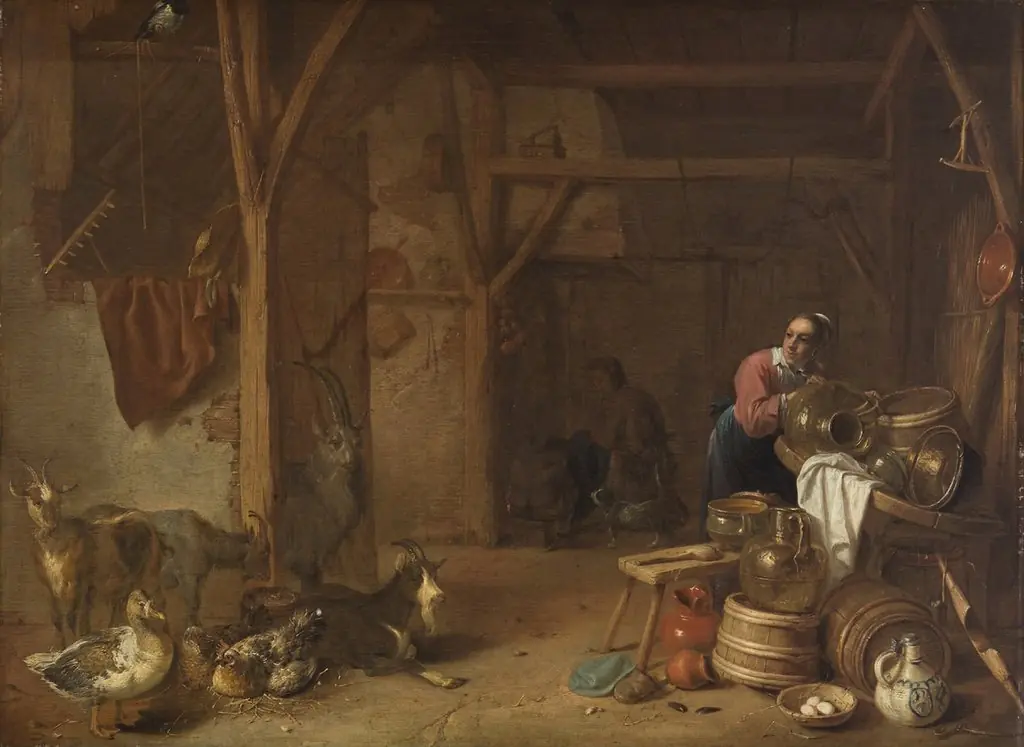 Farmer's interior with a cleaning girl
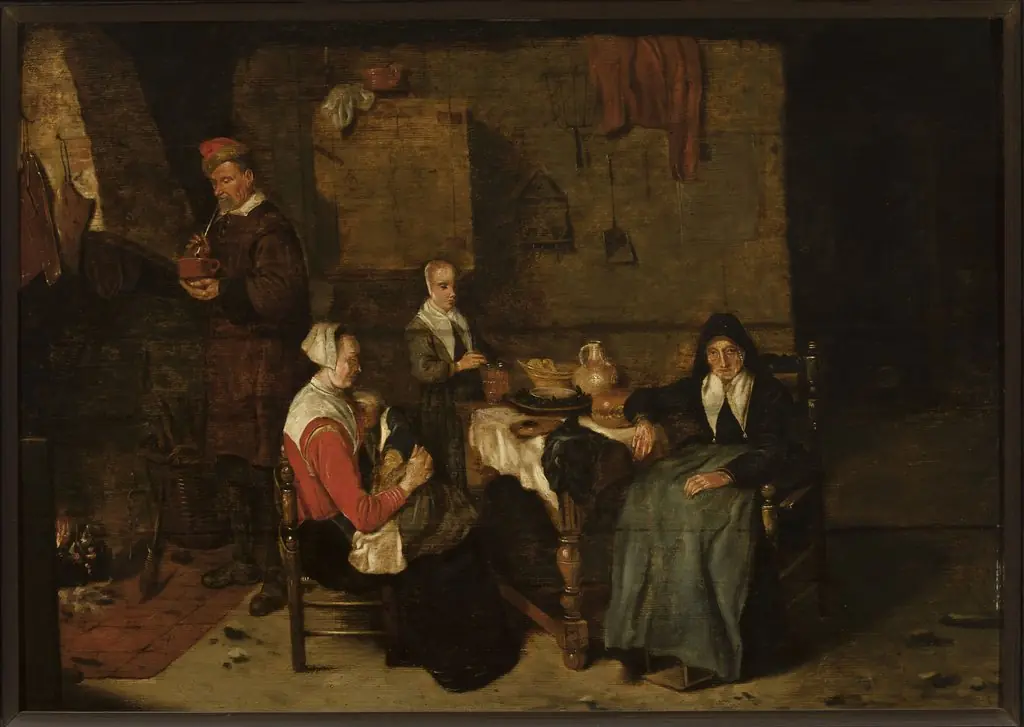 Family scene