Artwork
Peasant Wedding
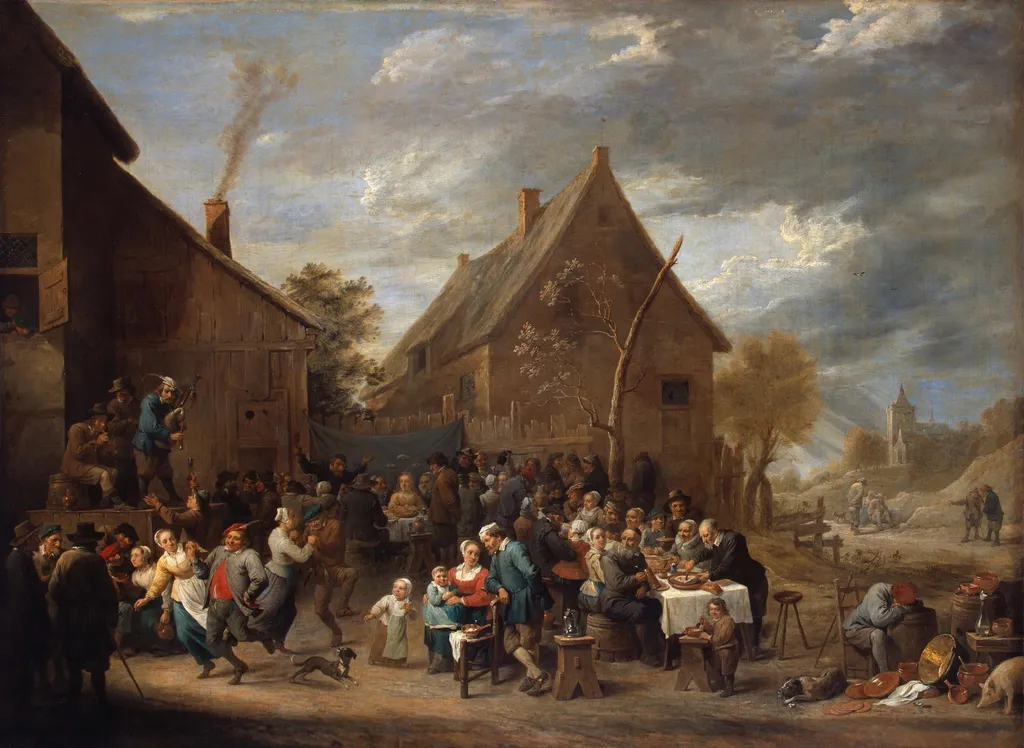
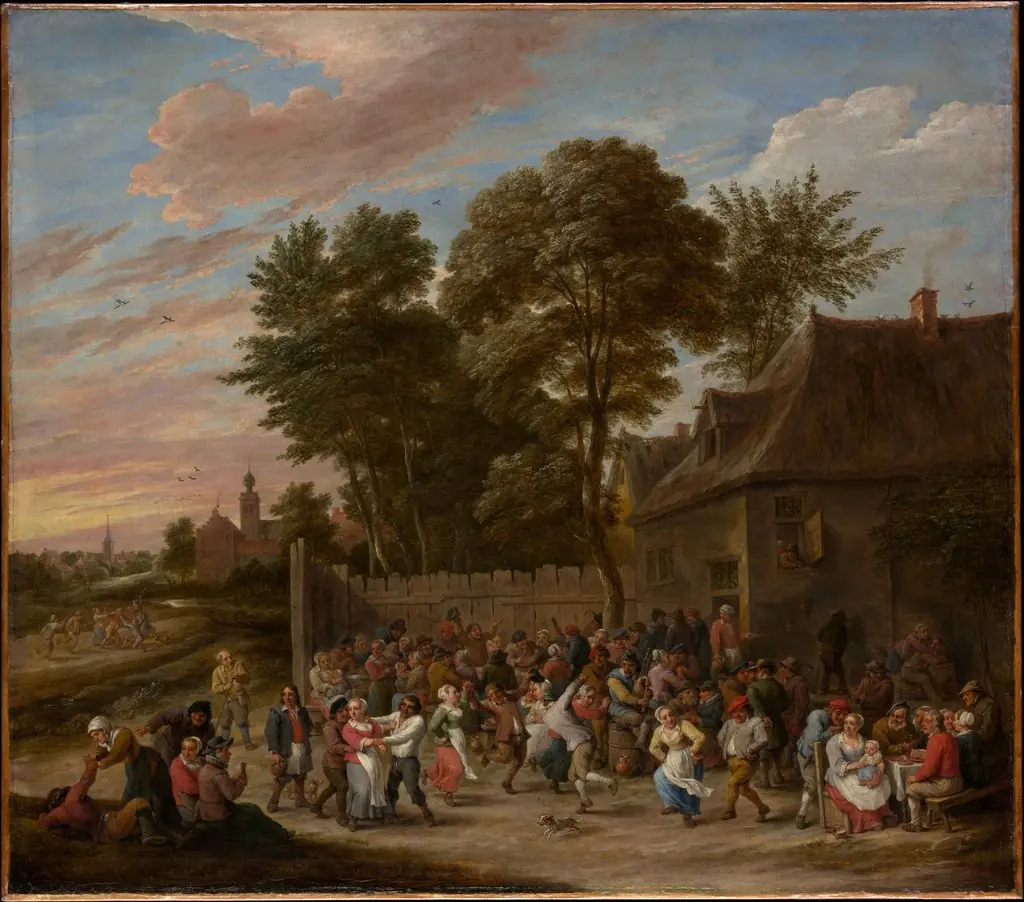
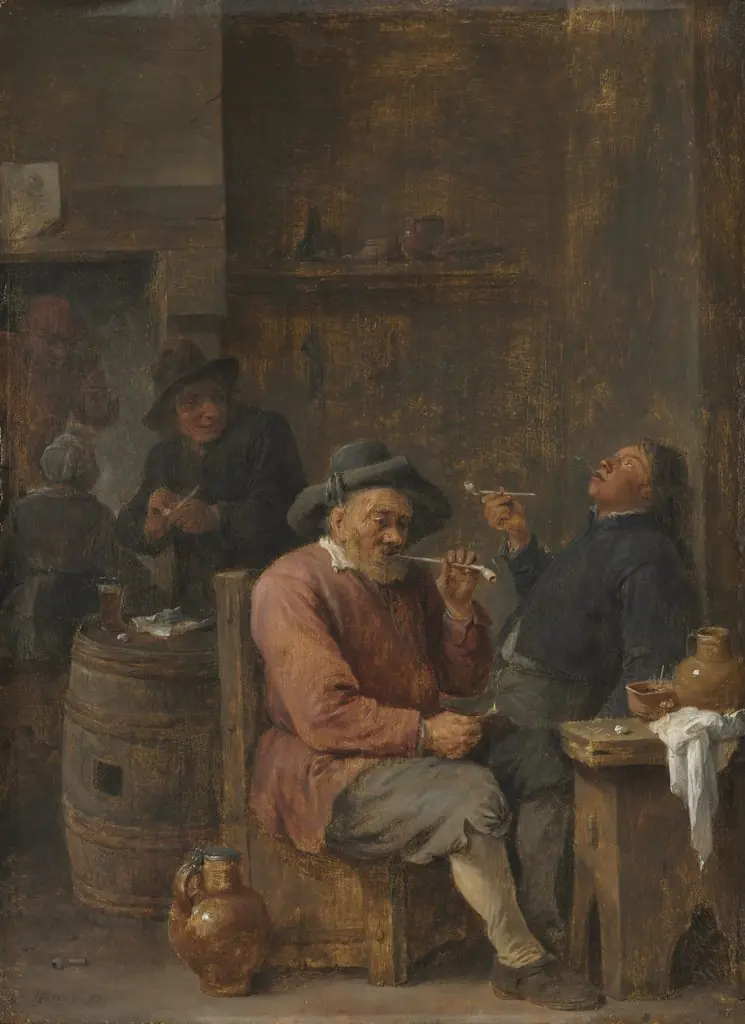
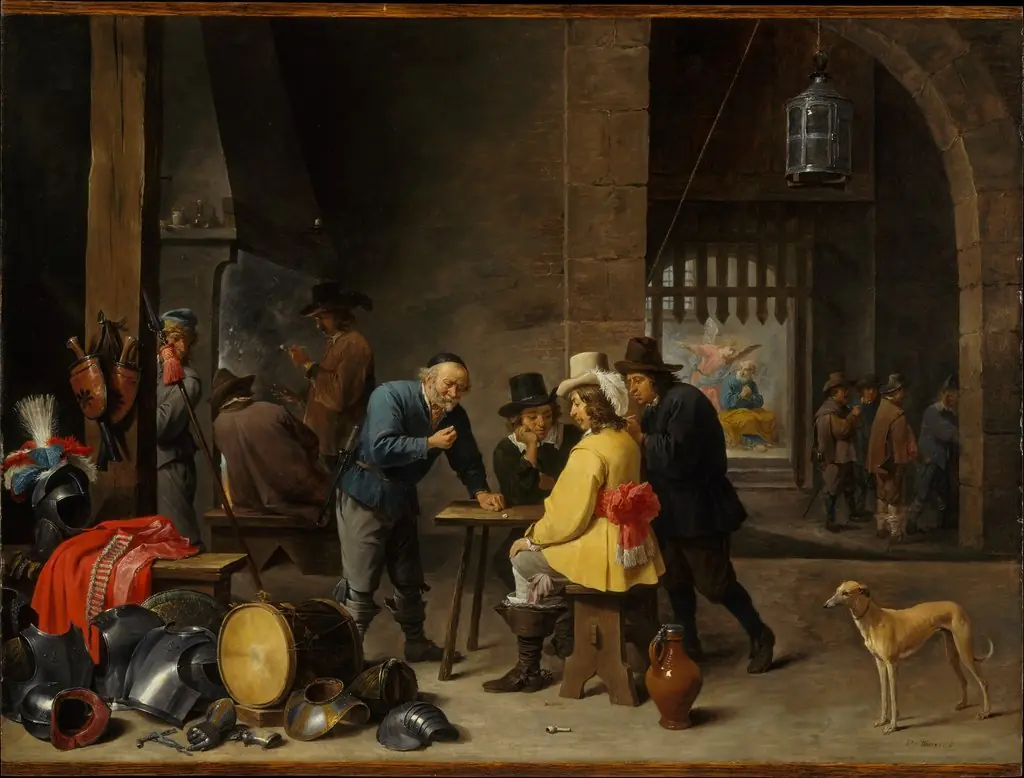
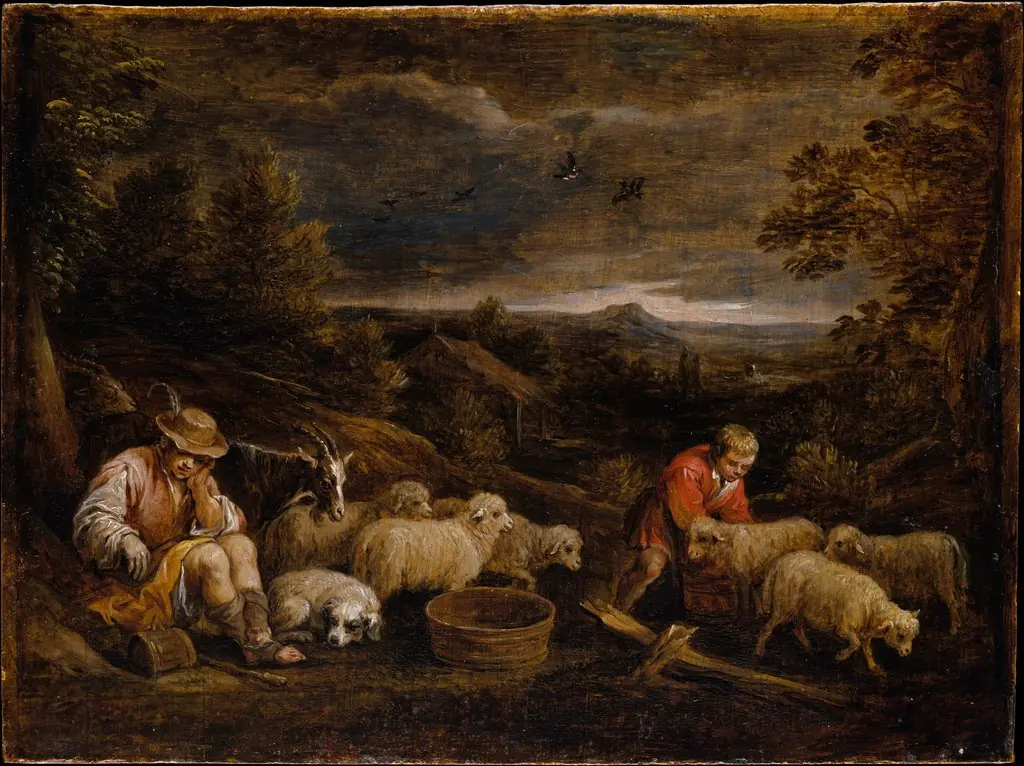
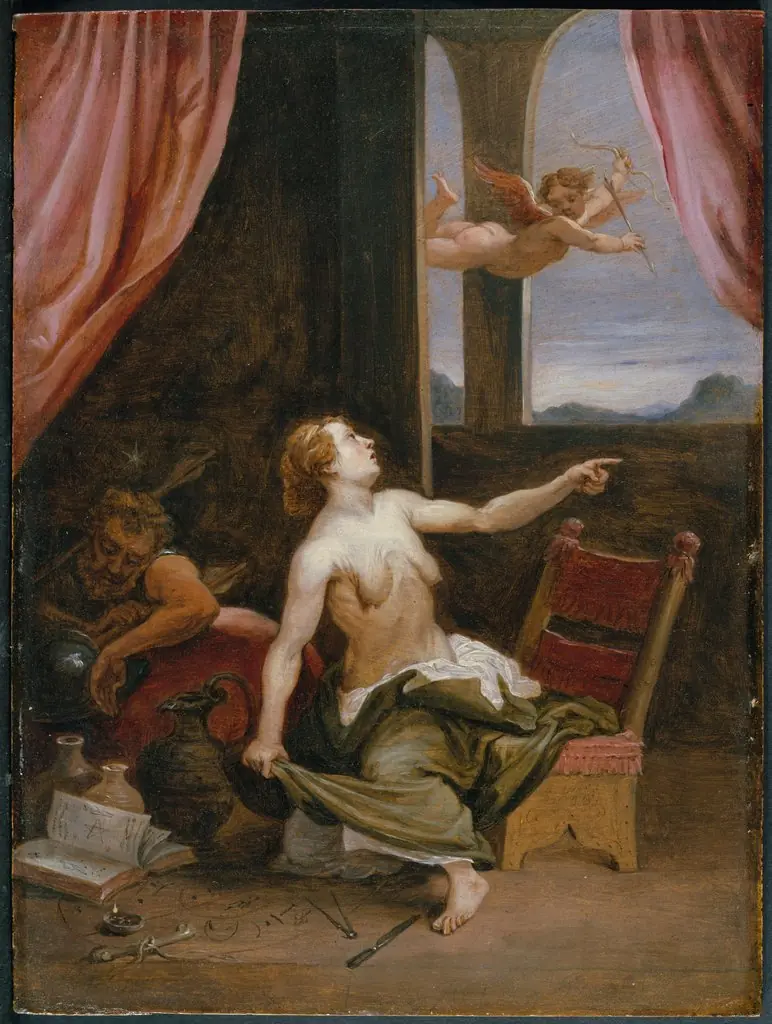
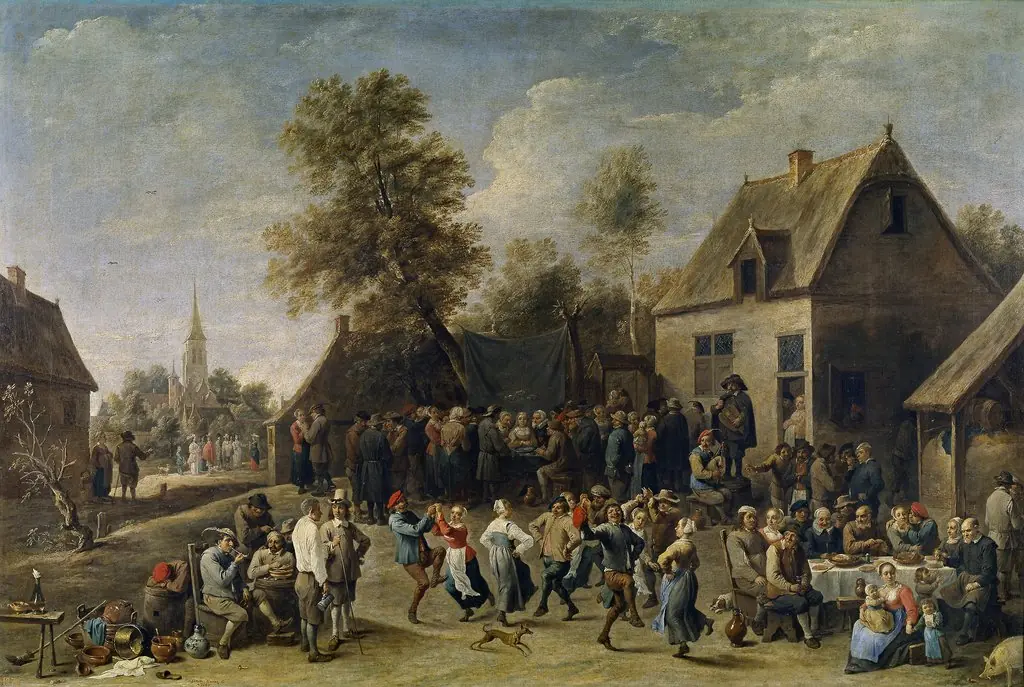
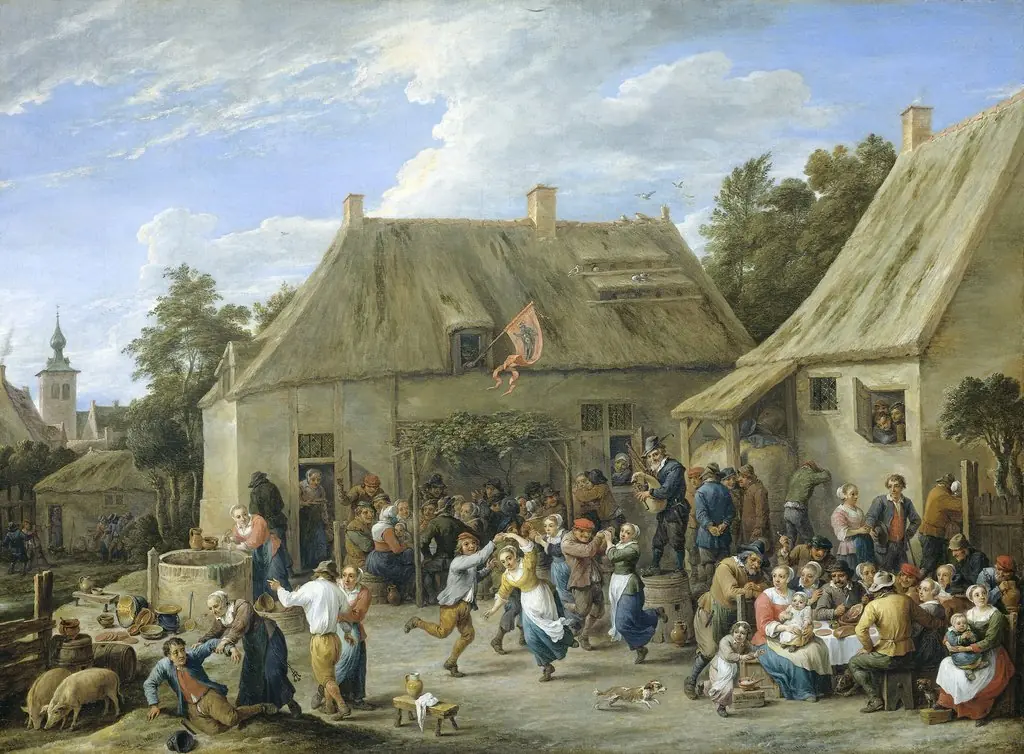
Peasant Wedding is an oil painting by the Flemish Baroque painting artist David Teniers the Younger. It dates from 1650 and is held in the collection of the Hermitage Museum.
About this work
Overview
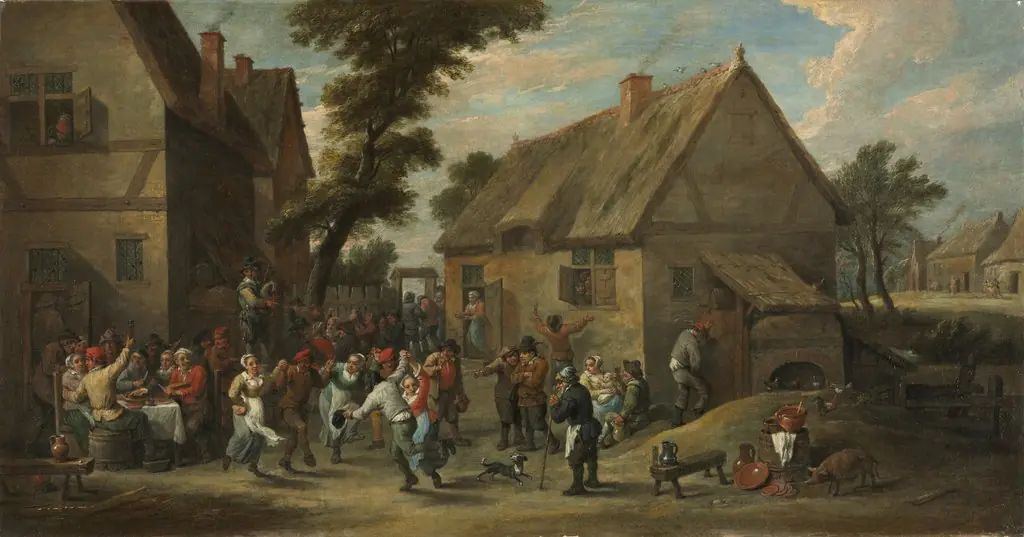
Peasant Wedding, an oil painting created around 1650 by David Teniers the Younger, is a genre scene depicting a vibrant rural celebration. The work is part of the collection at the State Hermitage Museum.
Subject & Meaning
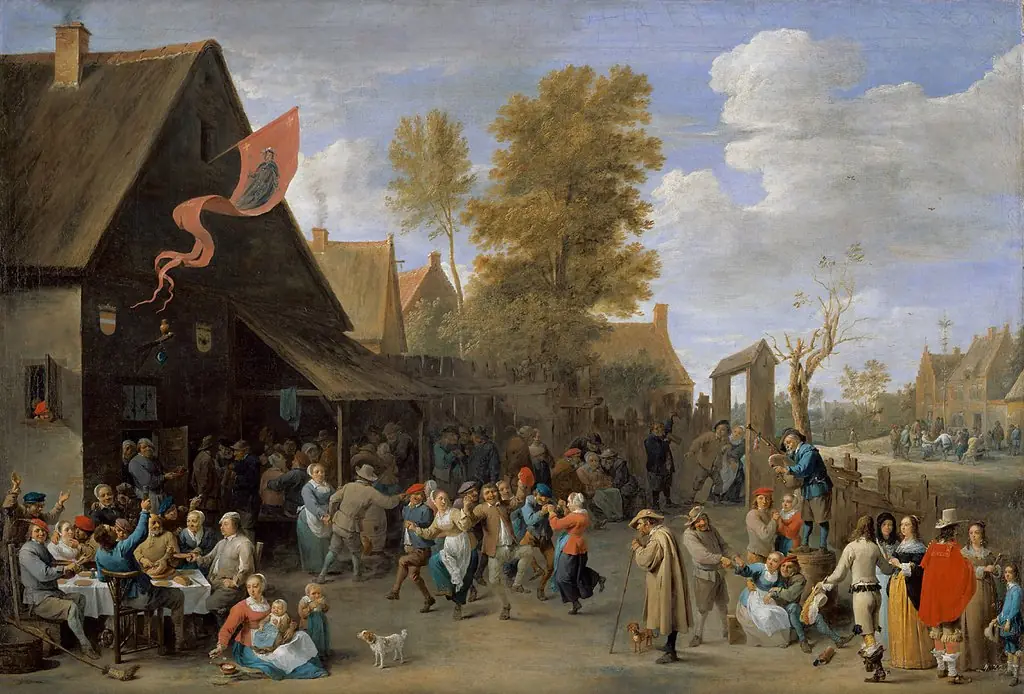
The painting captures a lively village wedding, conveying the joy and communal spirit of a rustic celebration. Everyday life is portrayed in a candid, unpretentious manner, focusing on the activities and interactions of the attendees.
Technique & Style
Teniers the Younger employed meticulous detail and composition to fill the scene with life. The use of chiaroscuro (strong contrasts between light and dark) enhances the depth and vitality of the image, drawing the viewer's eye through the layered scene.
History & Provenance
Created circa 1650, the painting's history prior to its acquisition by the State Hermitage Museum is not detailed here. Its current location ensures its preservation and public display.
Context
Reflecting 17th-century Flemish genre painting traditions, Peasant Wedding offers a glimpse into the daily life and customs of rural communities during that era, emphasizing the artist's interest in depicting common people in familiar settings.
Legacy
While specific influences or notable reproductions are not highlighted, the painting remains a characteristic example of Teniers the Younger's work, contributing to the broader appreciation of 17th-century Flemish art and its attention to everyday life.
Own this work as a print
Artist & collection
Artist
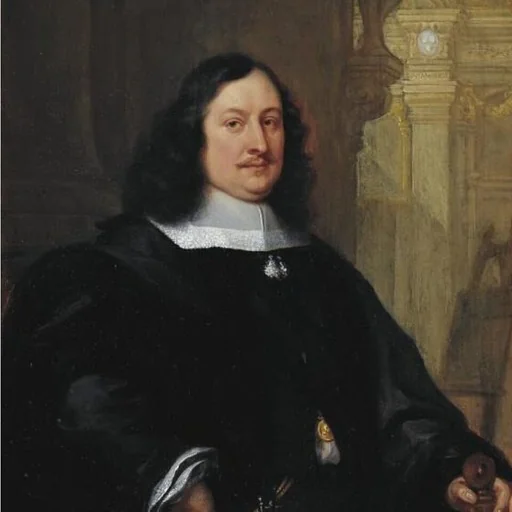
David Teniers the Younger or David Teniers II was a Flemish Baroque painter, printmaker, and artist.