Artwork
Salvator Mundi
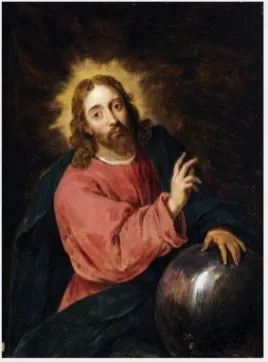
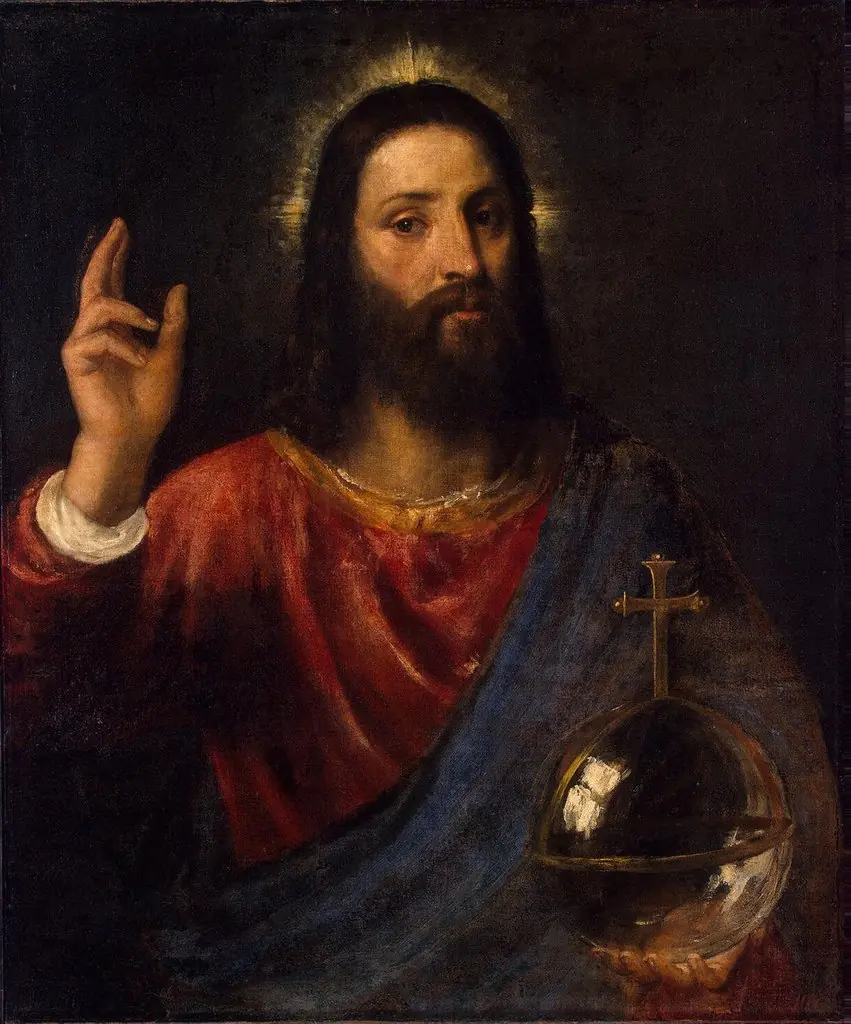
Salvator Mundi is an unspecified painting by the Flemish Baroque painting artist David Teniers the Younger. It dates from 1653 and is held in the collection of the National Gallery of Ireland.
About this work
Overview
Salvator Mundi is a 17th-century religious painting executed by the Flemish artist David Teniers the Younger in 1653. The work is currently part of the collection at the National Gallery of Ireland.
Subject & Meaning
The painting depicts the 'Salvator Mundi' motif, Latin for 'Savior of the World,' a representation of Christ holding a globe, symbolizing his role as the savior of the world. This composition reflects the religious themes prevalent during the Baroque period.
Technique & Style
Although specific technical details of this version are not highlighted, Teniers' style often blended realism with subtle, expressive lighting, characteristic of Baroque painting. The use of chiaroscuro might be expected, given the period and the artist's background.
History & Provenance
Created in 1653, the painting's history prior to its current location is not detailed here. It is now housed at the National Gallery of Ireland, indicating its recognition as a significant work of religious art from the 17th century.
Context
Painted during the Baroque period, 'Salvator Mundi' by Teniers reflects the era's emphasis on emotionally charged and highly detailed religious art. The work would have been created for a religious or possibly a wealthy patron, given the themes and the artist's clientele.
Legacy
While this specific 'Salvator Mundi' by David Teniers the Younger contributes to the broader artistic heritage of the Baroque era, its individual impact or influence on later artists is not specified in the provided information.
Artist & collection
Artist
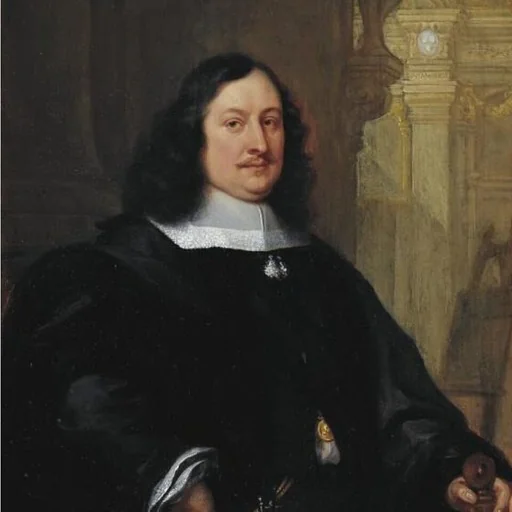
David Teniers the Younger or David Teniers II was a Flemish Baroque painter, printmaker, and artist.