Artwork
Temptation of St Antony
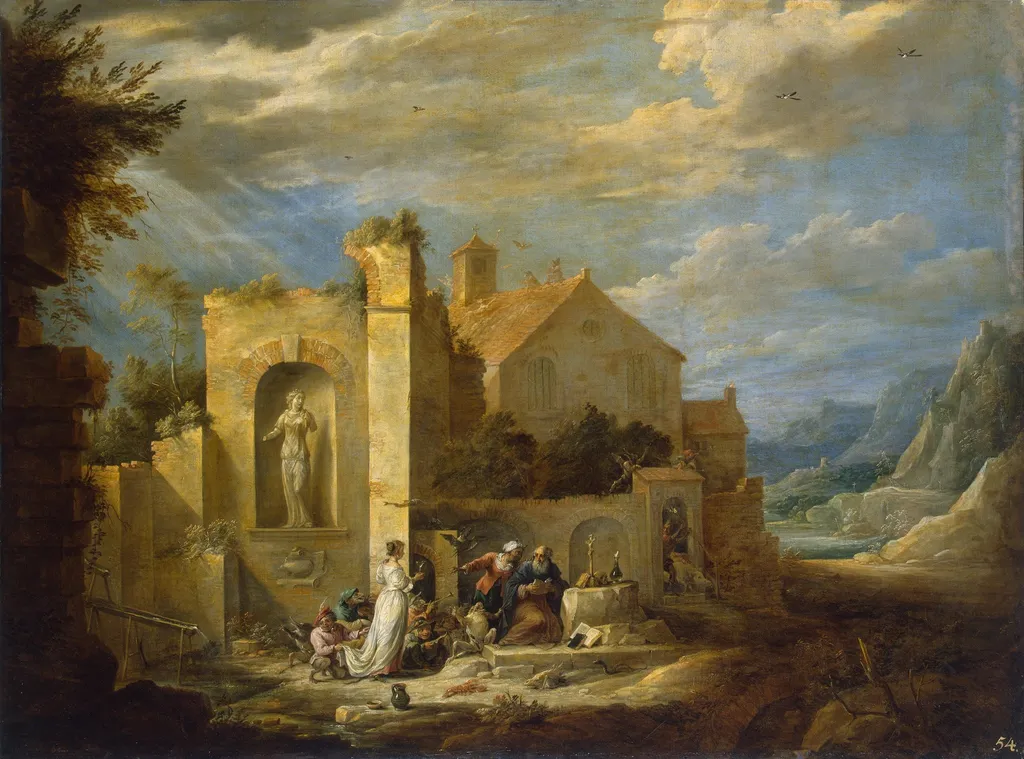
Temptation of St Antony is an oil painting by the Flemish Baroque painting artist David Teniers the Younger. It dates from 1654 and is held in the collection of the Hermitage Museum.
About this work
Overview
Painted in 1654 by David Teniers the Younger, this oil-on-canvas work depicts a scene centered on a modest stone shrine housing a religious statue. The composition captures a quiet moment of public devotion, yet the surrounding figures display behaviors that suggest distraction or casual observation, blurring the line between sacred ritual and mundane activity.
Subject & Meaning
The figures around it—some kneeling, others seated with baskets or books—appear more engaged with their surroundings than with the sacred object.
The painting portrays St. Antony, traditionally associated with spiritual trials, though his statue is shown passively within the shrine. The figures around it—some kneeling, others seated with baskets or books—appear more engaged with their surroundings than with the sacred object. This juxtaposition may reflect contemporary skepticism toward popular religious practices or the normalization of piety in daily life.
Technique & Style
Teniers employs a restrained palette and careful attention to texture, rendering stone, fabric, and skin with quiet realism. Light falls naturally across the scene, modeling forms without dramatic contrast, reinforcing the ordinary atmosphere. The background’s atmospheric sky and crumbling architecture add depth, grounding the moment in a tangible, lived-in world.
History & Provenance
Created in 1654, the painting entered the collection of the State Hermitage Museum in Saint Petersburg, where it remains today. Its journey to Russia is not fully documented, but it likely passed through European collections before being acquired by the imperial holdings in the 18th or 19th century.
Context
In mid-17th-century Flanders, religious imagery often mingled with scenes of peasant life, reflecting both popular devotion and growing secularization. Teniers, known for genre scenes, here subtly critiques or observes the blending of sacred symbols with everyday behavior, a trend visible in broader Netherlandish art of the period.
Legacy
The work stands as an example of Teniers’ ability to infuse religious subjects with human nuance. Rather than idealizing faith, he presents it as embedded in the rhythms of ordinary life, influencing later artists who sought to depict spirituality without theatricality.
Own this work as a print
Artist & collection
Artist
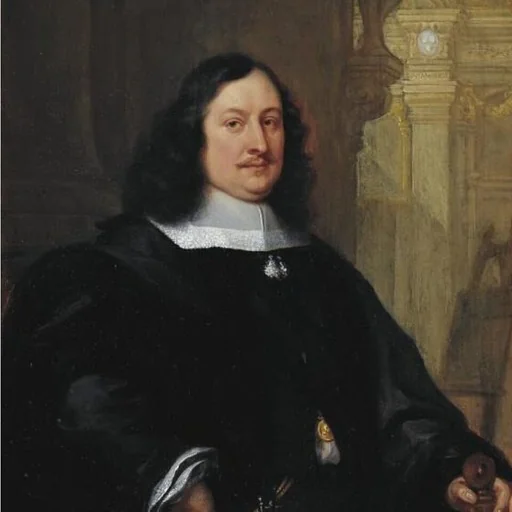
David Teniers the Younger or David Teniers II was a Flemish Baroque painter, printmaker, and artist.

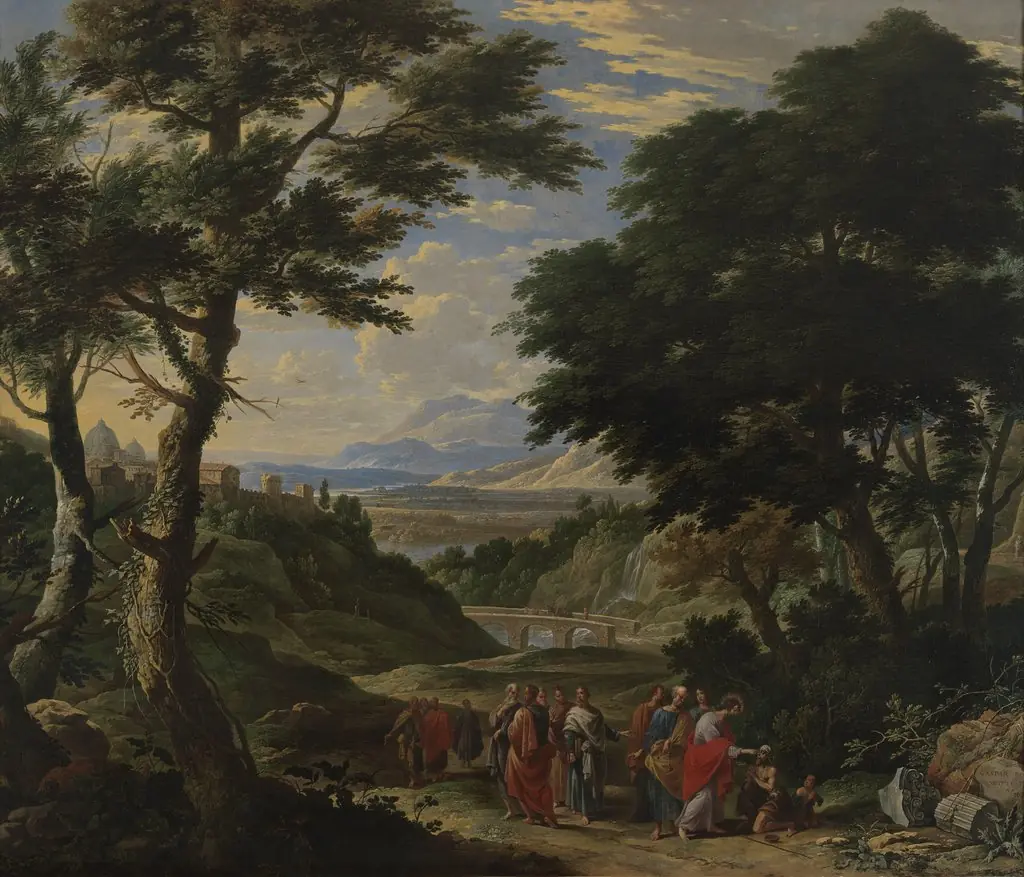 Christ Healing the Blind Man at Jericho
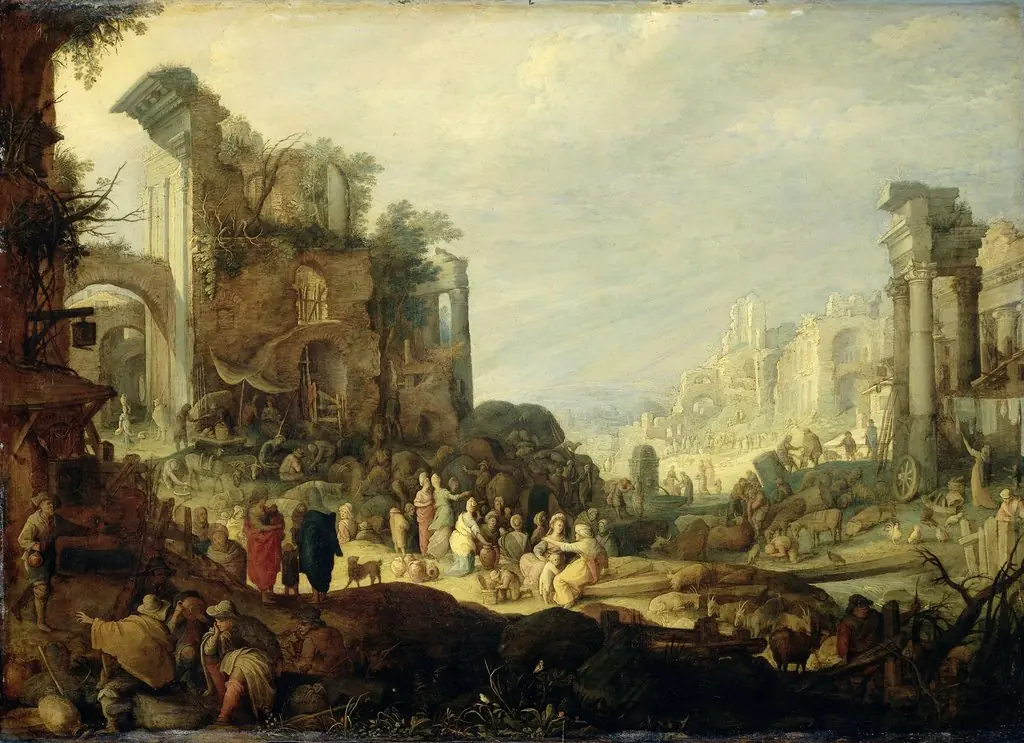 Landscape with Roman Ruins and the Meeting of Rebecca and Eliezer
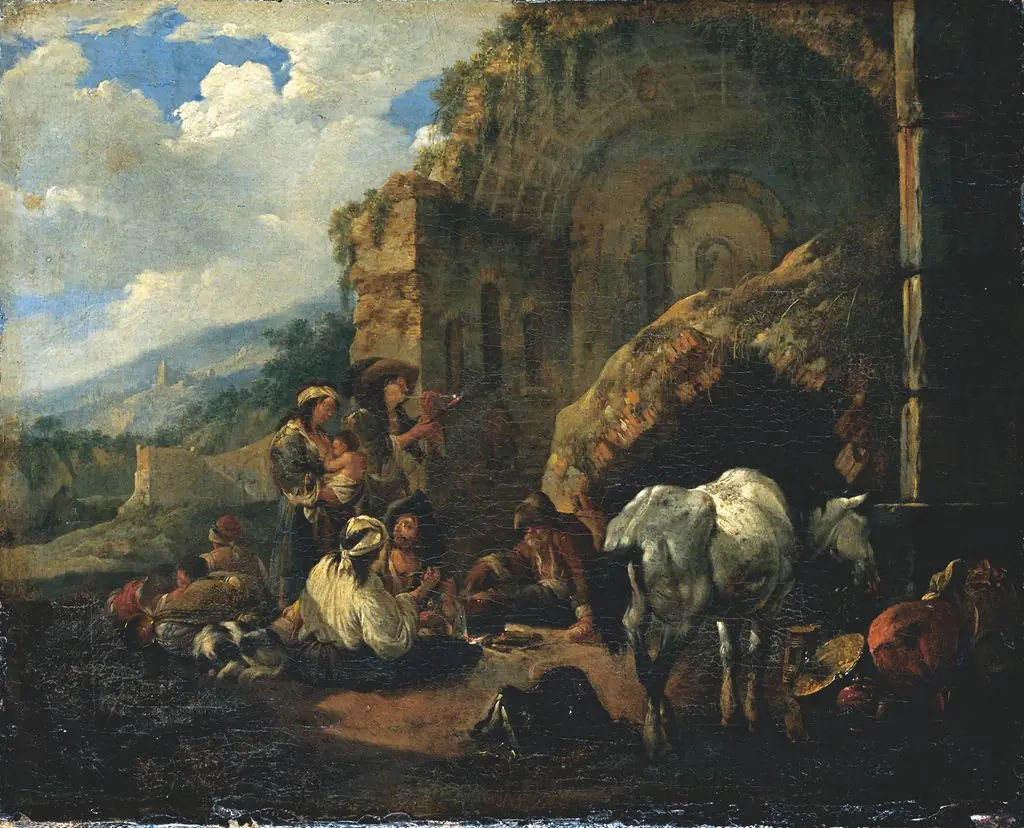 Gypsy Camp in a Roman Ruin
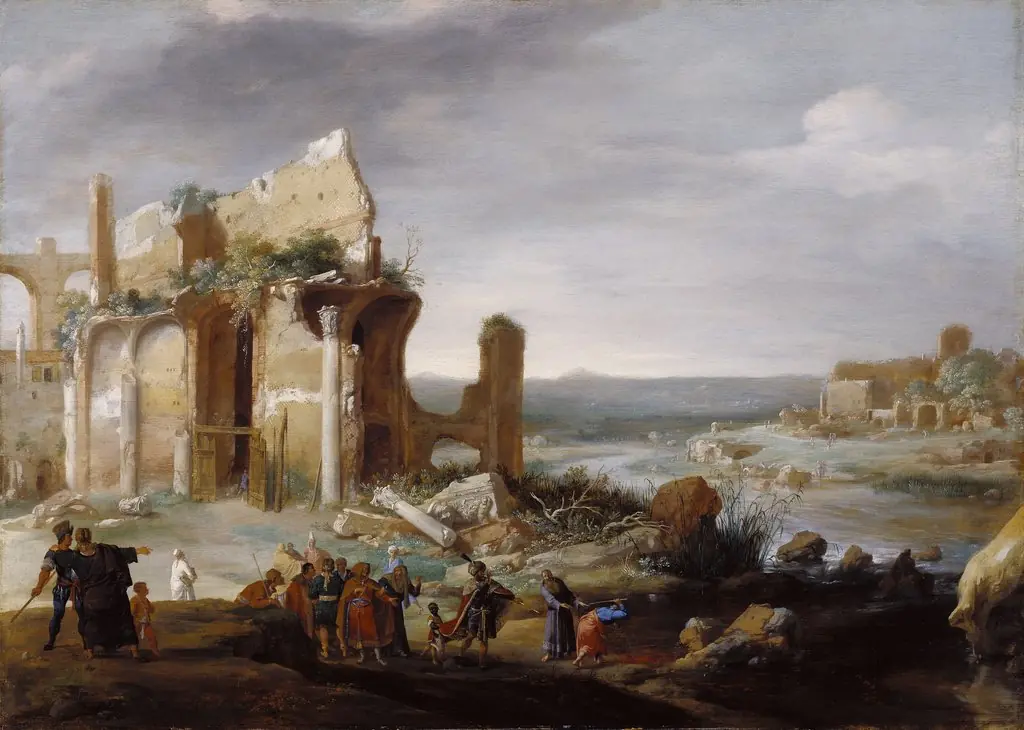 Moses and Aaron Changing the Rivers of Egypt to Blood
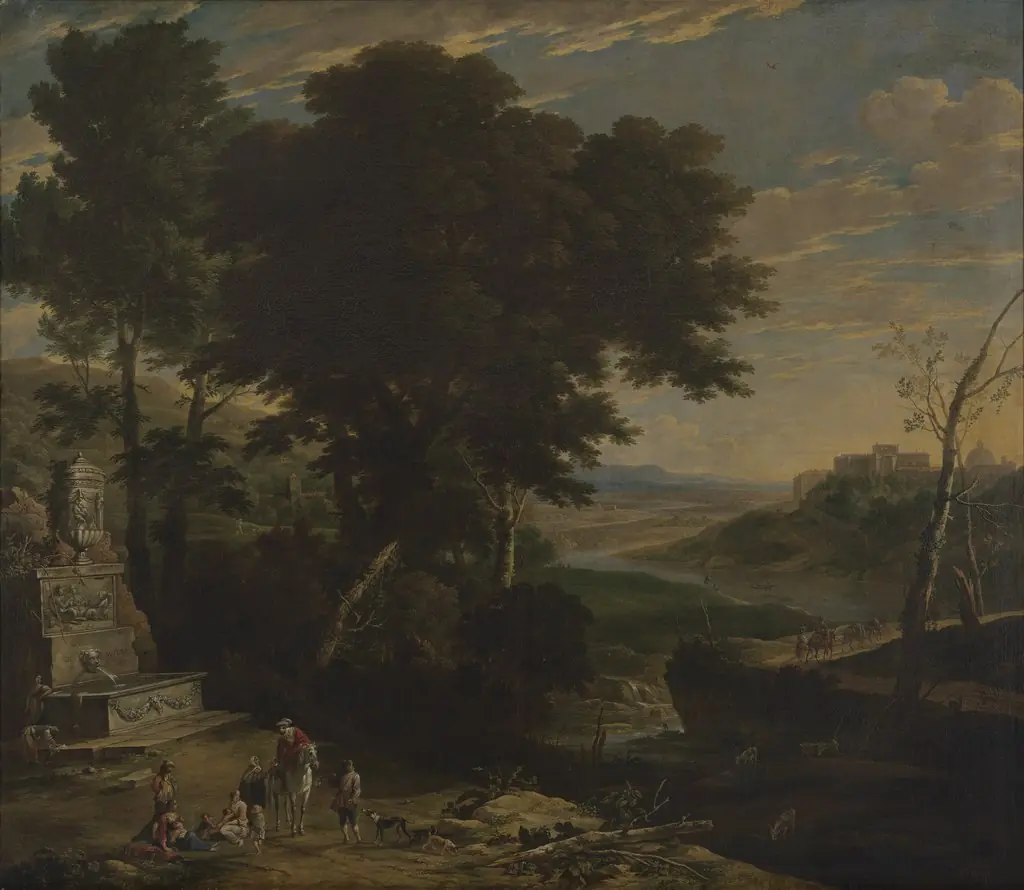 The Fortune-Teller
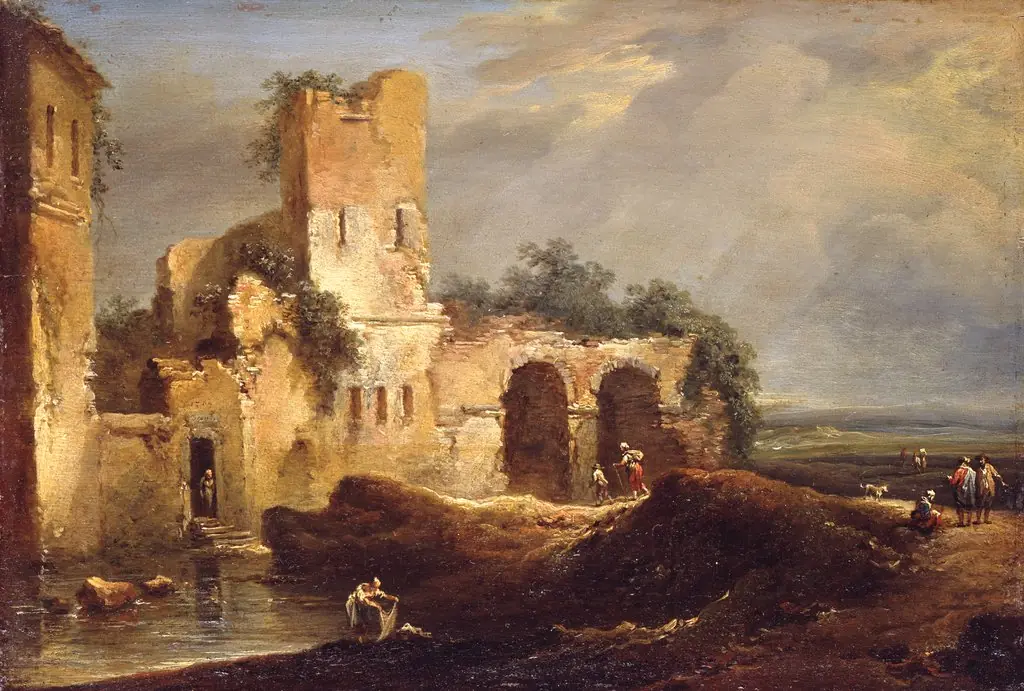 Landscape with a ruin at a stretch of water
 The Finding of Moses
 Classical Landscape
 A Classical Landscape with Judah and Tamar
 Paisaje con ermitaños
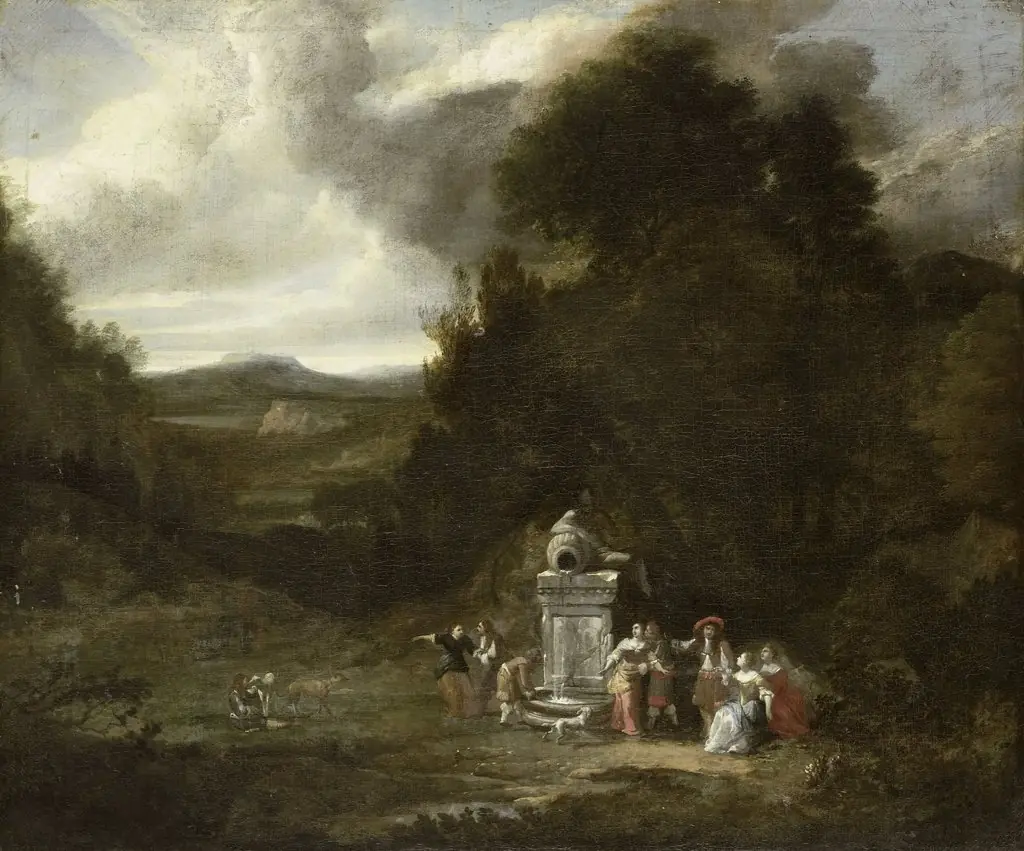 Company in a wooded landscape
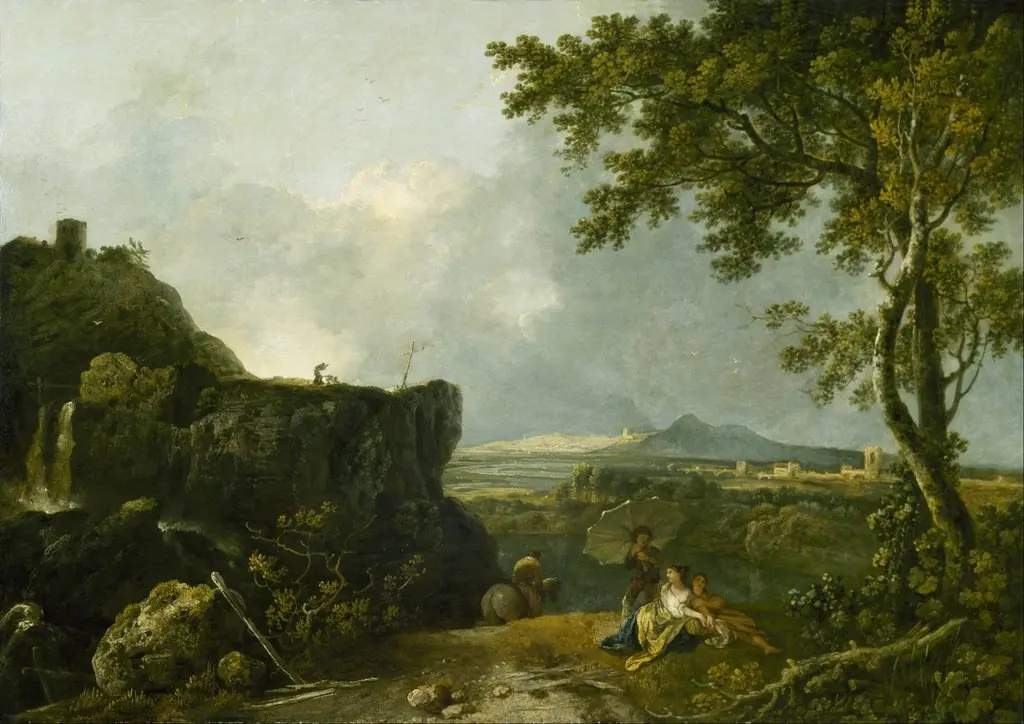 The White Monk