Artwork
Moses and Aaron Changing the Rivers of Egypt to Blood
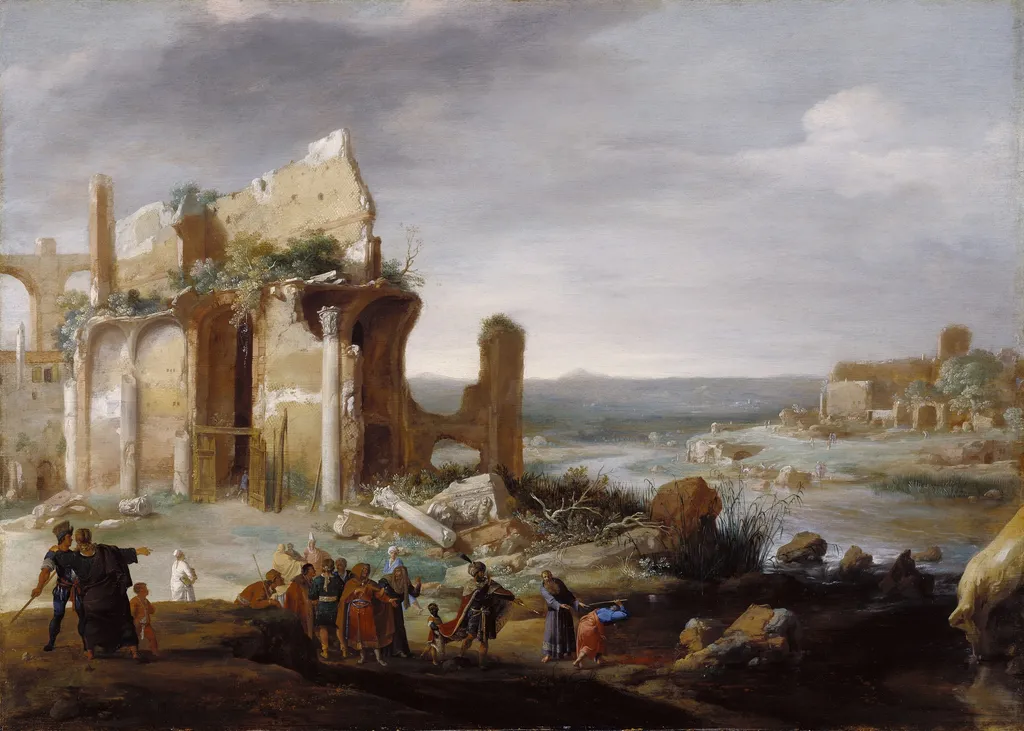
Moses and Aaron Changing the Rivers of Egypt to Blood is an oil painting by the Dutch Golden Age artist Bartholomeus Breenbergh. It dates from 1631 and is held in the collection of the J. Paul Getty Museum.
About this work
Overview
Moses and Aaron Changing the Rivers of Egypt to Blood is a 1631 oil painting by Dutch Golden Age artist Bartholomeus Breenbergh, depicting a pivotal religious moment amidst a dramatic landscape.
Subject & Meaning
The painting illustrates a biblical scene where Moses and Aaron miraculously turn Egypt's rivers to blood, conveyed through a red-hued river and the varied reactions of onlooking figures, ranging from shock to horror.
Technique & Style
Breenbergh employs chiaroscuro to amplify emotional depth, contrasts vibrant colors for spatial depth, and incorporates architectural ruins with overgrown vegetation, blending his Italianate landscape influences with the scene's dramatic religious narrative.
History & Provenance
Created after Breenbergh's return to Amsterdam in 1630, following an 11-year period in Rome (1619-1630), the painting is now part of the J. Paul Getty Museum's collection.
Context
This work reflects Breenbergh's adaptation of Italianate styles to Dutch Golden Age themes, combining religious subject matter with landscape elements characteristic of his oeuvre.
Legacy
While specific legacy details are not provided, the painting's presence in a prominent museum collection suggests its continued relevance as an example of Breenbergh's style and the era's artistic practices.
Own this work as a print
Artist & collection
Artist
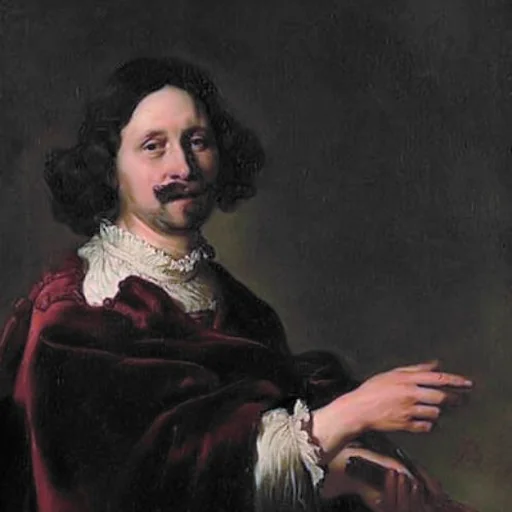
Bartholomeus Breenbergh (before 13 November 1598 – after 3 October 1657) was a Dutch Golden Age painter of Italian and Italianate landscapes, in Rome (1619-1630) and Amsterdam (1630-1657).

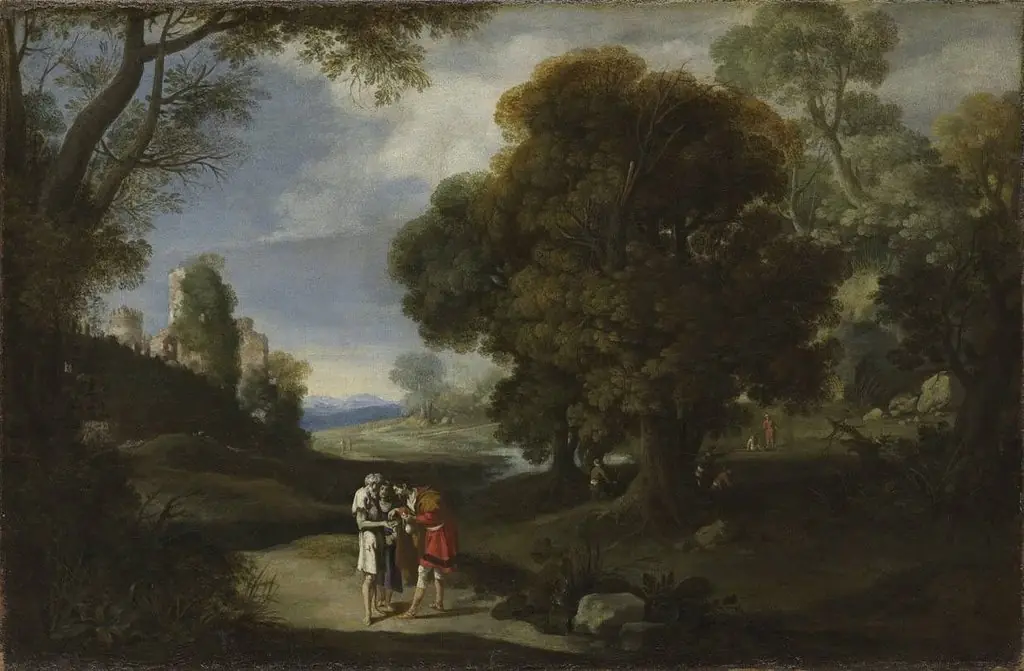
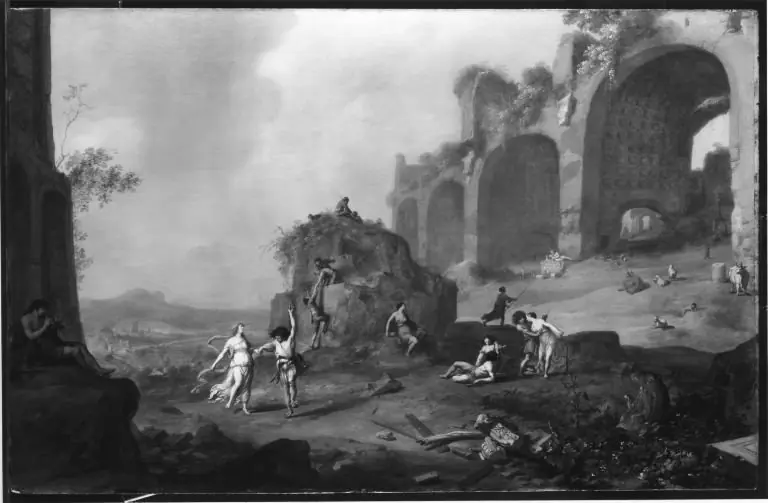
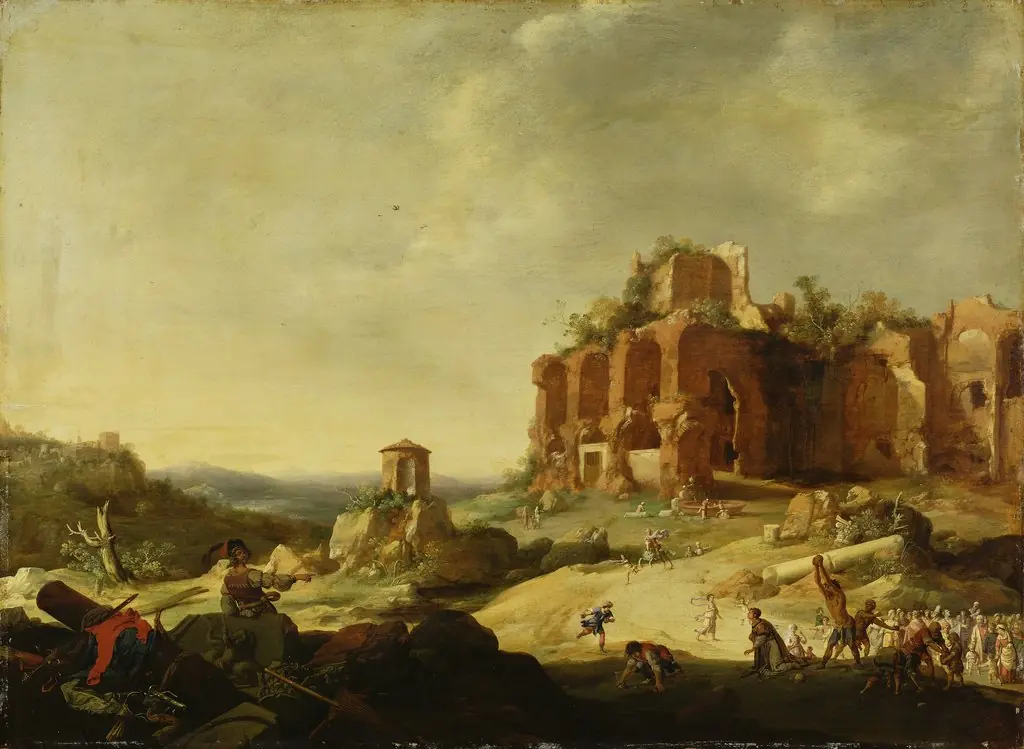 The Stoning of St. Stephen
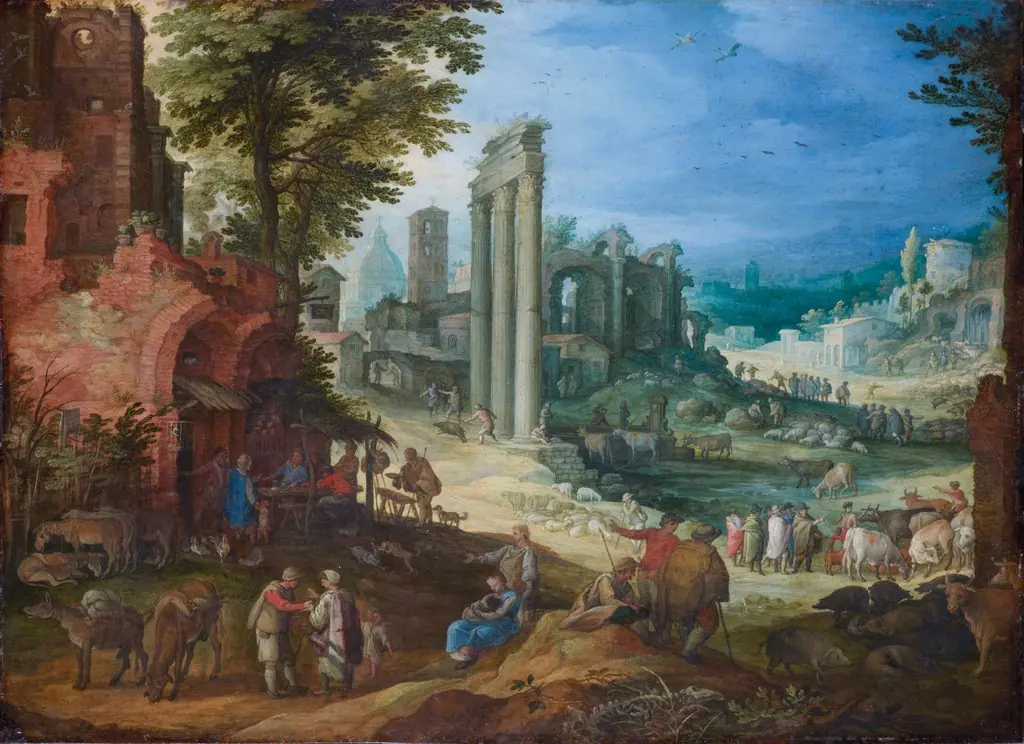 Roman Ruins Landscape
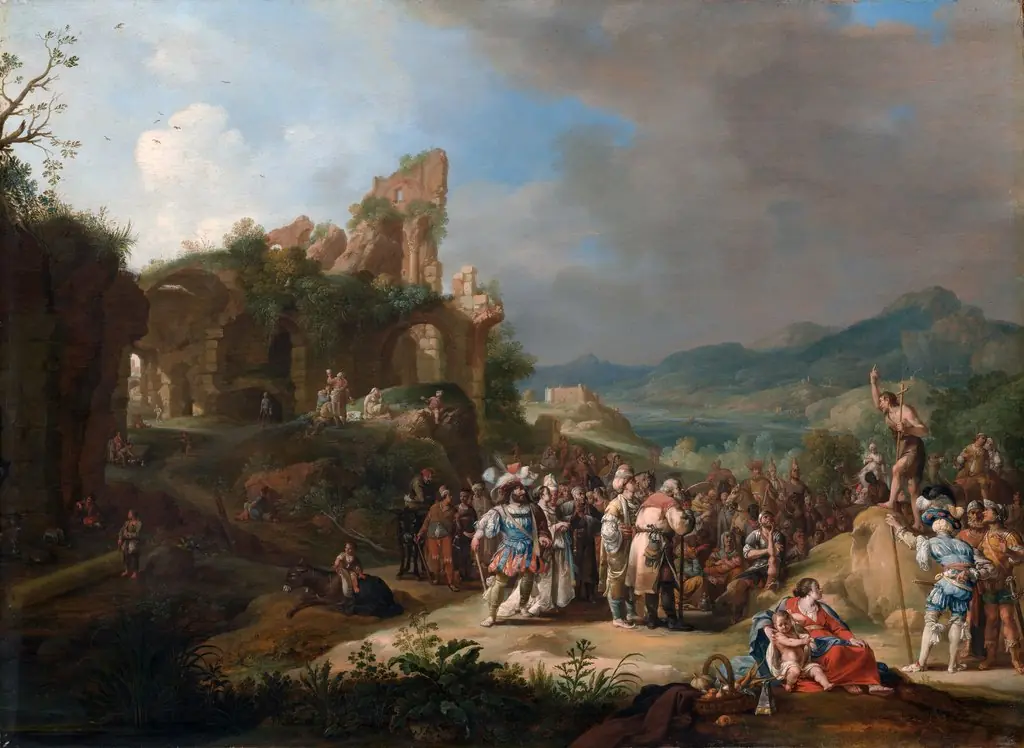
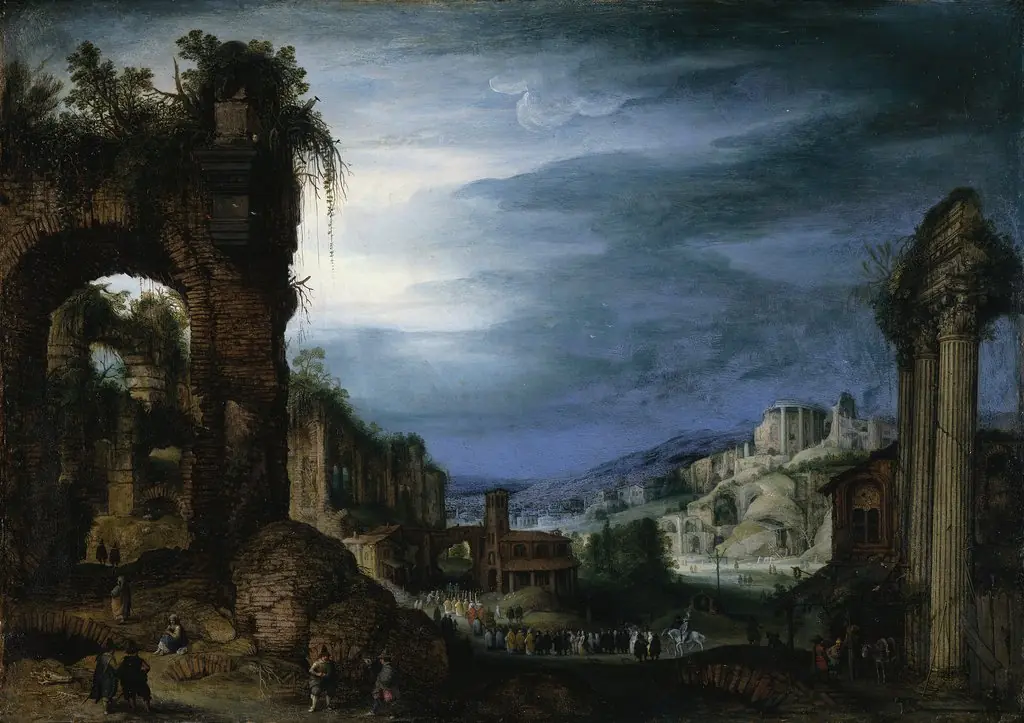 Landscape with Roman Ruins and a Procession
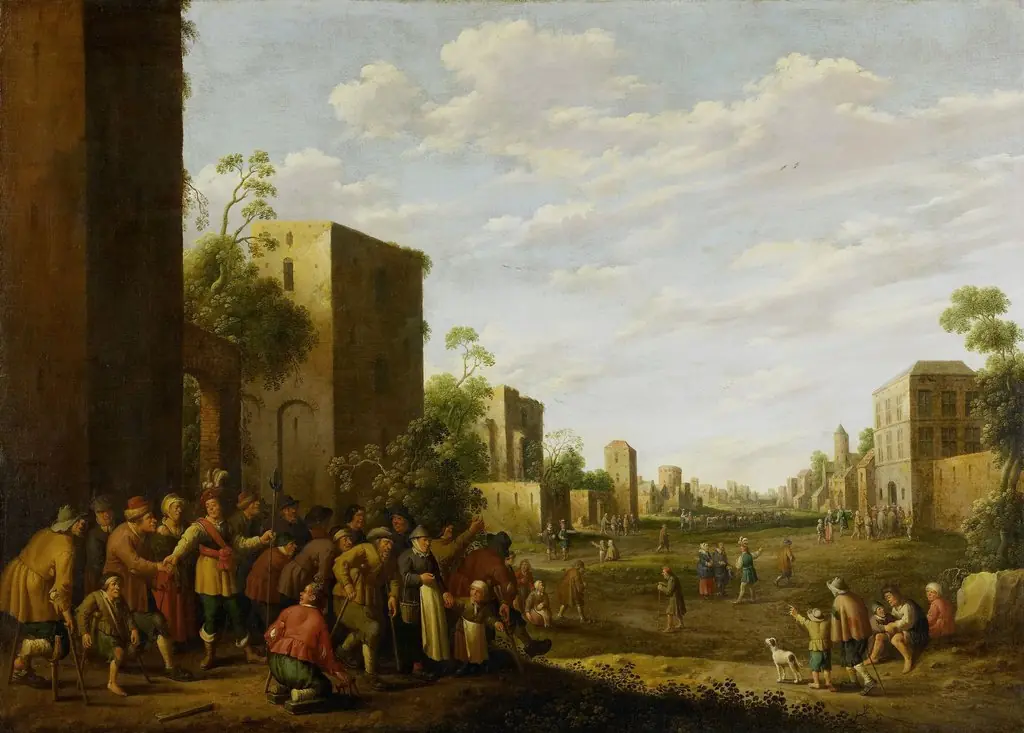 Housing the poor
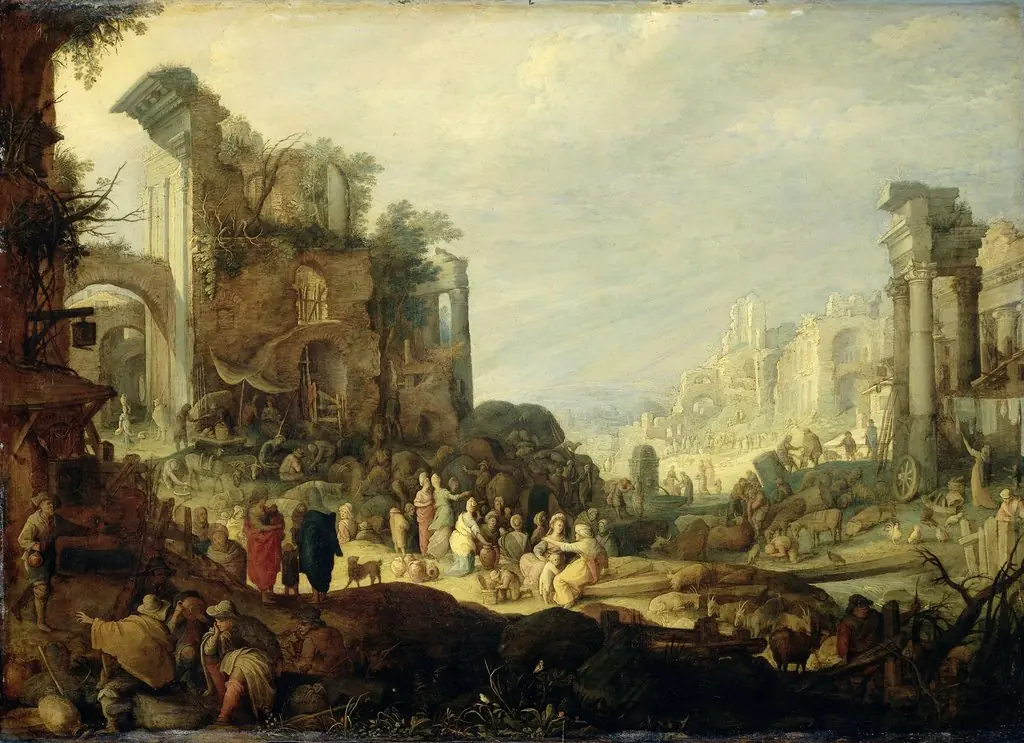 Landscape with Roman Ruins and the Meeting of Rebecca and Eliezer
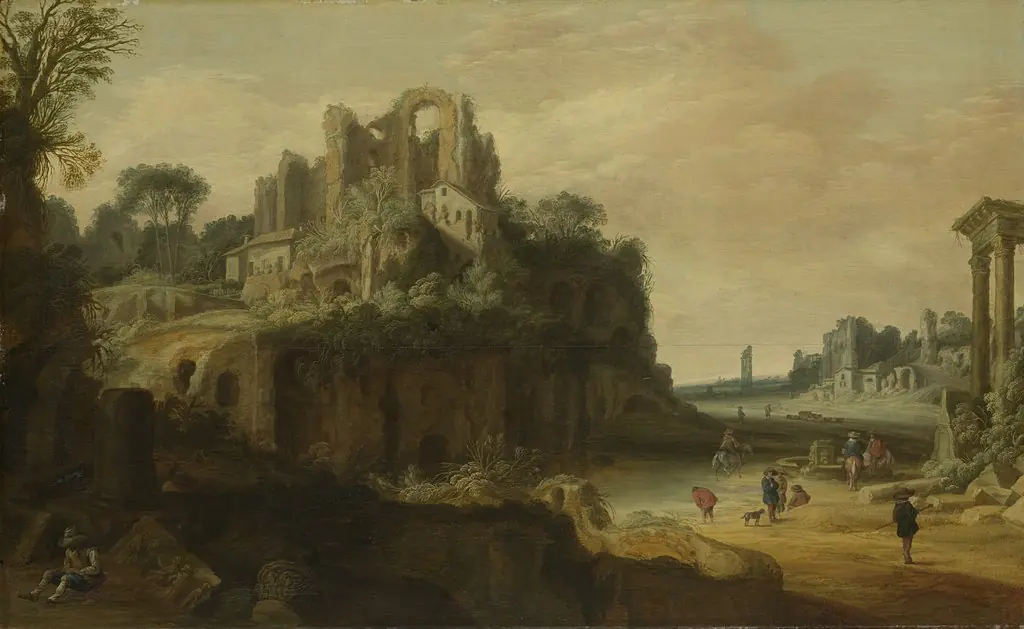 Roman landscape with the Palatine (left) and the parts of the Forum Romanum (right)
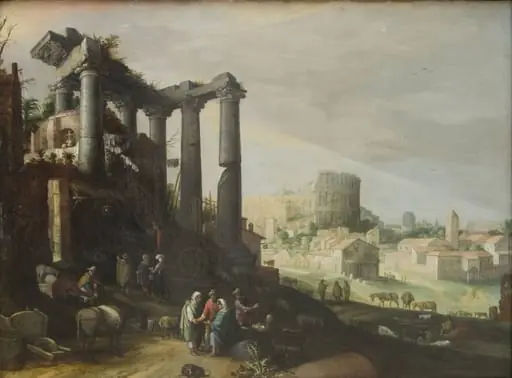 Landscape with a View of Campo Vaccino in Rome
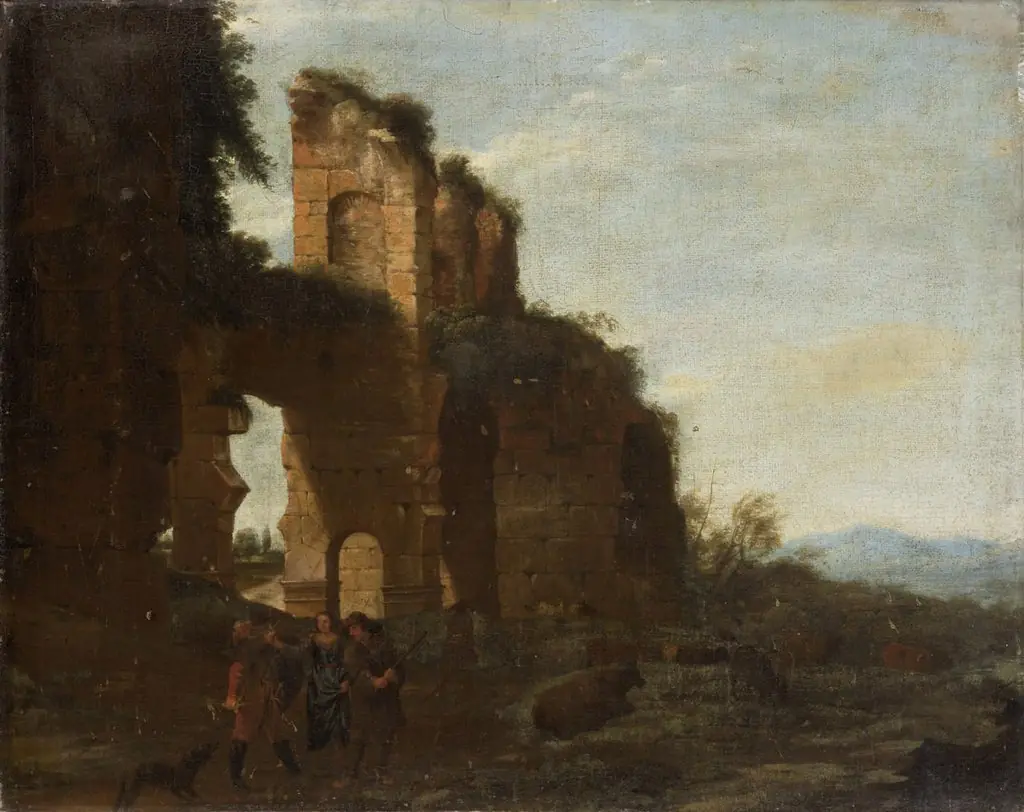 Ruine mit Räubern und einer Frau
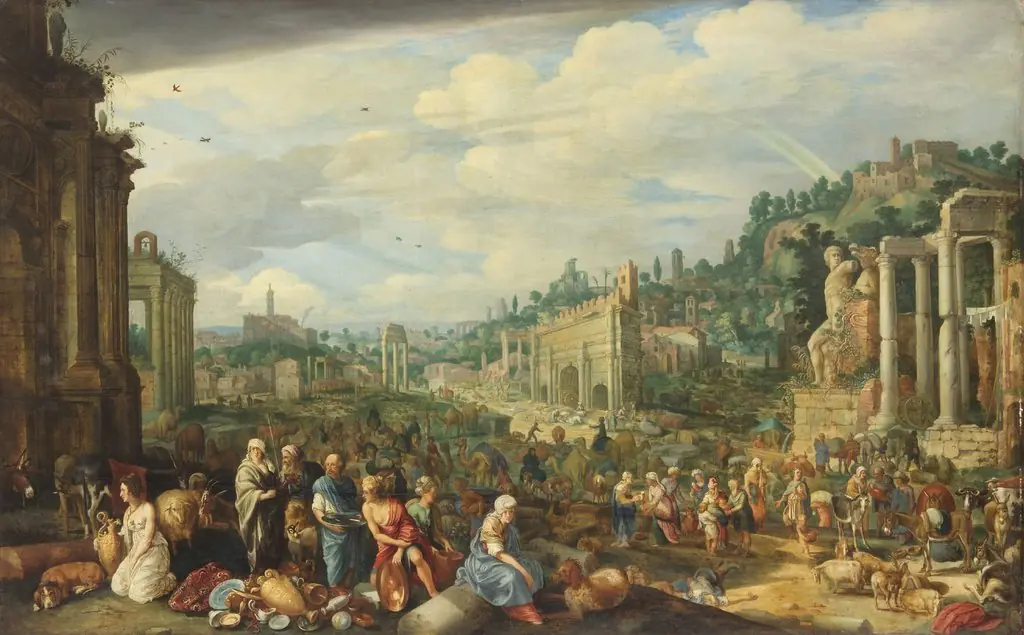 Ansicht des Campo Vaccino in Rom (Aufbruch der Israeliten aus Ägypten)
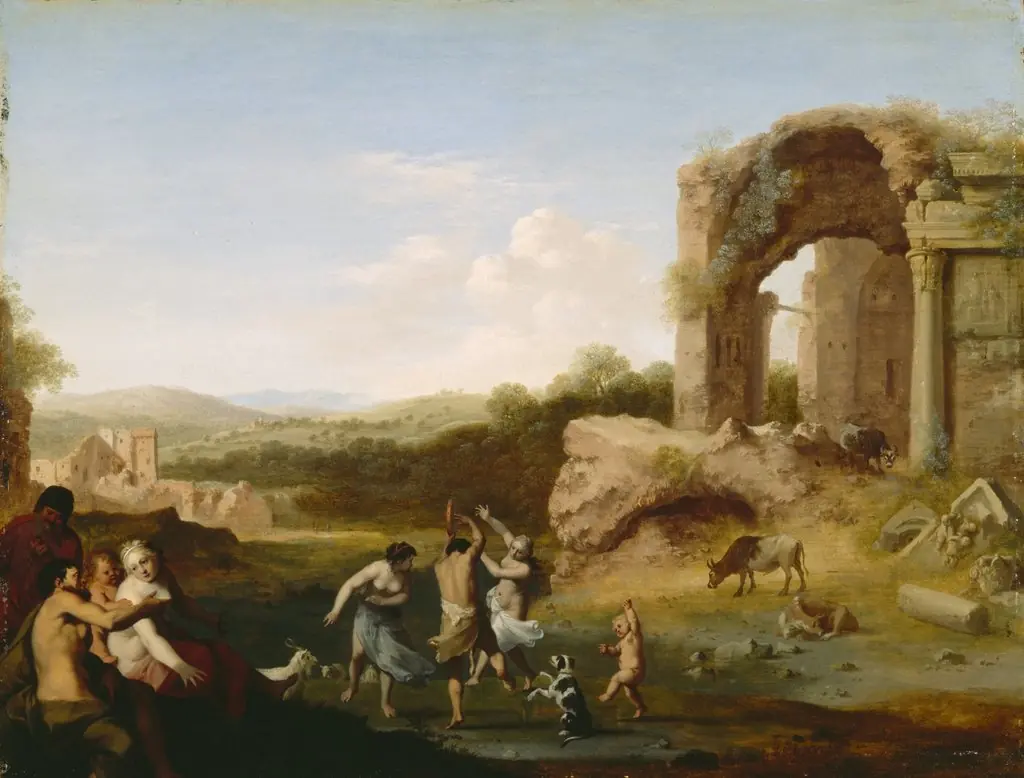 Figures Dancing near a Ruin
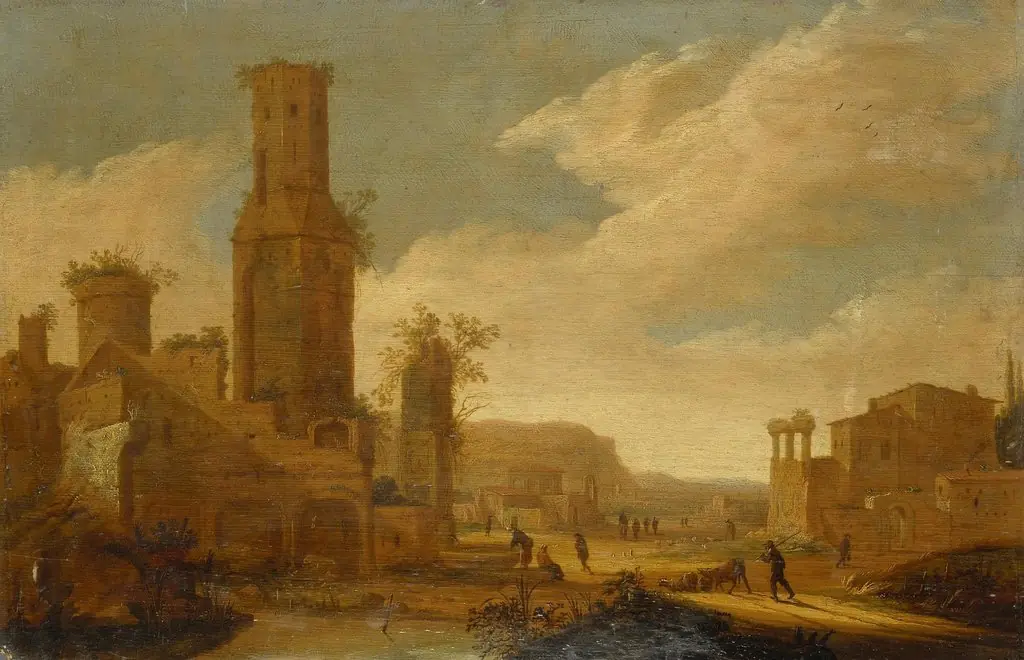 Landscape with Ruins
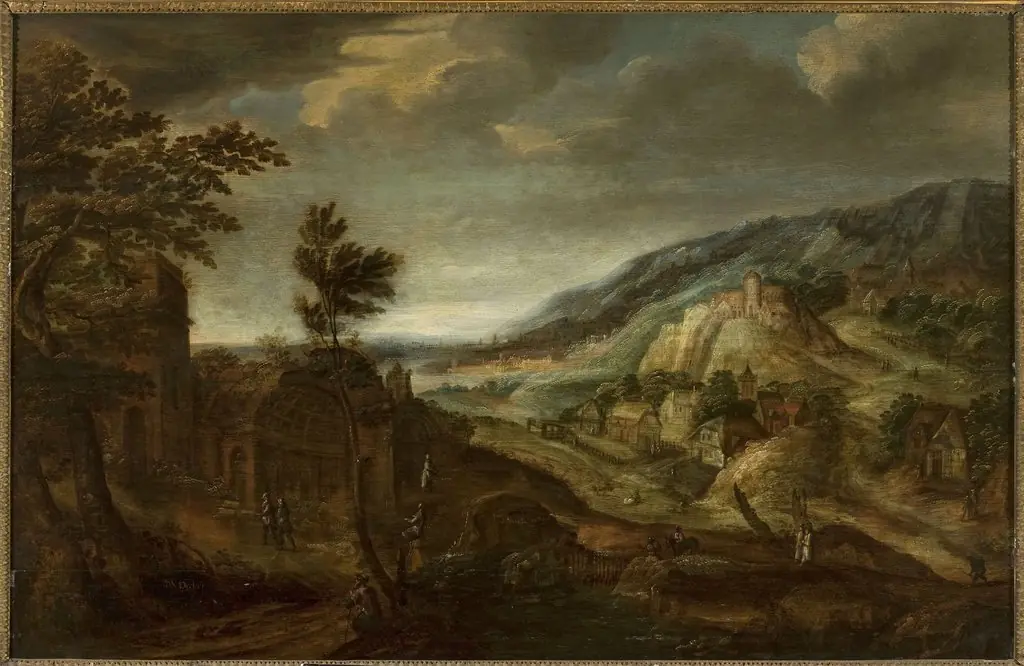 Mountain landscape