Artwork
Portrait of a man in a wig
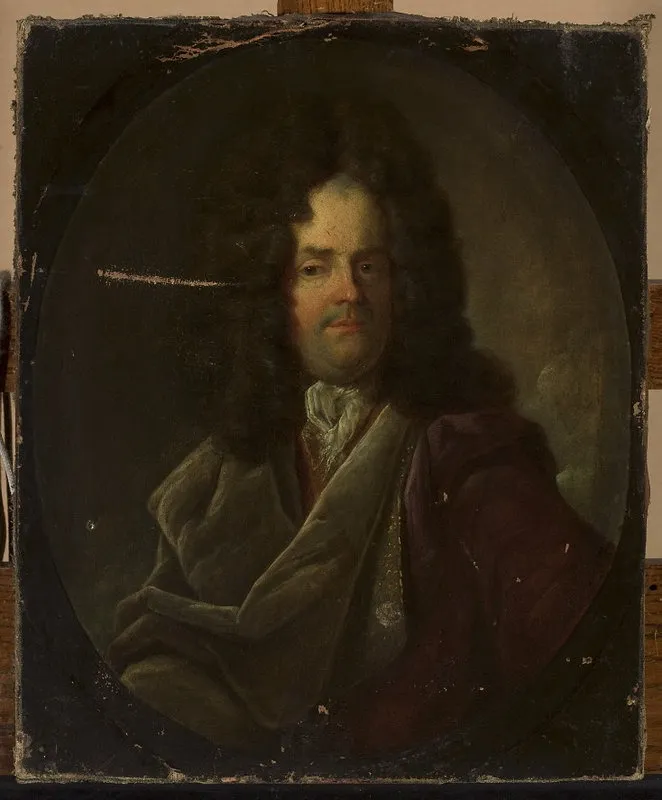
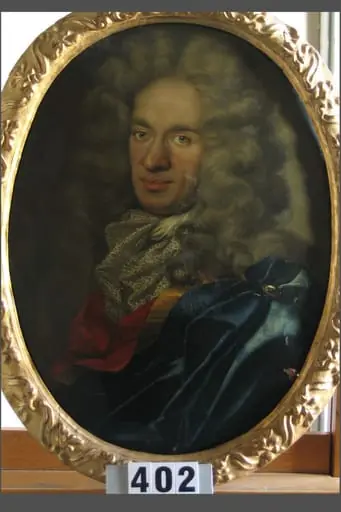
Portrait of a man in a wig is an oil painting by the Dutch Golden Age artist David van der Plas. It dates from 1685 and is held in the collection of the National Museum in Warsaw.
About this work
Overview
Painted around 1685 by Dutch artist David van der Plas, this oil portrait depicts a man in formal attire, rendered with quiet intensity.
Painted around 1685 by Dutch artist David van der Plas, this oil portrait depicts a man in formal attire, rendered with quiet intensity. The work is part of the collection at the National Museum in Warsaw. Its compact oval format and restrained palette emphasize the subject’s presence without distraction. The painting’s surface shows signs of age, with visible brushwork and minor edge wear, consistent with its 17th-century origins.
Subject & Meaning
The sitter, identified only by his attire, appears as a man of modest social standing—likely a merchant or civic official. His crossed hands and solemn gaze suggest introspection or dignity rather than ostentation. The absence of symbols or elaborate setting shifts focus to personal bearing, reflecting a shift in portraiture toward individual character over heraldic display common in earlier centuries.
Technique & Style
Van der Plas employs chiaroscuro to model the face and hands, using deep shadows to define volume against a dim background. The white wig and pale cravat catch the light, contrasting with the dark coat and shadowed corners. Brushstrokes are deliberate but not refined to the point of polish, preserving a tactile quality. The composition avoids ornamentation, prioritizing psychological presence over decorative flourish.
History & Provenance
The painting entered the National Museum in Warsaw’s collection in the 20th century, though its earlier ownership remains undocumented. It likely traveled from the Netherlands to Poland during the 18th or 19th century, possibly through private acquisition or estate dispersal. Its survival without major restoration suggests it was preserved in stable conditions, avoiding significant damage or alteration.
Context
Created during the Dutch Golden Age, this portrait aligns with a broader trend of intimate, unadorned likenesses favored by the urban middle class. Unlike aristocratic portraits of the period, it omits wealth indicators like jewelry or landscapes, instead conveying status through posture and attire. Similar works by contemporaries reflect a cultural preference for restrained elegance and personal dignity.
Legacy
Though not widely exhibited outside Poland, the portrait stands as an example of provincial Dutch portraiture that prioritized psychological realism over grandeur. It contributes to understanding how non-noble subjects were represented in the late 17th century, offering insight into the visual language of everyday dignity in a society increasingly focused on individual identity.
Artist & collection

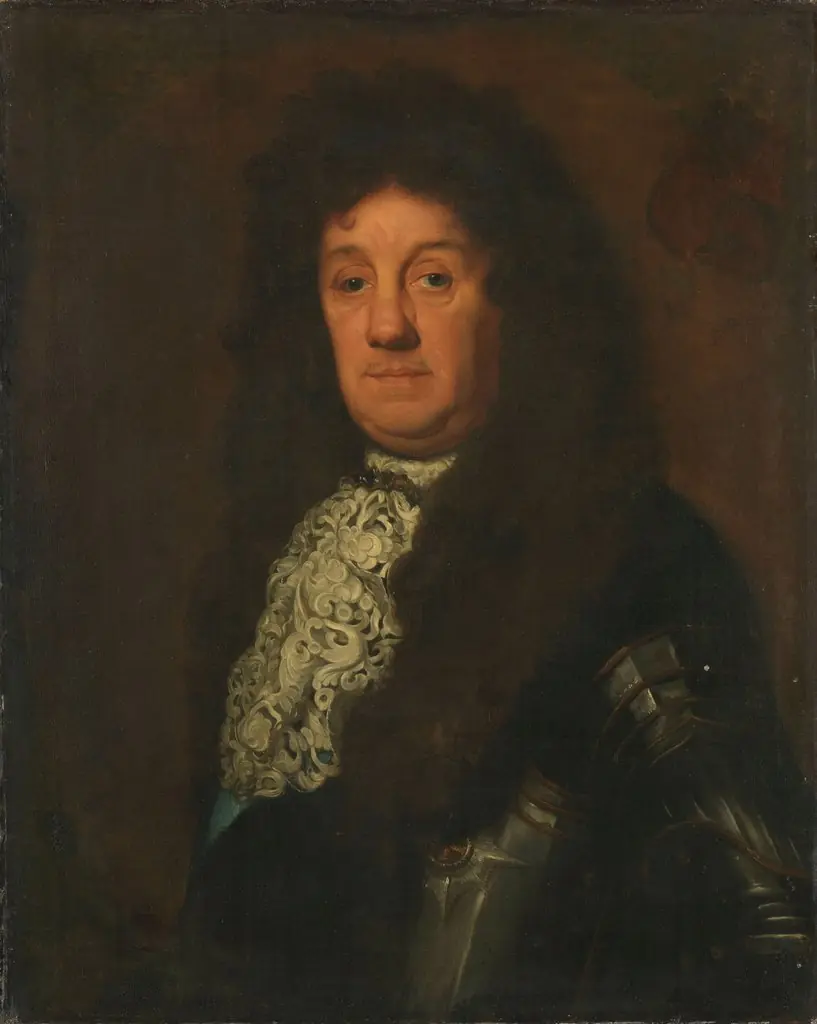 Portrait of Cornelis Tromp (1629-91), vice-admiral of Holland and West Friesland
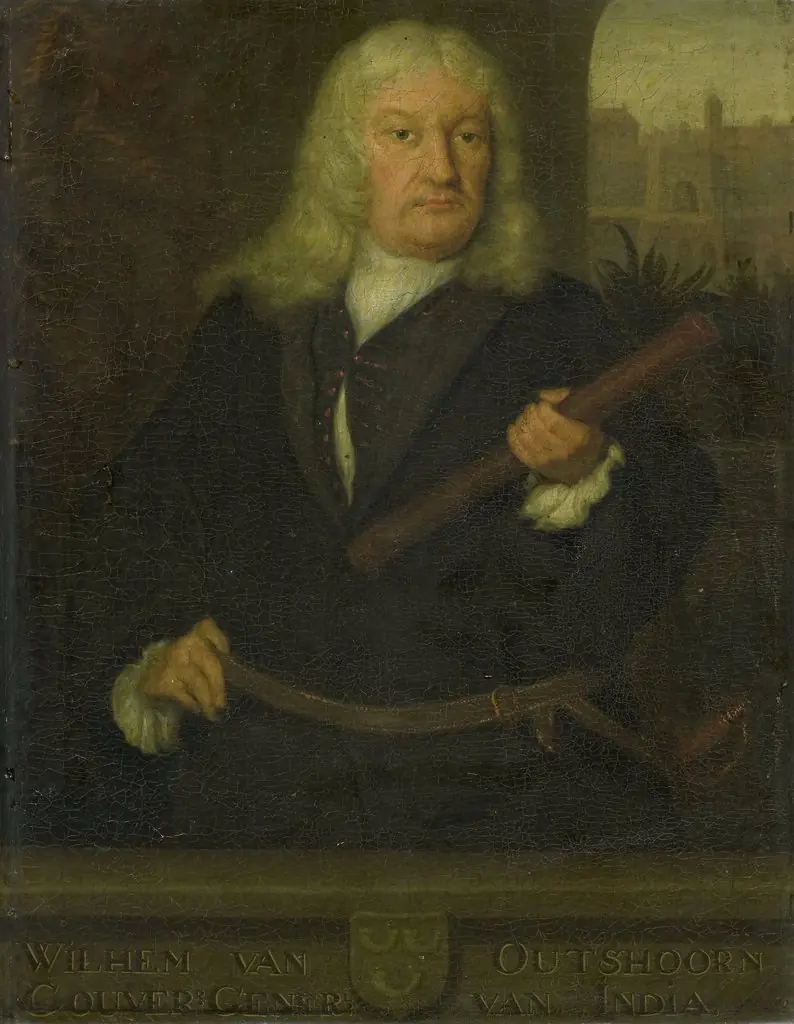 Portrait of Willem van Outhoorn, Governor General of the Dutch East Indies
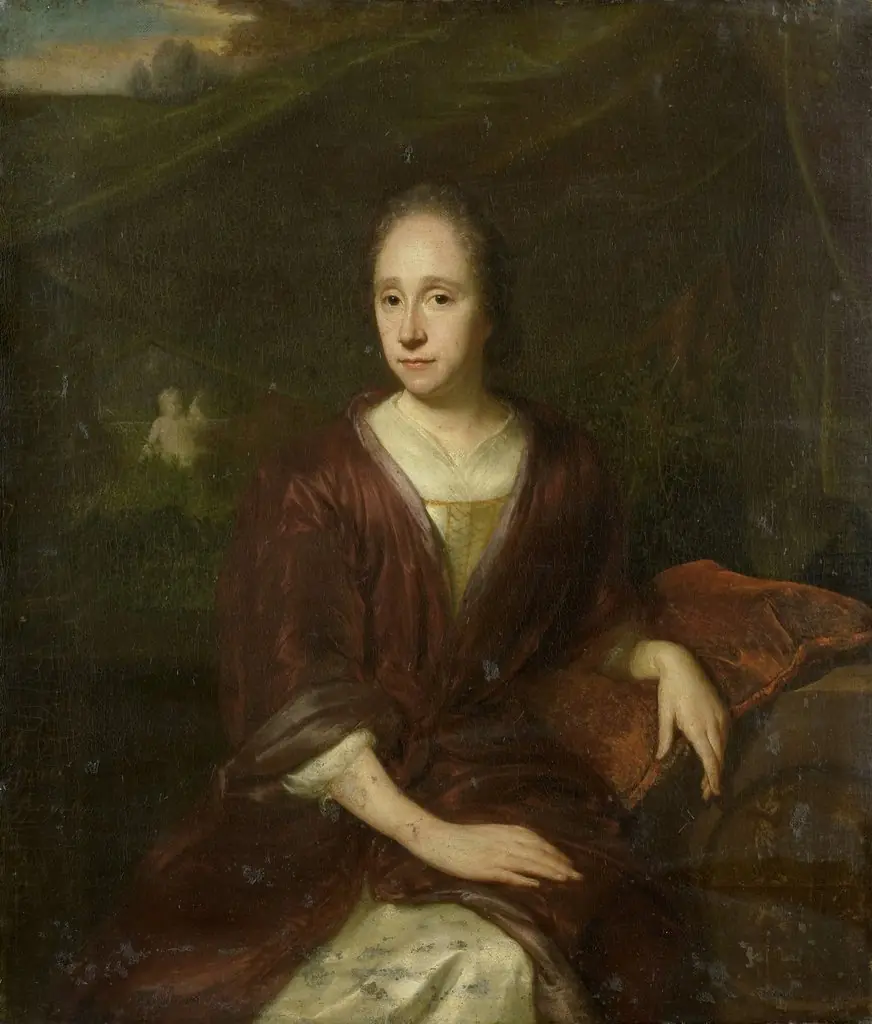 Portrait of Margaretha Nelis (1652-17050, second wife of Casparus Commelin
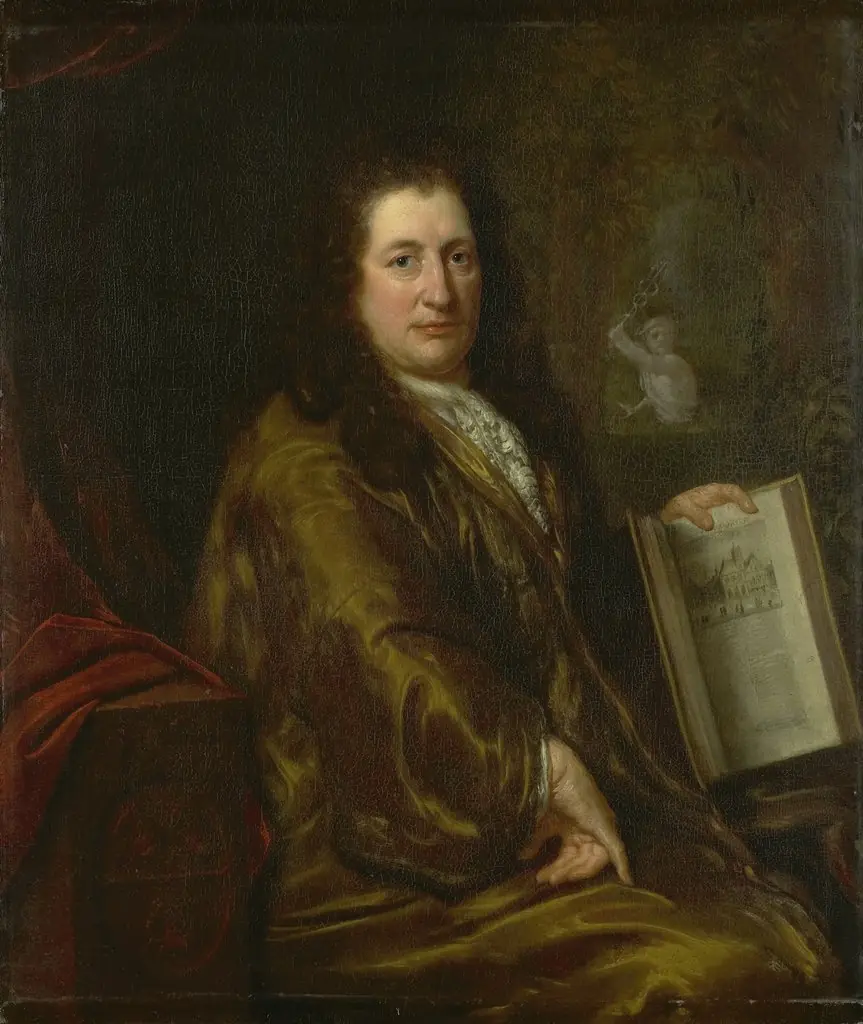 Portrait of Caspar Commelin, bookseller, newspaper publisher and author of the official history of Amsterdam 'Beschrijvinghe van Amsterdam'of 1693
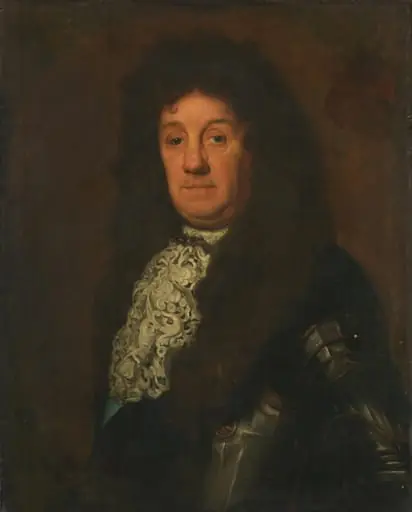 Portrait of Cornelis Tromp (1629-91), vice-admiral of Holland and West Friesland
 Bărbat cu mantie albastră. Pandant: Bărbat cu mantie roșie
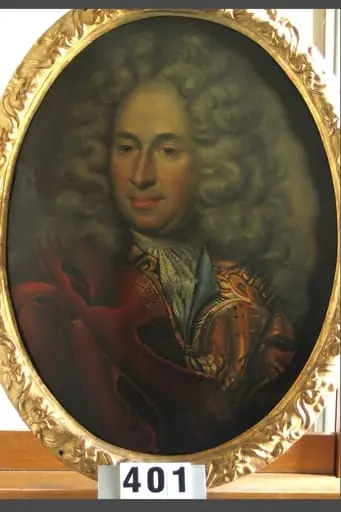 Bărbat cu manta roșie. Pandant: Bărbat cu mantie albastră
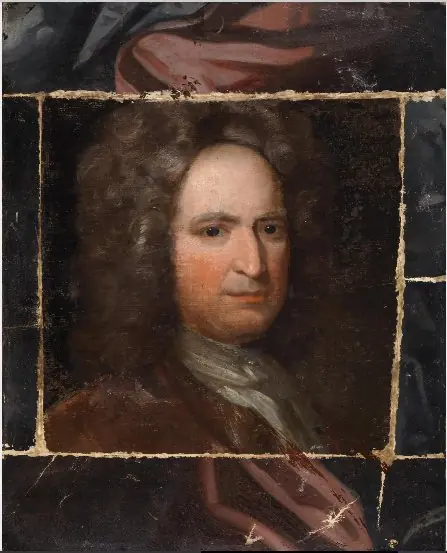 Portrait of the Reverend Samuel Madden (1686-1765), Philanthropist
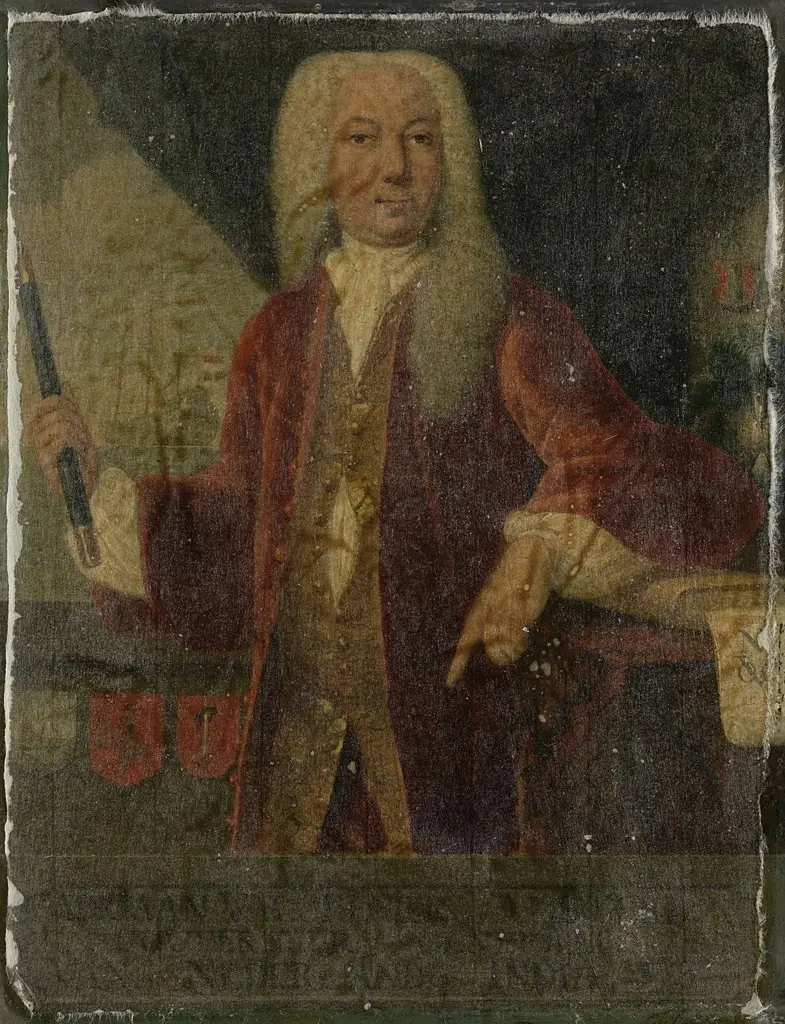 Portrait of Adriaan Valckenier (1695-1751), Gouverneur-generaal (1737-41)
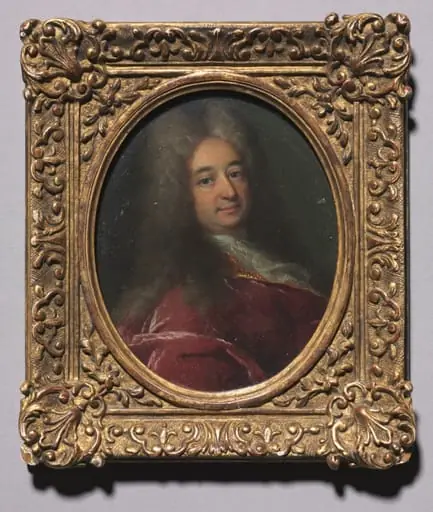 Portrait of Robert Levrac-Tournières
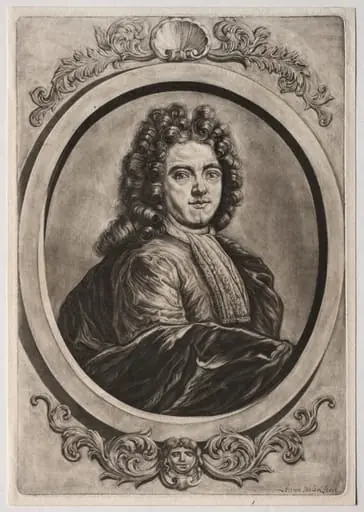 Self-Portrait
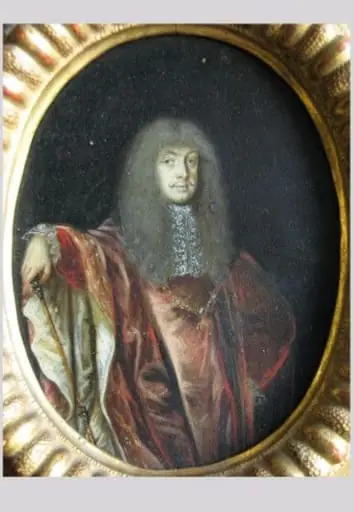 Împăratul Leopold I, Mare Maestru al ordinului "Lâna de aur"
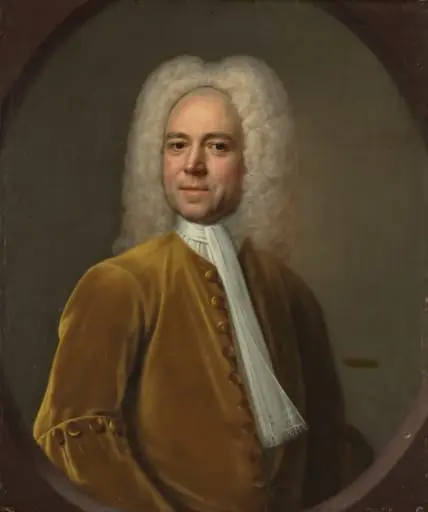 Portrait of a Man
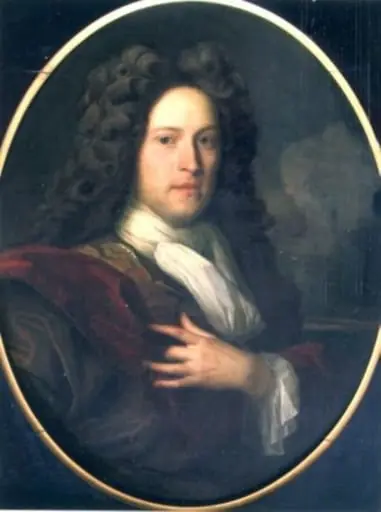 Bărbat cu manta roșie
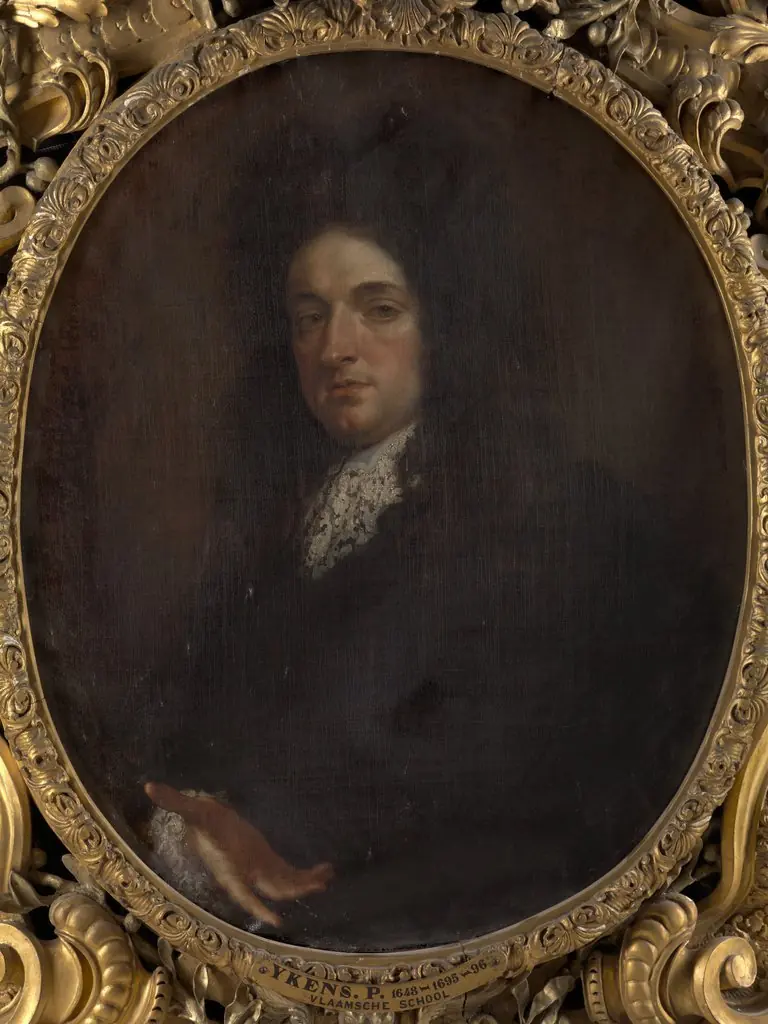 Steven Cornelis Janssens van Hujoel, Dean of the Guild of St. Luke and of the Chamber of Rhetoric De Olijftak
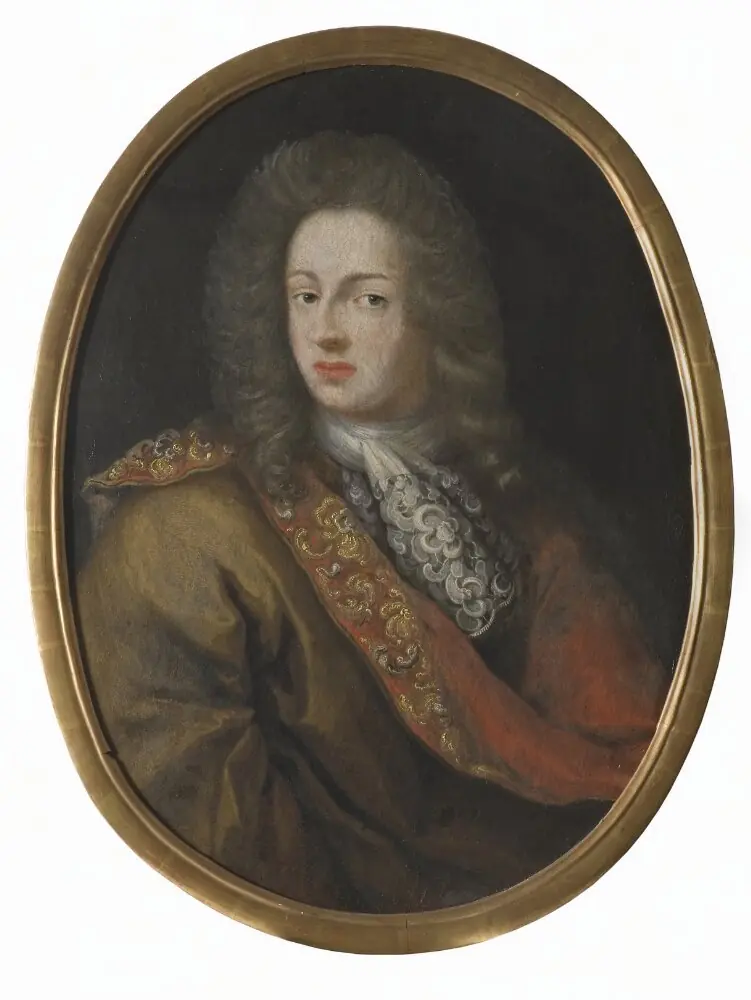 Philip Christopher von Königsmarck (1665-1694), greve, generalmajor i kursachisk tjänst
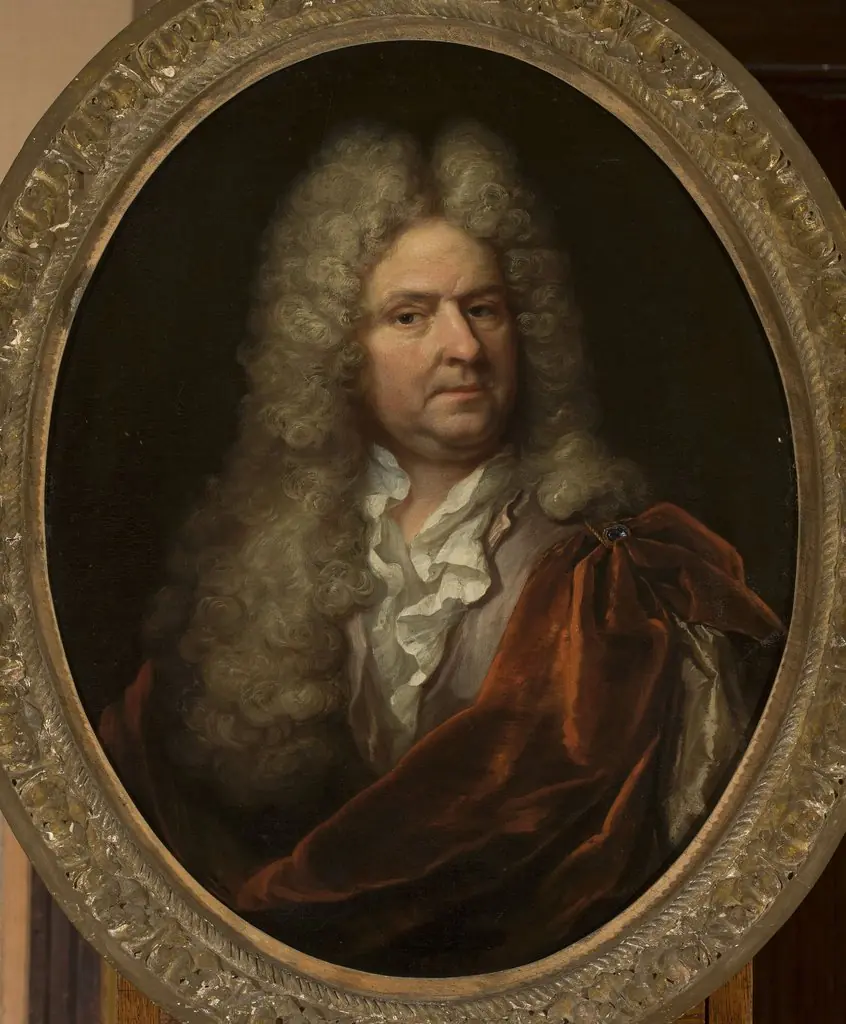 Portrait of a man in a wig