Artwork
The Fête Champêtre
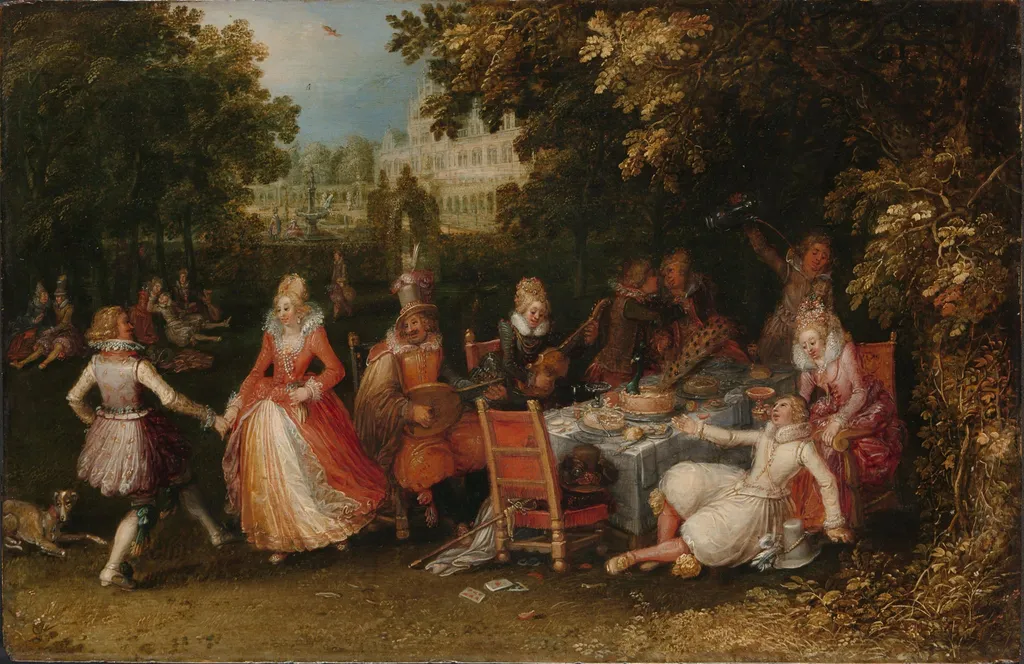
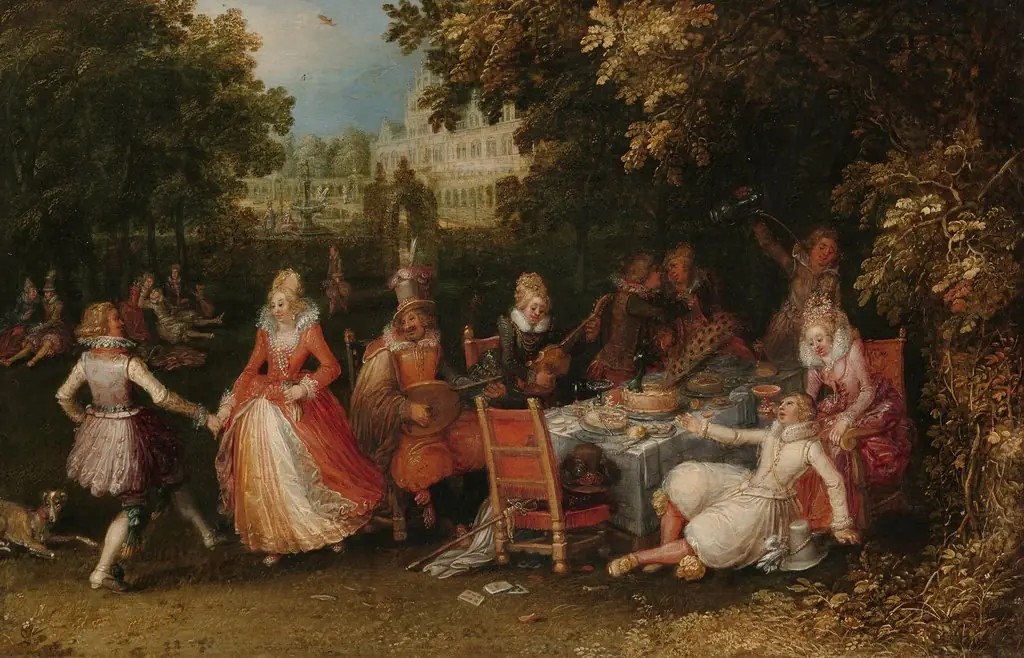
The Fête Champêtre is an unspecified painting by the Flemish Baroque painting artist David Vinckboons. It dates from 1610 and is held in the collection of the Rijksmuseum.
About this work
Overview
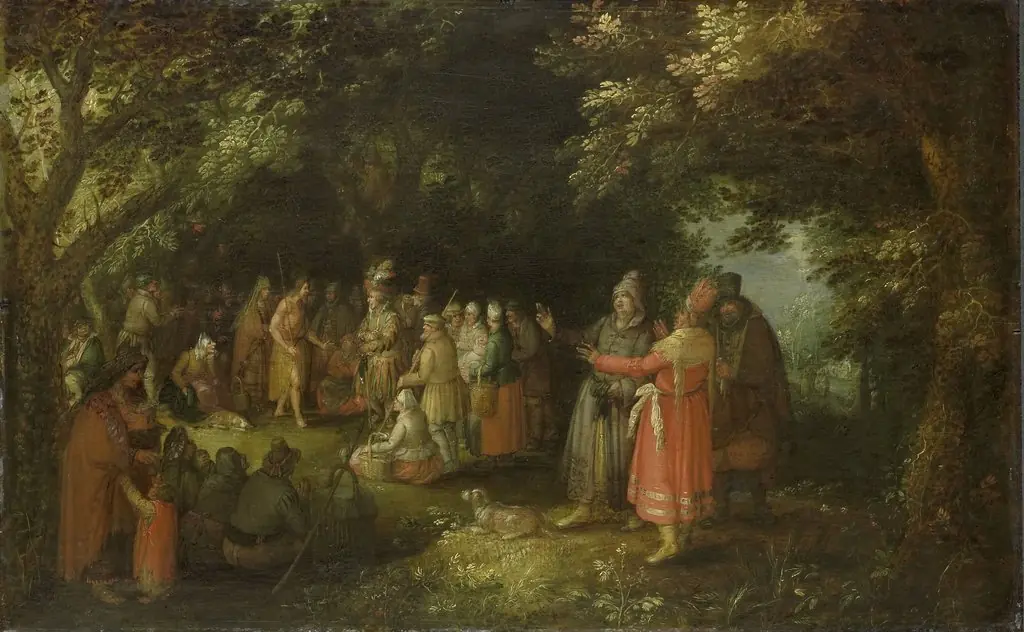
This painting depicts an outdoor gathering of aristocrats in a landscaped garden, typical of early 17th-century Dutch and Flemish genre scenes.
This painting depicts an outdoor gathering of aristocrats in a landscaped garden, typical of early 17th-century Dutch and Flemish genre scenes. Figures are engaged in leisurely activities—dining, dancing, and conversing—under the shade of trees. The absence of a known artist and the scene’s intimate realism suggest it was created for private patrons rather than public display, capturing a moment of refined sociability.
Subject & Meaning
The scene reflects the idealized pastimes of the upper class, where music, courtship, and dining merged into a ritual of social grace. The presence of paired figures and musical instruments implies themes of love and harmony, common in allegorical depictions of earthly pleasure. The setting, neither mythological nor biblical, elevates everyday elegance into a quiet celebration of refined existence.
Technique & Style
The artist rendered textures with meticulous care: the sheen of silk garments, the translucence of glassware, and the soft fall of light through foliage are rendered with subtle precision. Brushwork remains controlled yet fluid, avoiding theatricality in favor of naturalistic observation. The composition is layered but uncluttered, guiding the eye through groups of figures without a central focal point.
History & Provenance
The painting’s origin remains undocumented, with no signed attribution or early ownership records. It likely emerged from a private collection in the Netherlands or Flanders during the early 1600s. Its survival without a known artist suggests it was valued for its subject matter rather than its maker, reflecting a market where genre scenes were collected for their charm rather than fame.
Context
This work aligns with a broader trend in Northern European art where domestic and garden scenes replaced religious narratives as symbols of civic and personal prosperity. The absence of overt moralizing, combined with attention to material detail, mirrors the rising influence of secular life and the Dutch Golden Age’s fascination with the visible world.
Legacy
Though unsigned, the painting contributes to the understanding of how ordinary luxury was visualized before photography. Its quiet realism influenced later genre painters who sought to capture fleeting moments of social interaction. Institutions like the Rijksmuseum preserve similar works, offering continuity in the study of early modern leisure and material culture.
Own this work as a print
Artist & collection
Artist
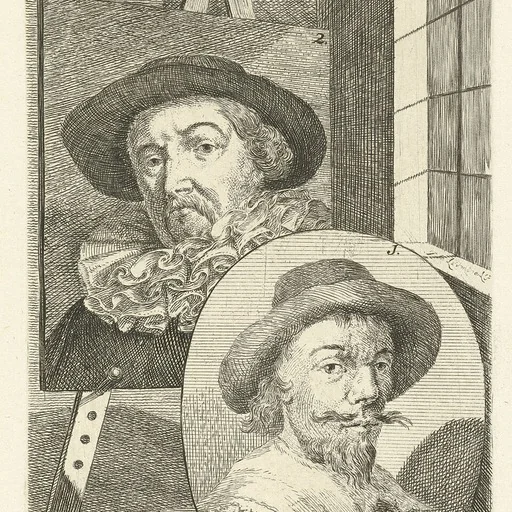
David Vinckboons (baptized 13 August 1576 – c. 1632) was a Dutch Golden Age painter born in Mechelen, Southern Netherlands. Vinckboons, whose name is often spelled as Vingboons, Vinghboons, Vinckebonis or Vinckboom, had…

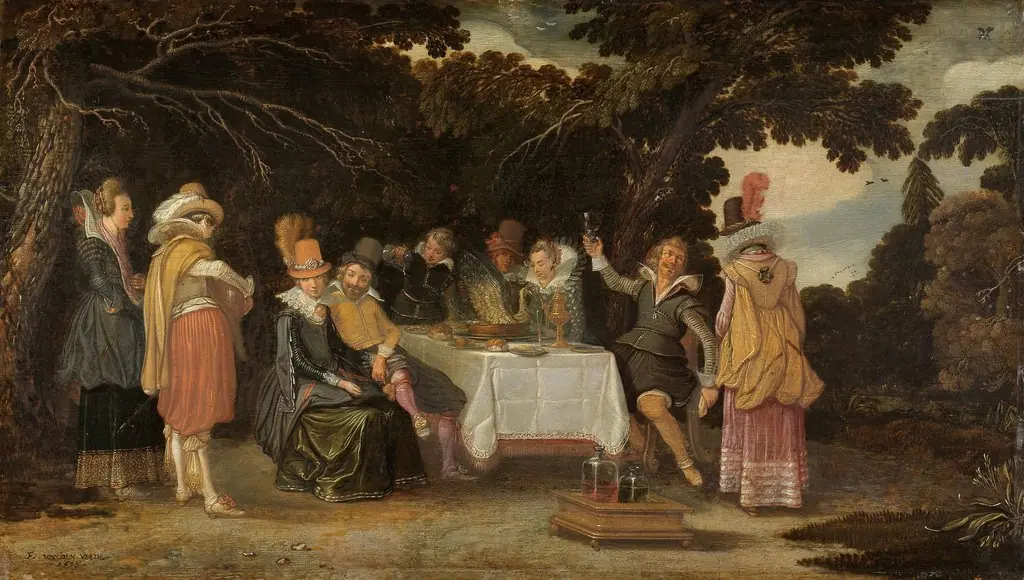 Elegant company dining in the open air
 Christ Healing at the Pool of Bethesda
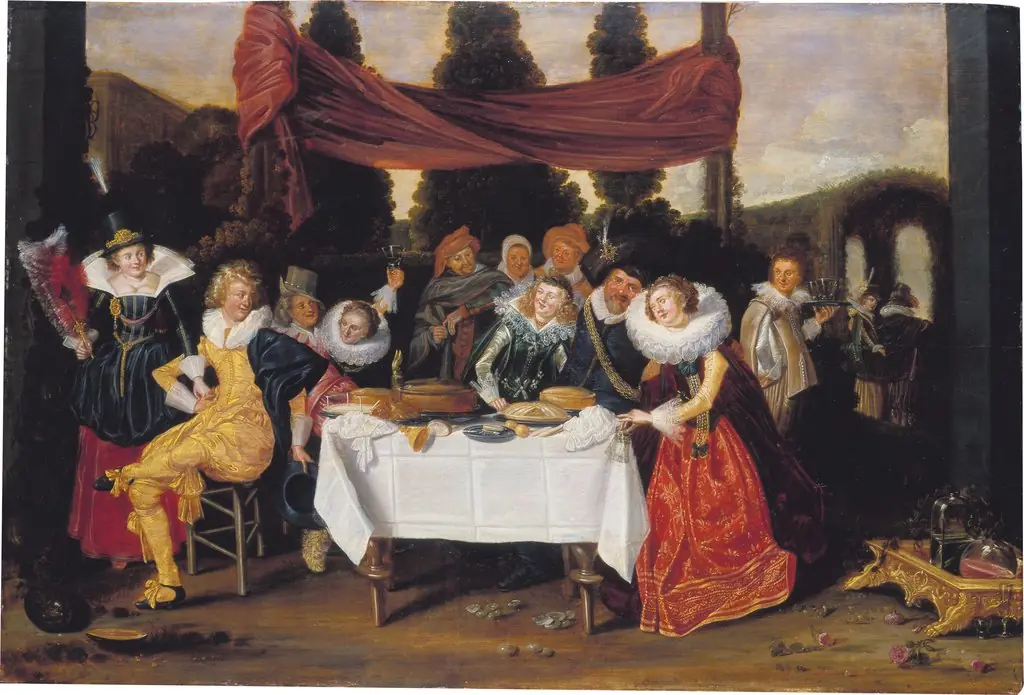 Merry Company
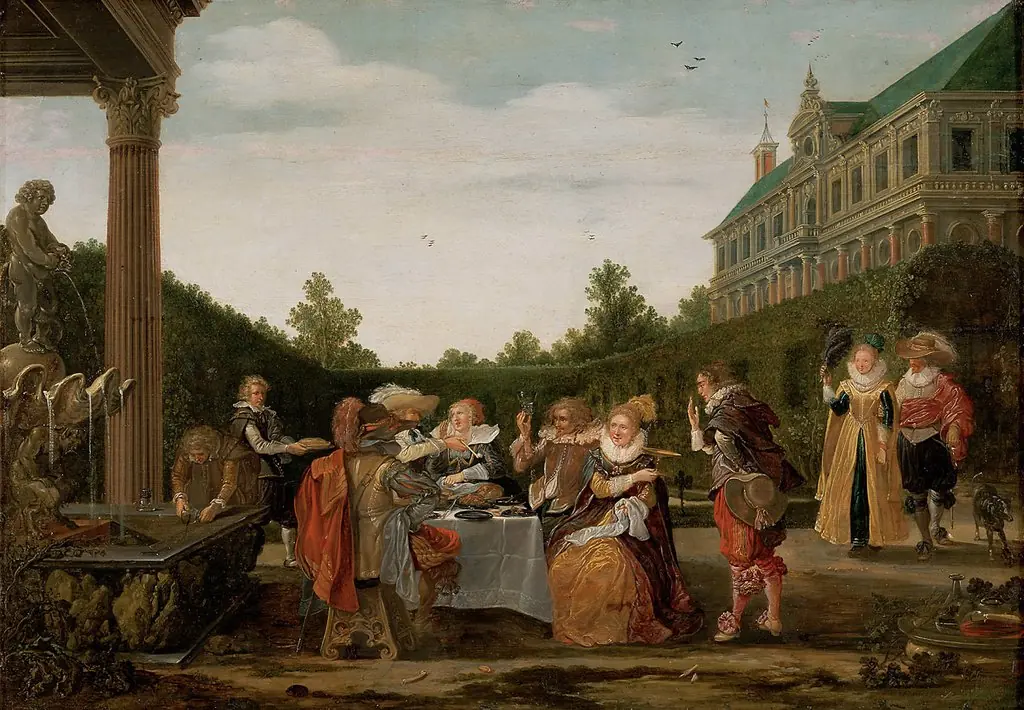 Banquet in a palatial garden, with an elegant company drinking and in conversation
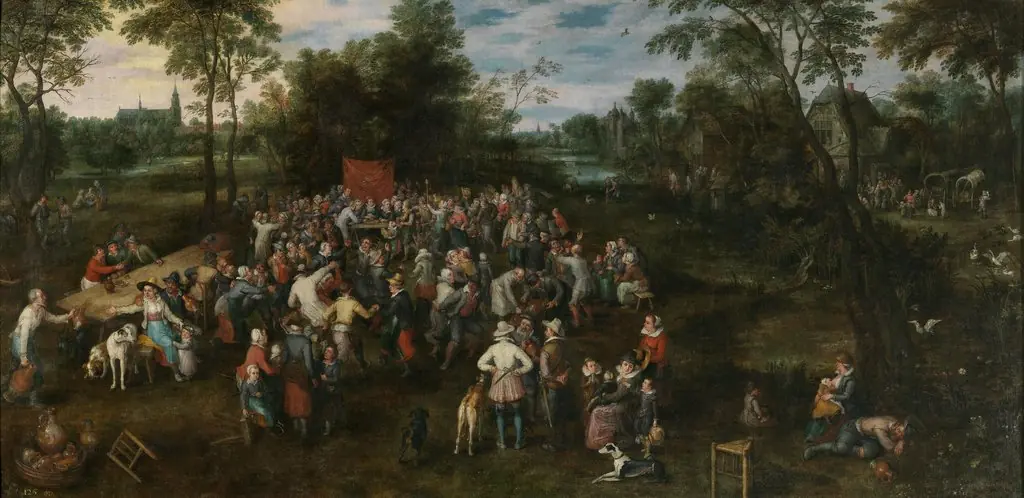 The Wedding Banquet
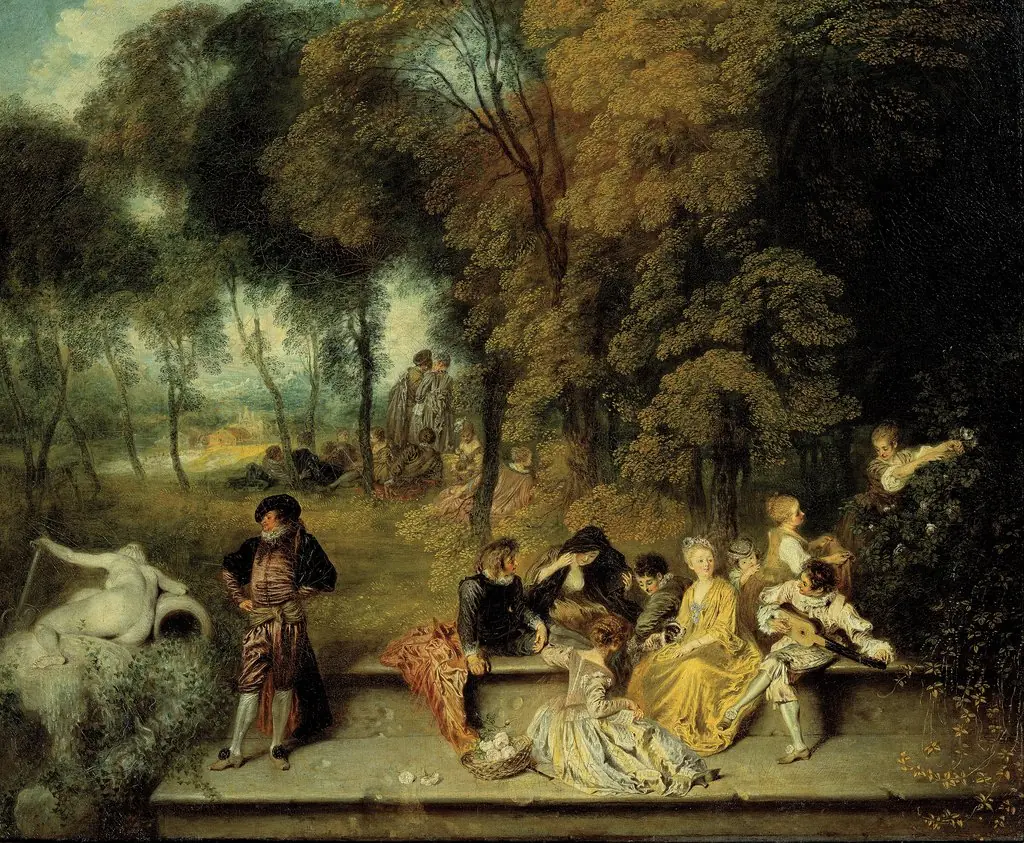 Pleasures of Love
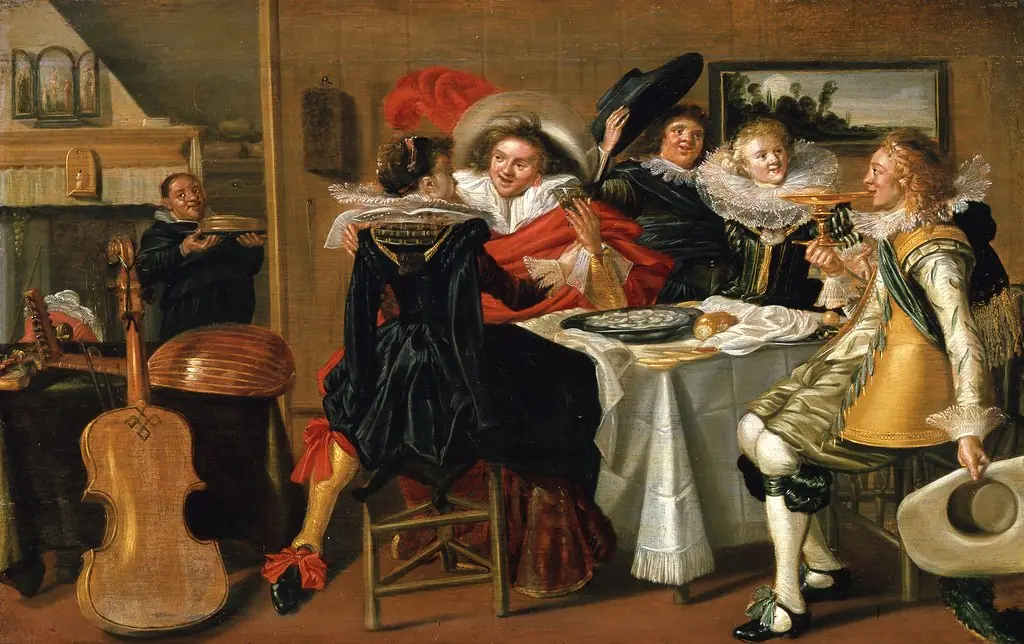 Elegant company drinking in an interior
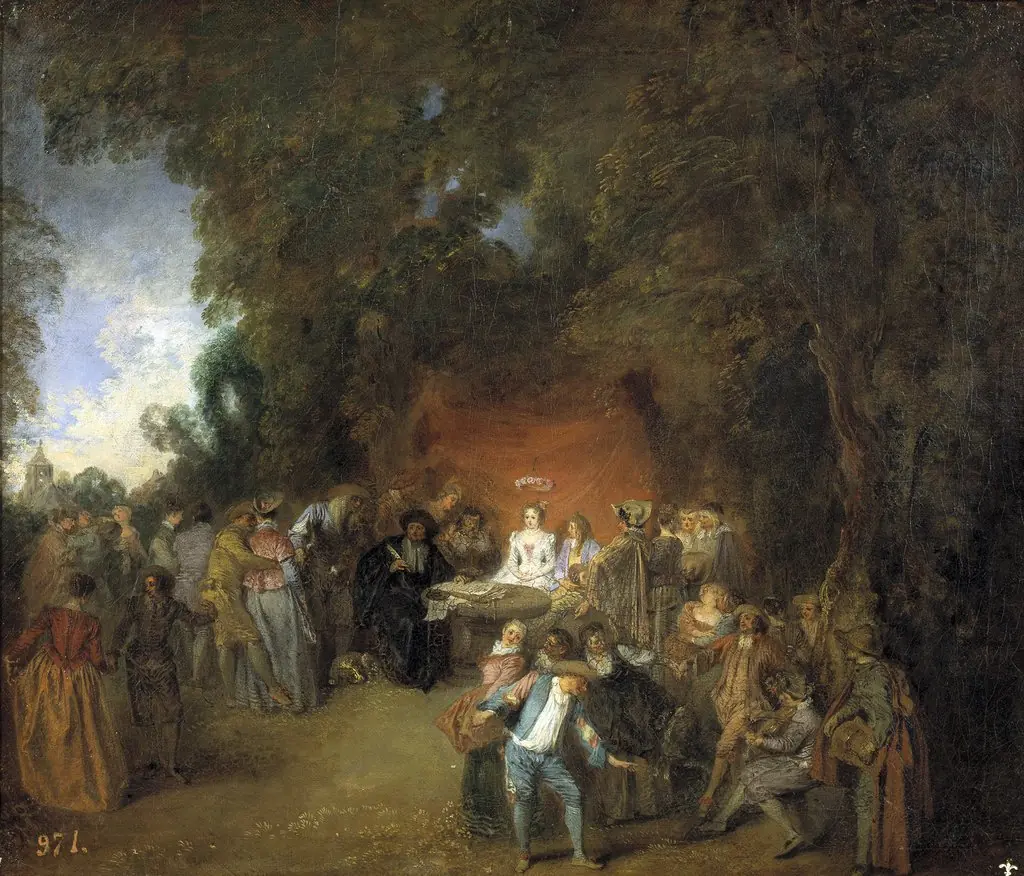 Marriage Contract and Country Dancing
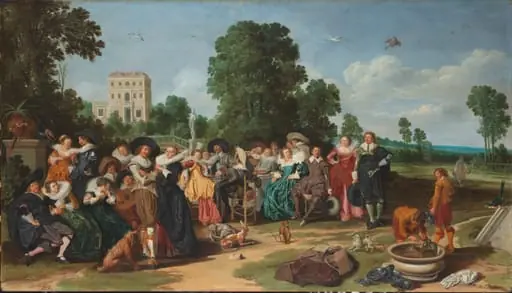 De buitenpartij
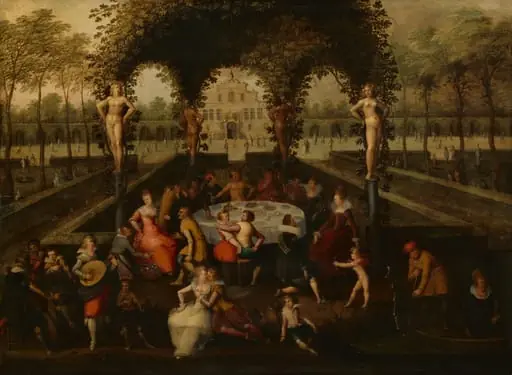 Venus, Bacchus and Ceres with Mortals in a Garden of Love