Artwork
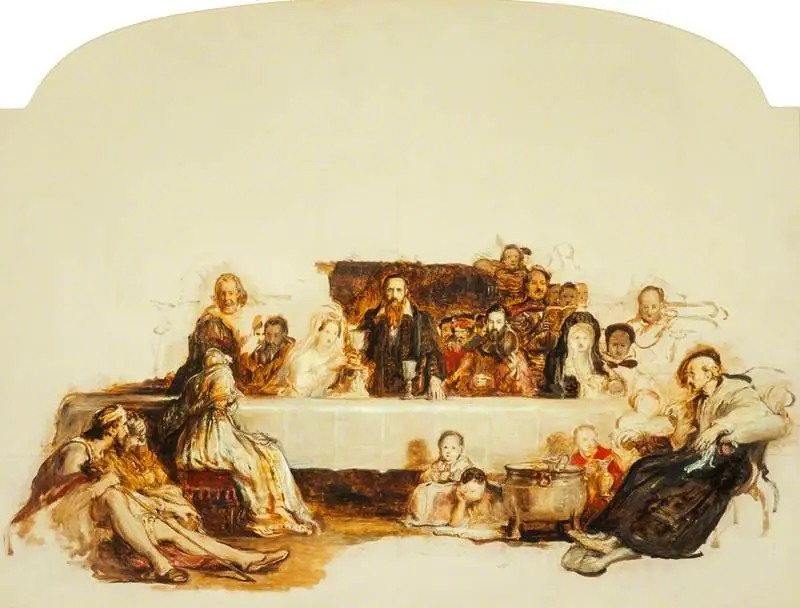
John Knox Dispensing the Sacrament at Calder House (unfinished)
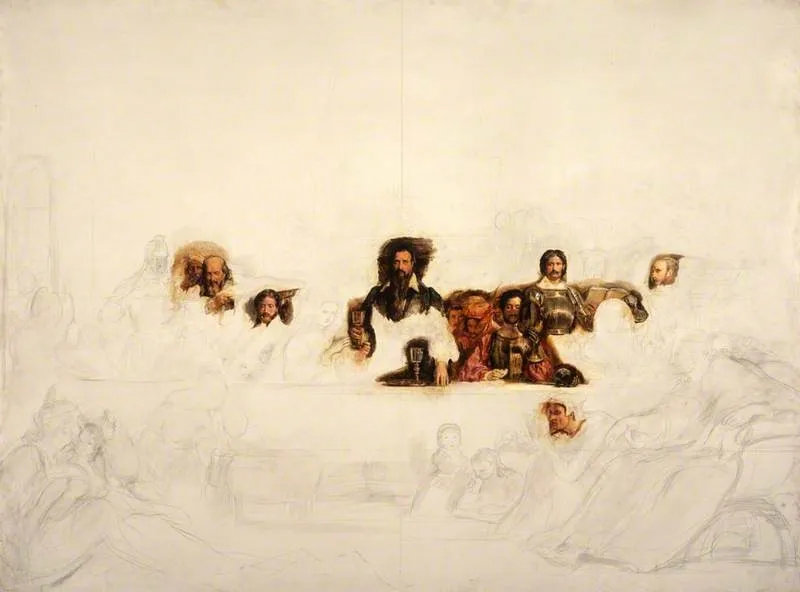
John Knox Dispensing the Sacrament at Calder House (unfinished) is an oil painting by the Realist artist David Wilkie. It dates from 1840 and is held in the collection of the National Galleries Scotland.
About this work
Overview
The scene is rendered in subdued tones, with areas of the canvas left bare, preserving the artist’s working process and emphasizing the rawness of the moment.
David Wilkie’s unfinished oil painting from 1840 portrays a moment from the Scottish Reformation, capturing John Knox at Calder House during a communion service. Though incomplete, the work reflects Wilkie’s commitment to historical realism and his role as a court painter to the British monarchy. The scene is rendered in subdued tones, with areas of the canvas left bare, preserving the artist’s working process and emphasizing the rawness of the moment.
Subject & Meaning
The painting depicts John Knox, a central figure in the Protestant Reformation in Scotland, administering the Eucharist to a modest gathering. Wilkie chose this intimate religious act to underscore Knox’s role not as a polemicist but as a spiritual leader among ordinary believers. The quiet dignity of the scene contrasts with more dramatic portrayals of Reformation figures, suggesting a focus on personal faith rather than public spectacle.
Technique & Style
Wilkie employed a restrained palette of browns, grays, and muted earth tones to ground the scene in realism. Light falls selectively, modeling forms through subtle chiaroscuro rather than dramatic contrast. The unfinished areas reveal underpainting and sketchy brushwork, offering insight into his method: careful modeling of faces and hands, while backgrounds and drapery remain loosely suggested, reinforcing the painting’s transitional state.
History & Provenance
Commissioned during Wilkie’s tenure as Principal Painter in Ordinary, the work was left incomplete at the time of his death in 1841. It remained in the artist’s studio before entering the collection of the Scottish National Gallery, where it has been held since the 19th century. Its incomplete state has not diminished its scholarly value; instead, it provides a rare window into Wilkie’s creative process.
Context
Painted during a period of renewed interest in Scotland’s religious history, the work aligns with Victorian-era efforts to define national identity through historical narrative. Wilkie, though trained in genre painting, turned to Reformation themes to engage with Scotland’s Protestant heritage. The choice of Calder House—a documented site of Knox’s activity—grounds the scene in historical specificity, even as the composition remains deliberately understated.
Legacy
The painting’s unfinished condition has made it a key study for understanding Wilkie’s working methods and his transition from genre scenes to historical subjects. It is frequently cited in discussions of 19th-century Scottish art for its quiet humanity and technical transparency. Rather than concealing process, the work invites viewers to witness the artist’s thought, preserving its integrity as a document of both history and craft.
Artist & collection
Artist
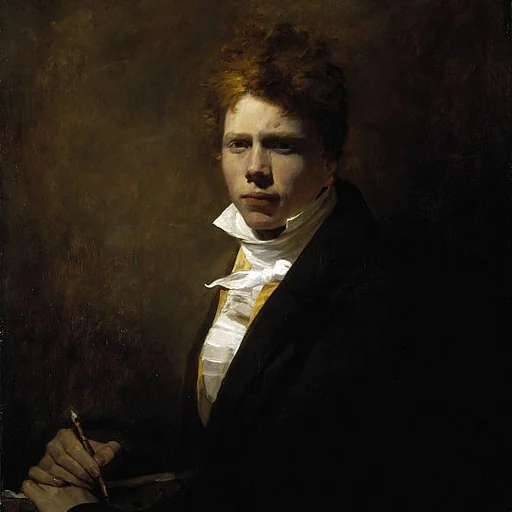
Sir David Wilkie (18 November 1785 – 1 June 1841) was a Scottish painter, especially known for his genre scenes.

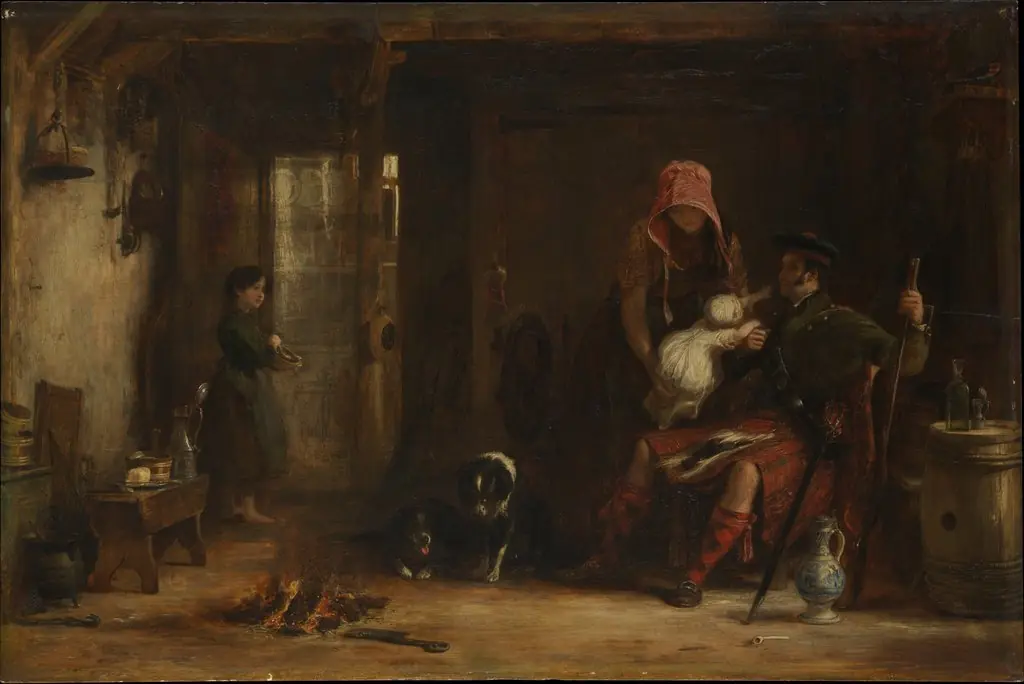 The Highland Family
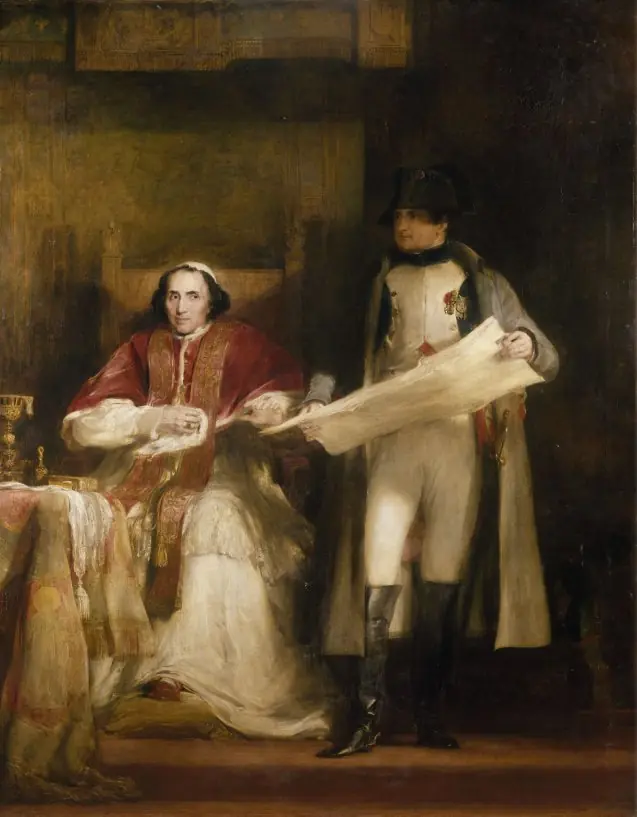 Napoleon and Pope Pius VII at Fontainebleau in 1813
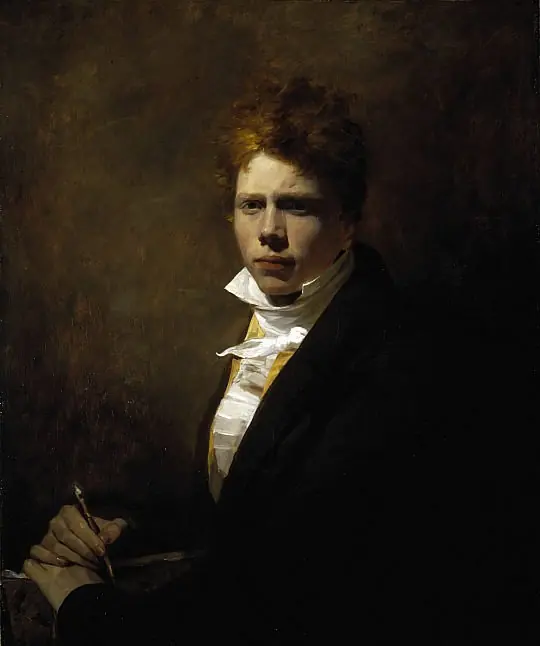 Self-Portrait
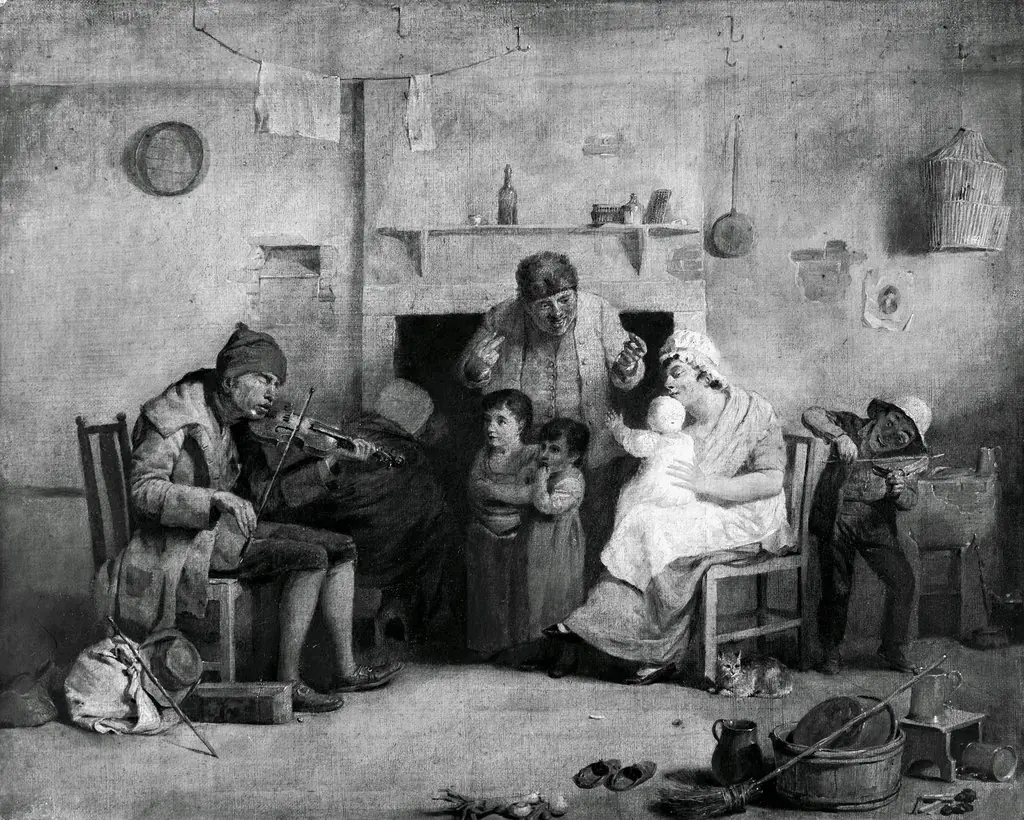 The blind violinist
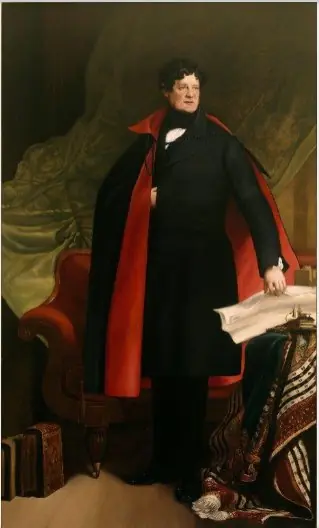 Portrait of Daniel O'Connell as Governor of the National Bank
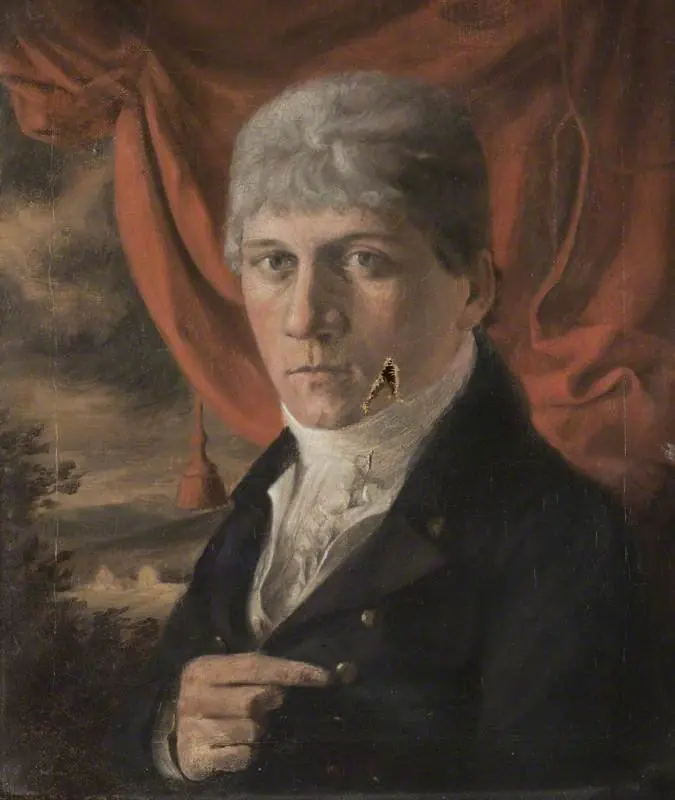 Portrait of the Artist's Brother, Captain James Wilkie (1784 - 1824)
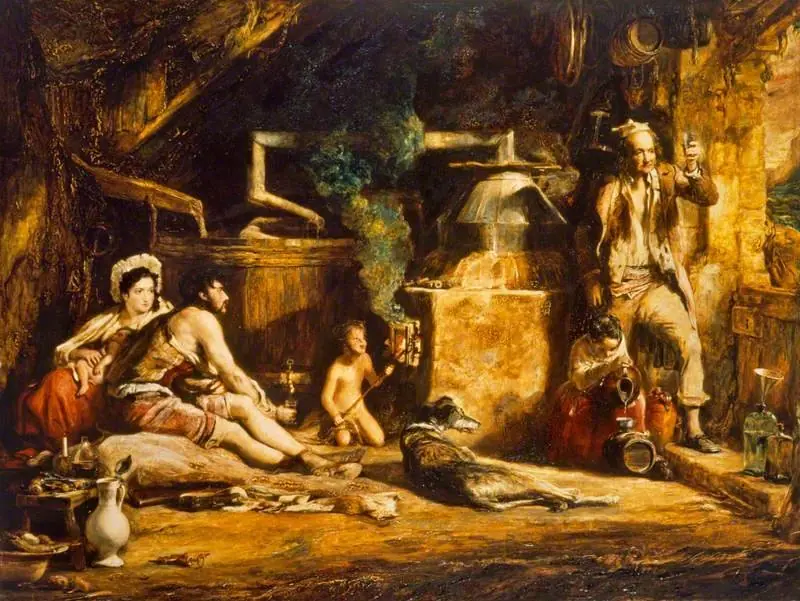 The Irish Whiskey Still
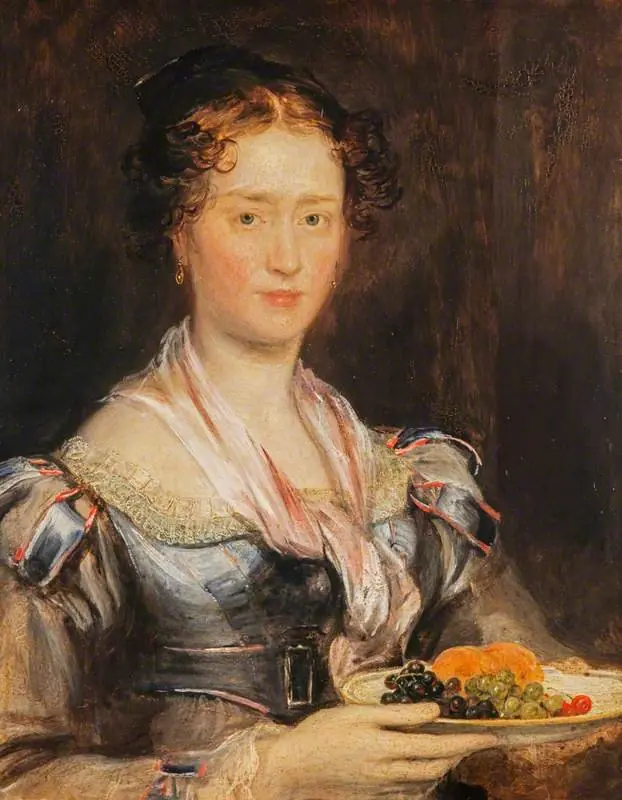 The Artist's Sister, Helen Hunter, née Wilkie (1793–1870)
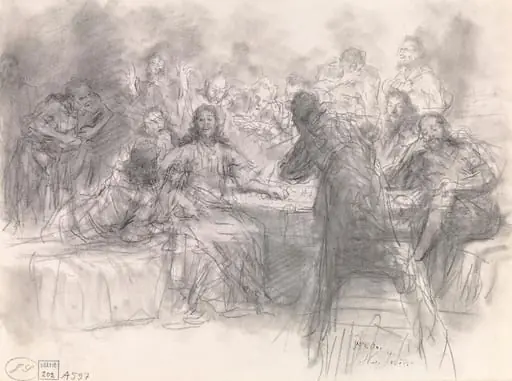 Luonnos maalaukseen Viimeinen ehtoollinen
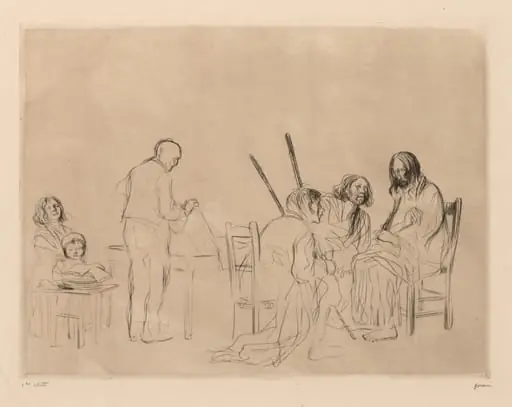 Before the Supper at Emmaus
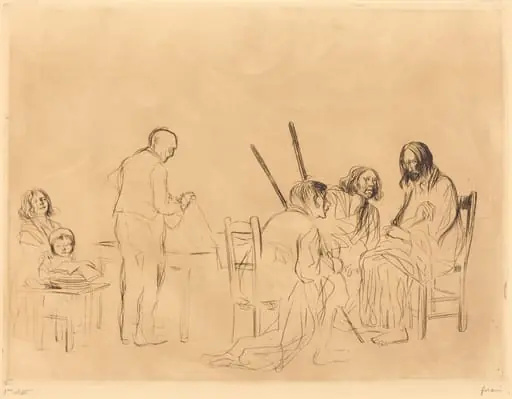 Avant le repas à Emmaus (1ère planche) (Before the Supper at Emmaus) (first plate)
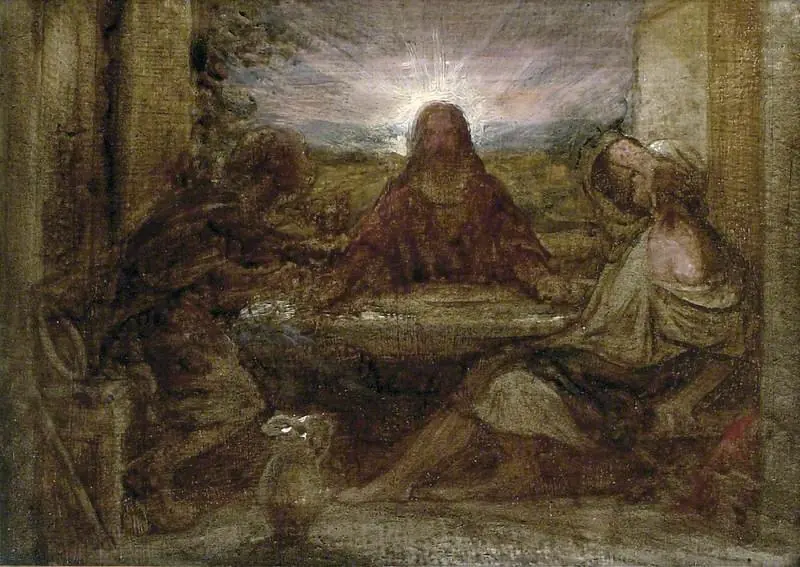 The Supper at Emmaus
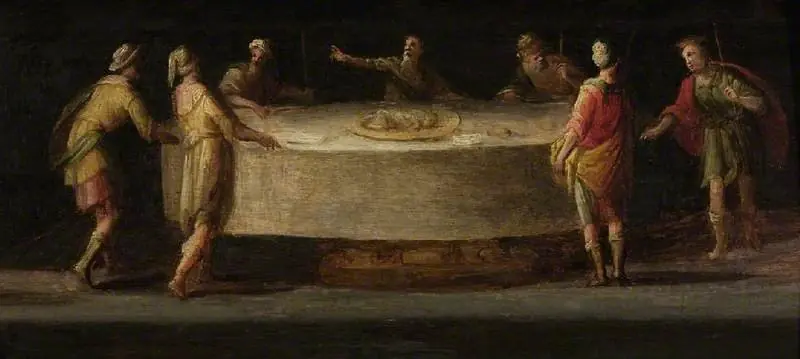 The Passover
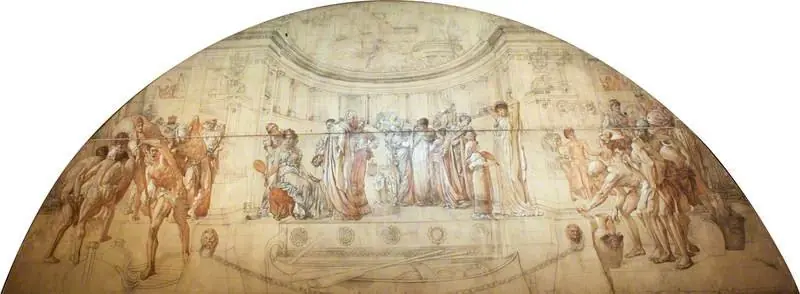 The Arts of Industry as Applied to Peace (full-scale cartoon for a wall painting in the Victoria and Albert Museum)
 A Scotch Wedding
 Le repas à Emmaus (3e planche) (The Supper at Emmaus) (third plate)
 Untitled
 Avant le repas à Emmaus
 Murillo, Velázquez, Leonardo da Vinci
 A Study for 'John Knox Dispensing the Sacrament at Calder House' (NG 323)