Artwork
Self-Portrait
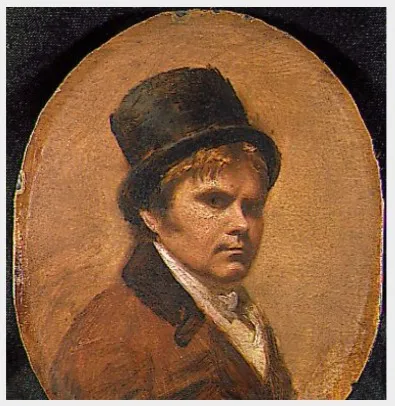
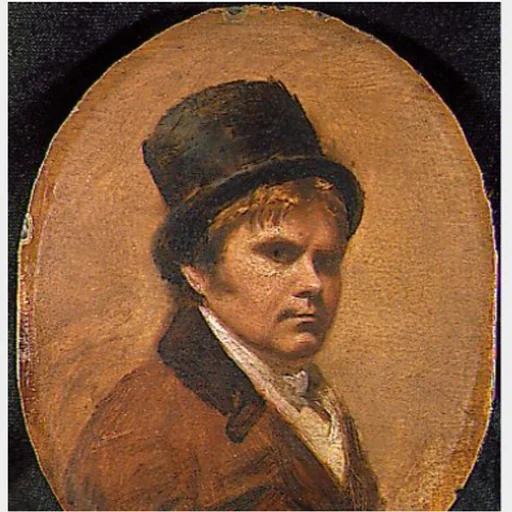
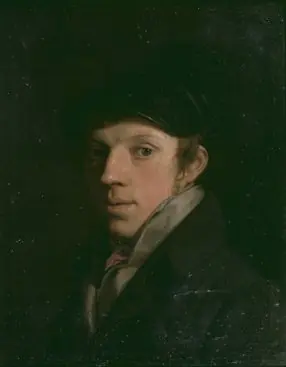
Self-Portrait is an unspecified painting by the British Romanticist artist James Petrie. It dates from 1802 and is held in the collection of the National Gallery of Ireland.
About this work
Overview
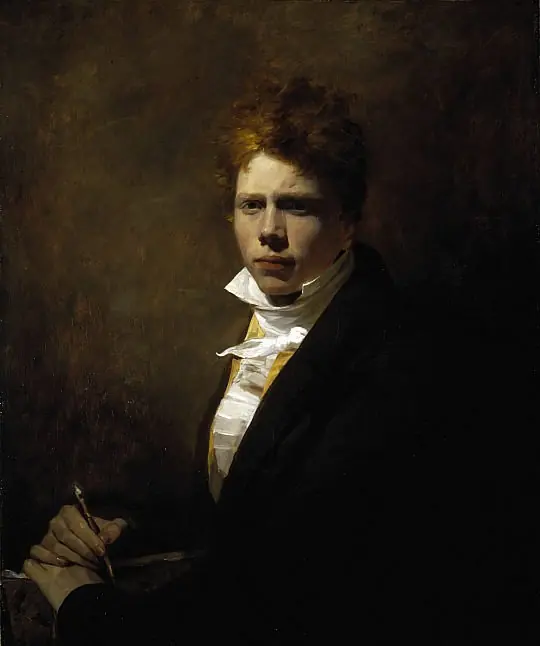
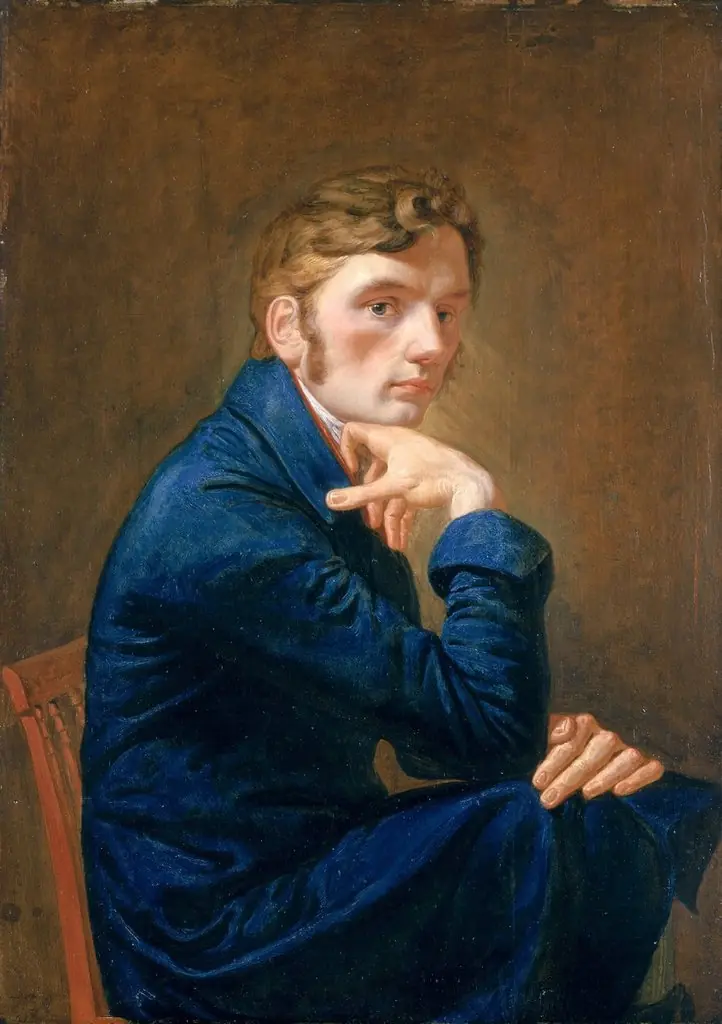
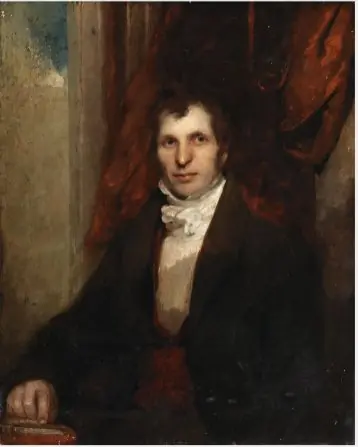
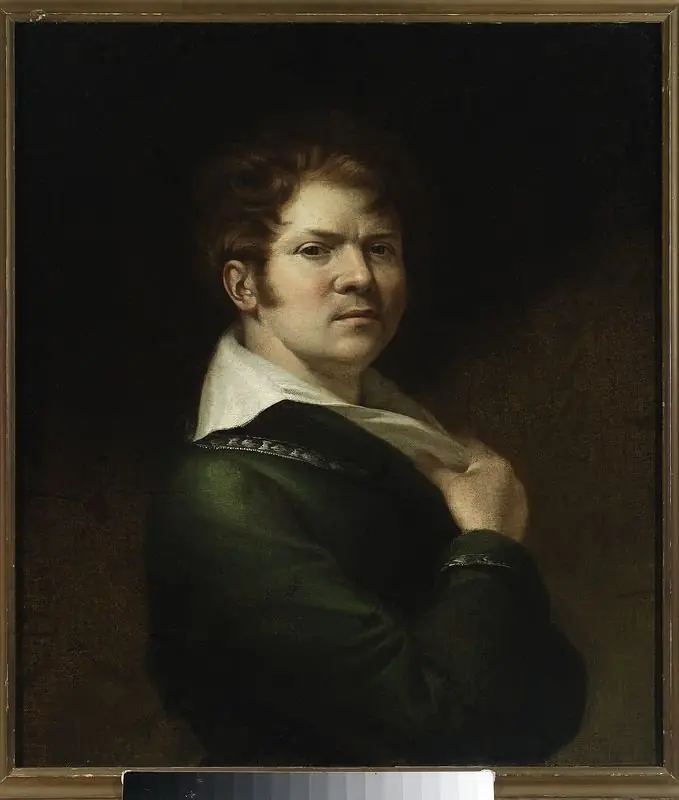
James Petrie’s self‑portrait, executed in 1802, presents the artist in a half‑length format. The sitter is shown from the shoulders up, turned slightly toward his right, set against a muted, light‑brown backdrop. Dressed in a black hat, brown coat and white shirt, his gaze falls downward and to the side, conveying a restrained, introspective mood.
Subject & Meaning
The work functions as a personal study, offering insight into Petrie’s self‑presentation at the turn of the nineteenth century. The subdued expression and contemplative glance suggest a focus on inner thought rather than external display, aligning with the period’s interest in individual character and moral seriousness.
Technique & Style
Rendered in a realistic manner, the portrait emphasizes fine detail in the facial features, particularly the eyes and mouth. Petrie employs a limited palette of earth tones, allowing subtle modeling of light and shadow to create a sense of volume while maintaining a calm, understated atmosphere.
History & Provenance
Created in 1802, the painting entered the collection of the National Gallery of Ireland, where it remains on display. Its acquisition reflects the institution’s commitment to preserving works by Irish artists of the early nineteenth century, providing a reference point for the artist’s oeuvre.
Context
The portrait emerges from a period when self‑portraiture served both as a means of professional promotion and a vehicle for personal reflection. Within the Irish artistic scene of the early 1800s, such works contributed to a growing sense of national artistic identity, situating Petrie among his contemporaries.
Artist & collection