Artwork
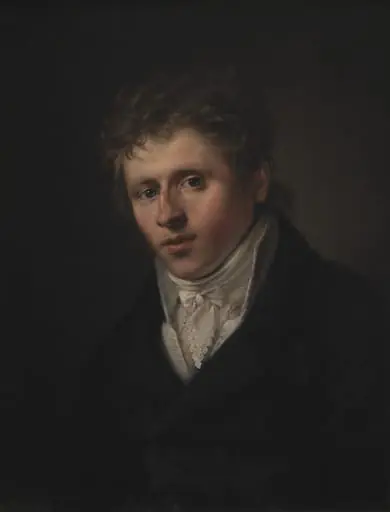
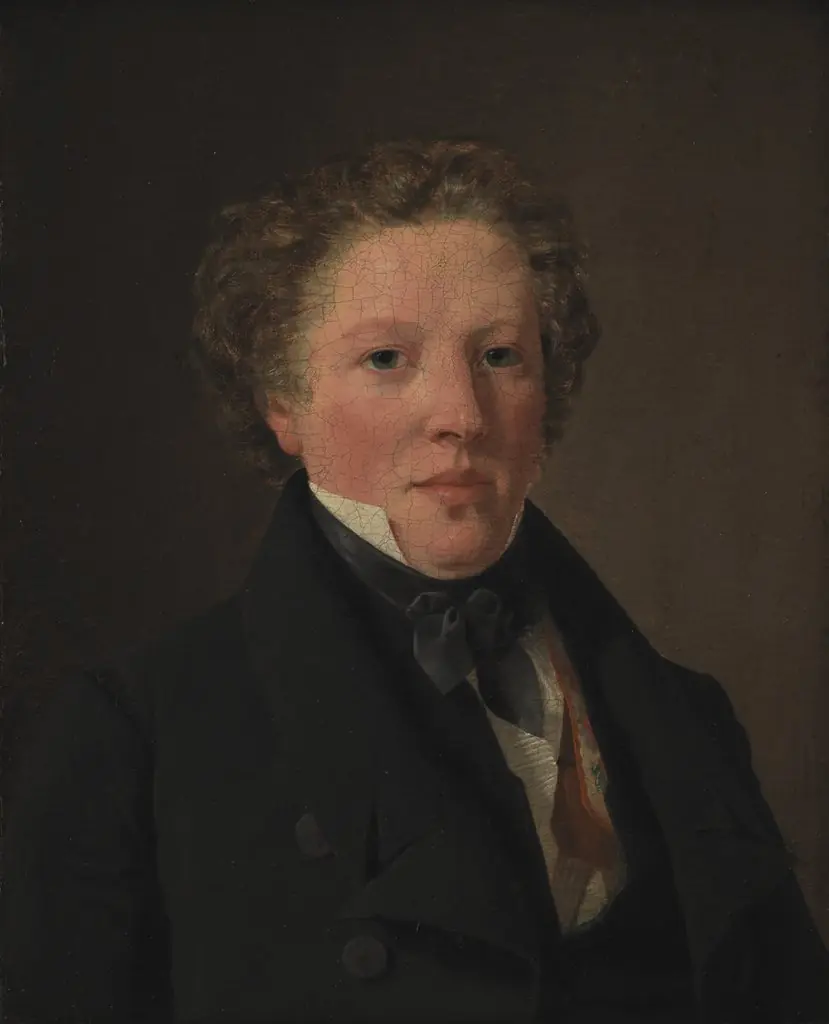
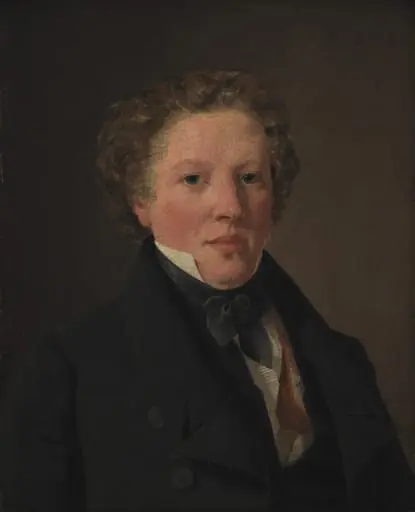
Portrait of the painter Pierre-François Jacobs
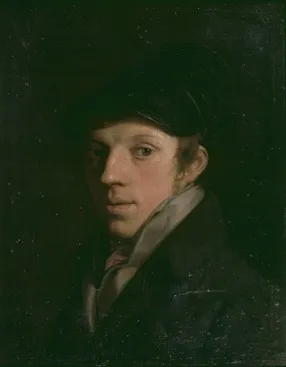
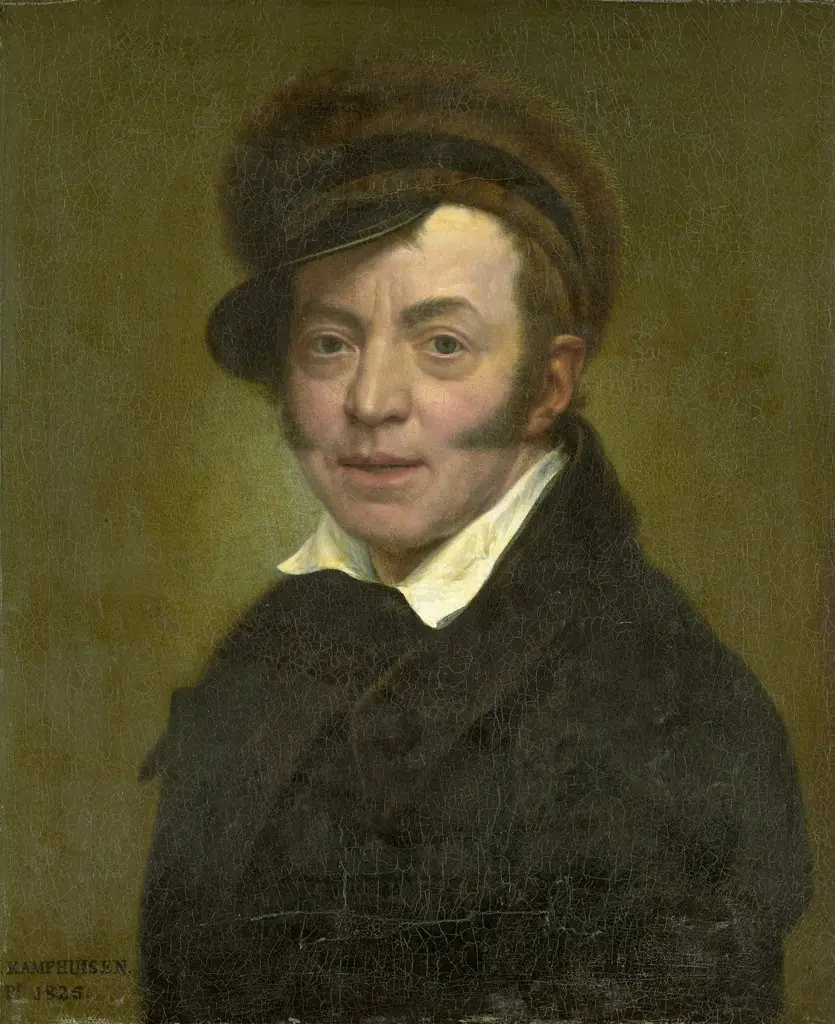
Portrait of the painter Pierre-François Jacobs is an oil painting by the Neoclassicist artist Cornelis Cels. It dates from 1800 and is held in the collection of the Royal Museums of Fine Arts of Belgium.
About this work
Overview
The work belongs to the Royal Museums of Fine Arts of Belgium, where it remains part of its 19th-century Belgian portrait collection.
Painted in 1800 by Cornelis Cels, this oil portrait captures Pierre-François Jacobs, a fellow artist and contemporary. Cels, active in Tournai and connected to the Académie des Beaux-Arts, rendered Jacobs with restrained elegance. The work belongs to the Royal Museums of Fine Arts of Belgium, where it remains part of its 19th-century Belgian portrait collection. Its quiet composition reflects the academic values of the period.
Subject & Meaning
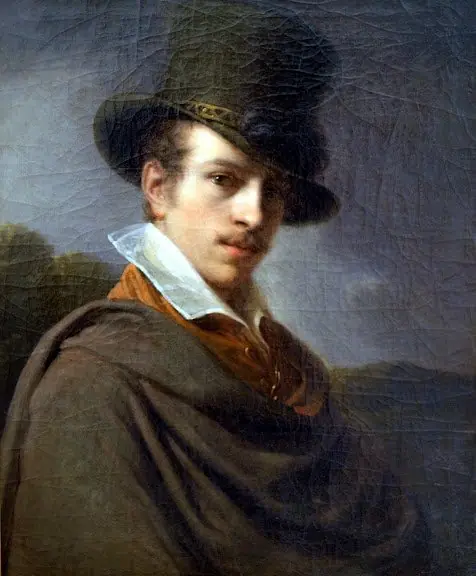
Pierre-François Jacobs is depicted as a serious, introspective figure, his gaze direct but unadorned. The absence of symbolic objects or elaborate setting emphasizes his identity as a working artist rather than a noble patron. The portrait conveys professional dignity, aligning with the era’s growing respect for artists as intellectuals. His attire—a dark hat and high-collared coat—suggests modest formality, typical of bourgeois professional life in post-revolutionary Europe.
Technique & Style
Cels employed smooth, controlled brushwork to achieve a refined surface, characteristic of neoclassical portraiture. Subtle chiaroscuro models the face, enhancing volume through soft transitions between light and shadow—particularly under the cheekbones and nose. The dark, indistinct background isolates the sitter, directing attention to his expression and the texture of his clothing. The palette is muted, dominated by grays, browns, and off-whites, reinforcing the portrait’s solemn tone.
History & Provenance
Commissioned during Cels’s tenure at the Académie des Beaux-Arts de Tournai, the portrait likely originated from artistic circles in southern Belgium. It entered the Royal Museums of Fine Arts of Belgium’s collection in the 19th century, possibly through institutional acquisition or donation. Its preservation reflects the museum’s early commitment to documenting regional artistic networks, rather than solely elite or royal patrons.
Context
In early 19th-century Belgium, portraiture served both personal and professional functions among artists and academics. Cels, trained in the academic tradition and linked to The Hague’s court, represented a bridge between Flemish regionalism and broader European norms. This portrait aligns with a trend of artists depicting peers—not as idealized figures, but as individuals engaged in quiet, thoughtful labor, reflecting Enlightenment values of reason and self-representation.
Legacy
The portrait endures as a quiet testament to the professional identity of artists in post-revolutionary Europe. It offers insight into how artists viewed one another—not through grandeur, but through understated presence. While not widely exhibited, it remains a key example of academic portraiture in Belgian collections, illustrating the quiet dignity assigned to artistic labor during a period of cultural redefinition.
Artist & collection
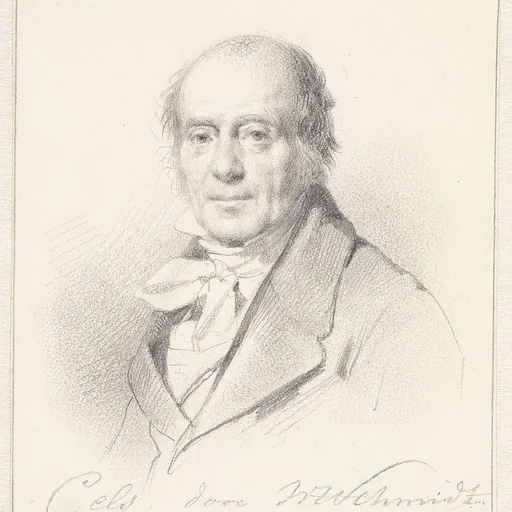
Artist
Cornelis Cels (10 June 1778 – 3 March 1859) was a Flemish painter of portraits and religious subjects.

Museum
Royal Museums of Fine Arts of Belgium
Continue through works from the same source collection.