Artwork
William Chalmers Bethune (1744 - 1807), his Wife Isobel Morison (1760 - 1850) and their Daughter Isabella Maxwell Morison (1795 - 1818)
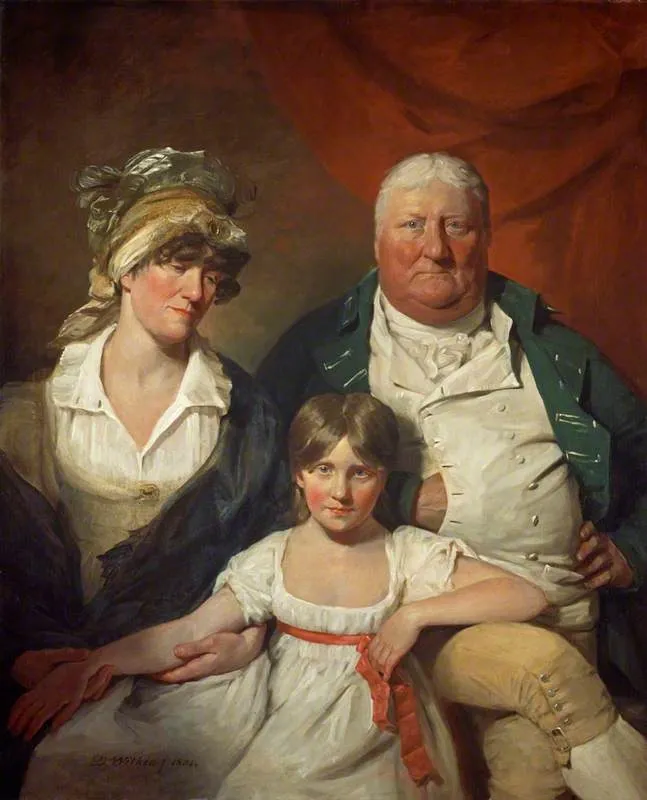
William Chalmers Bethune (1744 - 1807), his Wife Isobel Morison (1760 - 1850) and their Daughter Isabella Maxwell Morison (1795 - 1818) is an oil painting by David Wilkie. It dates from 1804 and is held in the collection of the National Galleries Scotland.
About this work
Overview
It captures William Chalmers Bethune, his wife Isobel Morison, and their daughter Isabella Maxwell Morison in a composed, intimate grouping.
David Wilkie painted this family portrait in 1804 during his early career in London, before his royal appointments. It captures William Chalmers Bethune, his wife Isobel Morison, and their daughter Isabella Maxwell Morison in a composed, intimate grouping. The work is held by the Scottish National Gallery and reflects Wilkie’s transition from genre scenes to formal portraiture, retaining his attention to naturalistic detail and psychological presence.
Subject & Meaning
The painting presents a quiet moment of familial connection, with the father’s arm resting gently on his daughter’s shoulder and the mother holding her hand. Their direct gaze toward the viewer suggests an invitation to witness their domestic bond. The arrangement conveys stability and affection without overt sentimentality, aligning with early 19th-century ideals of middle-class virtue and quiet domesticity.
Technique & Style
Wilkie employed fine brushwork to render textures—folds in the green jacket, the weave of the woman’s hat scarf, and the delicate lace of the girl’s dress. The lighting is soft and even, emphasizing facial expressions and tactile surfaces. The red curtain backdrop creates depth without distraction, focusing attention on the figures’ posture and interaction, a hallmark of Wilkie’s restrained yet precise approach to portraiture.
History & Provenance
Commissioned by the Bethune family, the painting remained in private hands until acquired by the Scottish National Gallery. Its survival through generations reflects its significance to the family’s identity. Wilkie’s rising reputation in London at the time likely influenced the choice of artist, though the work retains a personal, non-ostentatious character distinct from grander aristocratic portraits of the era.
Context
Painted during the Napoleonic Wars, the portrait offers a contrast to the political turbulence of the period. Wilkie, though known for lively genre scenes, here adapts his observational skill to domestic subjects, reflecting a broader cultural shift toward valuing private life. The composition echoes contemporary British portraiture that emphasized emotional sincerity over ceremonial grandeur.
Legacy
The painting stands as an early example of Wilkie’s mastery in capturing human presence with psychological nuance. While not as widely exhibited as his genre works, it remains a key piece in understanding his versatility and the evolution of Scottish portraiture. Its preservation in a national collection underscores its value as a document of familial and artistic history in early 19th-century Britain.
Artist & collection
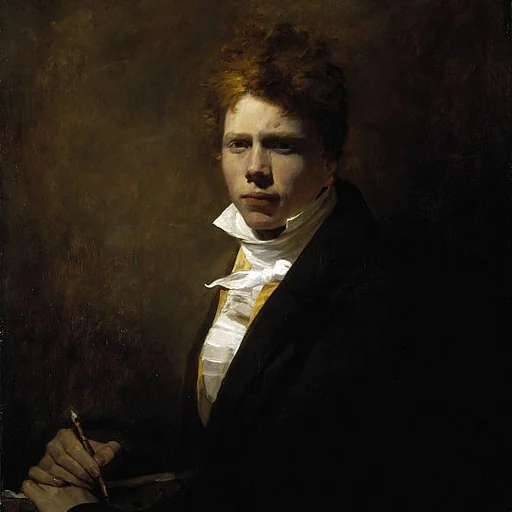
Artist
Sir David Wilkie (18 November 1785 – 1 June 1841) was a Scottish painter, especially known for his genre scenes.

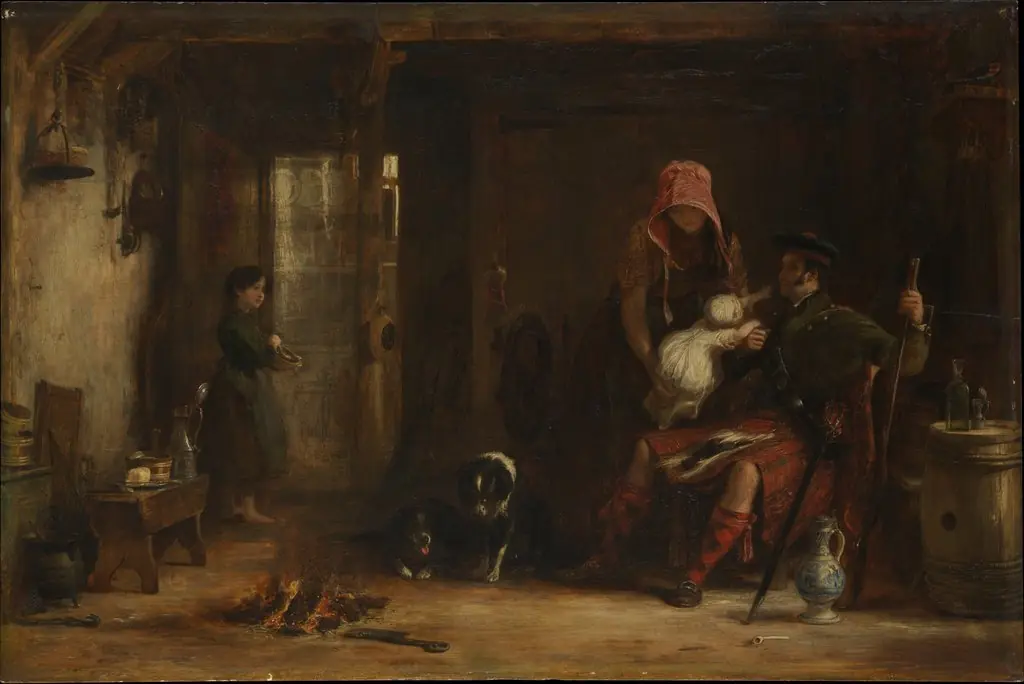 The Highland Family
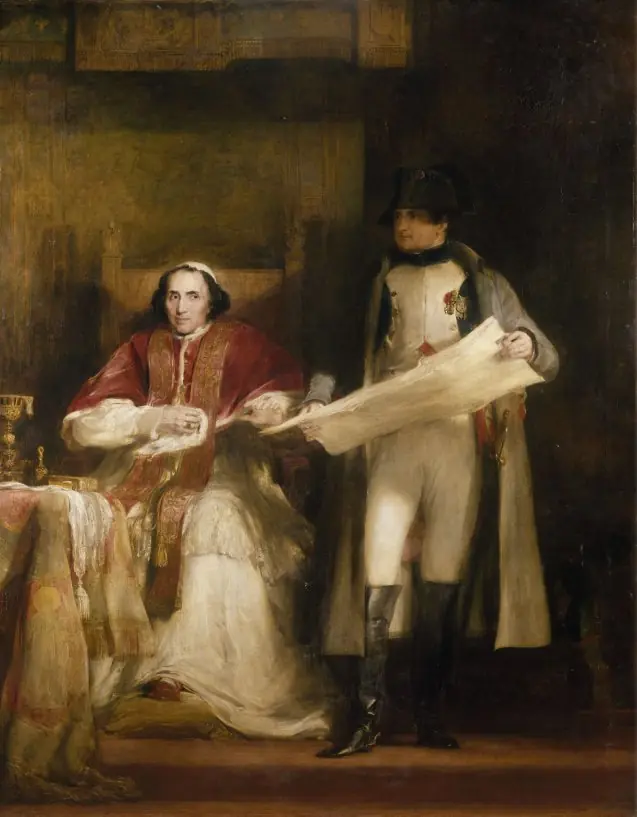 Napoleon and Pope Pius VII at Fontainebleau in 1813
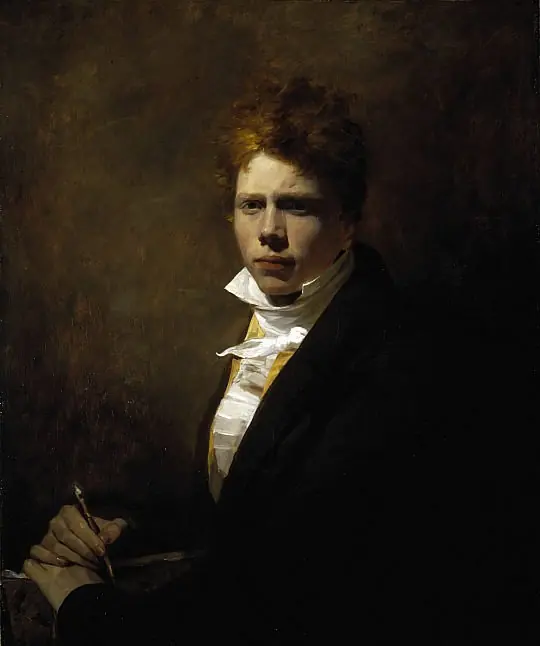 Self-Portrait
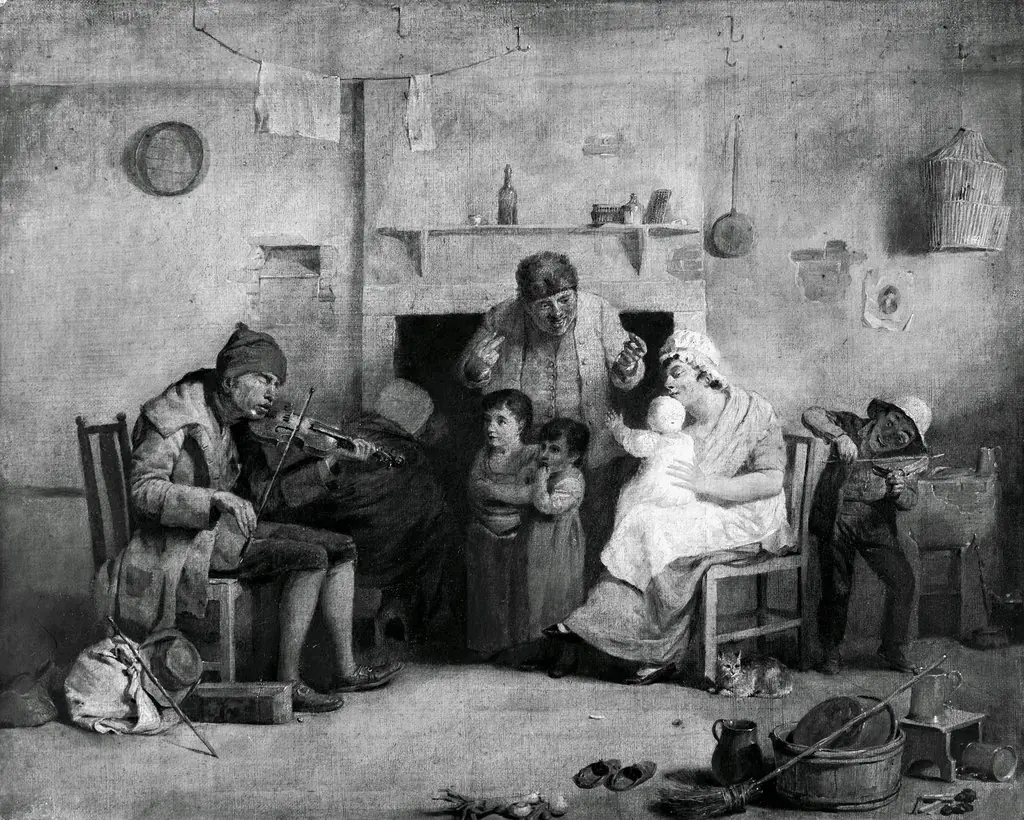 The blind violinist
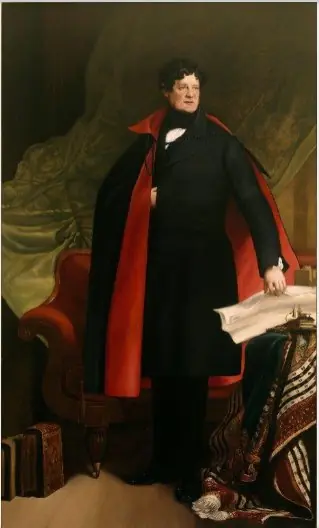 Portrait of Daniel O'Connell as Governor of the National Bank
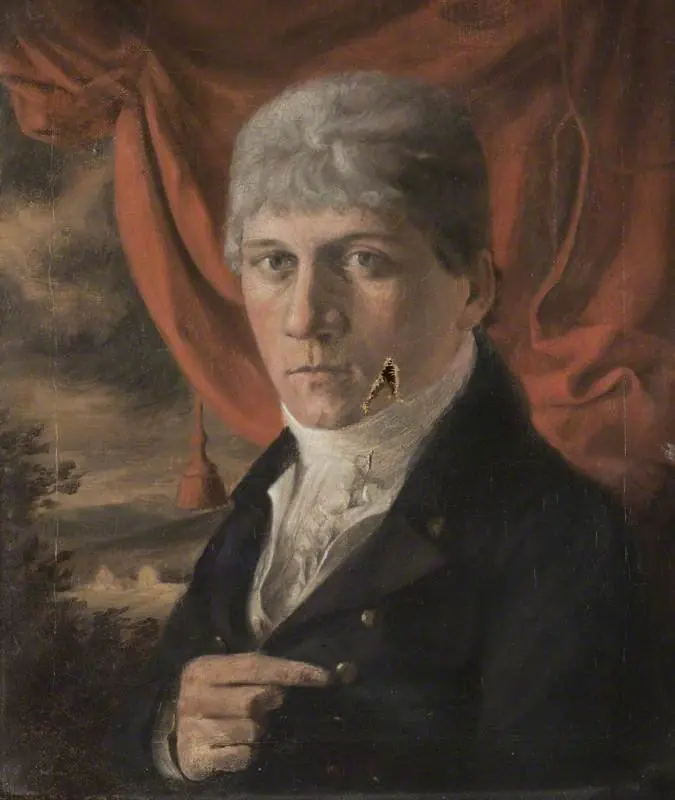 Portrait of the Artist's Brother, Captain James Wilkie (1784 - 1824)
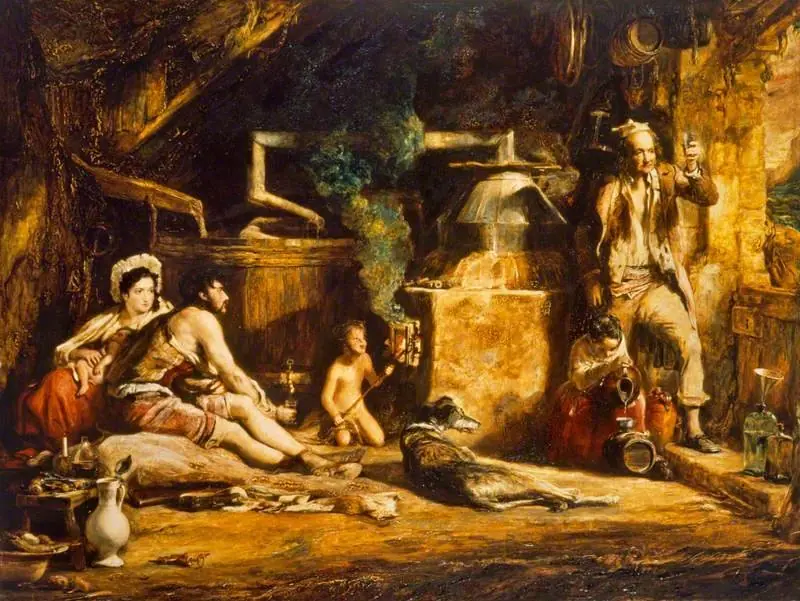 The Irish Whiskey Still
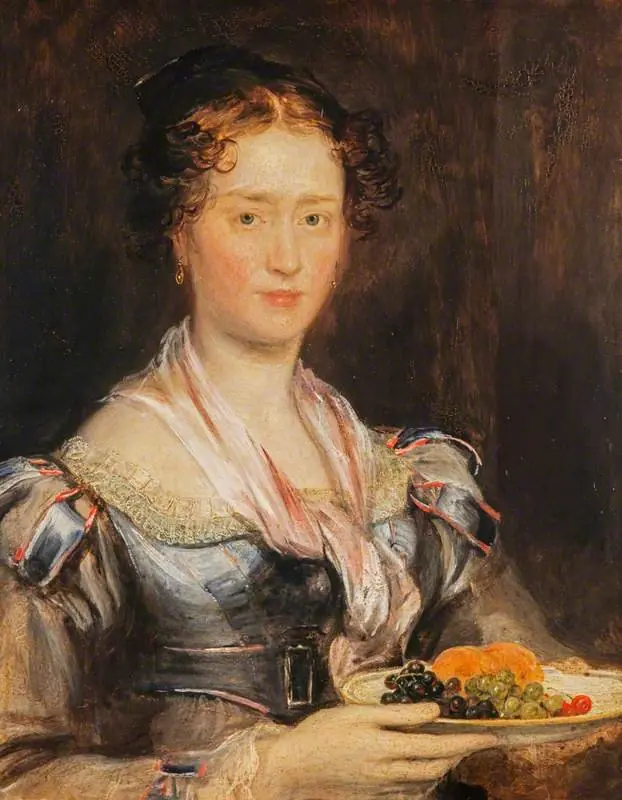 The Artist's Sister, Helen Hunter, née Wilkie (1793–1870)
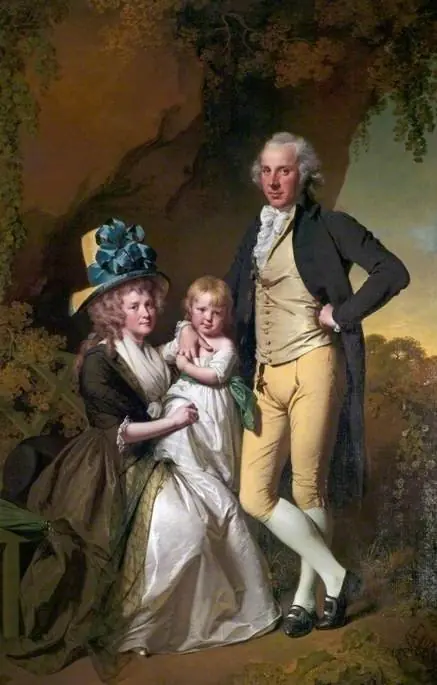 Richard Arkwright Junior (1755–1843), with His Wife Mary, and Daughter Anne
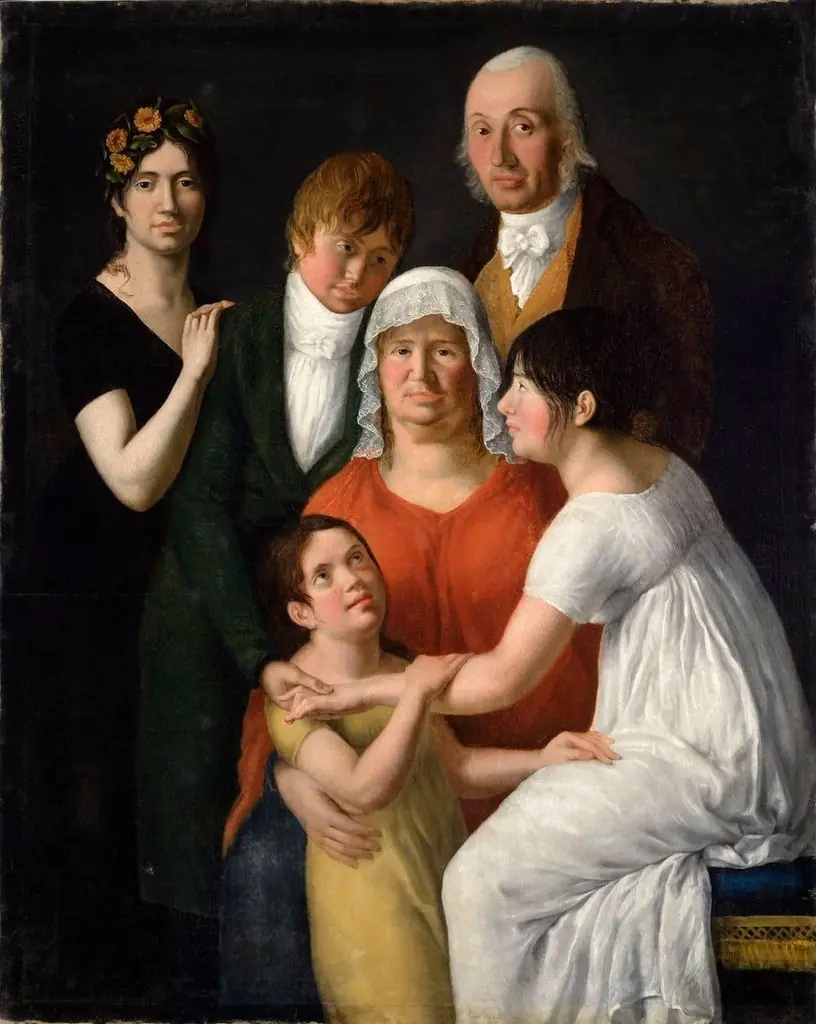 The Messageot Charve Family
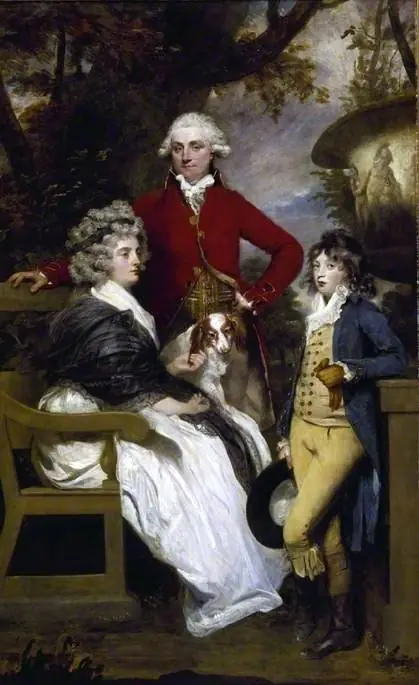 The Braddyll Family
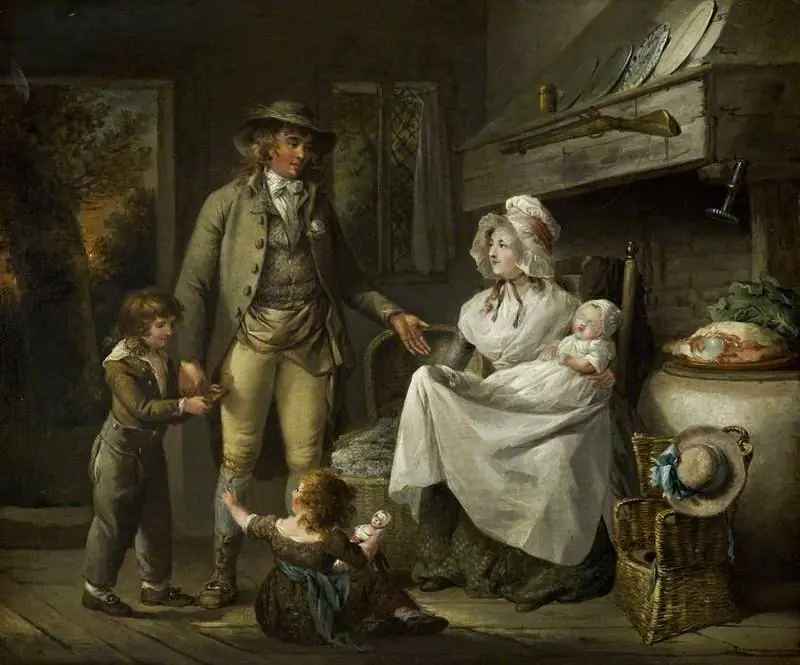 The Comforts of Industry
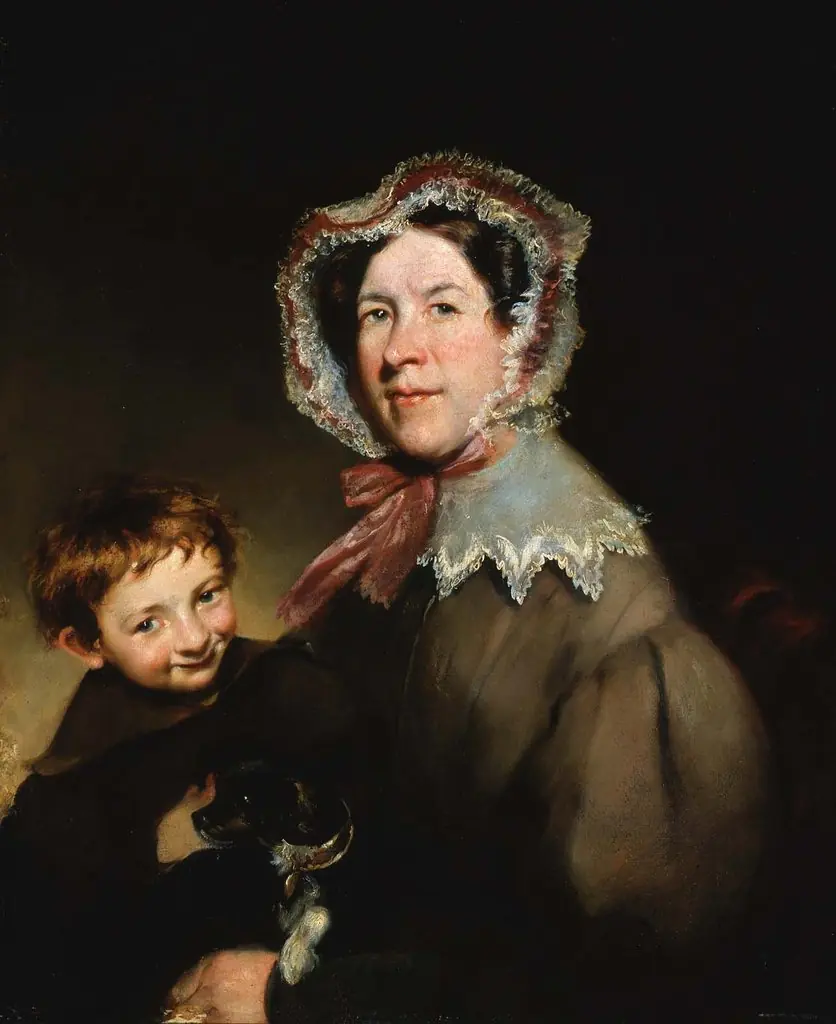 Deliverance Mapes Waldo and Her Son
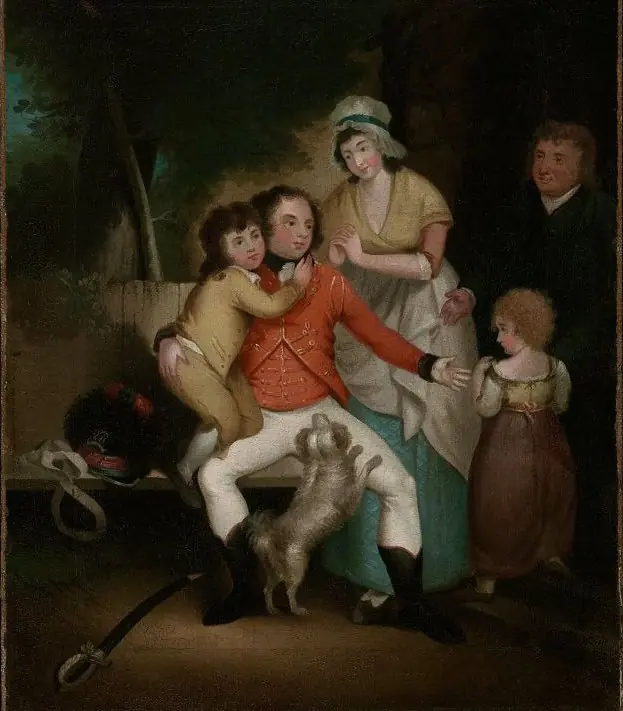 Family Group
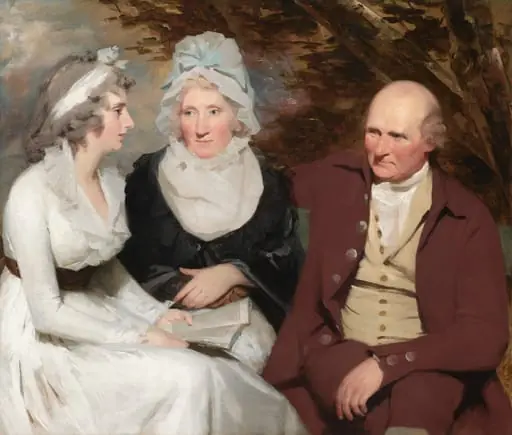 John Johnstone, Betty Johnstone, and Miss Wedderburn
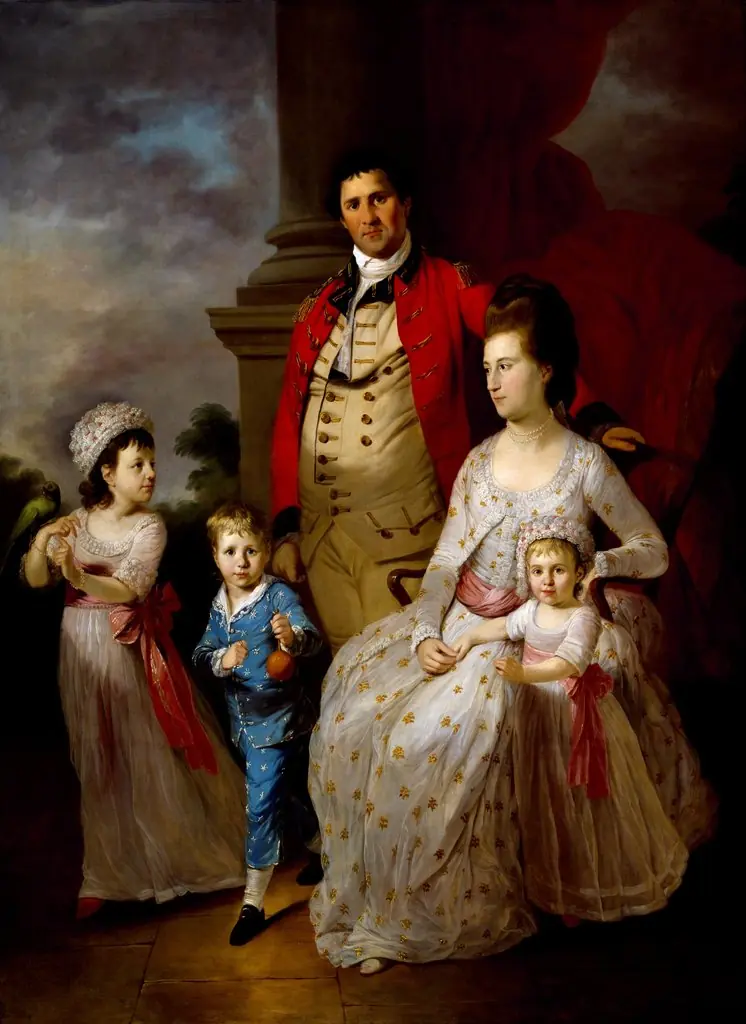 Colonel John Fortnum and Family
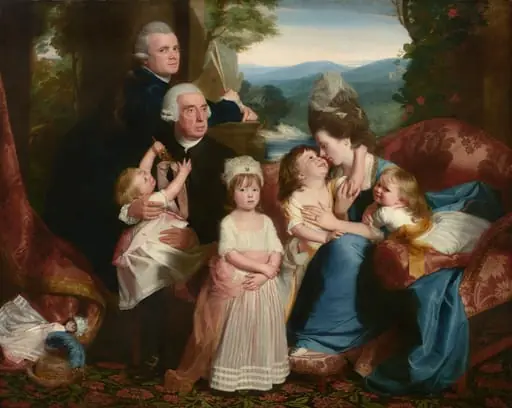 The Copley Family
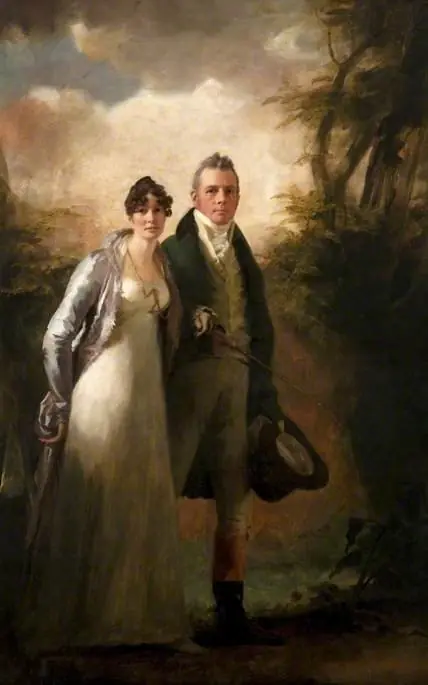 Mr and Mrs Robert N. Campbell of Kailzie
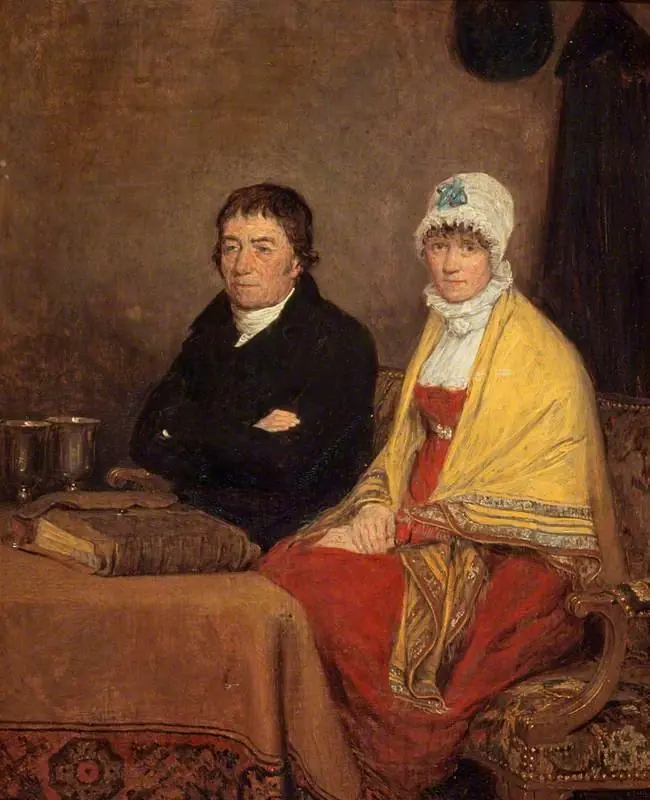 The Artist's Parents (The Revd David Wilkie, 1738 - 1812 and his Wife Isabella Lister, 1763 - 1824)
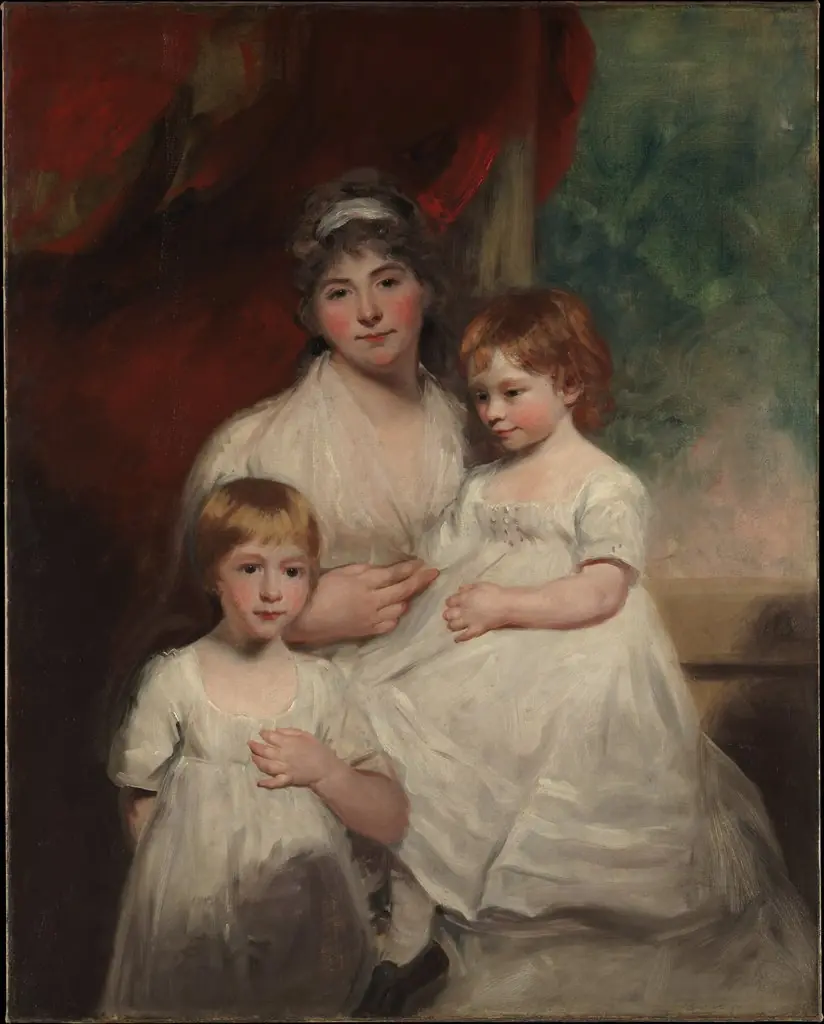 Mrs. John Garden (Ann Garden, 1769–1842) and Her Children, John (1796–1854) and Ann Margaret (born 1793)