Artwork
Alexander and Bucephalus
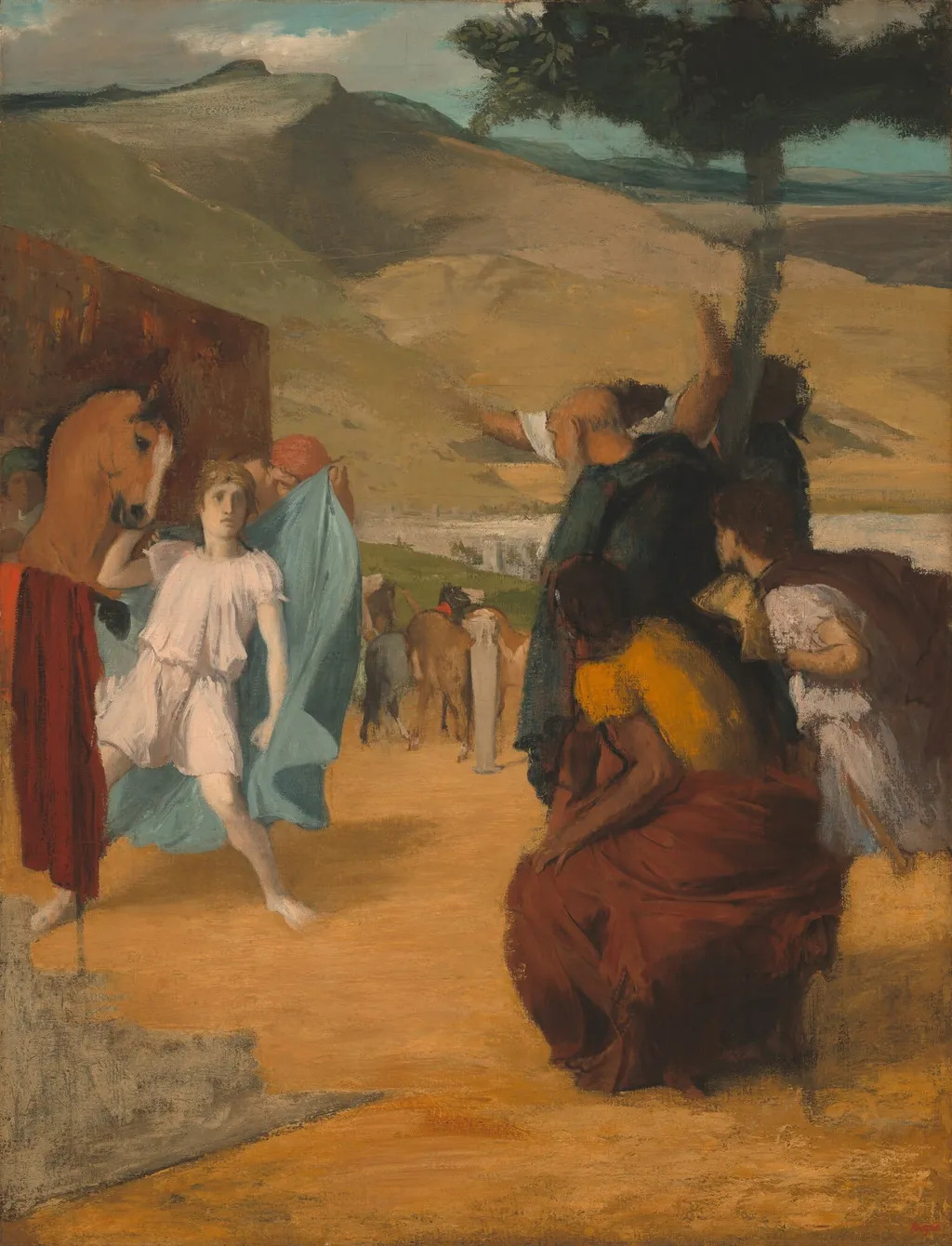
Alexander and Bucephalus is an oil painting by the Impressionist artist Edgar Degas. It dates from 1862 and is held in the collection of the National Gallery of Art.
About this work
Overview
Alexander and Bucephalus is an oil on canvas painting created by Edgar Degas in 1862. It is a history painting that showcases the artist's technical skill.
Subject & Meaning
The painting depicts Alexander the Great mounted on his horse, Bucephalus, with Alexander appearing relatively small compared to the large animal. This work diverges from Degas' more familiar subjects, such as dancers.
Technique & Style
Degas employed glazing techniques to achieve the painting's colors, demonstrating his mastery of rendering both human and animal forms. The work reflects his realist style, which was characteristic of his early career.
Context
At the time of its creation, Degas was exploring historical and equestrian themes, in addition to his more frequent depictions of figures in motion.
Own this work as a print
Artist & collection
Artist
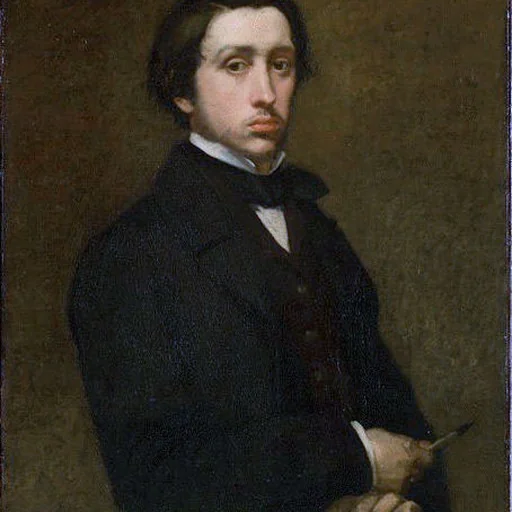
Born Hilaire-Germain-Edgar De Gas on 19 July 1834 in Paris, Edgar Degas came from an affluent banking family with aristocratic roots and spent his childhood among the cultivated circles of the French capital.

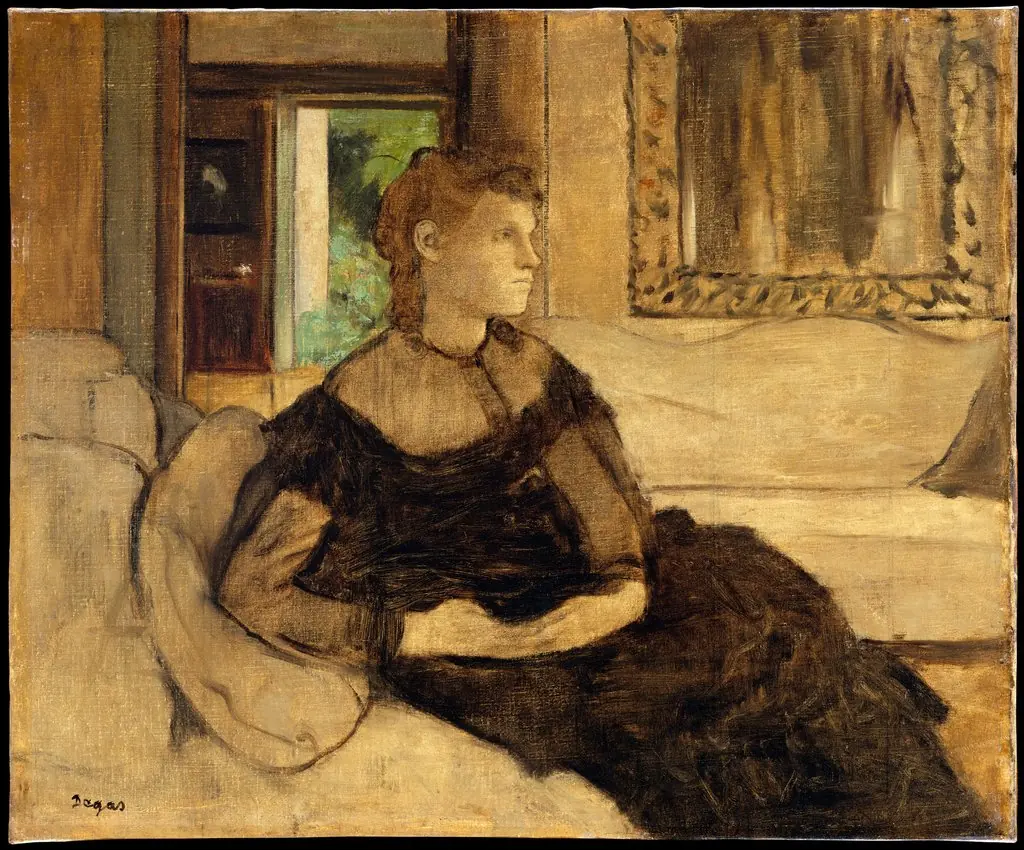
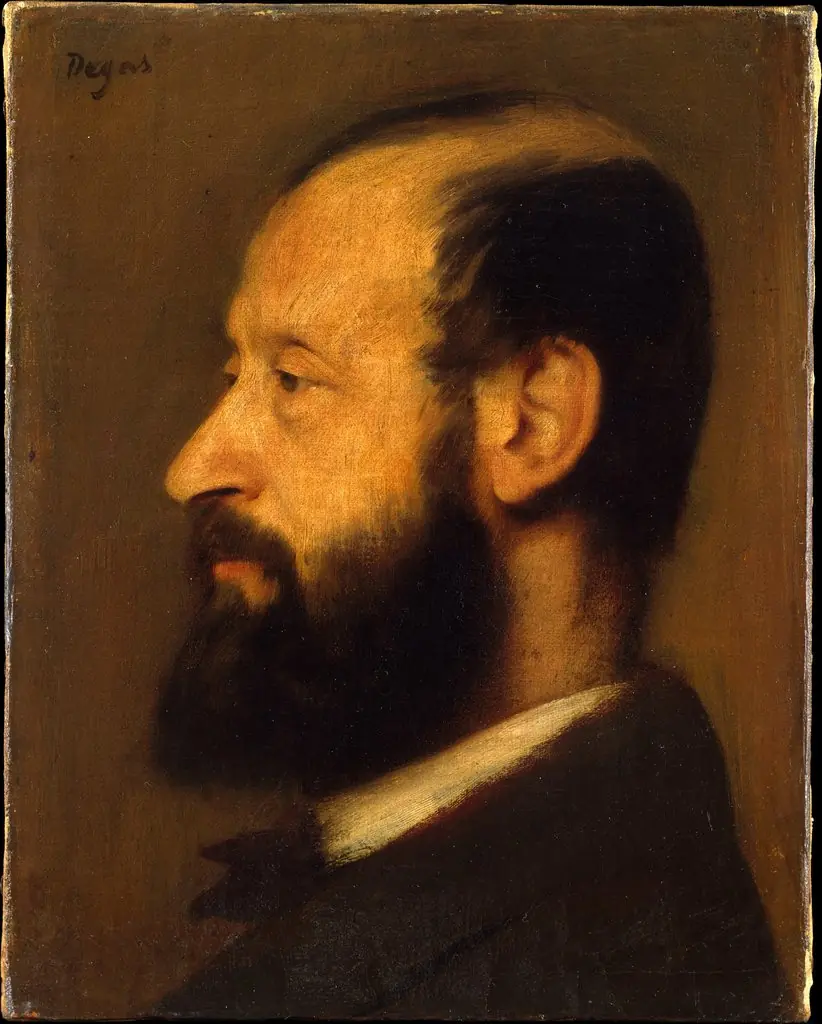
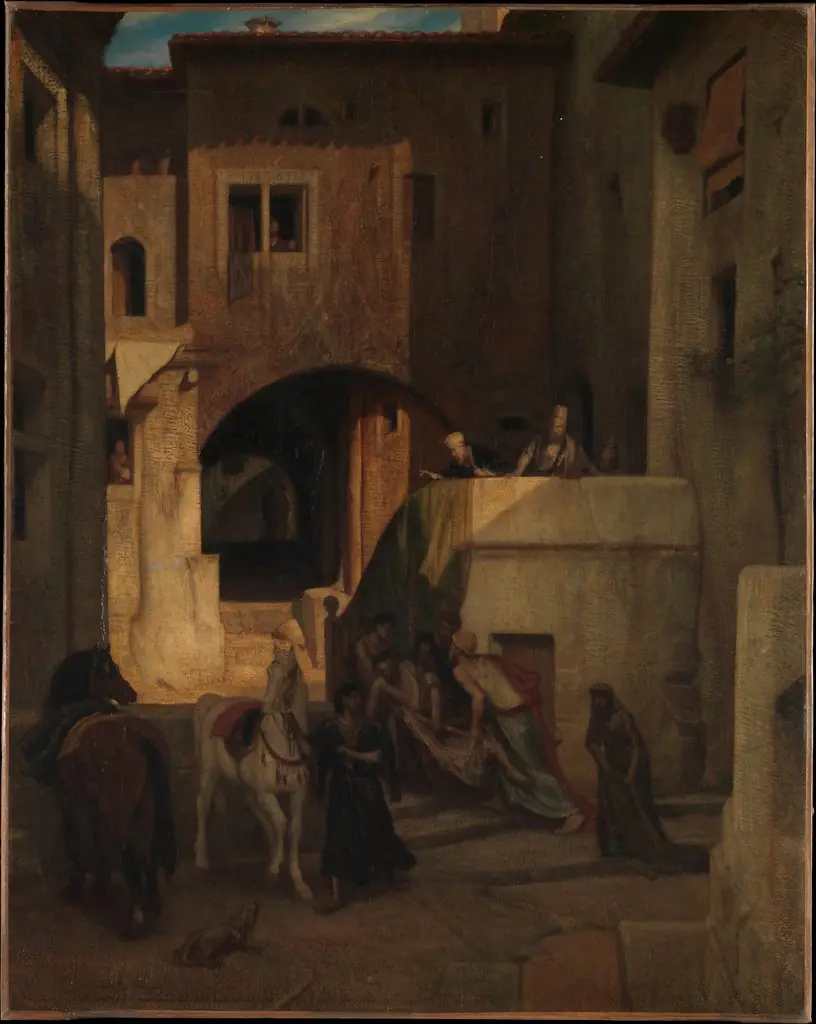 The Good Samaritan
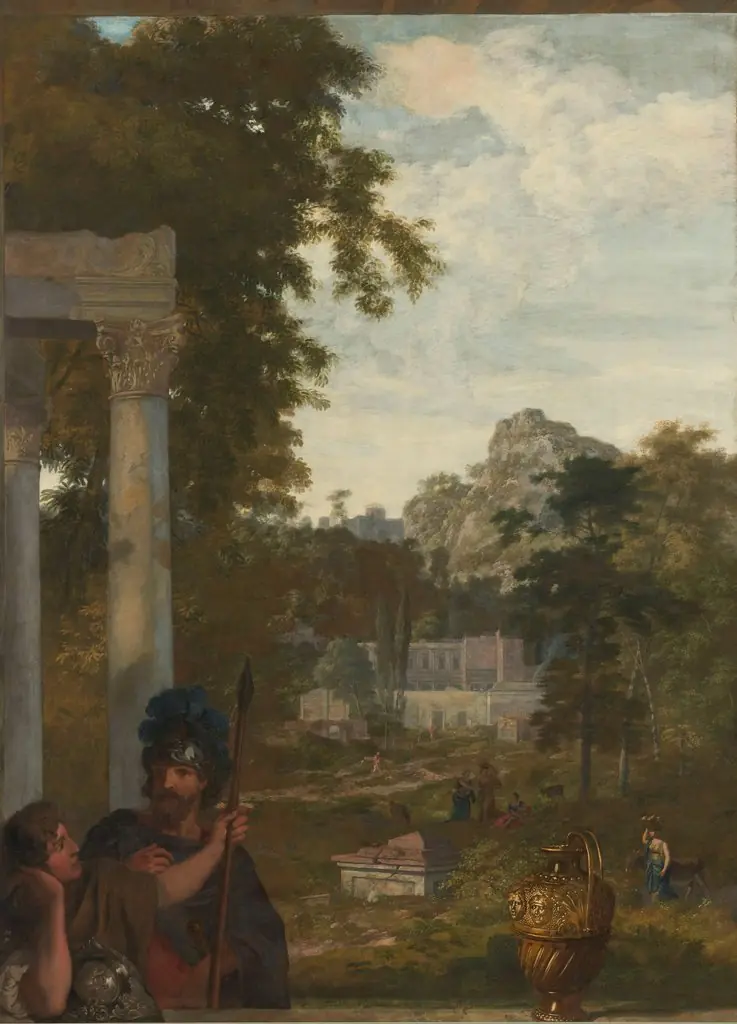 Italian landscape with two Roman soldiers
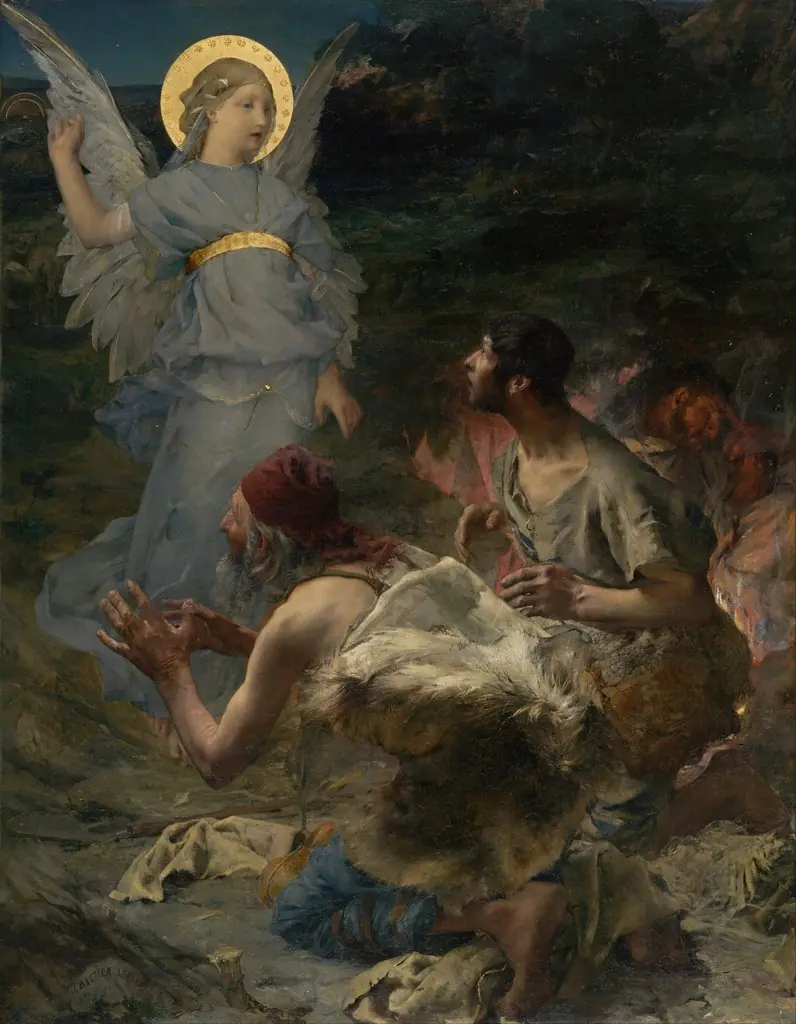 The Annunciation to the Shepherds
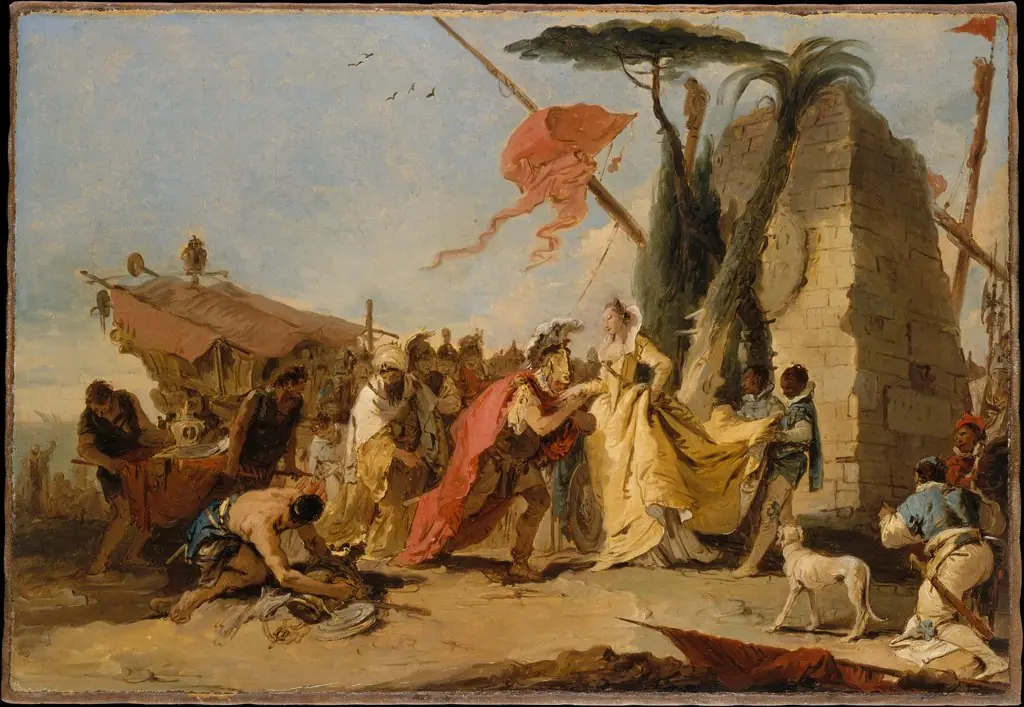 The Meeting of Antony and Cleopatra
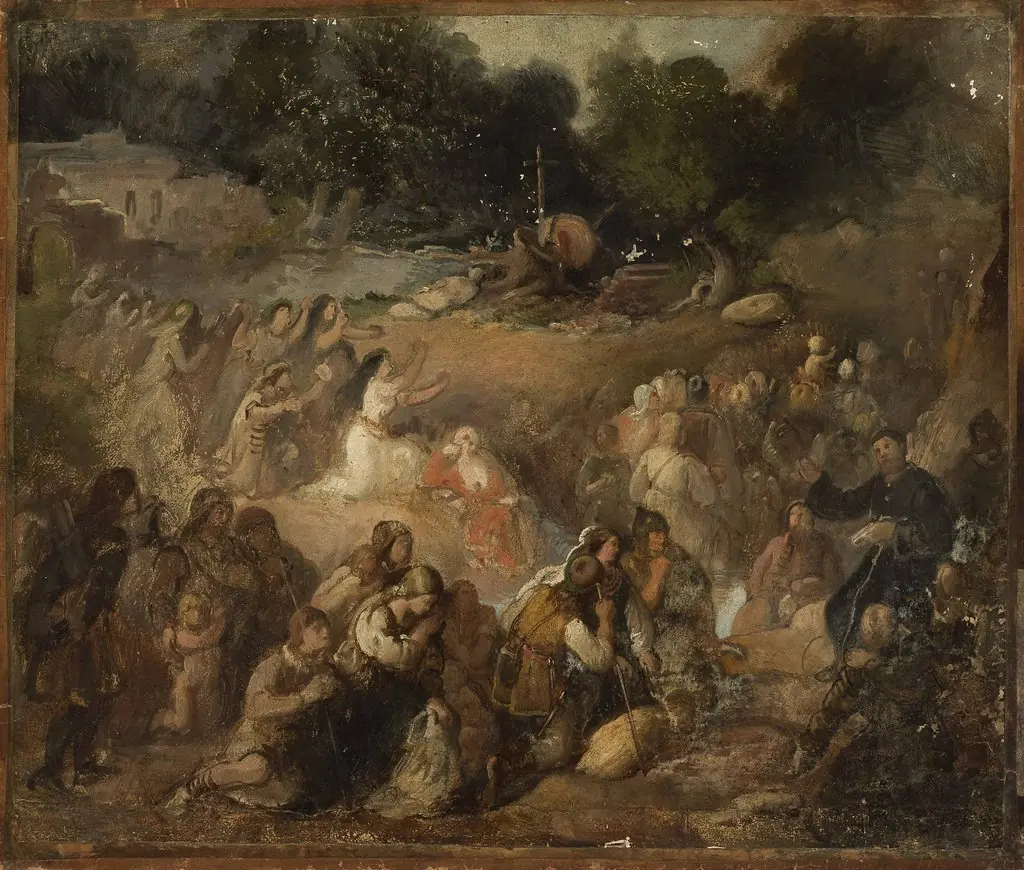 Baptism of Lithuania
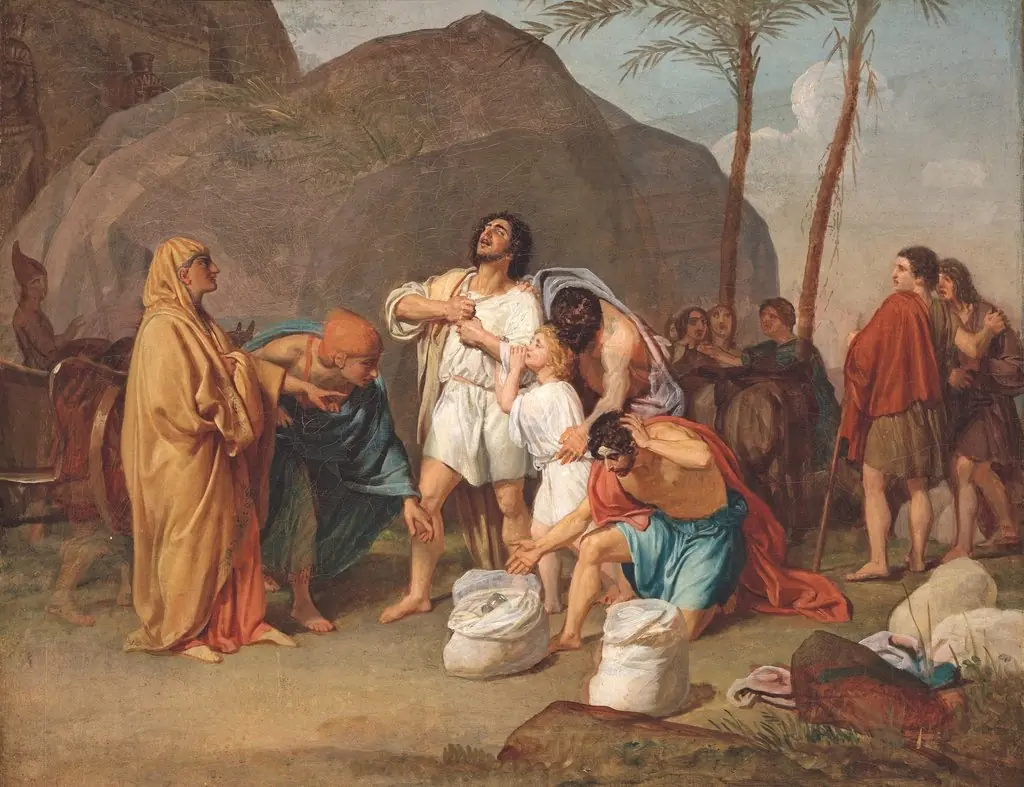 Joseph's Brothers Find the Silver Goblet in Benjamin's Pack.
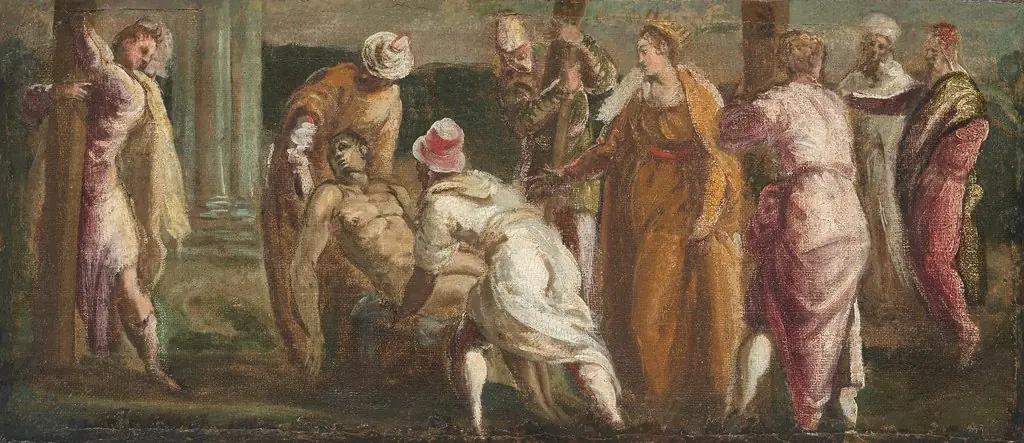 Saint Helen Testing the True Cross
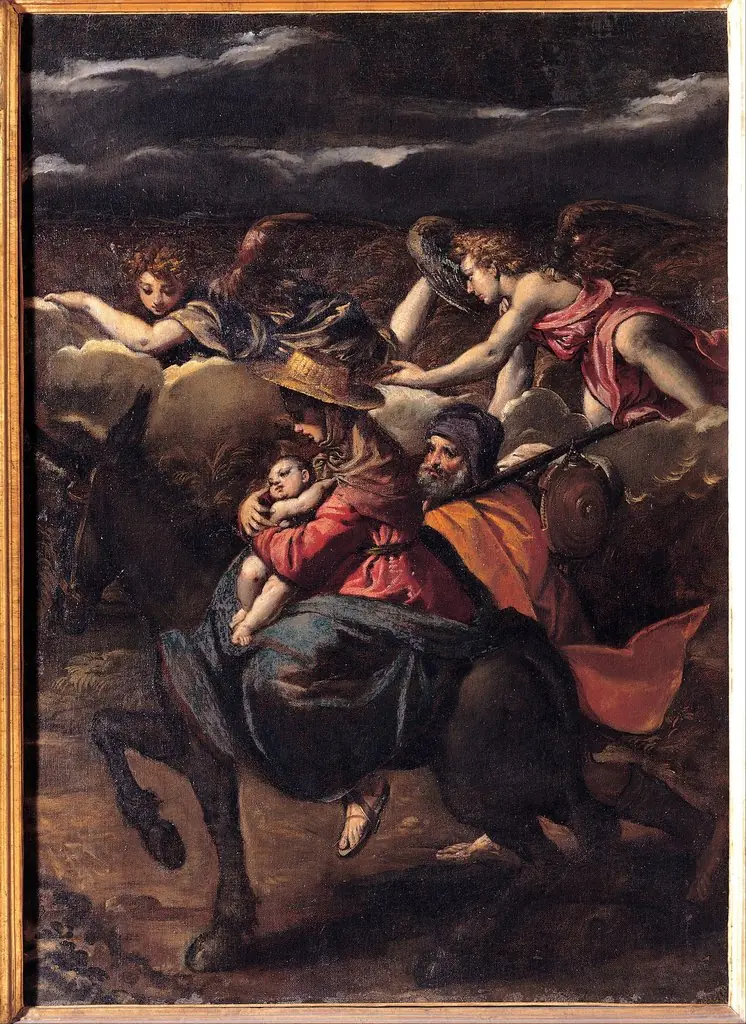 Flight into Egypt
 Saint Helen Testing the True Cross
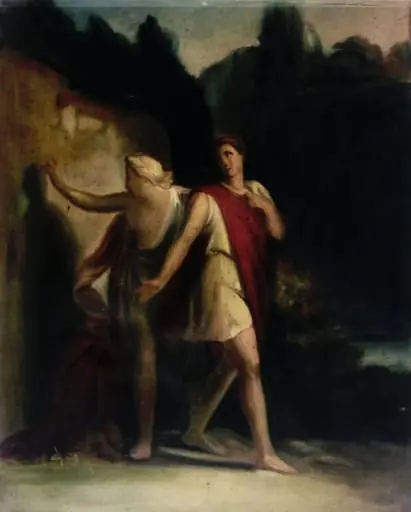 Istoria desenului
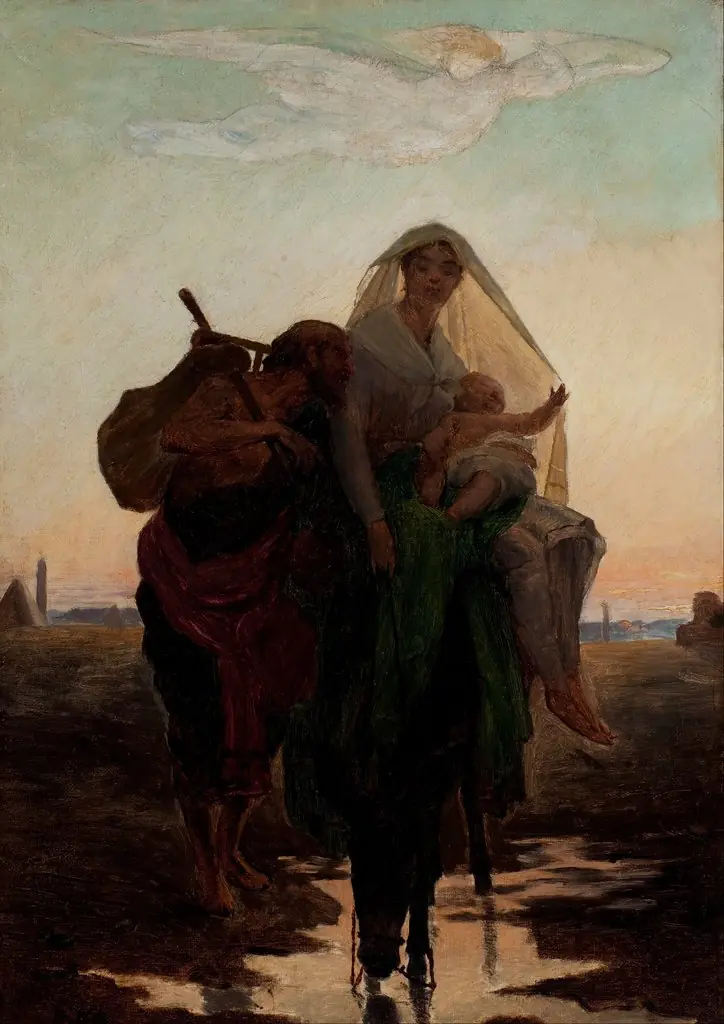 Study for "Flight of the Holy Family to Egypt"
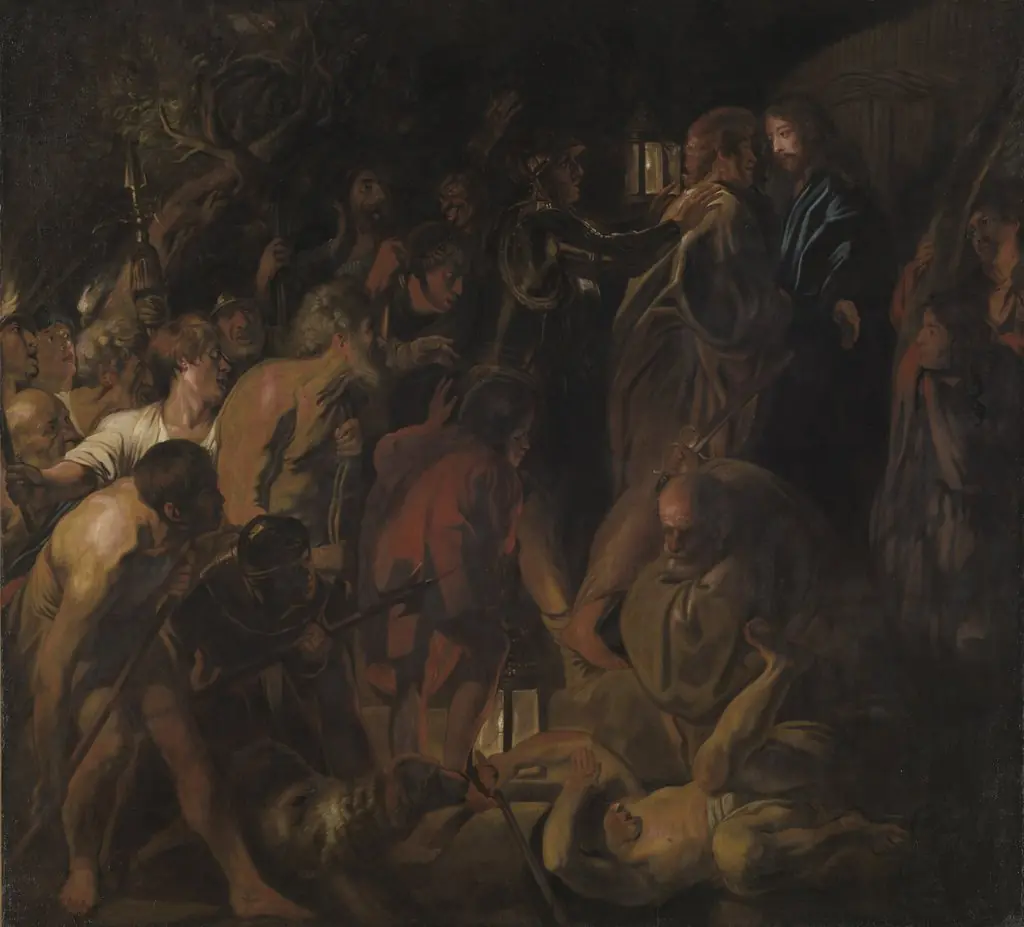 The Betrayal of Christ