Artwork
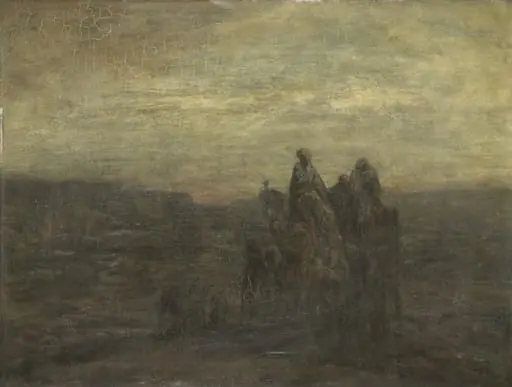
Study for "Flight of the Holy Family to Egypt"
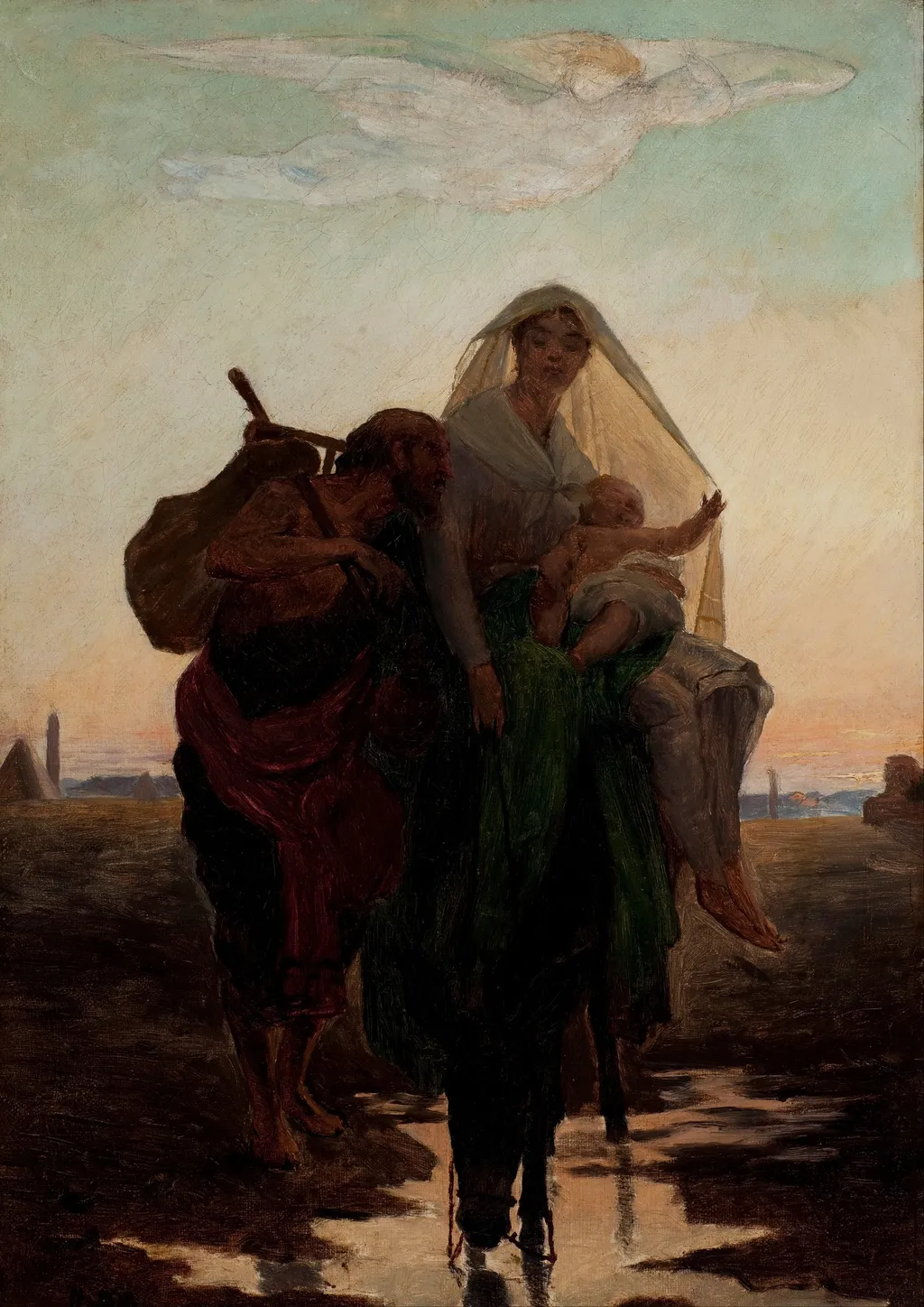
Study for "Flight of the Holy Family to Egypt" is an oil painting by the Realist artist José Ferraz de Almeida Júnior. It dates from 1891 and is held in the collection of the Pinacoteca de São Paulo.
About this work
Overview
Created in 1891 by Brazilian artist José Ferraz de Almeida Júnior, this oil painting is a preparatory study for a larger religious composition.
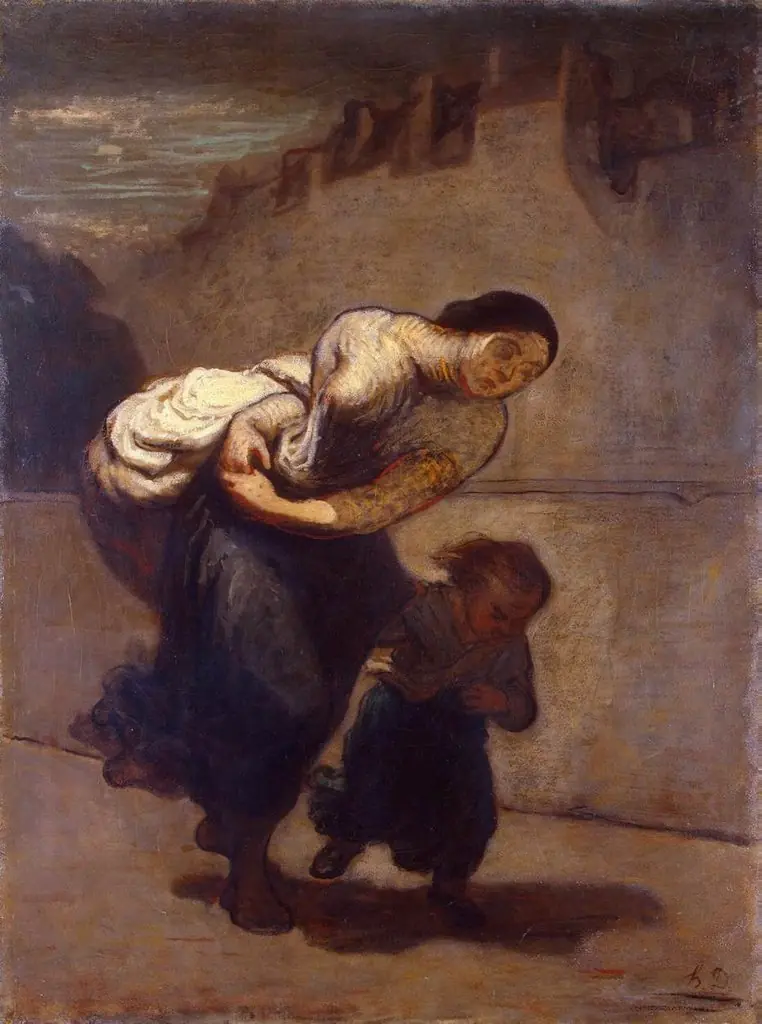
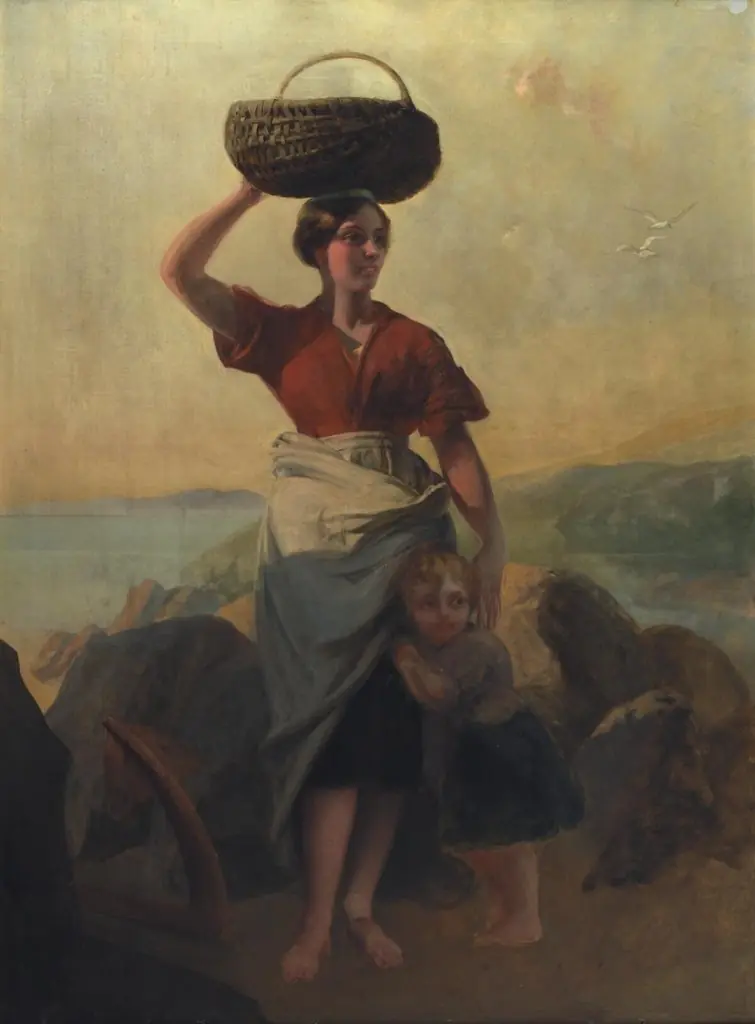
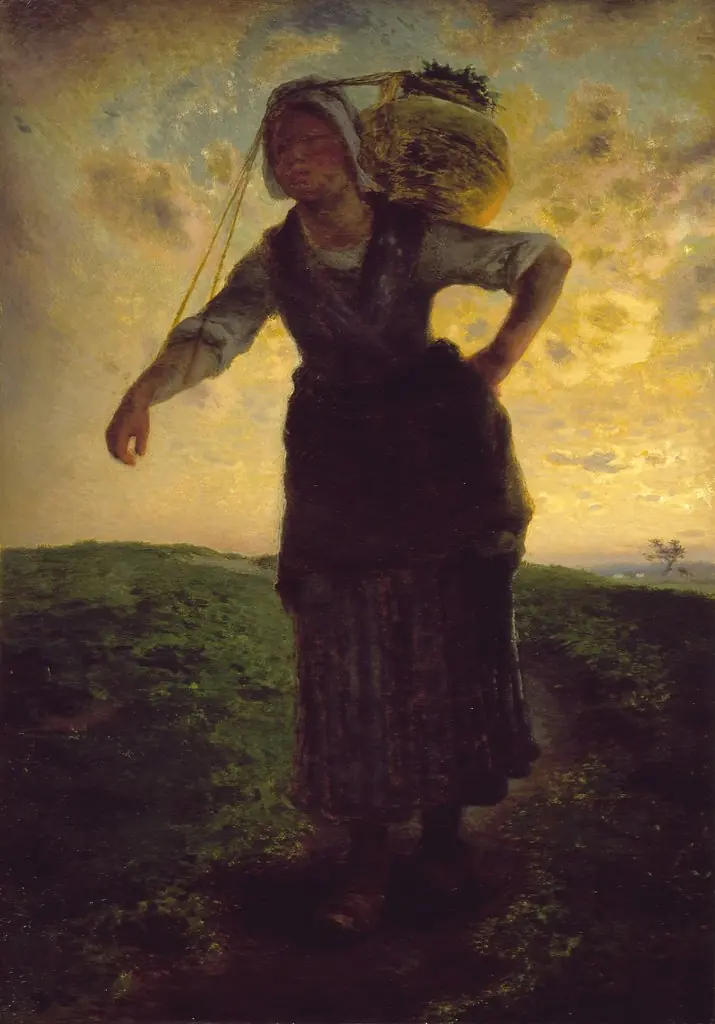
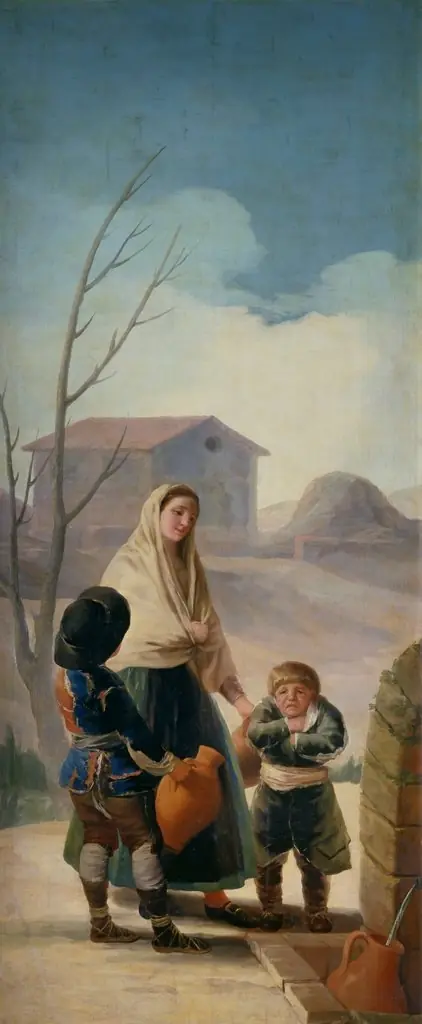
Created in 1891 by Brazilian artist José Ferraz de Almeida Júnior, this oil painting is a preparatory study for a larger religious composition. It reflects the artist’s commitment to Realism, a style he adopted after exposure to French painters like Courbet and Millet. The work is part of the Pinacoteca do Estado de São Paulo’s collection and represents a rare Brazilian engagement with biblical narrative through a naturalistic lens.
Subject & Meaning
The scene portrays the Holy Family during their journey to Egypt, a moment of quiet endurance from the Gospel of Matthew. Mary cradles the infant Jesus, while Joseph walks ahead, burdened by supplies. Their modest attire and weary posture emphasize human vulnerability rather than divine spectacle. The composition avoids theatricality, instead inviting quiet reflection on familial devotion amid hardship.
Technique & Style
Almeida Júnior employed chiaroscuro to model the figures with subtle gradations of light and shadow, lending them tangible volume against a muted landscape. Brushwork is restrained, favoring texture over detail, particularly in the clothing and terrain. The palette is earth-toned and harmonious, reinforcing the scene’s somber tone. The background’s sparse horizon and distant structures suggest vastness without distraction.
History & Provenance
Painted in 1891, this study was likely made in preparation for a commissioned or planned larger work, though the final piece was never completed. It remained in the artist’s possession until his death in 1899, after which it entered institutional collections. Its preservation in the Pinacoteca do Estado de São Paulo since the early 20th century underscores its significance in Brazil’s artistic heritage.
Context
In late 19th-century Brazil, religious themes were often rendered in academic or romantic styles. Almeida Júnior’s approach diverged by grounding sacred subjects in everyday realism, aligning with European trends but rooted in local sensibilities. His focus on labor, solitude, and natural light reflected broader shifts in Brazilian art toward social and visual authenticity.
Legacy
This study exemplifies Almeida Júnior’s role in expanding Brazilian painting beyond colonial and academic conventions. While not widely exhibited, it remains a touchstone for understanding how Realism was adapted to local narratives. His integration of European techniques with indigenous subject matter influenced later generations seeking a distinct national artistic voice.
Own this work as a print
Artist & collection
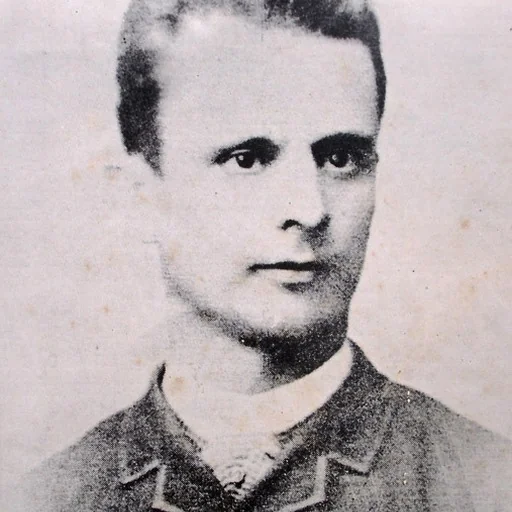
Artist
José Ferraz de Almeida Júnior (8 May 1850 – 13 November 1899) was a Brazilian artist and designer; one of the first there to paint in the Realistic tradition of Gustave Courbet and Jean-François Millet.