Artwork
Last Ballad (Ultime ballade)
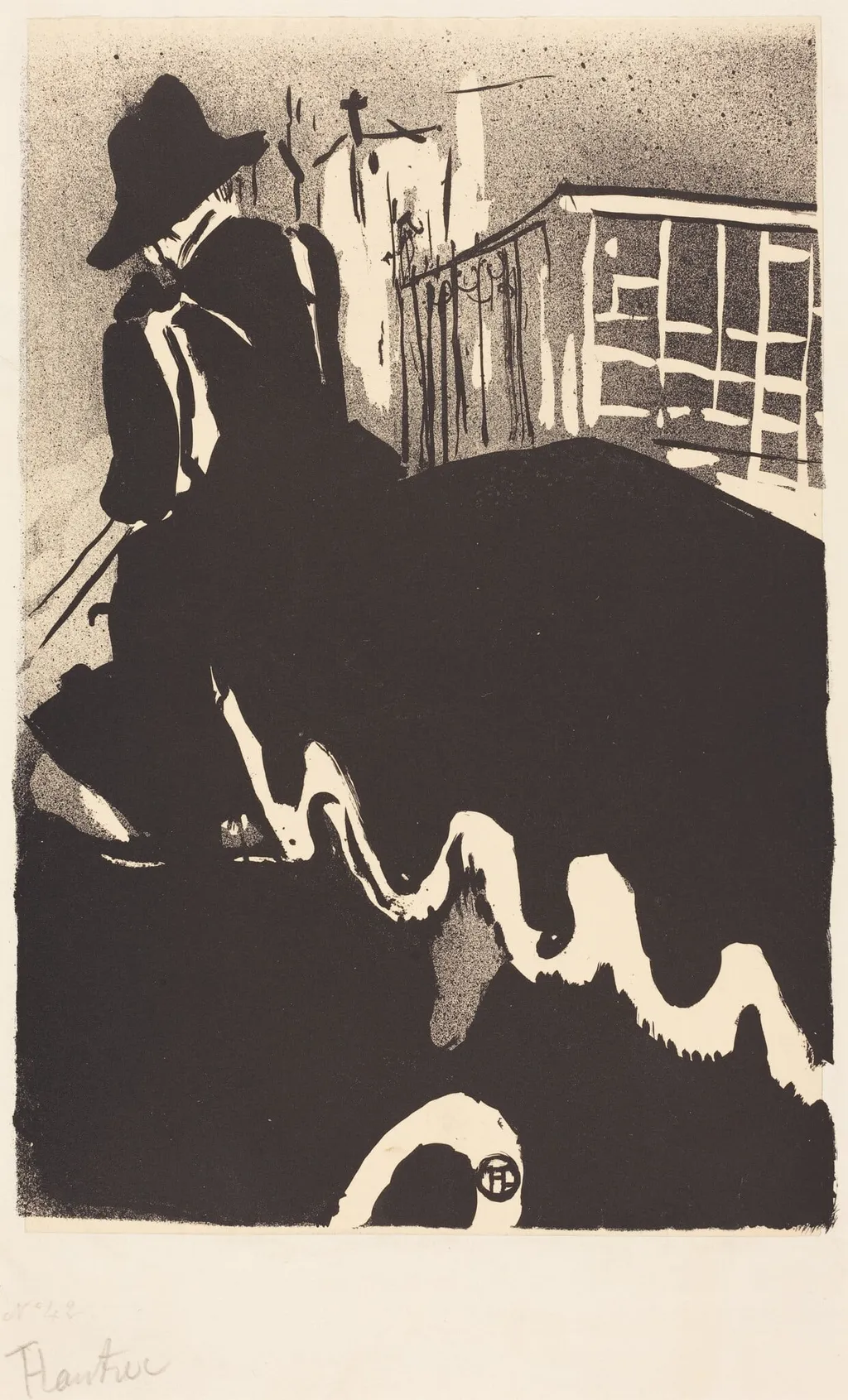
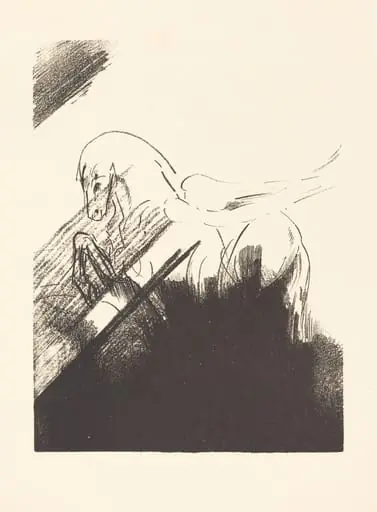
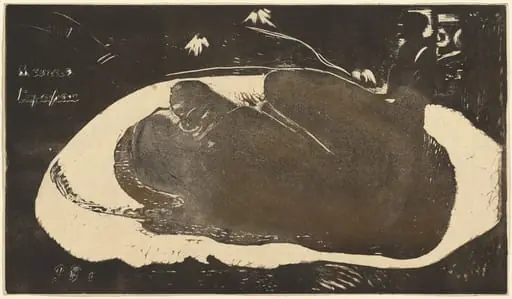
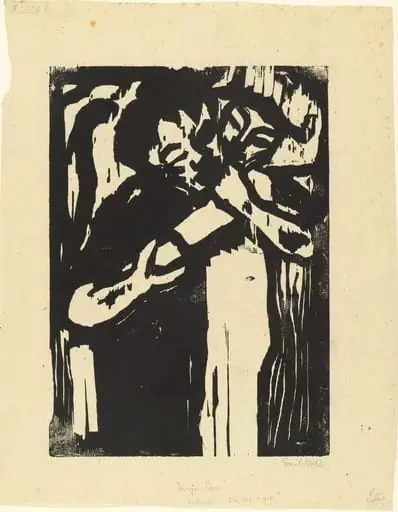
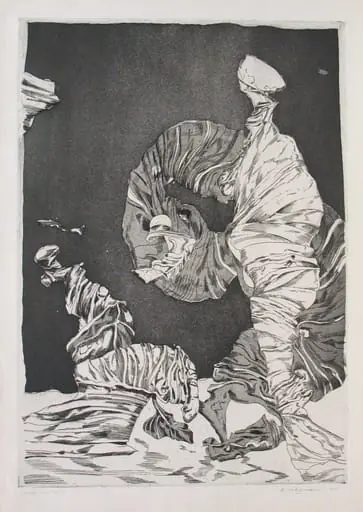
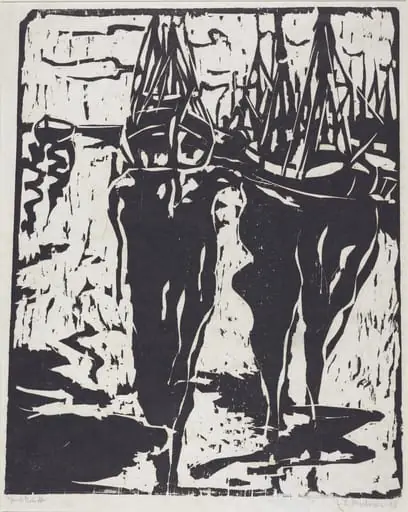
Last Ballad (Ultime ballade) is an ink print by the Impressionist artist Henri de Toulouse-Lautrec. It dates from 1893 and is held in the collection of the National Gallery of Art.
About this work
Overview
Last Ballad (Ultime ballade) is a 1893 lithograph by Henri de Toulouse-Lautrec, created in black on China paper. It is a print that showcases the artist's unique style and his fascination with Parisian life.
Subject & Meaning
The print depicts a solitary figure walking away from the viewer on a city street, set against a backdrop of a wrought-iron fence and a building with tall windows. The scene is quiet and frozen in time, evoking a sense of stillness.
Technique & Style
Toulouse-Lautrec employed bold, flat shapes and strong contrasts to create the image, eschewing detailed sketching in favor of a bold outline. This approach lends the scene a sharp, modern feel characteristic of his work.
Context
As a member of the French aristocracy born in 1864, Toulouse-Lautrec's life was marked by physical challenges due to injuries sustained in his adolescence. Despite this, he became known for his work in printmaking and illustration, often capturing scenes from Parisian nightlife and marginal milieus.
Artist & collection
Artist
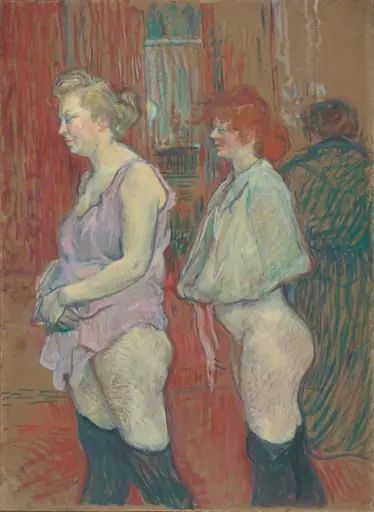
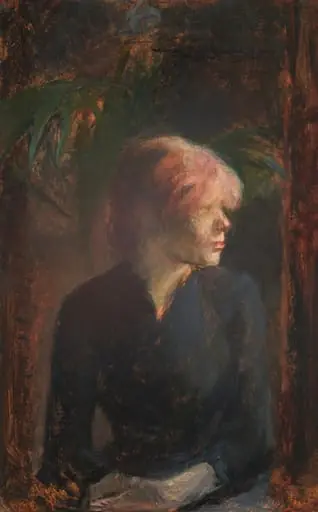
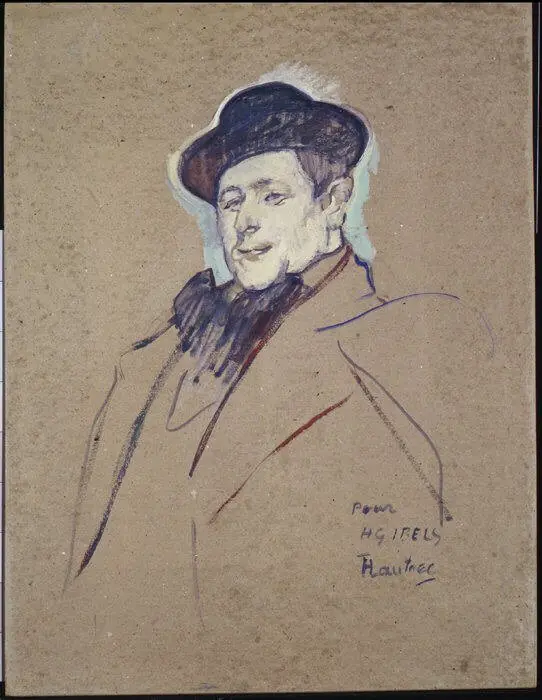
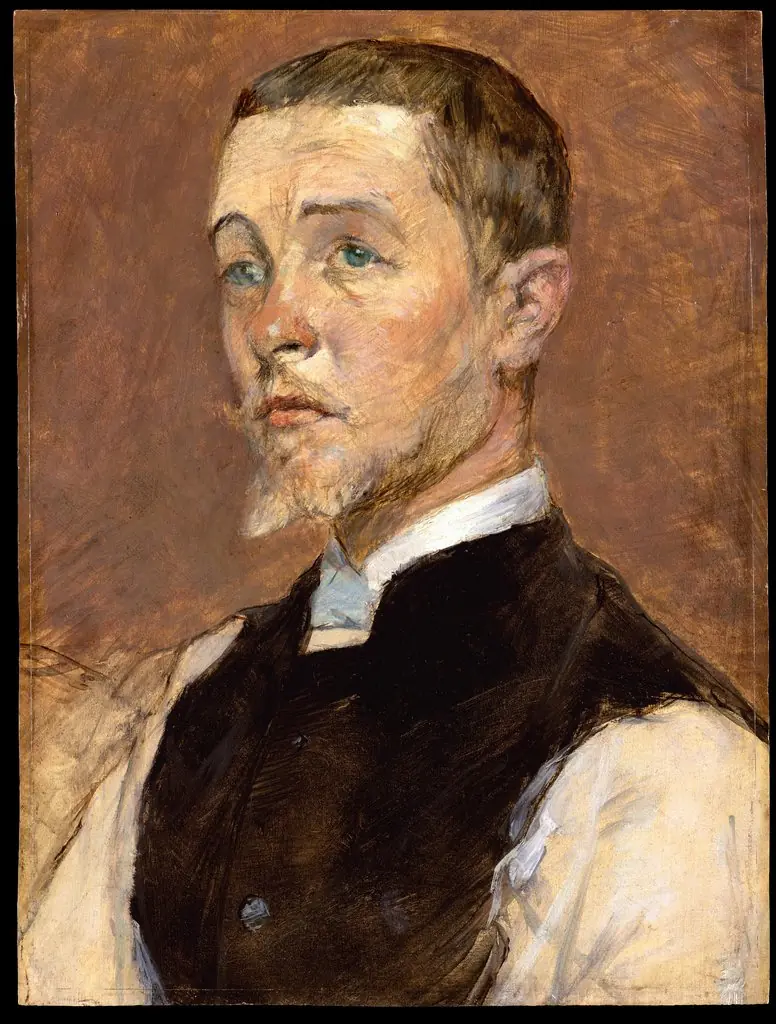
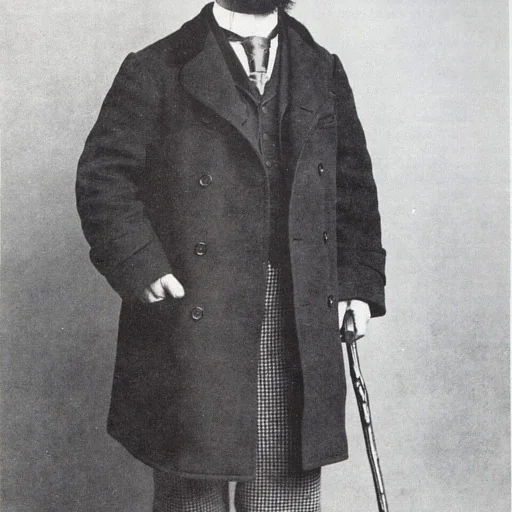
Comte Henri Marie Raymond de Toulouse-Lautrec-Montfa (24 November 1864 – 9 September 1901), known as Toulouse-Lautrec (French: ), was a French painter, printmaker, draughtsman, caricaturist, and illustrator.