Artwork
Tristan and Isolde, Act II: Signal in the Night
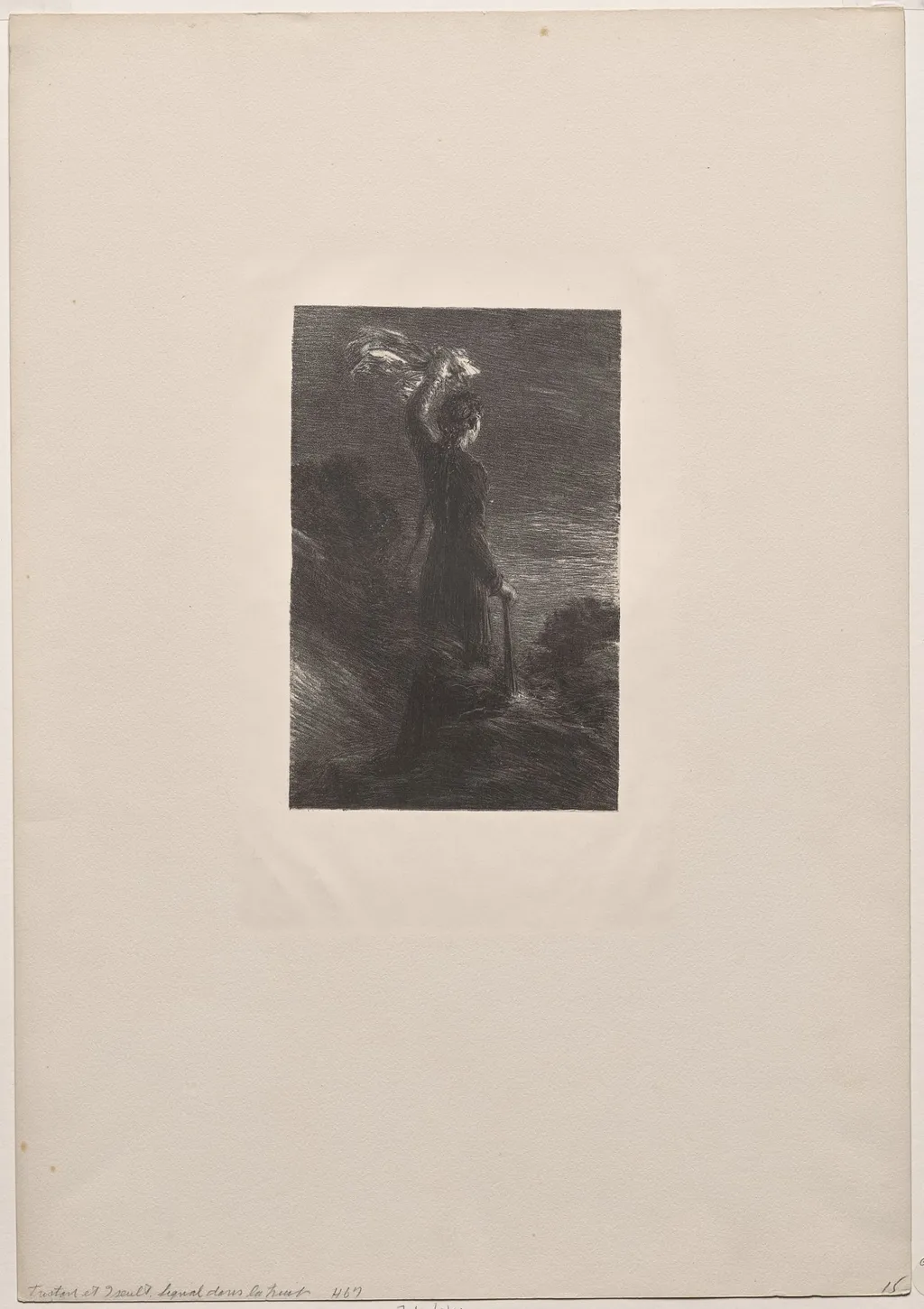
Tristan and Isolde, Act II: Signal in the Night is a print by the Impressionist artist Henri Fantin-Latour. It dates from 1886 and is held in the collection of the Cleveland Museum of Art.
About this work
Overview
Created circa 1886 by French painter and lithographer Henri Fantin‑Latour, this print captures a nocturnal episode from Wagner’s opera Tristan and Isolde. The composition centers on a solitary figure in a long coat, raising an object—interpreted as a lantern or signal—against a darkened landscape. The work belongs to the collection of the Cleveland Museum of Art.
Subject & Meaning
The image visualizes the moment in Act II when a signal is observed in the night, a pivotal scene in the tragic love story of Tristan and Isolde. By isolating the messenger, Fantin‑Latour emphasizes the tension and anticipation that the signal creates for the lovers, underscoring themes of longing and destiny.
Technique & Style
Executed as a print, the work relies on loose, sketch‑like lines that convey swift motion and urgency. The artist employs stark chiaroscuro, allowing the illuminated figure to emerge from an otherwise shadowy background. This emphasis on mood over precise detail invites viewers to fill in the surrounding environment with imagination.
History & Provenance
Henri Fantin‑Latour, better known for his flower studies and group portraits of Parisian cultural figures, turned to operatic subjects later in his career. This particular print entered the Cleveland Museum of Art’s holdings, where it remains accessible for study of both the artist’s lesser‑known printmaking and 19th‑century Wagnerian visual culture.
Artist & collection
Artist
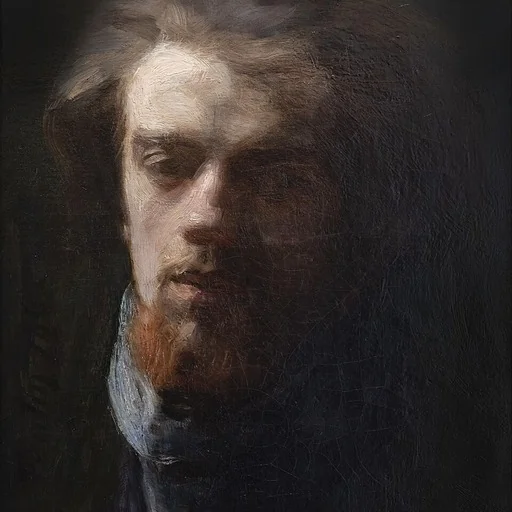
Ignace Henri Jean Theodore Fantin-Latour (French pronunciation: ; 14 January 1836 – 25 August 1904) was a French painter and lithographer best known for his flower paintings and group portraits of Parisian artists and writers.

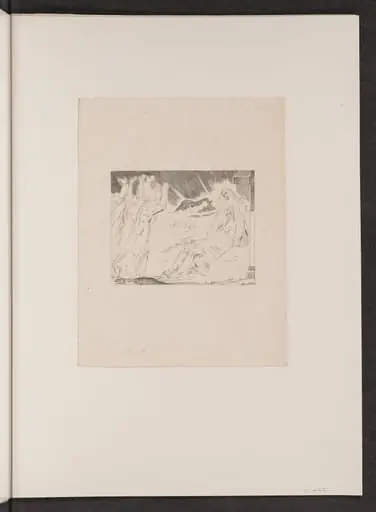 Job's Comforters
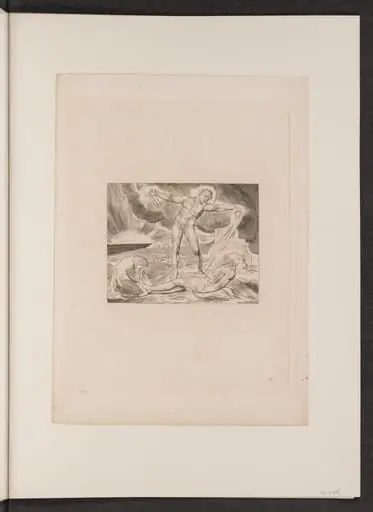 Satan Smiting Job with Boils
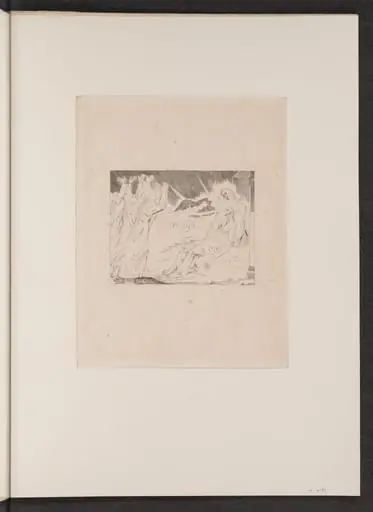 Job's Comforters
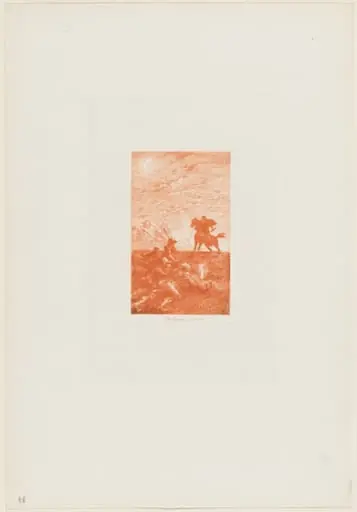 Thomas Le Hardouaye
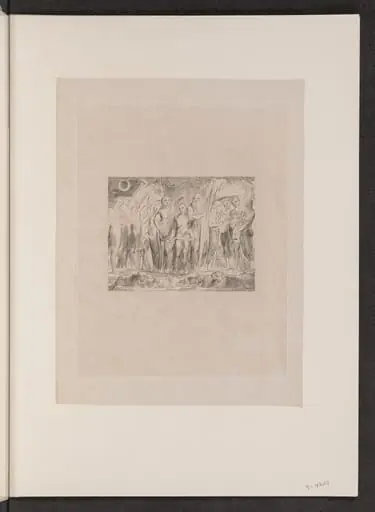 Job and His Family Restored to Prosperity
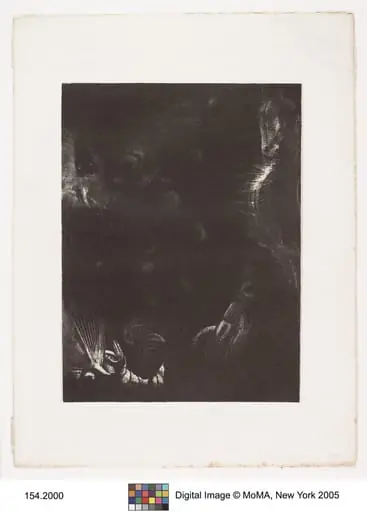 Untitled
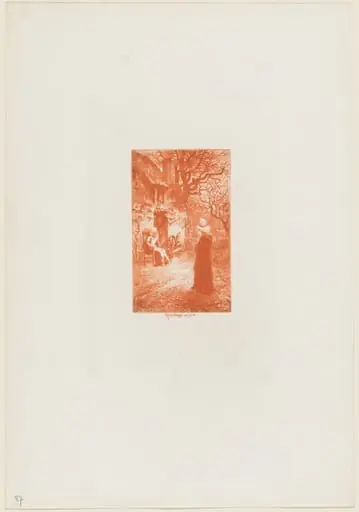 Elle venait lentement...
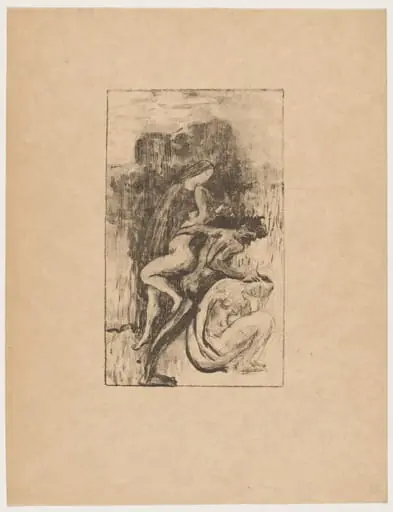 Fin de rêve
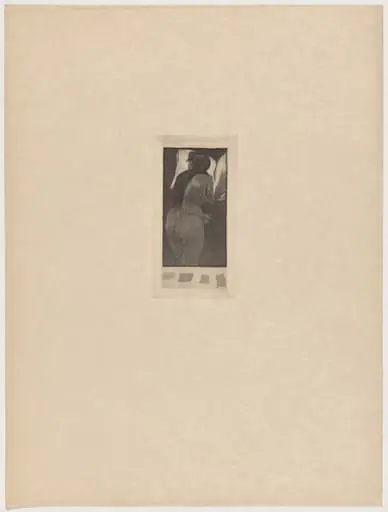 Départ pour le sabbat (Departure for the Sabbath)
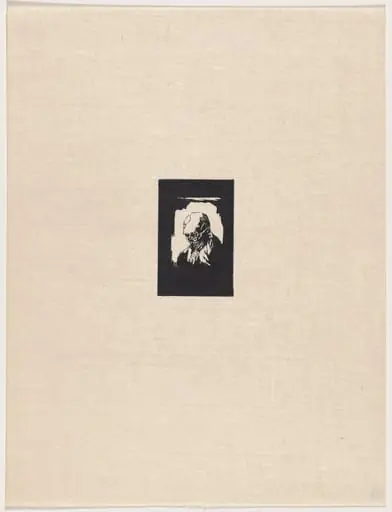 Essai de bois gravé
 Untitled
 The Flying Dutchman: Act III, The Ecstasy of Senta and the Dutchman