Artwork
A Grotto Seen from Two Different View Points
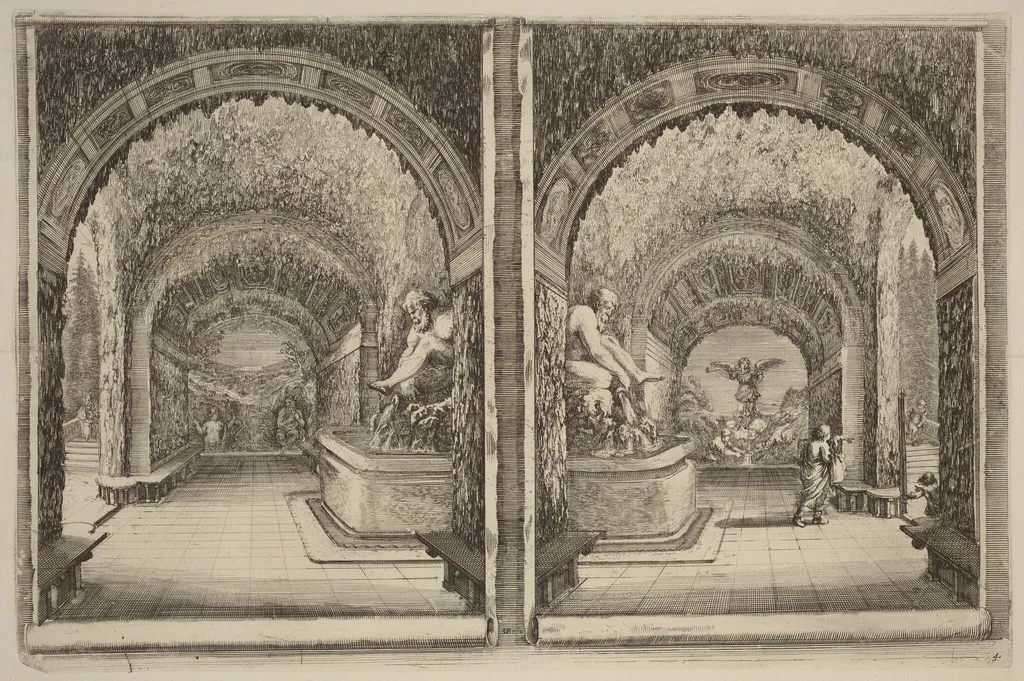
A Grotto Seen from Two Different View Points is an ink print by the Baroque artist Stefano Della Bella. It dates from 1653 and is held in the collection of the National Gallery of Art.
About this work
Overview
Della Bella, a Florentine printmaker renowned for his prolific output, used etching to explore spatial relationships and architectural nuance.
Created around 1653, this etching on laid paper by Stefano della Bella presents two distinct perspectives of a single grotto interior. The work is a restrike, indicating later impressions made from the original plate. Della Bella, a Florentine printmaker renowned for his prolific output, used etching to explore spatial relationships and architectural nuance. The composition invites comparison between two moments within the same environment, emphasizing observation over narrative.
Subject & Meaning
The left panel depicts a robed figure seated with a scroll, surrounded by vegetation and a modest fountain, suggesting contemplation or scholarly retreat. The right panel shows a bare-chested man resting against stone, attended by a servant pouring water—perhaps a moment of repose or ritual. Together, the scenes imply a private, cultivated space where nature and human activity coexist, possibly reflecting Renaissance ideals of the garden as a site of reflection and harmony.
Technique & Style
Della Bella employed fine, controlled etching lines to render texture in stone, foliage, and fabric. Deep shadows and varied hatching create a sense of volume and depth, enhancing the illusion of a receding cave. The contrast between the illuminated figures and the dark, roughly etched background draws attention to the human forms while preserving the grotto’s mysterious atmosphere. The dual viewpoints are rendered with consistent scale and lighting, reinforcing their spatial unity.
History & Provenance
The original plate was likely produced during della Bella’s time in Florence, where he worked extensively in printmaking. This impression is a restrike, made after his death, possibly in the late 17th or early 18th century, when interest in his work remained high. No known paintings by della Bella survive, making his prints the primary record of his artistic vision. The print’s survival in multiple impressions suggests its continued circulation among collectors and artists.
Context
In mid-17th century Italy, etching was a favored medium for artists seeking to document architecture, landscape, and daily life with precision. Della Bella’s work aligns with a broader trend of topographical and antiquarian interest, particularly in grottoes—natural or artificial cavities admired for their romantic, classical associations. His prints circulated widely, influencing how contemporaries perceived and depicted such spaces in both art and garden design.
Legacy
Della Bella’s ability to convey spatial complexity through etching set a standard for later printmakers. His dual-view grotto demonstrates an early interest in visual comparison and perspective as tools for understanding environment. While not widely replicated in form, the method of presenting multiple viewpoints within a single composition influenced 18th-century topographical prints and later experimental graphic works.
Artist & collection
Artist
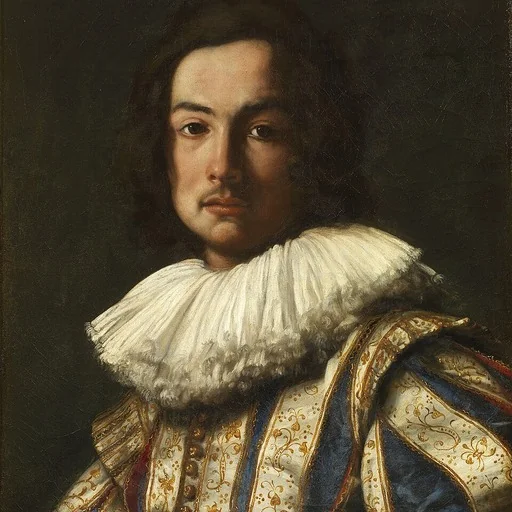
Stefano della Bella (18 May 1610 – 12 July 1664) was an Italian draughtsman and printmaker known for etchings of a great variety of subjects, including military and court scenes, landscapes, and lively genre scenes.

![The Flight into Egypt [verso], by Stefano Della Bella](https://artifactworldgallery.com/img/stefano-della-bella--the-flight-into-egypt-verso--3a100db72e6d25e3-w320.webp)
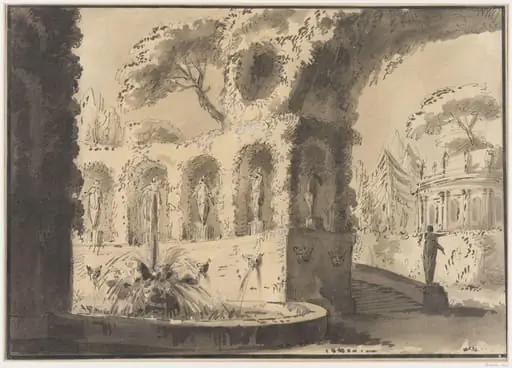 Landscape
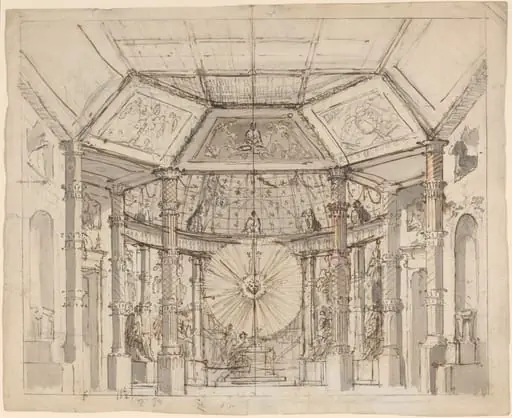 Stage Design for a Domed Temple Interior with a Sun Disk above the Altar
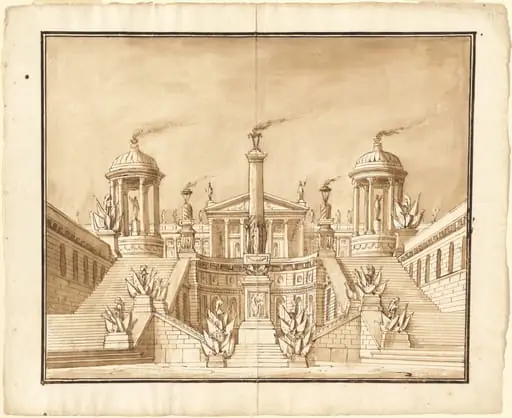 Fantasy of an Ancient Capitol with Trophies and Grand Staircases
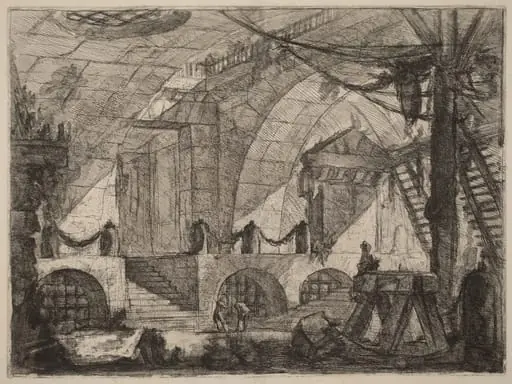 The Sawhorse
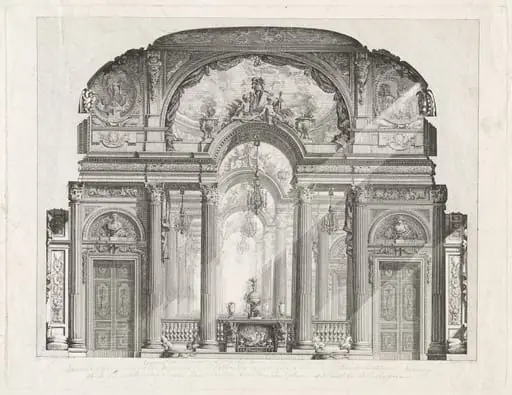 Cross Section of the Salon of the Palazzo Spinola, Genoa
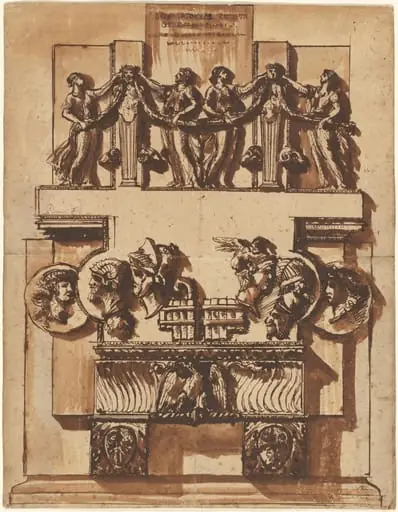 Fantasy of a Magnificent Wall Monument
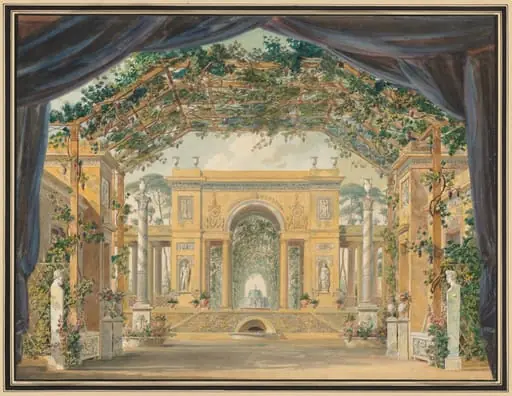 Decoration Executed for the Birthday of His Majesty the King of Westphalia
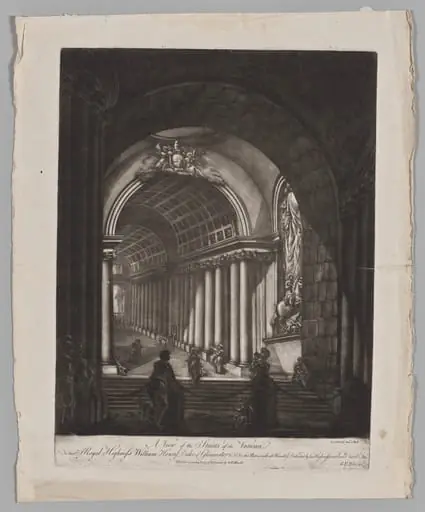 A View of the Stairs of the Vatican
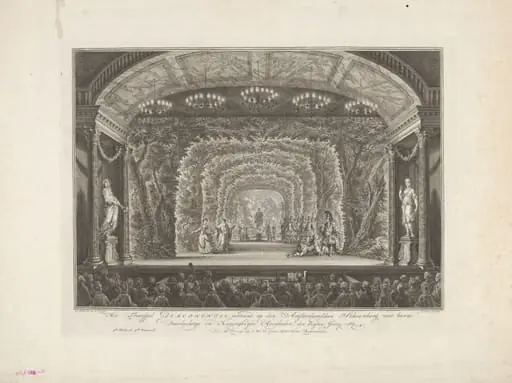 H Beard Print Collection
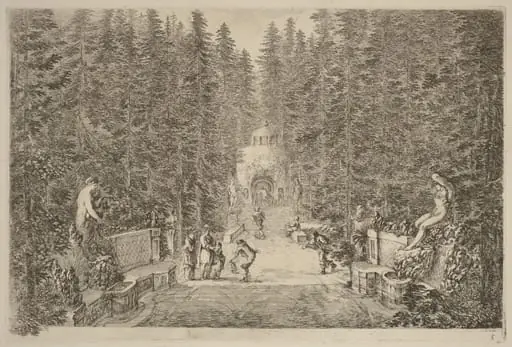 The Water Spray