Artwork
Neptune
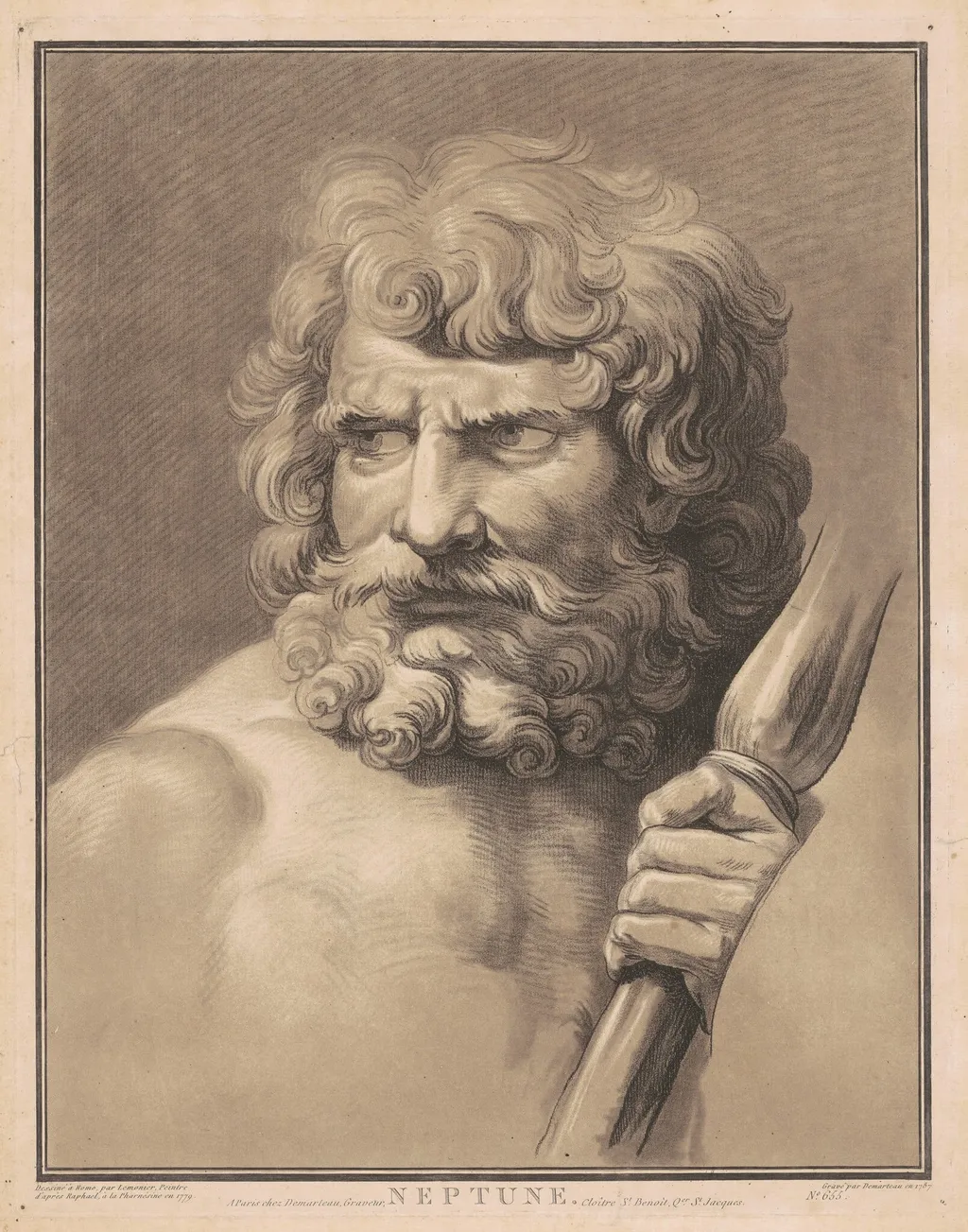
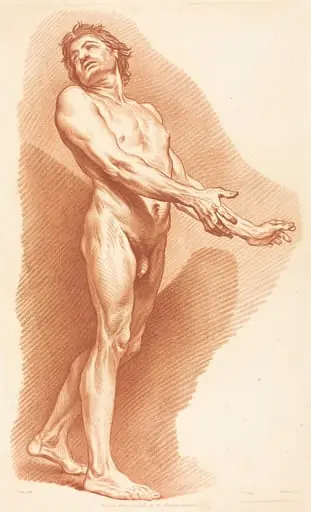
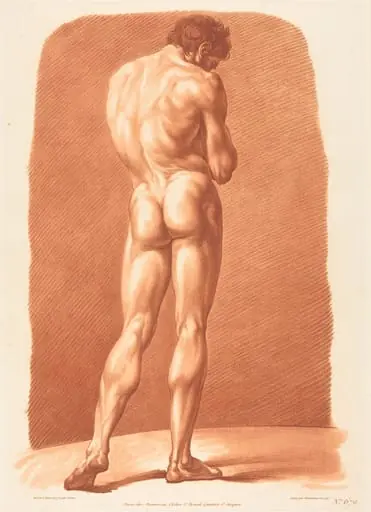
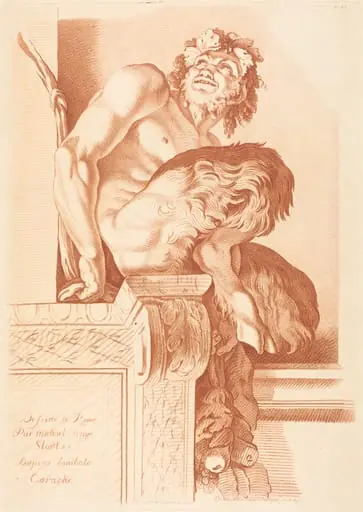
Neptune is a chalk print by the Romanticist artist Gilles-Antoine Demarteau. It dates from 1787 and is held in the collection of the National Gallery of Art.
About this work
Overview
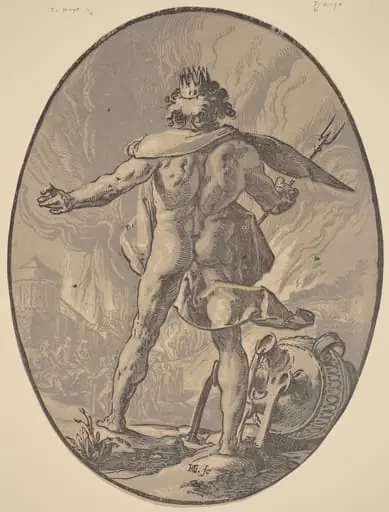
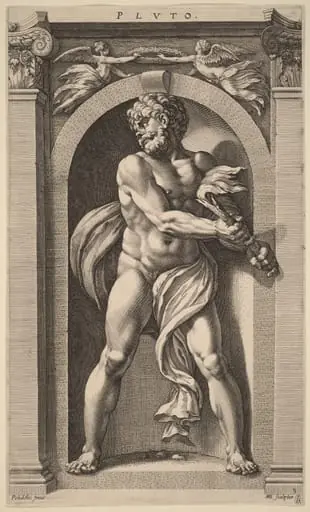
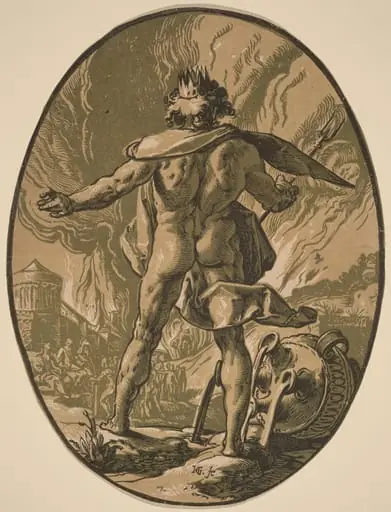
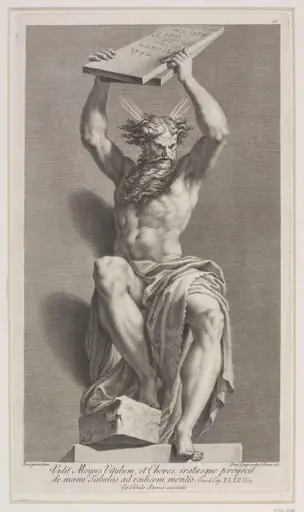
This 1787 print by Gilles-Antoine Demarteau depicts Neptune, the Roman deity associated with the sea. Executed in black and beige chalk manner on laid paper, the work exemplifies the period’s interest in classical mythology through reproductive printmaking. The restrained palette and linear clarity reflect conventions of late eighteenth-century graphic arts.
Subject & Meaning
The central figure represents Neptune, god of freshwater and the ocean in Roman belief. Typically portrayed with a trident and often accompanied by marine creatures, Neptune embodied both destructive storms and protective calm. Demarteau’s portrayal isolates the deity, emphasizing mythological authority through pose and attribute rather than narrative context.
Technique & Style
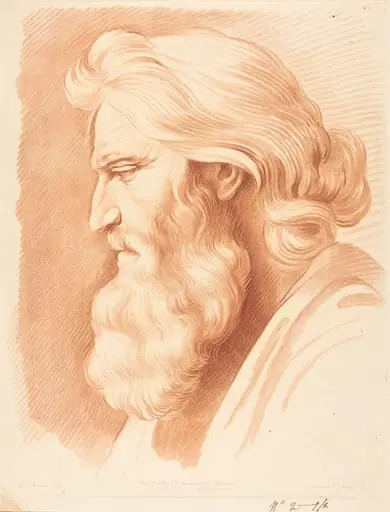
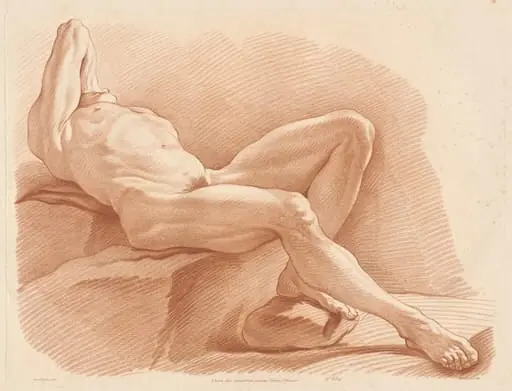
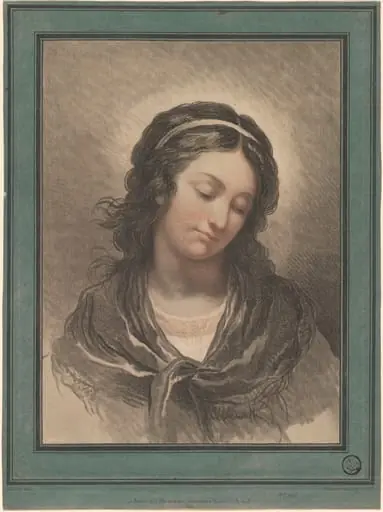
Demarteau employed chalk manner, a printmaking method that mimics the appearance of red or black chalk drawings.
Demarteau employed chalk manner, a printmaking method that mimics the appearance of red or black chalk drawings. Ink is applied to a textured plate to replicate the grain and tonal variation of hand-drawn strokes. The resulting image achieves a soft, matte finish distinct from engraving’s crisp linearity, aligning with contemporary taste for reproductive techniques that preserved the character of original sketches.
History & Provenance
Produced in 1787, the print reflects Demarteau’s specialization in translating drawings into printed form. As a publisher and practitioner, he contributed to the dissemination of classical and contemporary designs. The work’s survival in collections suggests its inclusion in series intended for connoisseurs or decorators seeking mythological subjects rendered in a refined, understated style.
Context
During the late eighteenth century, reproductive printmaking flourished as a means of circulating artistic ideas across Europe. Chalk manner, though less common than engraving, appealed for its ability to evoke the immediacy of preparatory studies. Works like this catered to collectors who valued both classical themes and technical innovation in graphic media.
Own this work as a print
Artist & collection