Artwork
Pluto
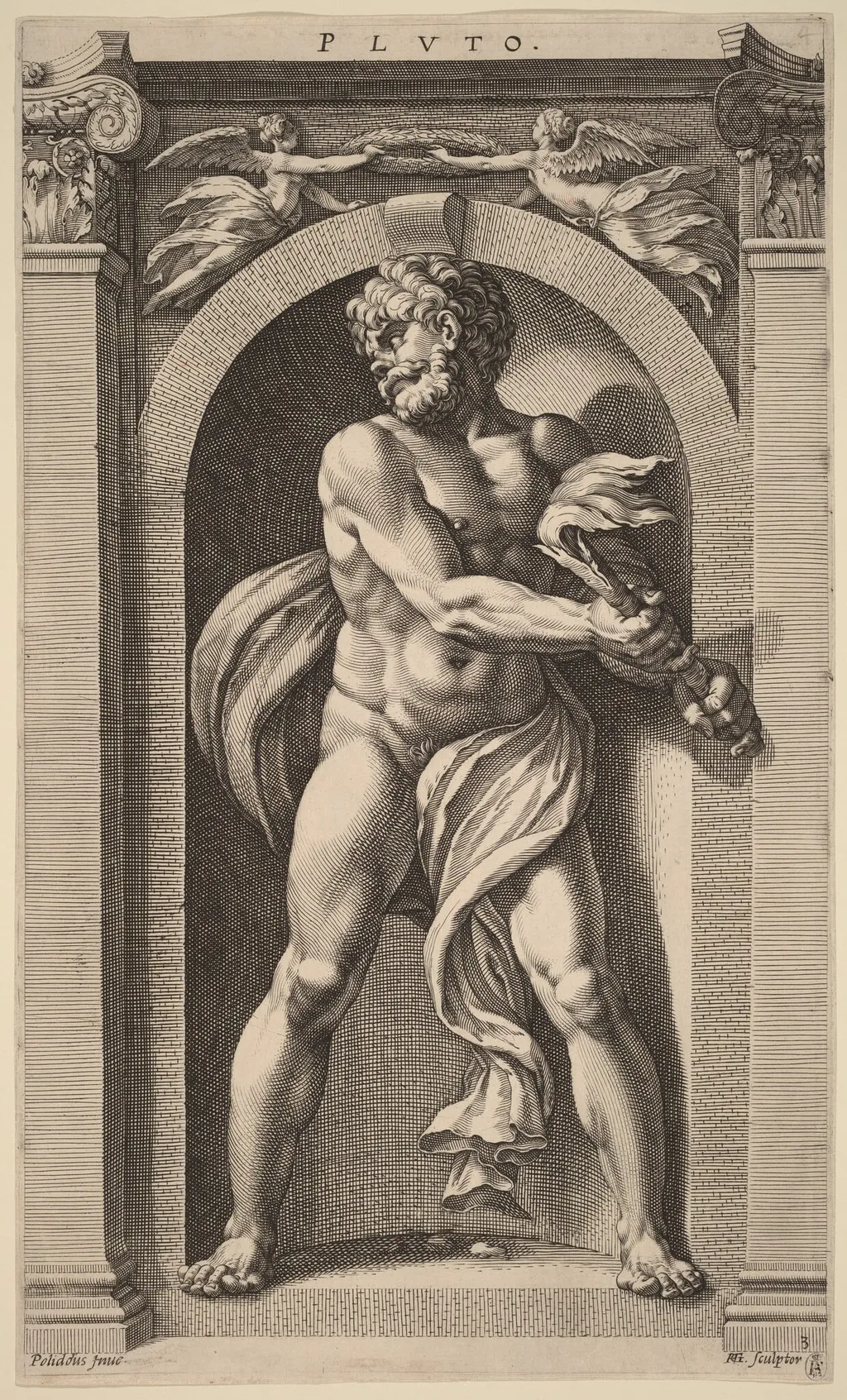
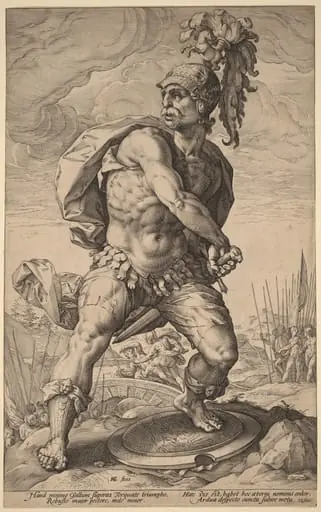
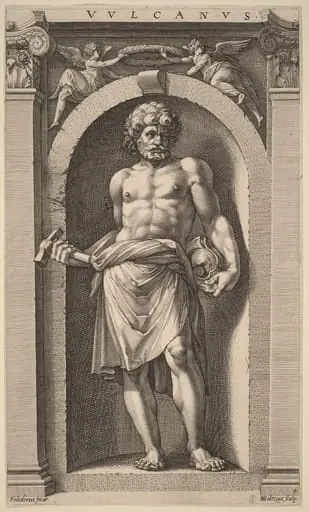
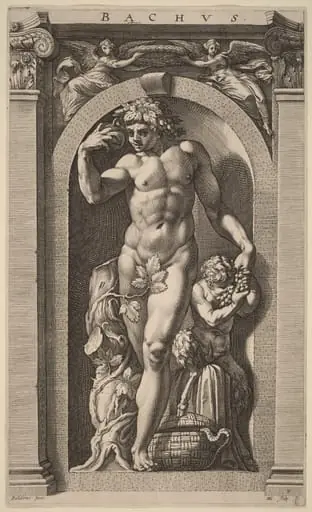
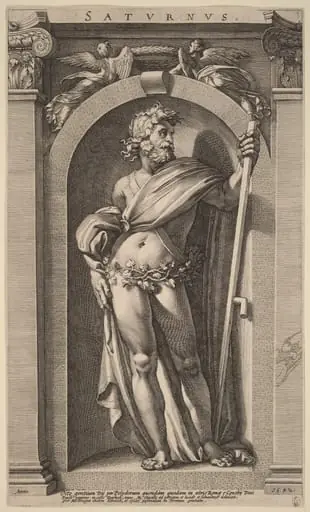
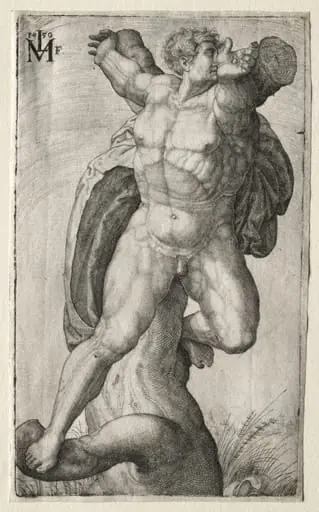
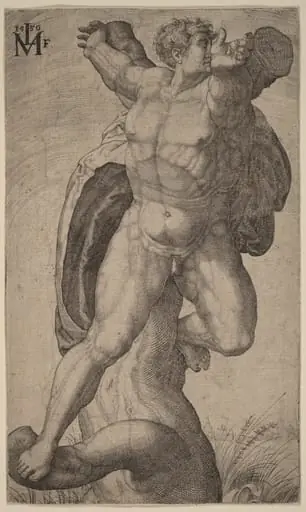
Pluto is an ink print by the Renaissance artist Hendrik Goltzius. It dates from 1592 and is held in the collection of the National Gallery of Art.
About this work
Overview
Hendrick Goltzius’s engraving *Pluto* dates to around 1592. Executed on a metal plate, the print presents the Roman god of the underworld in a densely detailed composition characteristic of late‑sixteenth‑century Northern Mannerism.
Subject & Meaning
The image depicts Pluto, the ruler of the dead in classical mythology, surrounded by symbolic attributes that identify his divine role. The portrayal reflects the period’s fascination with antiquity and the allegorical potential of mythic figures.
Technique & Style
Goltzius employed the engraving process, incising fine lines into a copper plate to achieve a rich texture and subtle gradations of tone. His handling of line demonstrates the intricate, highly finished aesthetic typical of early Baroque printmaking in the Netherlands.
History & Provenance
Born in Germany but active in Haarlem, Goltzius emerged as the pre‑eminent Dutch engraver of his generation. *Pluto* exemplifies the peak of his early career, when his reputation for elaborate compositions and technical precision was firmly established.
Context
The work belongs to the Northern Mannerist movement, which merged Italianate elegance with a distinctly Northern attention to detail. In this milieu, prints served both as artworks and as means of disseminating classical themes to a broad audience.
Artist & collection
Artist
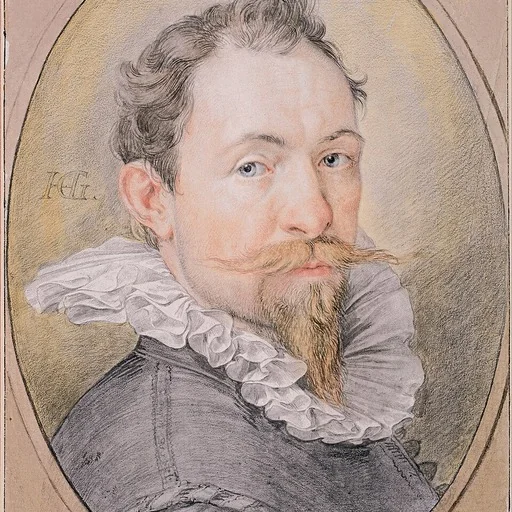
Hendrick Goltzius (German: , Dutch: ; né Goltz; January or February 1558 – 1 January 1617) was a German-born Dutch printmaker, draftsman, and painter.

![The Farnese Hercules, three-quarter view turned to left [plate 3], by François Perrier](https://artifactworldgallery.com/img/francois-perrier--the-farnese-hercules-three-quarter-view-turned-to-left-plate--b0564bebaad016fa-w320.webp)
![The Farnese Hercules, front view [plate 2], by François Perrier](https://artifactworldgallery.com/img/francois-perrier--the-farnese-hercules-front-view-plate-2--cedb2cb031c3391b-w320.webp)