Artwork
Minerva and the Muses in a Landscape
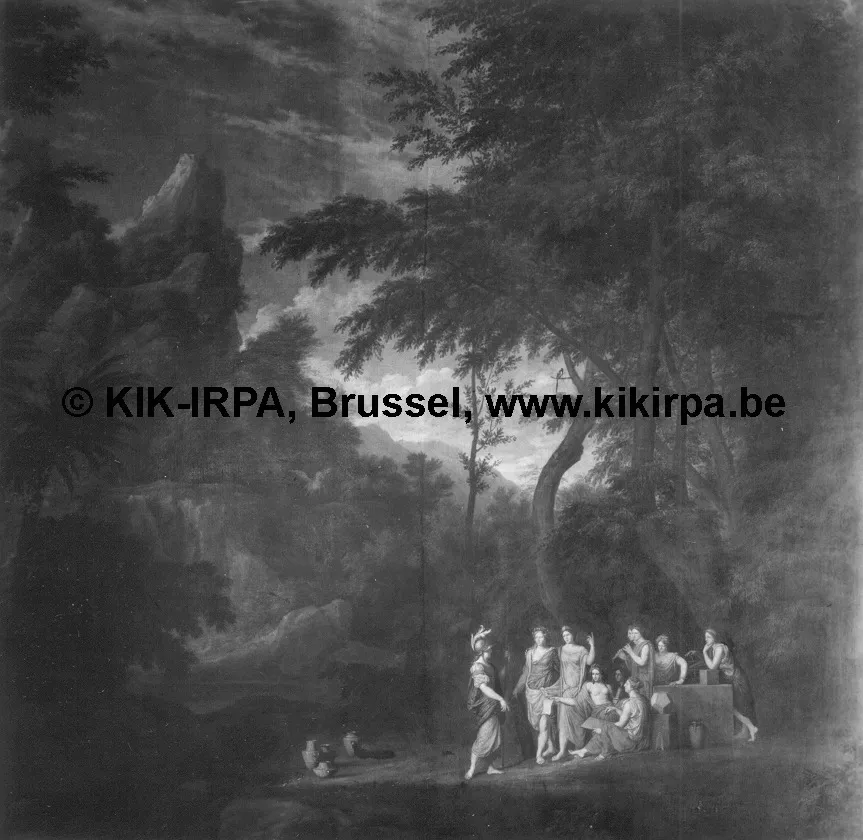
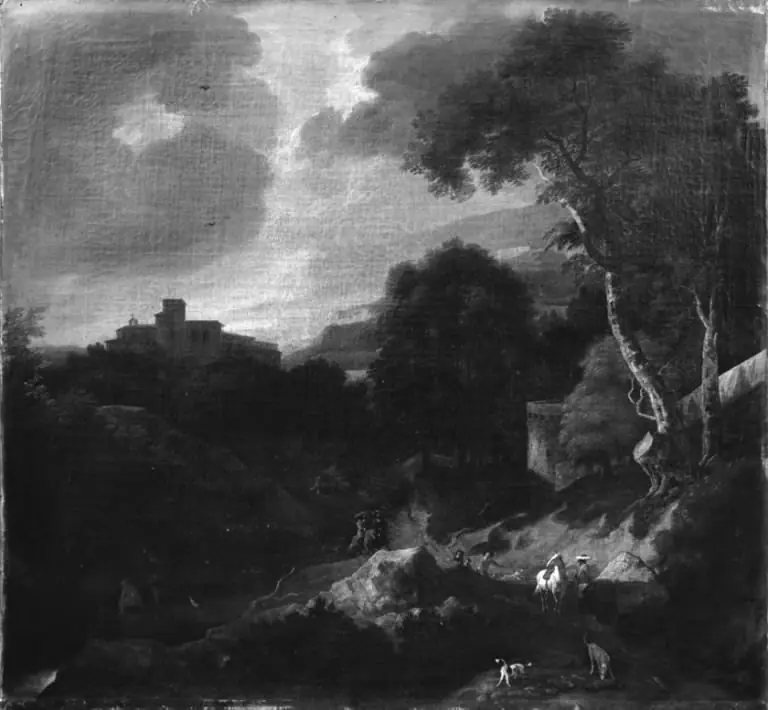
Minerva and the Muses in a Landscape is an oil painting by Abraham Genoels. It dates from 1690 and is held in the collection of the Royal Museum of Fine Arts Antwerp.
About this work
Overview
Painted around 1690 by the Flemish artist Abraham Genoels, this oil on canvas work presents a mythological scene set within a naturalistic landscape.
Painted around 1690 by the Flemish artist Abraham Genoels, this oil on canvas work presents a mythological scene set within a naturalistic landscape. Genoels, active across major European artistic centers, combined classical narrative with detailed environmental observation. The painting reflects his dual interest in antiquity and the cultivated countryside, characteristic of late Baroque Flemish practice.
Subject & Meaning
The scene centers on Minerva, goddess of wisdom, accompanied by the nine Muses, figures associated with the arts and sciences. Gathered in a wooded clearing, they appear engaged in contemplation or discourse, suggesting an idealized space for intellectual and creative exchange. The setting transforms myth into a serene, earthly ritual, aligning classical ideals with the Enlightenment-era reverence for reason and culture.
Technique & Style
Genoels employed chiaroscuro to model forms with subtle gradations of light and shadow, enhancing the three-dimensionality of figures and terrain. The palette favors earth tones—olive greens, muted browns, and soft grays—creating a harmonious, restrained atmosphere. Detailed rendering of foliage, stone, and fabric textures grounds the mythological figures in a tangible, observable world.
History & Provenance
The painting entered the collection of the Royal Museum of Fine Arts Antwerp, where it remains today. Genoels, who worked in Antwerp, Rome, and Paris, likely produced this piece during his later years, after extensive exposure to Italian landscape traditions. Its survival in a major Flemish institution underscores its recognition within regional artistic circles of the late 17th century.
Context
In the late 1600s, Flemish artists increasingly fused classical mythology with landscape painting, responding to broader European tastes shaped by humanist scholarship. Genoels’ work aligns with this trend, reflecting the influence of Roman and French academic ideals. The painting’s quiet, contemplative mood contrasts with more theatrical Baroque narratives, favoring introspection over drama.
Legacy
Though not widely reproduced or celebrated in mainstream art history, Genoels’ painting exemplifies a quiet but significant strand of Flemish Baroque practice: the integration of myth into naturalistic settings. It contributes to the understanding of how classical themes were adapted in regional contexts, preserving a nuanced dialogue between antiquity and the observed world.
Artist & collection
Artist
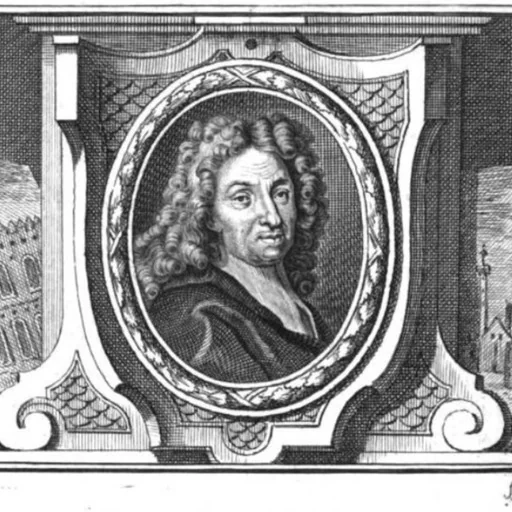
Abraham Genoels II or Abraham Genouil (nickname: Archimedes) (25 May 1640 – 10 May 1723) was a Flemish Baroque painter, draughtsman, engraver and tapestry designer.

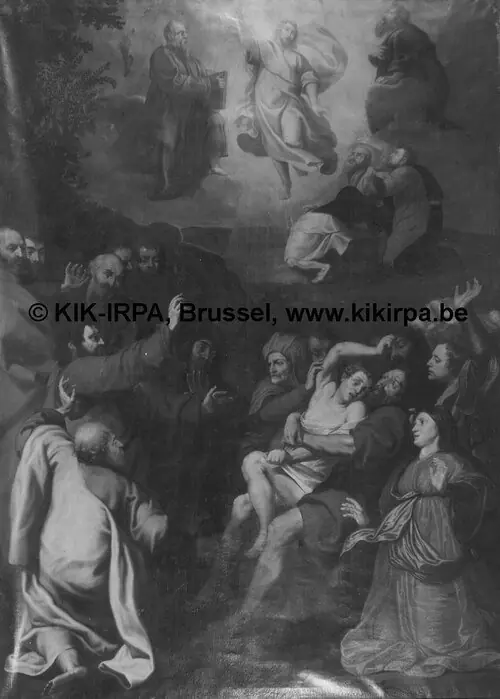 The transfiguration
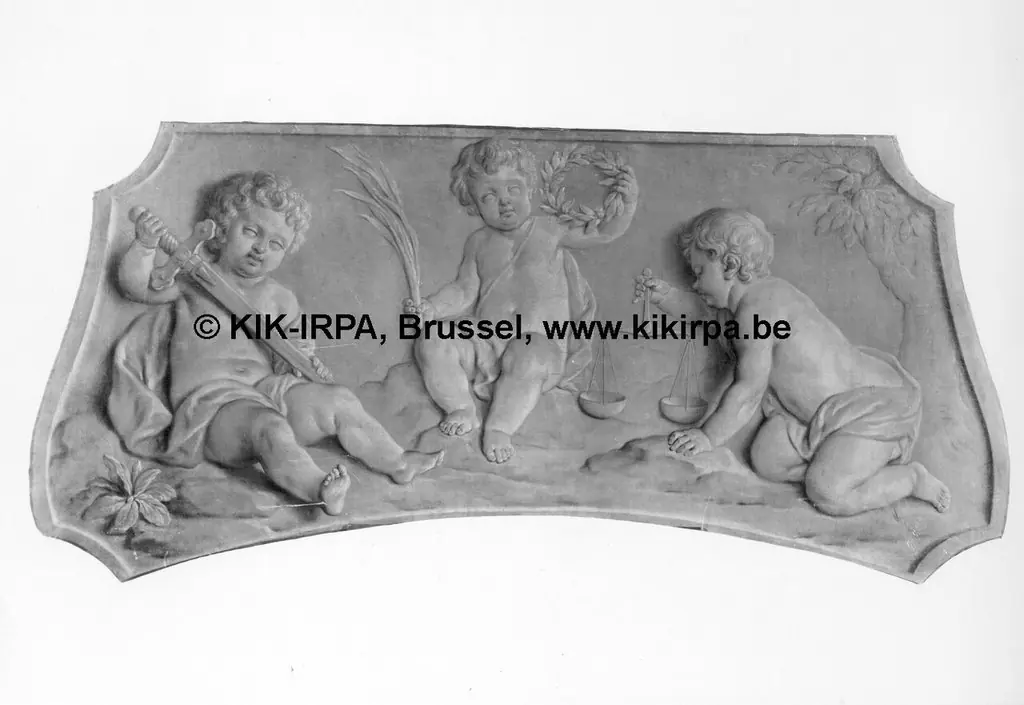 Justice
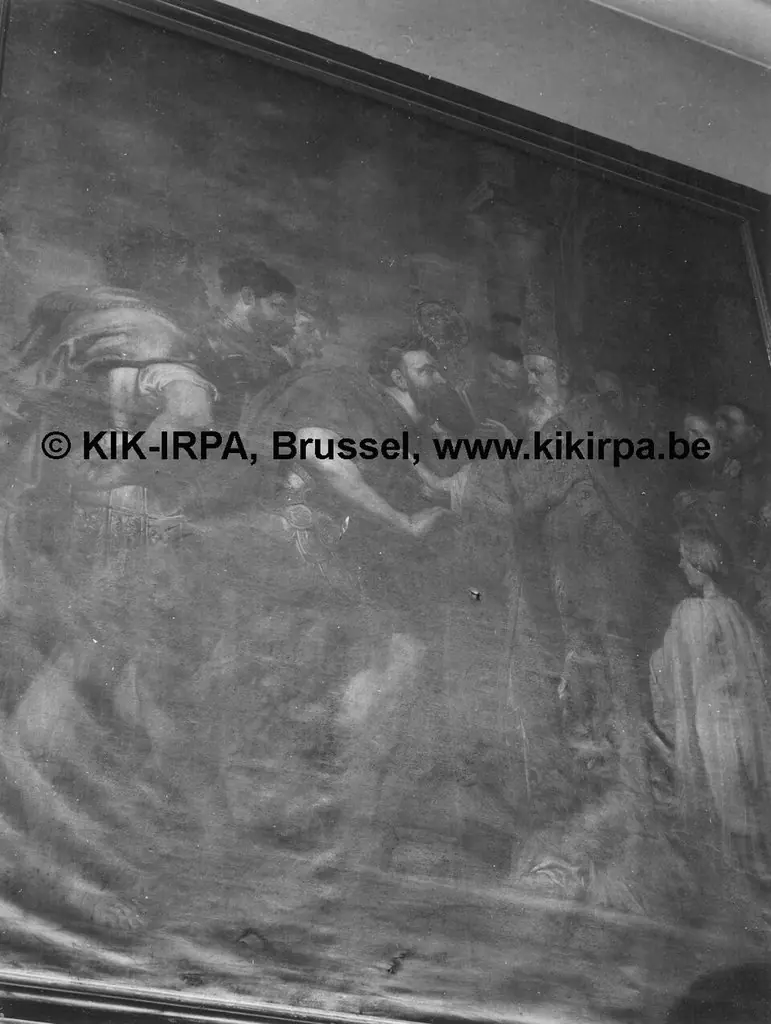 St Ambrose and Theodosius
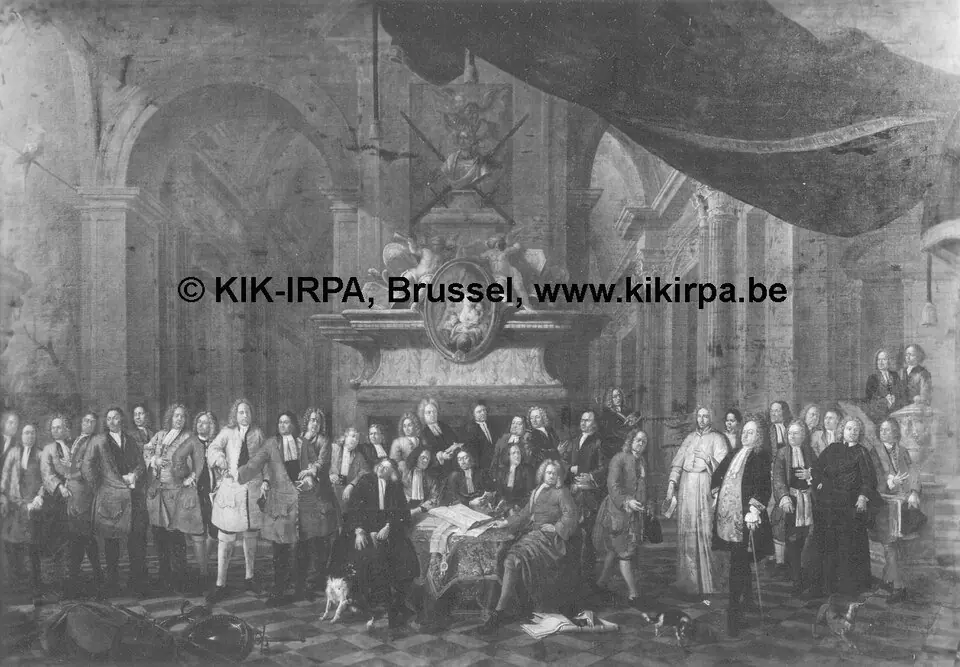 The Fencer's Guild Receives J. Vermoelen, Abbot of Sint-Michiels
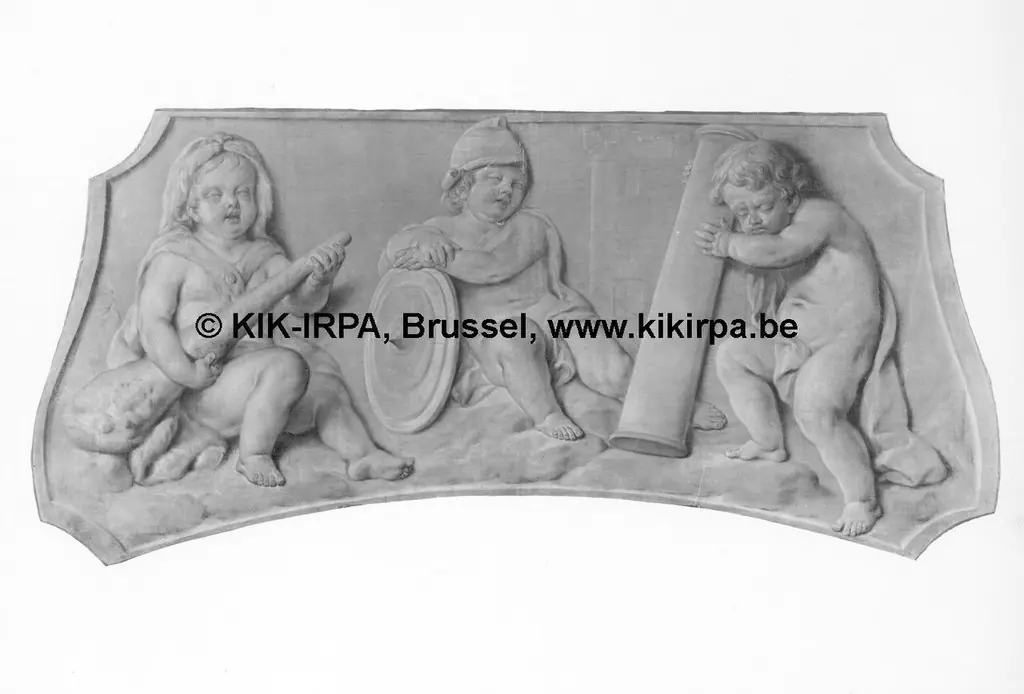 Power
Power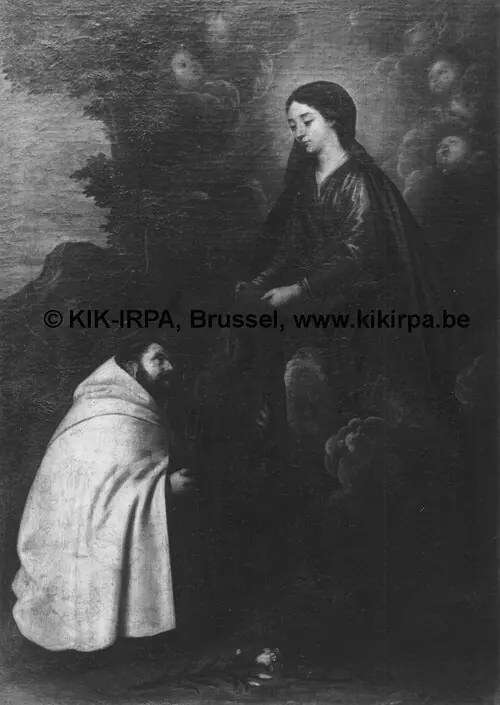 Mary with Scapulier
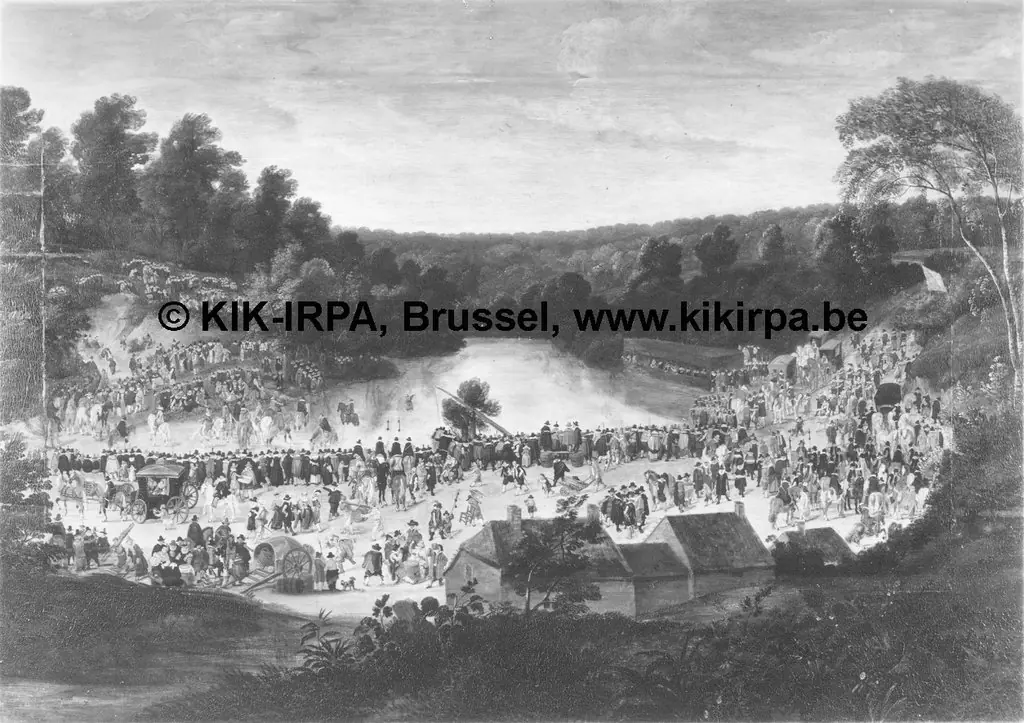 Garden Festival at Diesdelle
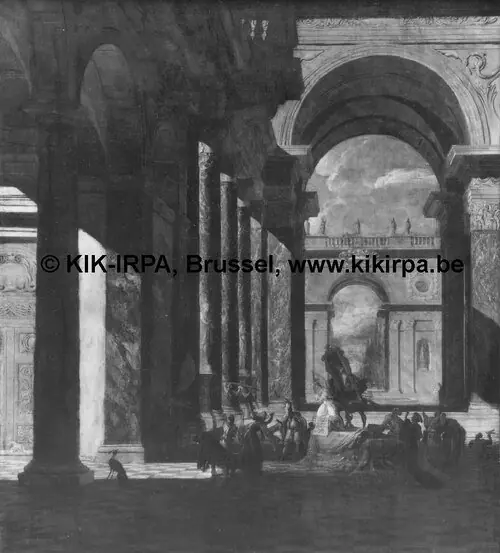 Chariclea is Recognized by her Parents
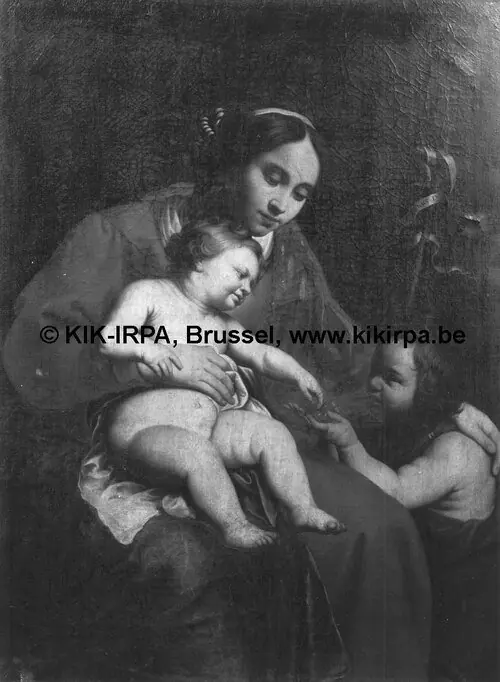 Madonna with the Infant Saint John the Baptist
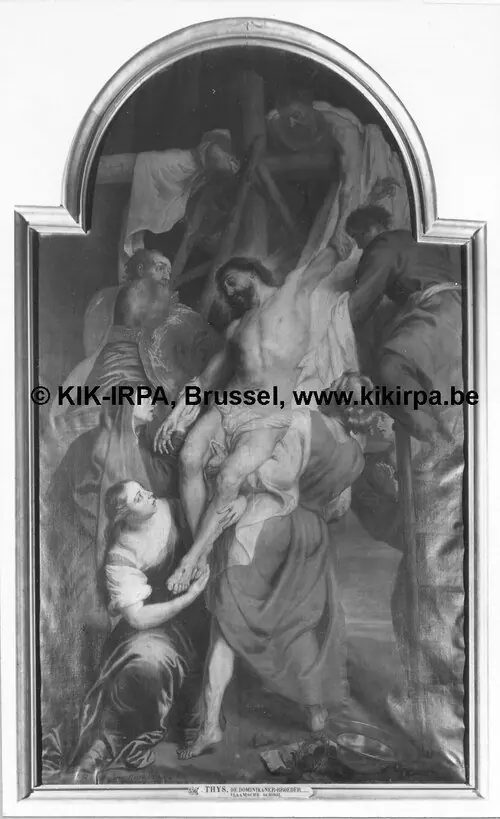 Descent from the Cross
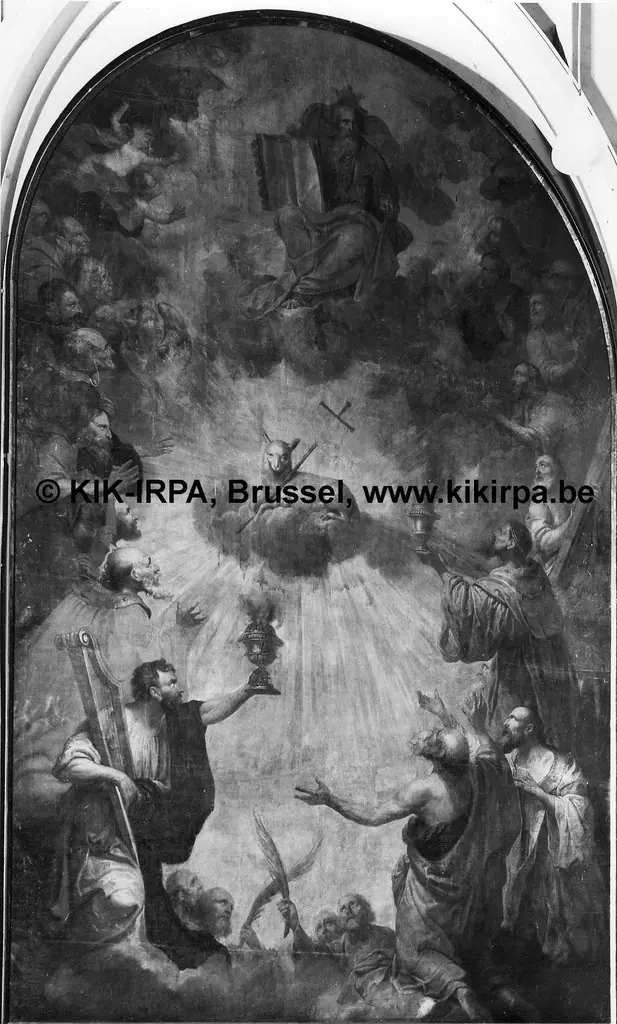 The Lamb of God worshipped by the elders of the Apocalypse
 Easter in Egypt