Artwork
The Musician
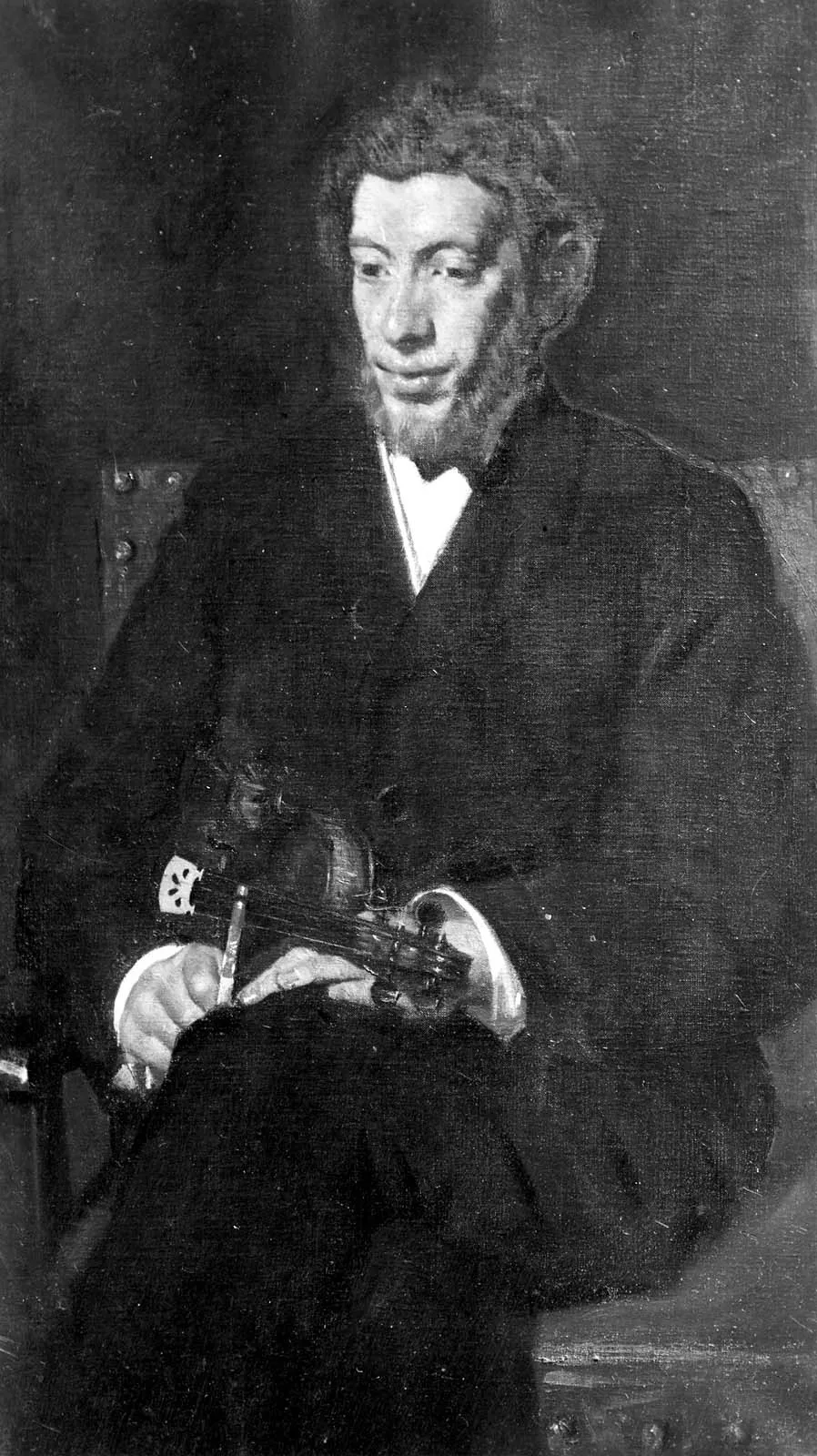
The Musician is an oil painting by the Post-Impressionist artist Denman Ross. It dates from 1910 and is held in the collection of the Museum of Fine Arts Boston.
About this work
The man's facial expression is neutral, and he appears to be focused on the violin.
The painting depicts a man sitting in a chair, holding a violin and bow. He is dressed in dark clothing with a white shirt and a dark jacket or coat. The background is dark, which helps the subject stand out.
The man's facial expression is neutral, and he appears to be focused on the violin. His hair is dark and styled in a way that was common during the early 20th century. The overall mood of the painting is somber and contemplative.
If you're interested in learning more about the artist's use of chiaroscuro, a technique that uses strong contrasts between light and dark to create a sense of volume in an image, you can explore more of Denman Ross's work.
Overview
Painted in 1910 by Denman Waldo Ross, *The Musician* is an oil on canvas work that reflects the artist’s engagement with Post-Impressionist principles. Ross, known for his roles as an educator at Harvard and a trustee at the Museum of Fine Arts, Boston, produced this piece during a period of deep interest in formal structure and tonal harmony. The painting resides in the museum’s permanent collection, where it exemplifies his quiet, introspective approach to portraiture.
Subject & Meaning
The painting portrays a man seated in stillness, cradling a violin and bow with quiet concentration. Dressed in dark attire against a shadowed backdrop, his neutral expression and focused gaze suggest an inward state rather than performance. The absence of narrative context invites contemplation of solitude and artistic devotion. The figure’s anonymity emphasizes the universality of the musician’s moment, stripping away identity to highlight the act of creation itself.
Technique & Style
Ross employs a restrained palette dominated by deep browns and blacks, with subtle highlights on the violin and shirt to define form. His use of chiaroscuro creates volume without dramatic lighting, favoring muted contrasts that enhance the painting’s somber tone. Brushwork is deliberate but not overly textured, prioritizing clarity of shape over expressive gesture. This approach aligns with Post-Impressionist concerns for structure and emotional restraint over Impressionist spontaneity.
History & Provenance
Created in 1910, *The Musician* entered the Museum of Fine Arts, Boston’s collection through the artist’s own connections to the institution. Ross, a significant donor and advocate for the museum, ensured his works remained accessible to the public. The painting has remained in the museum’s care since its acquisition, with no record of public exhibition beyond its inclusion in the permanent collection.
Context
In early 20th-century America, artists like Ross sought to reconcile European modernist trends with domestic subjects. While his contemporaries explored color and movement, Ross leaned toward quiet, introspective themes. *The Musician* reflects this tendency, aligning with broader cultural interests in individualism and the dignity of artistic labor during a time of rapid industrial and social change.
Legacy
Though not widely known outside academic circles, Ross’s work, including *The Musician*, contributed to the development of American art education and museum practices. His emphasis on formal discipline and tonal balance influenced students and curators alike. The painting endures as a quiet example of how Post-Impressionist ideals were adapted in the United States to convey introspection rather than spectacle.
Artist & collection
Artist
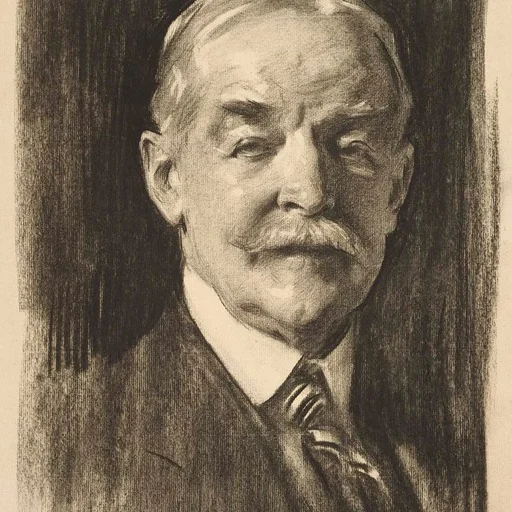
Denman Waldo Ross (January 10, 1853 – September 12, 1935) was an American painter, art collector, and scholar of art history and theory.

 A Portrait Study of a Gentleman Standing in an Interior
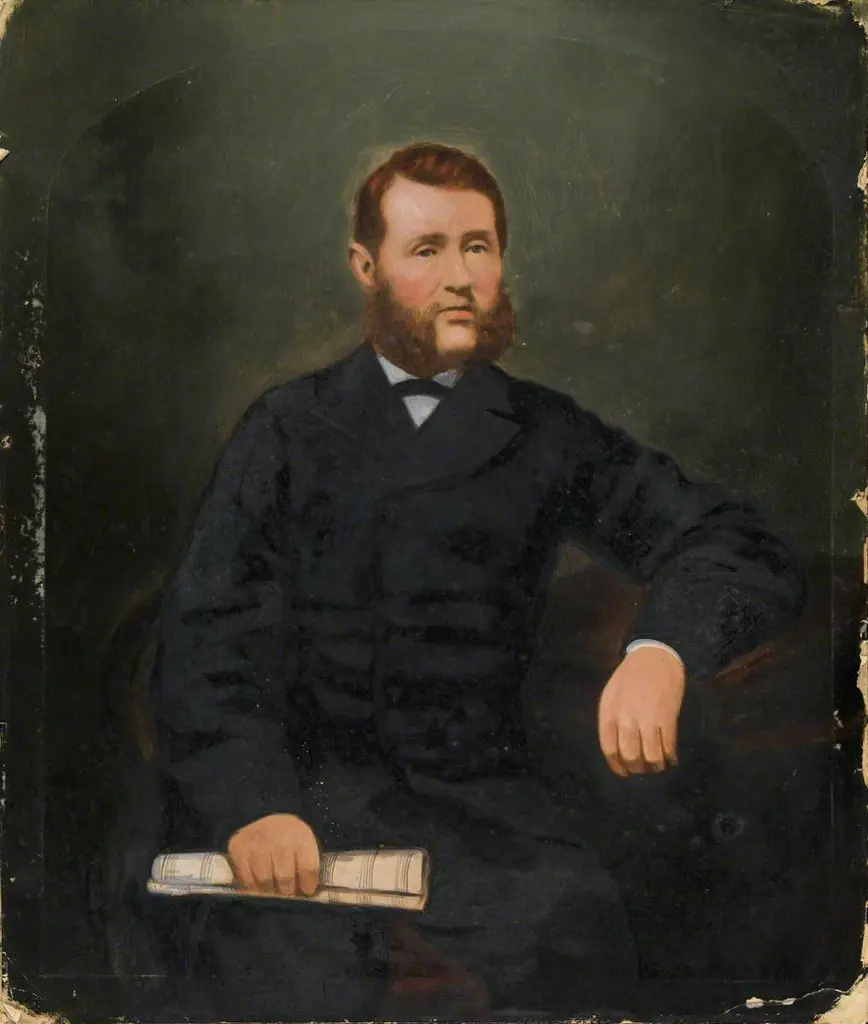 Robert Stephen (Moelwynfab) (1828–1879)
 Untitled
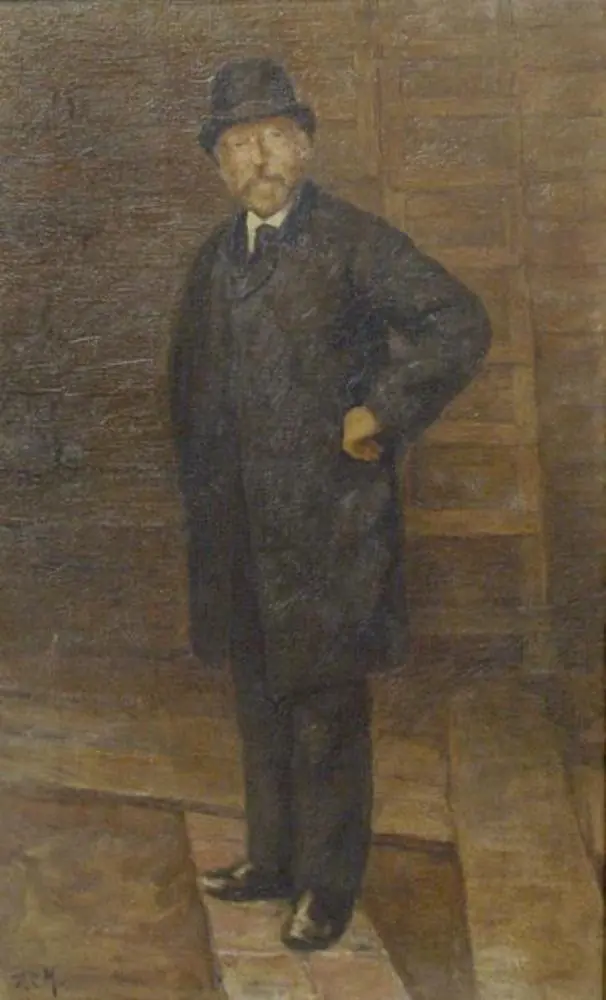 Portrait of Egbert Kuipers (1828-1892)
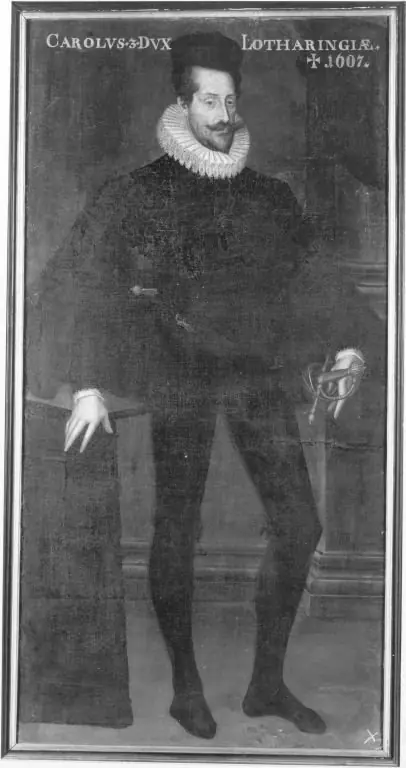 Karl III., Herzog von Lothringen
 Portret (Constantin Lahovari, fost președinte al societății Ileana?)
 Francis Scott Key (1779-1843)
 Dr John Parry
 Præsten Gjerløv Christian Krog Schiøler
 Portrait of a bearded man
 Mr. J. Davies, Ystrad Dyfodwy
 Præsten Gjerløv Christian Krog Schiøler