Artwork
A Spanish Infanta in 17th Century Costume
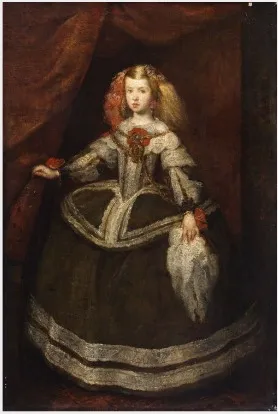
A Spanish Infanta in 17th Century Costume is an oil painting by the Early Baroque Italian artist Diego Velázquez. It dates from 1639 and is held in the collection of the National Gallery of Ireland. Painted around 1639, this oil portrait depicts a young Spanish royal girl dressed in formal court attire.
About this work
Overview
Painted around 1639, this oil portrait depicts a young Spanish royal girl dressed in formal court attire. Executed by Diego Velázquez, it is one of several portraits of Habsburg children from this period. The work is currently held in the National Gallery of Ireland, where it is displayed as an example of Spanish court portraiture from the early Baroque era.
Subject & Meaning
The subject is likely an infanta, a daughter of the Spanish king, presented with the solemnity befitting her status.
The subject is likely an infanta, a daughter of the Spanish king, presented with the solemnity befitting her status. Her direct gaze and composed posture convey dignity rather than childhood playfulness. The fan, lace, and rich fabrics emphasize her royal identity, while the absence of symbolic objects or narrative context focuses attention on lineage and presence rather than individual personality.
Technique & Style
Velázquez employs subtle chiaroscuro to model the girl’s face and costume, lending volume without theatricality. The dark background and draped red curtain isolate the figure, enhancing her three-dimensionality. Fine brushwork renders lace, fabric folds, and the floral pattern on the fan with quiet precision. The palette is restrained—dominated by black, white, and deep red—reflecting Habsburg court aesthetics and the artist’s growing mastery of tonal harmony.
History & Provenance
The painting entered the National Gallery of Ireland’s collection in the 19th century, having previously belonged to a private European collection. Its origins trace to the Spanish royal household, likely commissioned during Velázquez’s tenure as court painter to Philip IV. While its exact commissioning context remains undocumented, its style aligns with other portraits of royal children from the late 1630s.
Context
In 17th-century Spain, portraits of royal children served political and dynastic purposes, reinforcing the visibility and legitimacy of the Habsburg line. Velázquez, as court painter, produced numerous such images, balancing realism with ceremonial formality. This work reflects the rigid etiquette of the Spanish court, where even children were depicted with restrained gravity, their attire signaling status over individuality.
Legacy
This portrait exemplifies Velázquez’s ability to convey presence through minimal gesture and refined observation. Though less famous than his adult royal portraits, it contributes to understanding how Spanish court culture used portraiture to project continuity and authority. Its quiet intensity influenced later realist traditions in European painting, particularly in the depiction of children with psychological nuance.
Artist & collection
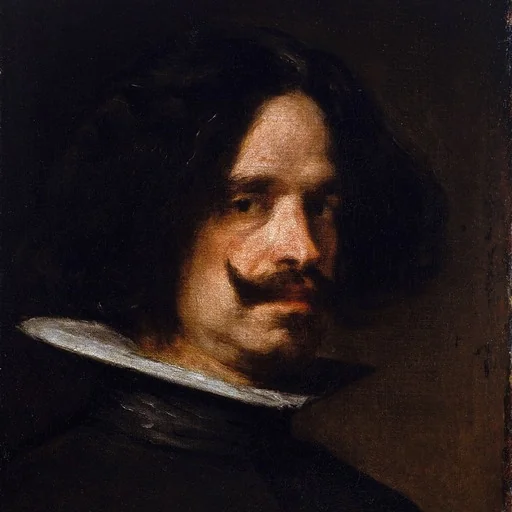
Artist
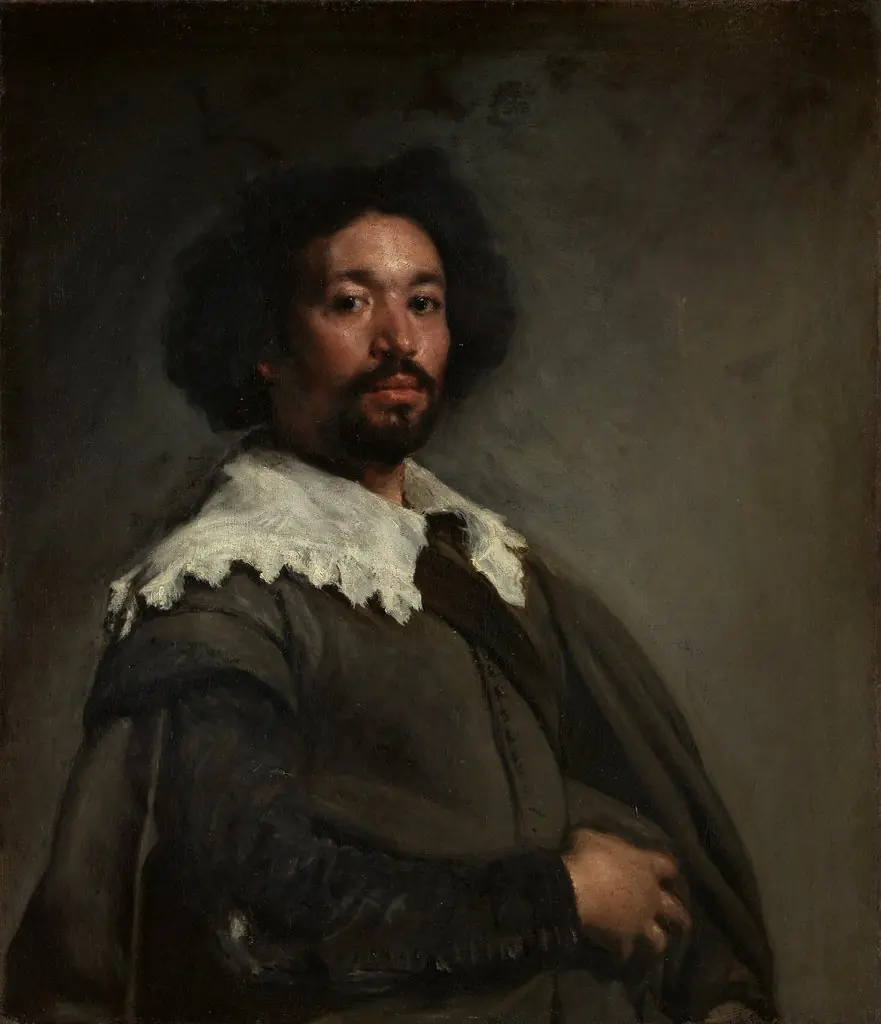
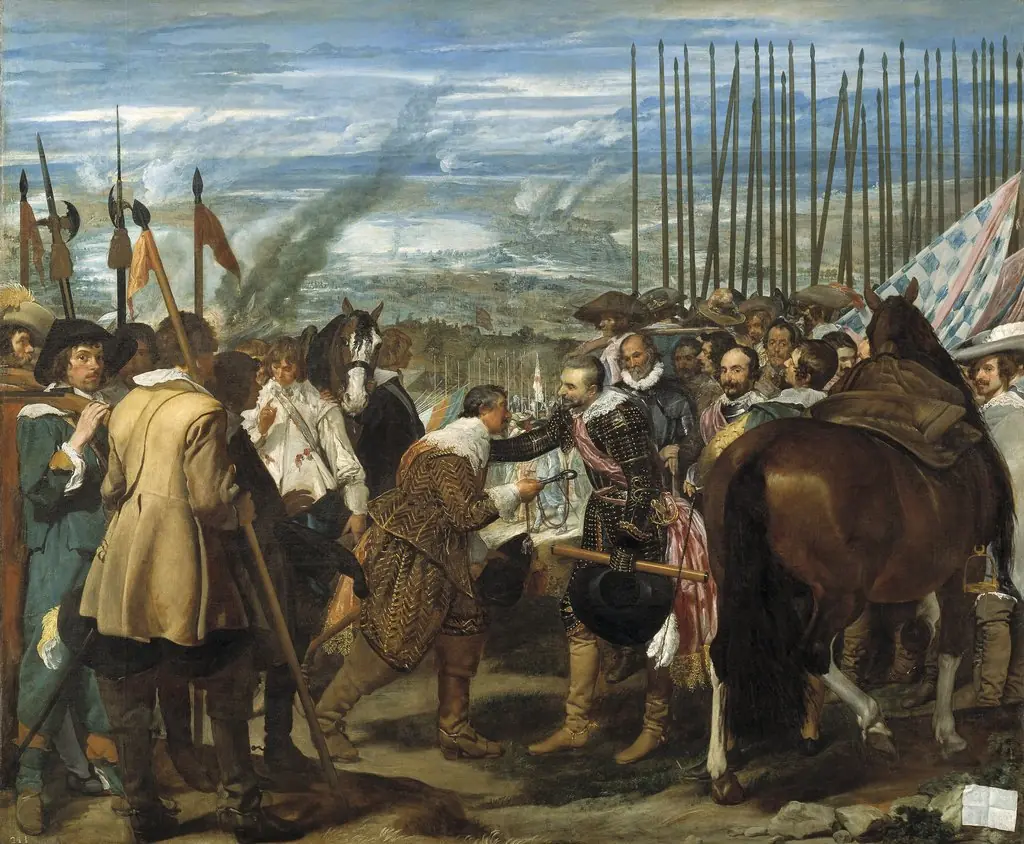
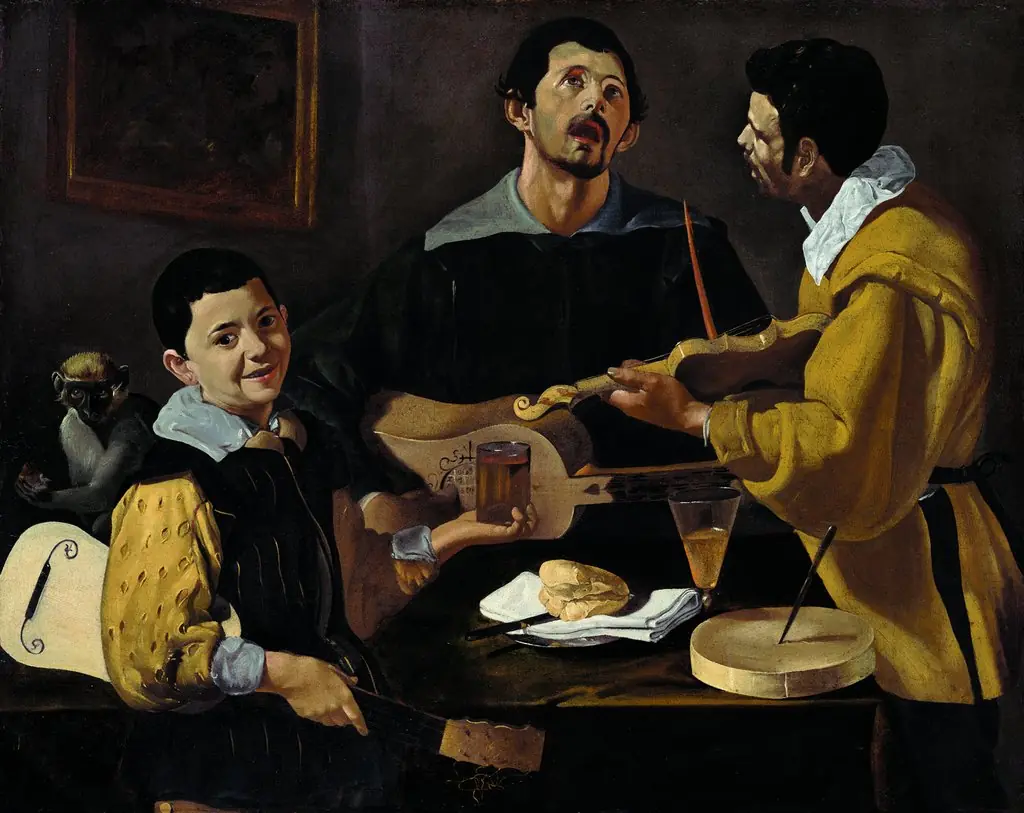
Diego Rodríguez de Silva y Velázquez was a Spanish Baroque painter, the leading artist in the court of King Philip IV of Spain and Portugal, and of the Spanish Golden Age.

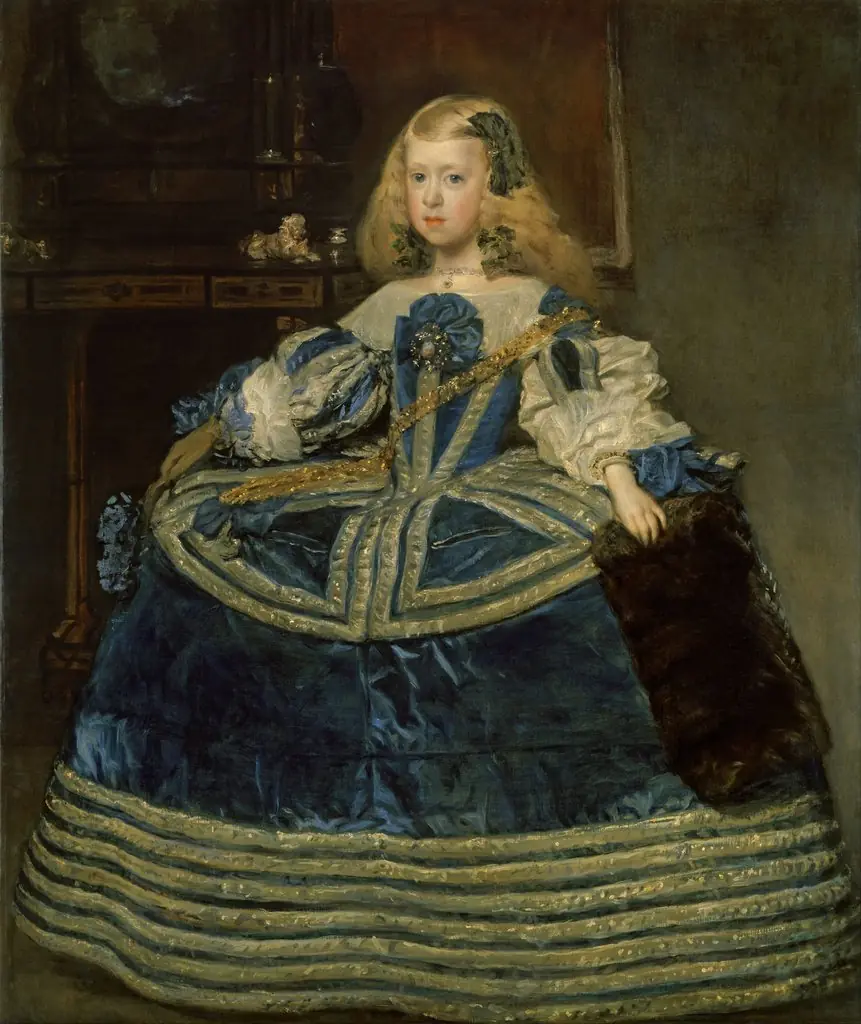 Infanta Margarita Teresa in a Blue Dress
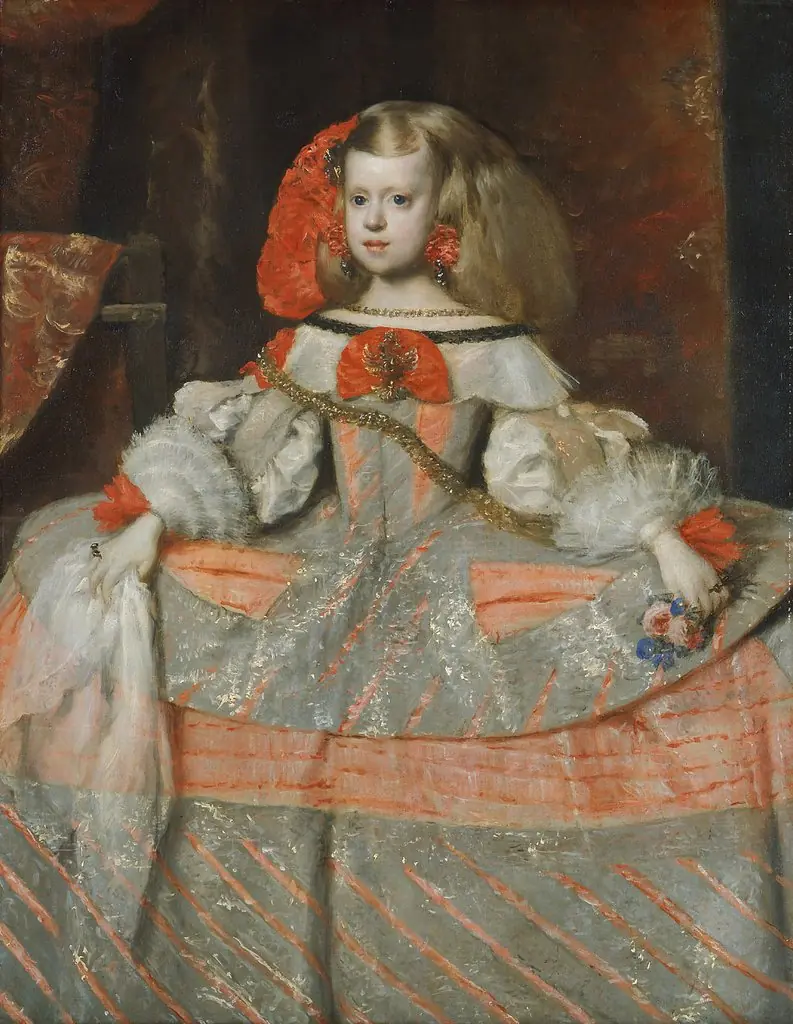 Infanta Margarita Teresa (1651-1673)
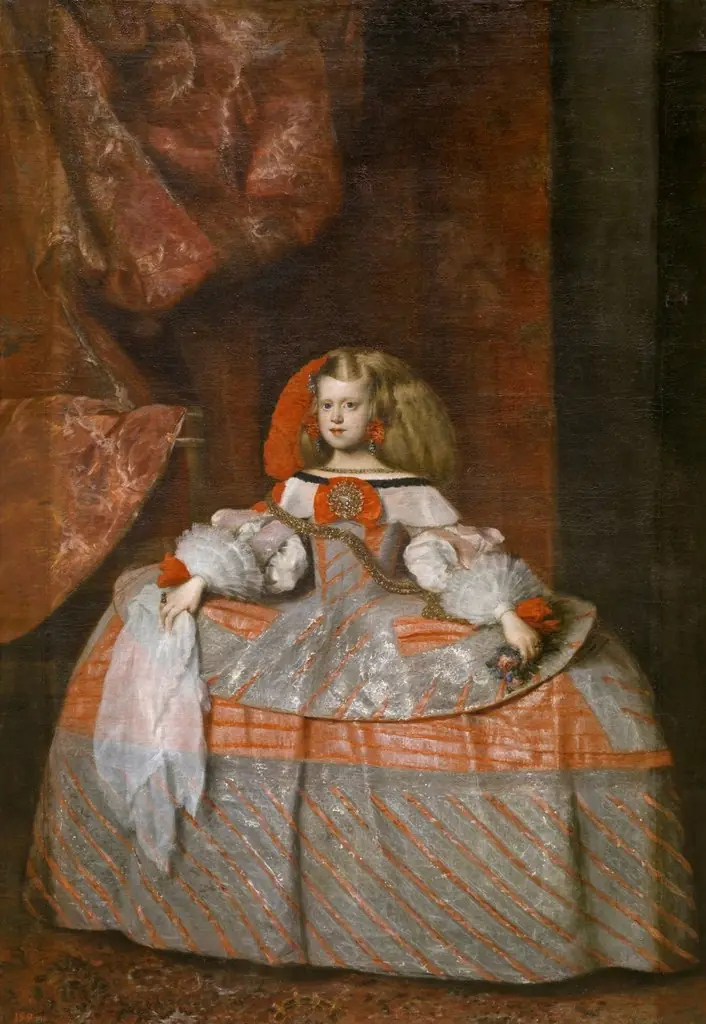 Infanta Margarita Teresa in a Pink Dress
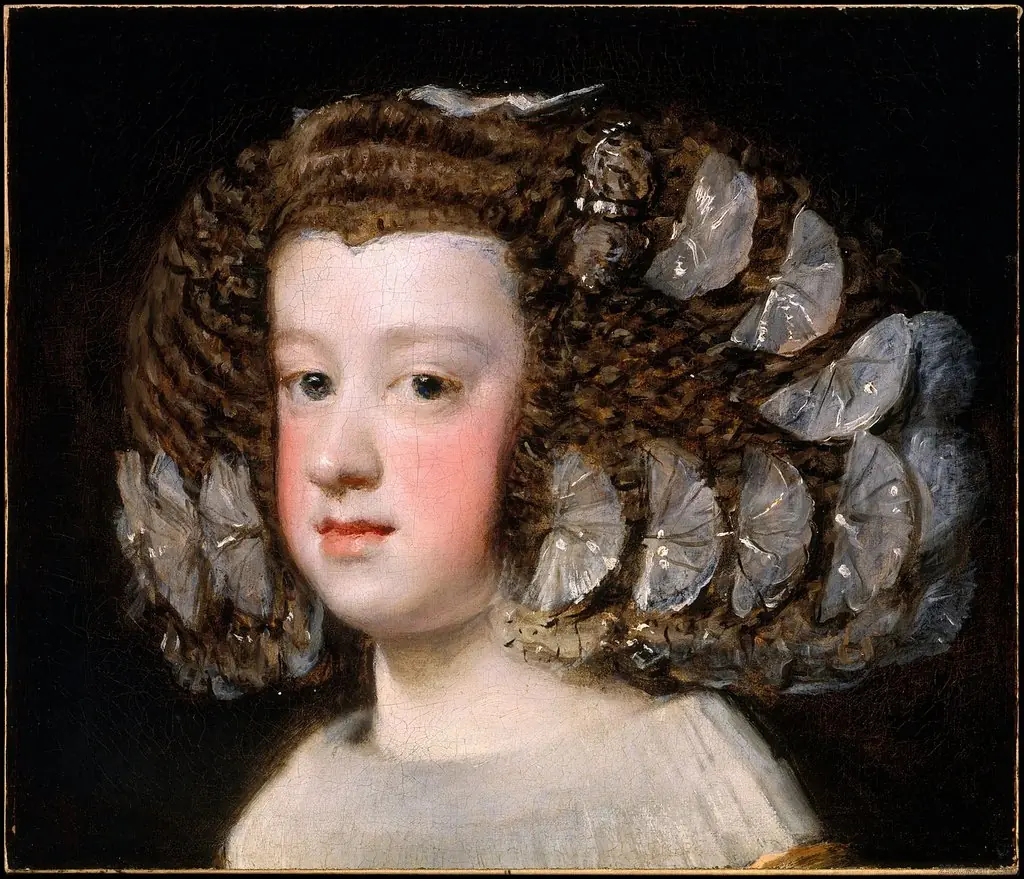
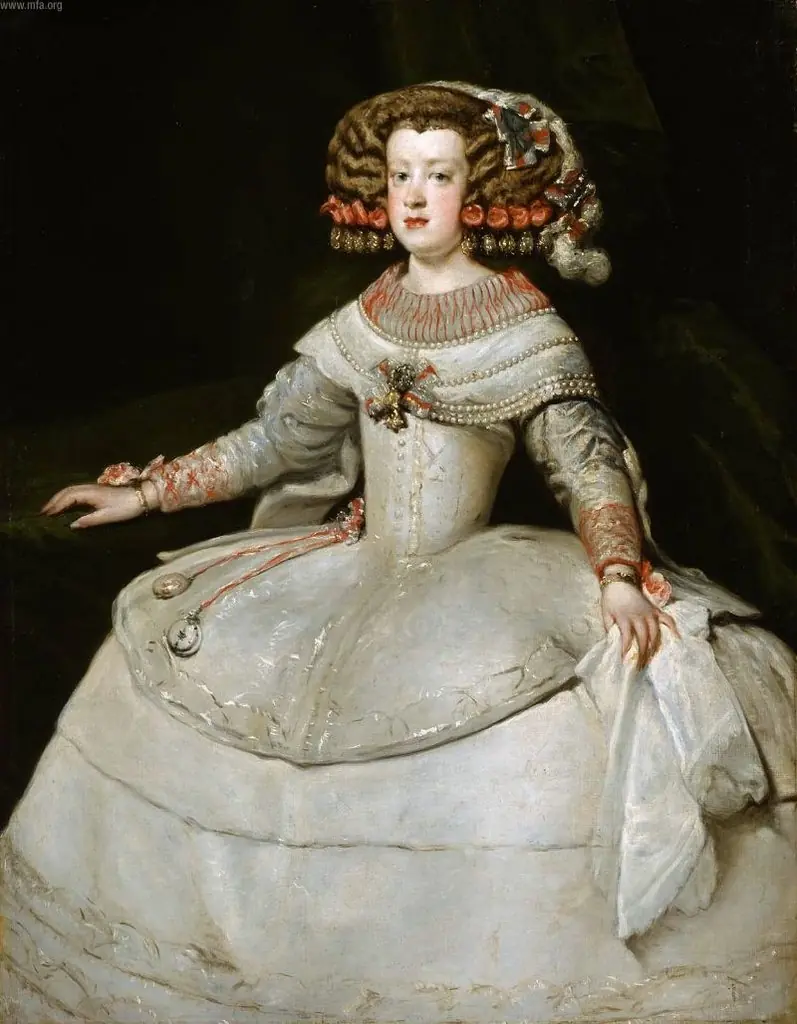 Infanta Maria Theresa
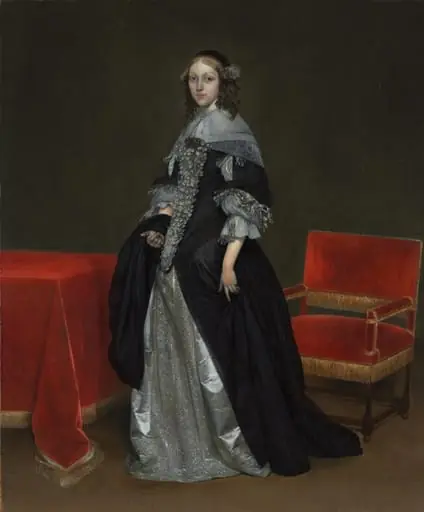 Portrait of a Woman
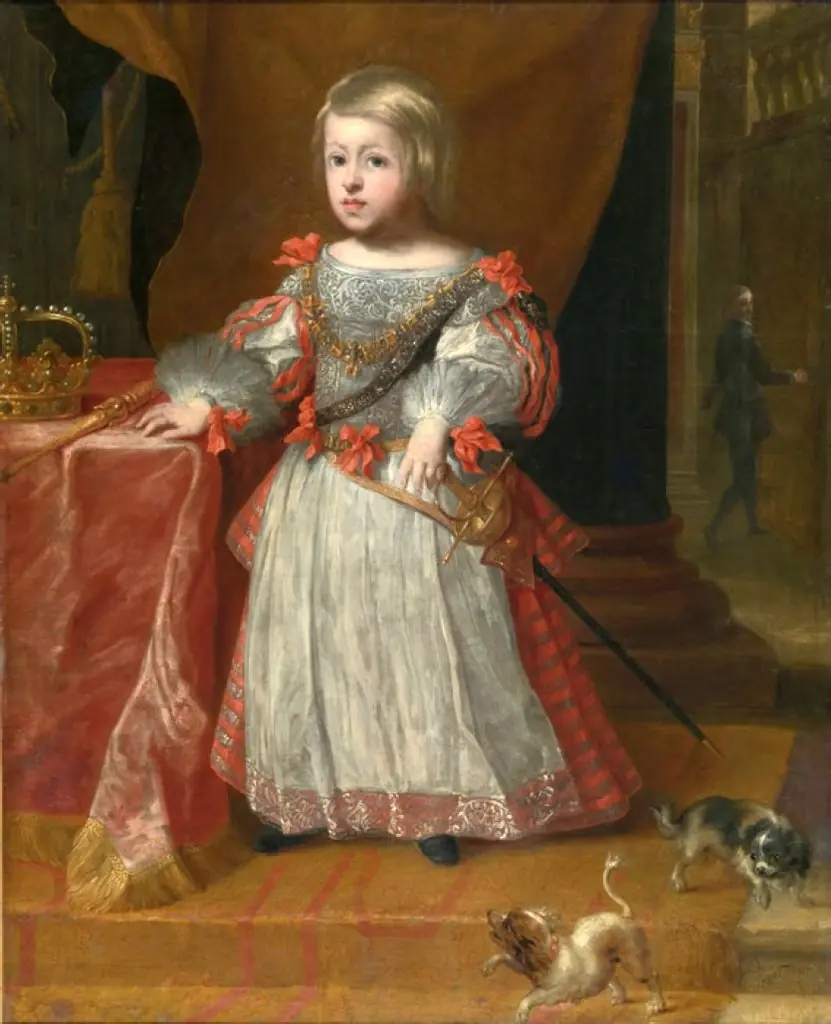 Childhood portrait of Charles II of Spain
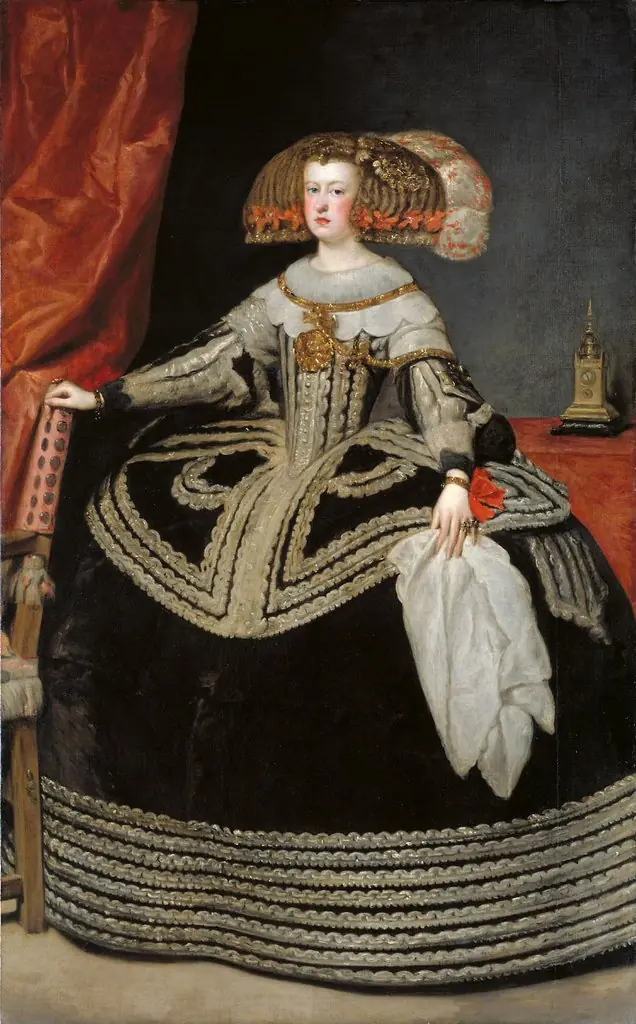 Maria Anna, Queen of Spain
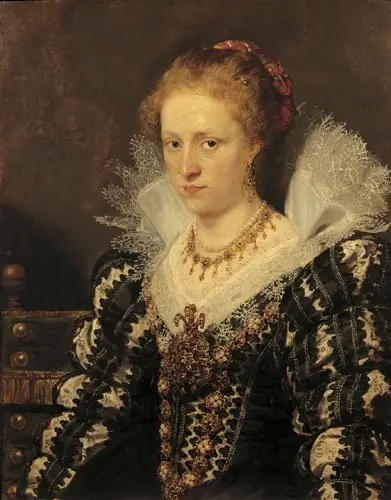 Portrait of Jacqueline van Caestre, wife of Jean Charles de Cordes
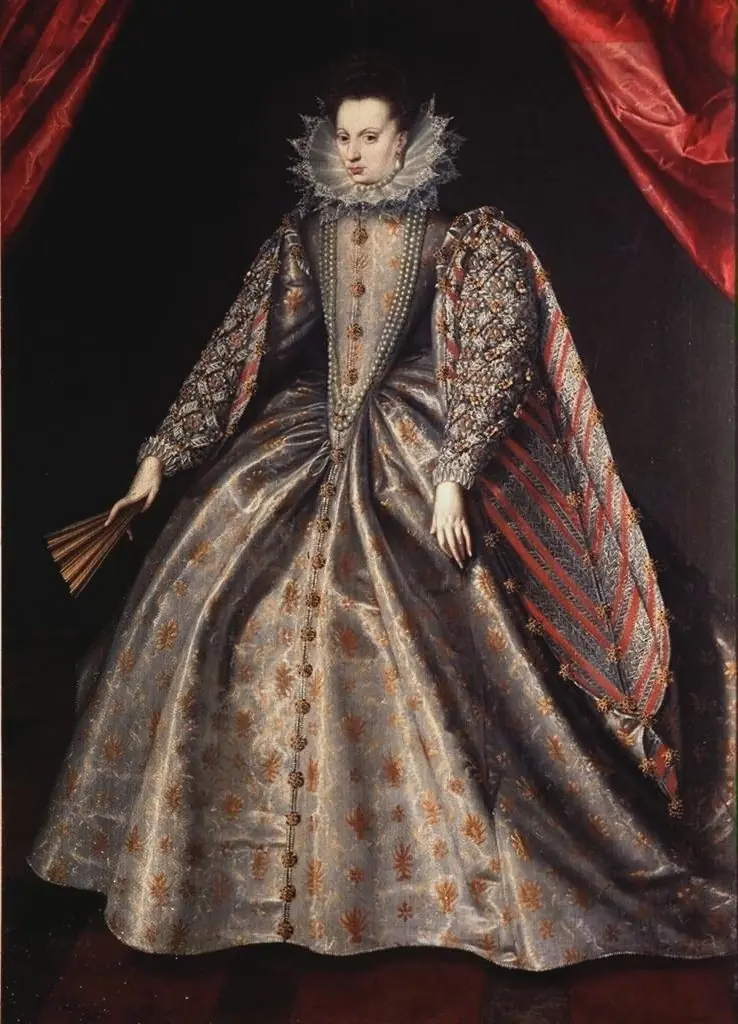 Elisabeth Renata von Lothringen
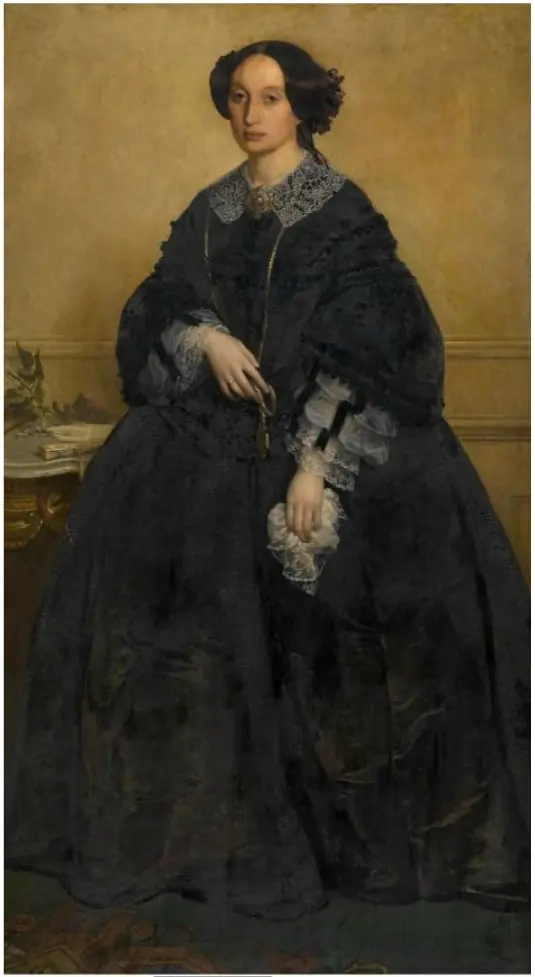 Mrs. Henri Leys-Van Haren