Artwork
Portrait of Jacqueline van Caestre, wife of Jean Charles de Cordes
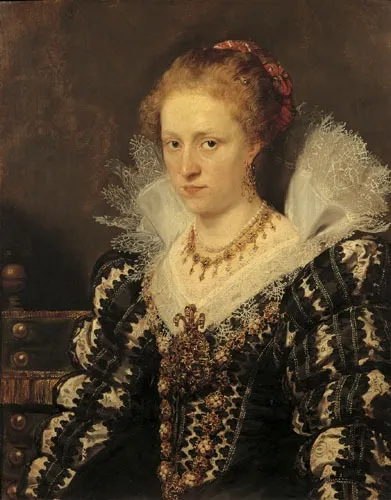
Portrait of Jacqueline van Caestre, wife of Jean Charles de Cordes is an oil painting by the Flemish Baroque painting artist Peter Paul Rubens. It dates from 1618 and is held in the collection of the Royal Museums of Fine Arts of Belgium.
About this work
Overview
Executed during Rubens’s mature period, the work exemplifies his ability to blend personal intimacy with aristocratic elegance.
Painted in 1618 by Peter Paul Rubens, this oil portrait captures Jacqueline van Caestre, the wife of Jean Charles de Cordes. Executed during Rubens’s mature period, the work exemplifies his ability to blend personal intimacy with aristocratic elegance. Though a private commission, it reflects the artistic priorities of early 17th-century Flanders, where portraiture served both social and symbolic functions within elite circles.
Subject & Meaning
Jacqueline van Caestre is depicted in formal attire, her posture composed and gaze direct, suggesting dignity and social standing. The inclusion of fine textiles—lace, gold embroidery, and a jeweled necklace—signals wealth and marital connection to the Cordes family. The restrained palette and focused composition emphasize her presence without narrative distraction, aligning with the portrait’s role as a marker of identity and status rather than a story.
Technique & Style
Rubens employs richly layered oil paint to render textures with precision: the sheen of silk, the delicacy of lace, and the warmth of skin. His brushwork varies from smooth transitions in the face to looser strokes in the background, creating depth and focus. The dark, neutral backdrop isolates the figure, heightening the luminosity of her garments and the subtle glow of her complexion, characteristic of his approach to portraiture.
History & Provenance
The painting remained within the Cordes family until entering the Royal Museums of Fine Arts of Belgium’s collection. Its documented provenance traces back to its commission in 1618, with no evidence of significant alterations or reworkings. It has been consistently attributed to Rubens since the 19th century, supported by stylistic analysis and archival records linking it to his Antwerp workshop.
Context
In early 17th-century Antwerp, portraiture among the merchant and noble classes often combined personal likeness with displays of affluence and moral virtue. Rubens, though famed for grand religious and mythological works, regularly accepted private commissions. This portrait aligns with contemporary trends favoring lifelike representation and refined detail, reflecting the city’s thriving artistic economy and the sitter’s social aspirations.
Legacy
The portrait stands as a representative example of Rubens’s skill in capturing individual character within the conventions of aristocratic portraiture. While less celebrated than his mythological scenes, it contributes to understanding how his techniques adapted to intimate subjects. It remains a key reference in studies of Flemish elite culture and the evolution of Baroque portraiture beyond religious themes.
Artist & collection
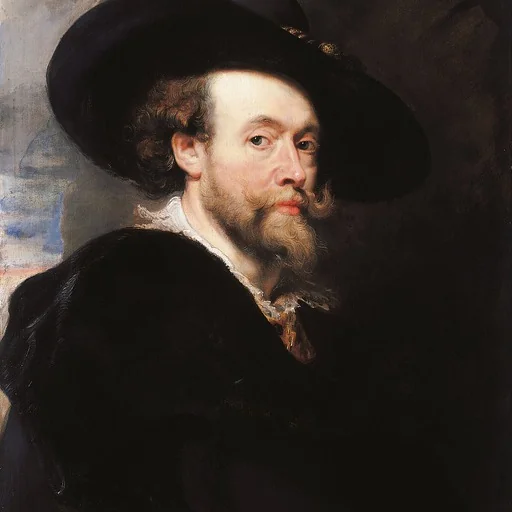
Artist
Sir Peter Paul Rubens ( ROO-bənz; Dutch: ; 28 June 1577 – 30 May 1640) was a Flemish artist and diplomat.

Museum
Royal Museums of Fine Arts of Belgium
Continue through works from the same source collection.
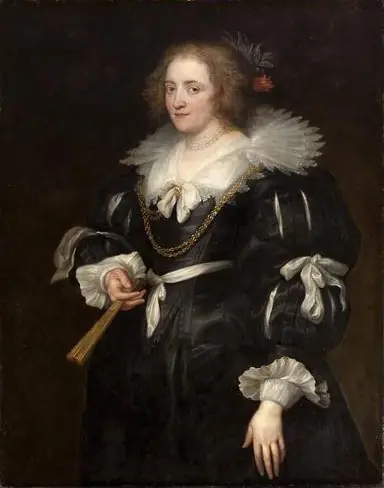 Portrait of Amalia of Solms-Braunfels
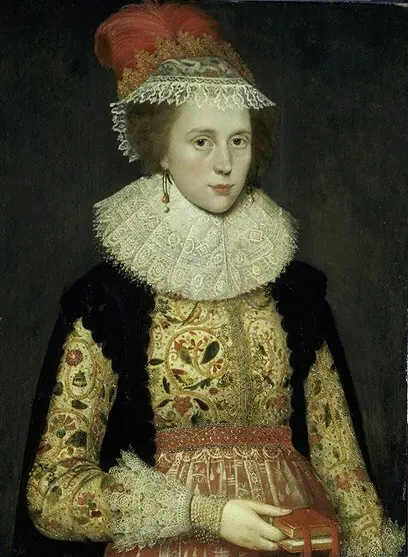 Margaret Layton
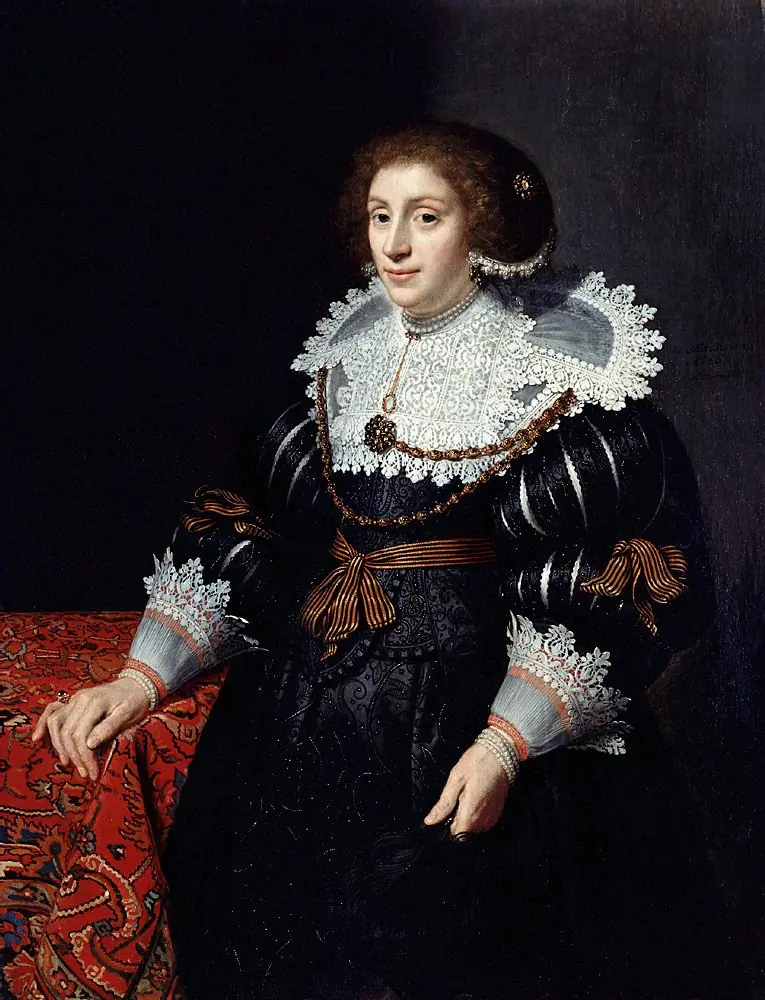 Portrait of a Woman
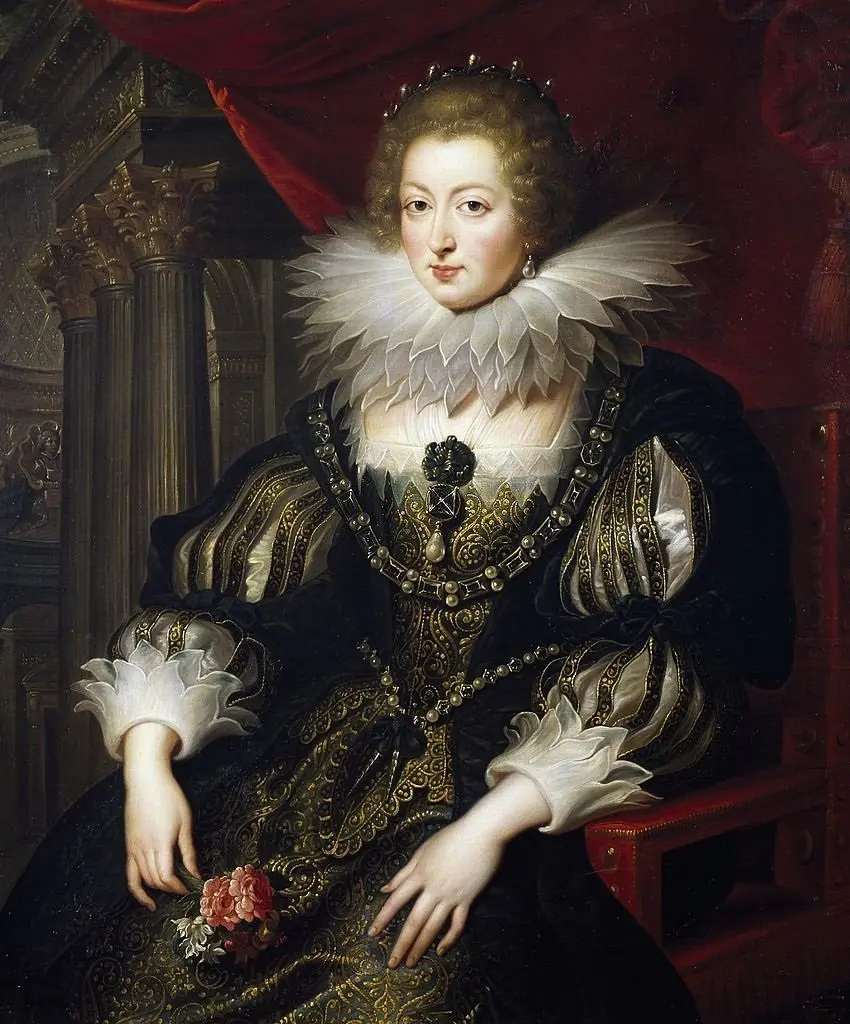 Portrait of Anne of Austria, Queen of France (1601-1666)
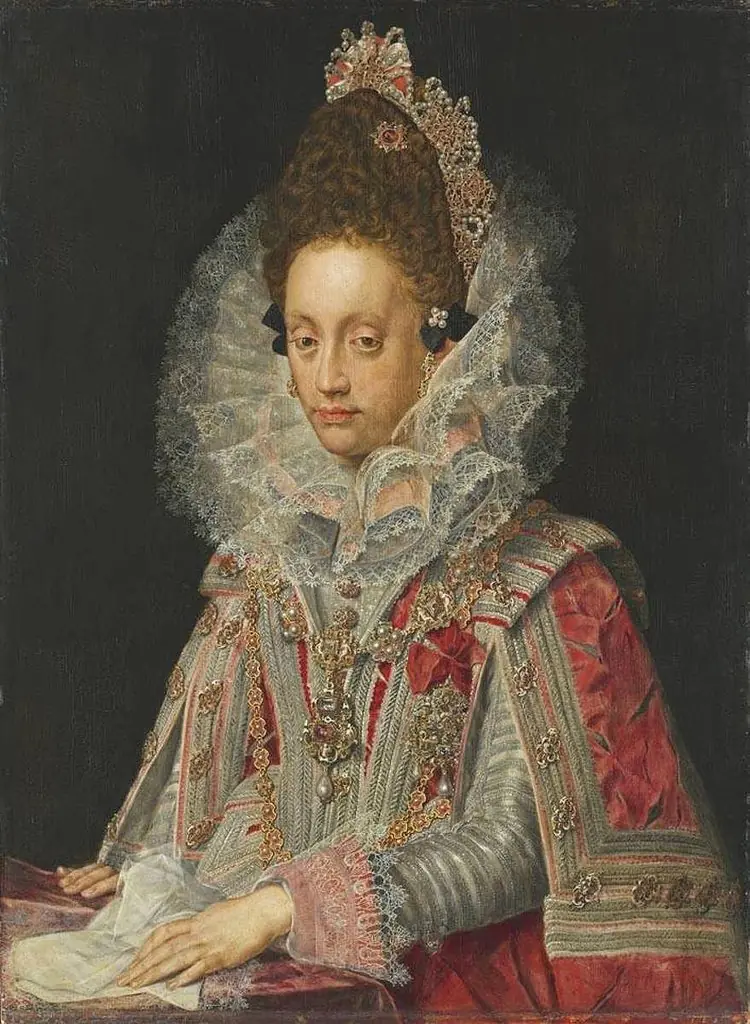 Bildnis der Herzogin Magdalena von Bayern, Gemahlin Herzog Wolfgang Wilhelms von Pfalz-Neuburg, im Hochzeitsstaat (1597-1628)
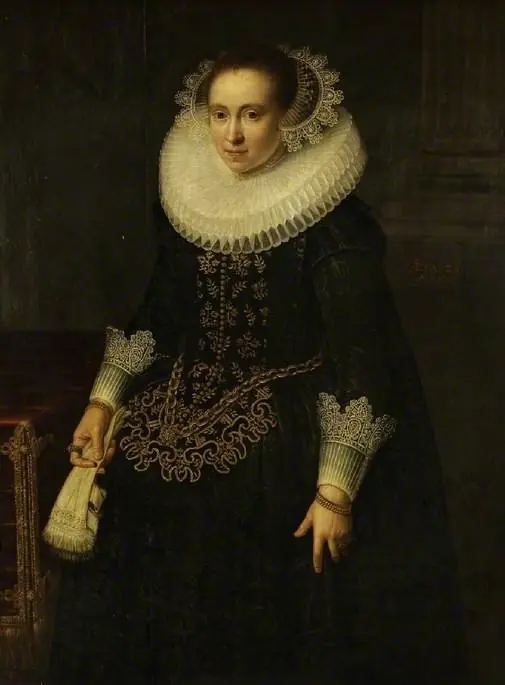 A lady
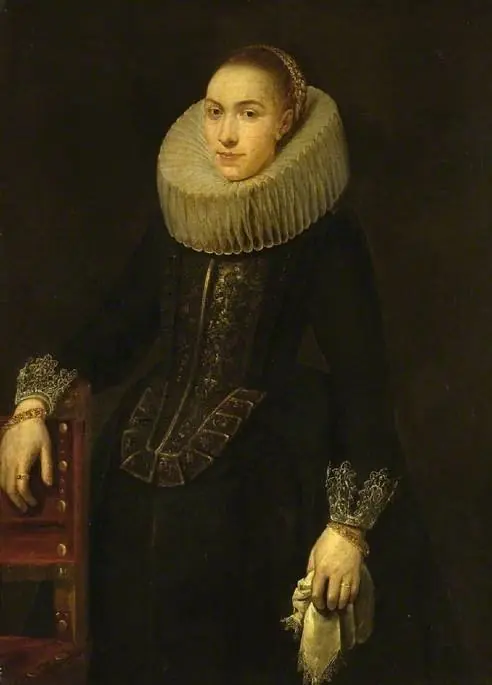 Portrait of a woman
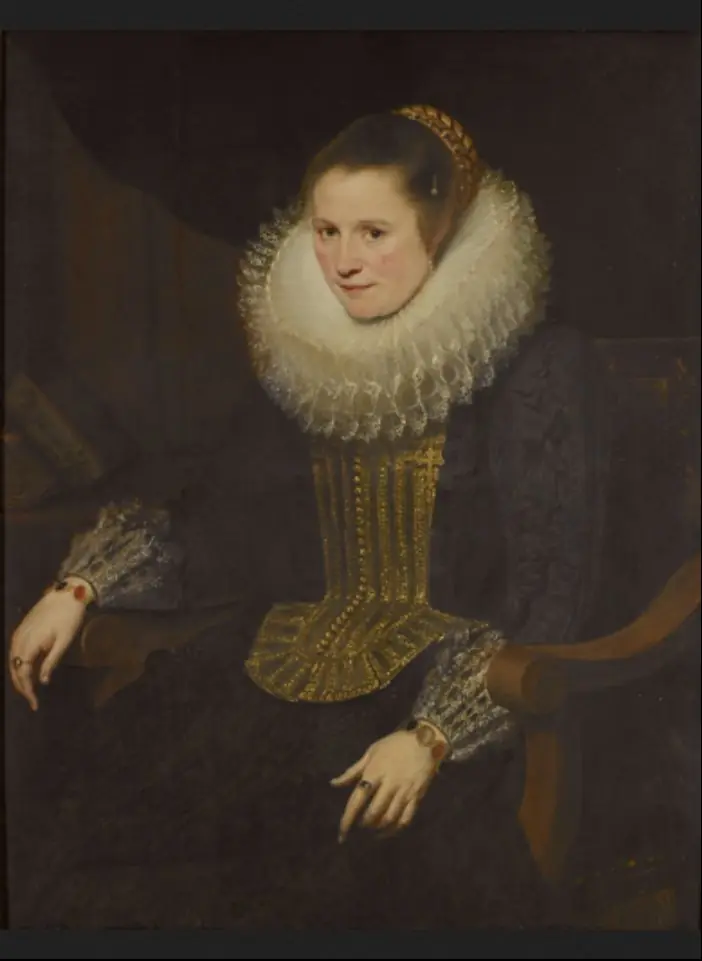 Portrait of Anna Fredericx, wife of Jan Roose
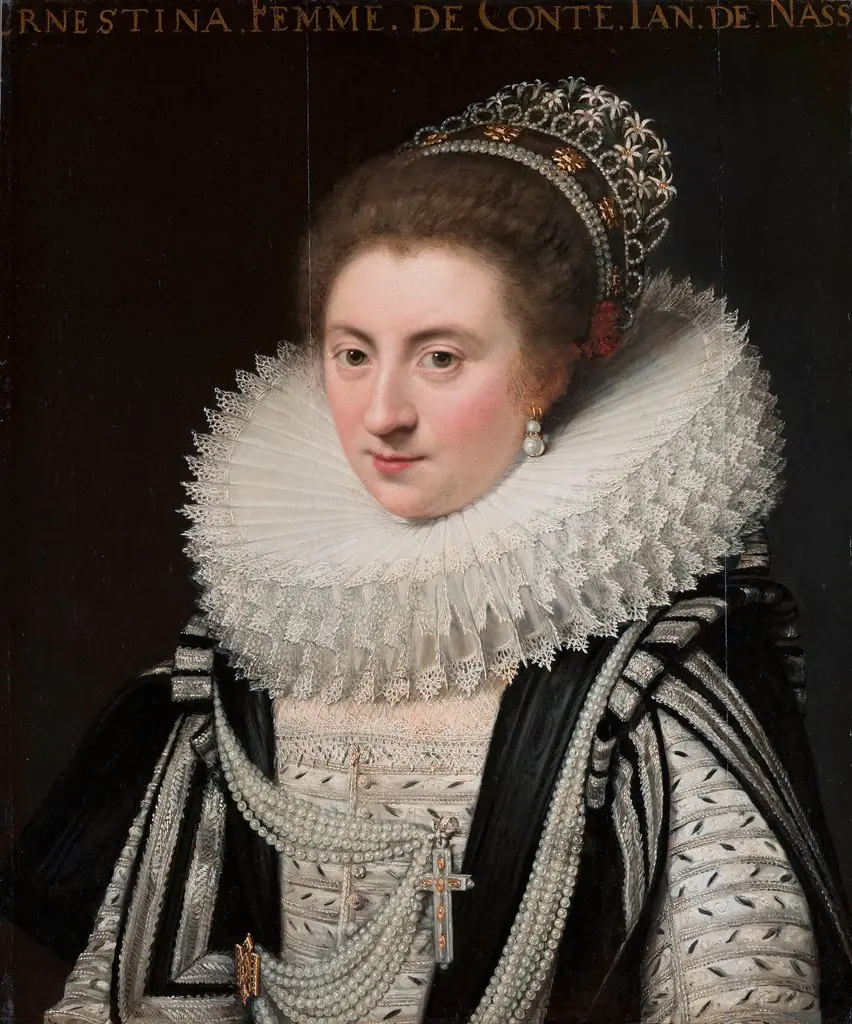 Portrait of Ernestine Yolande (1594-1663), Princess of Ligne
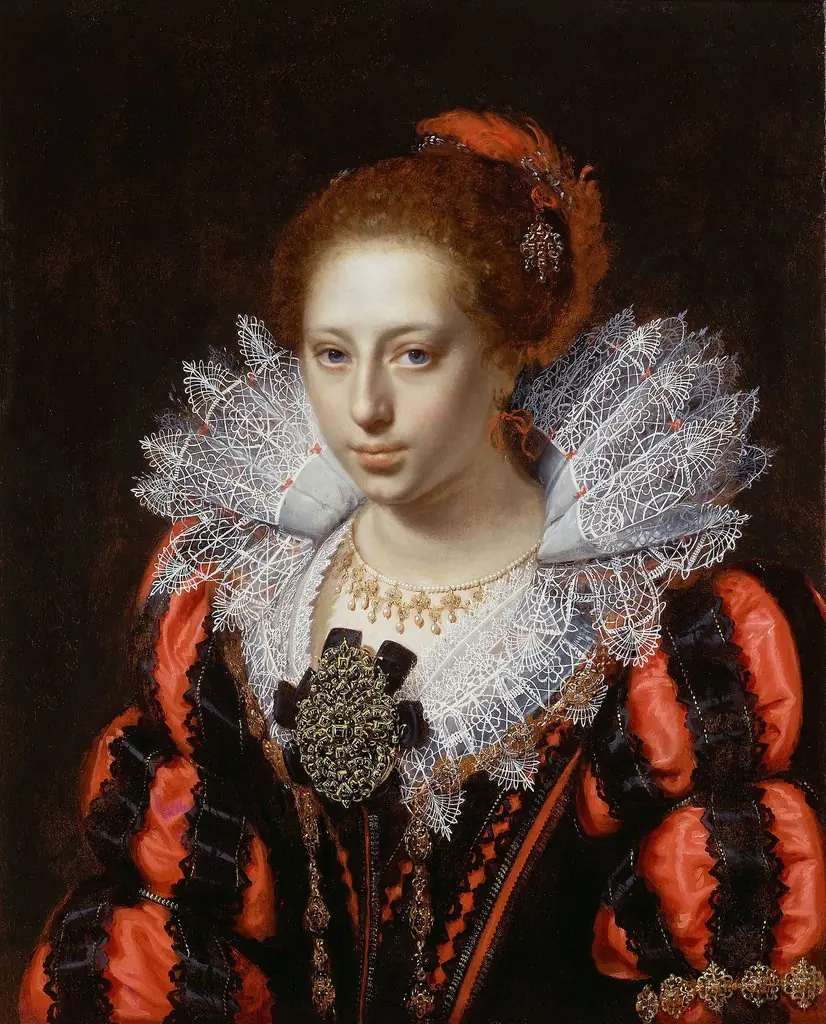 Portrait of a Young Lady