Artwork
Infanta Maria Theresa
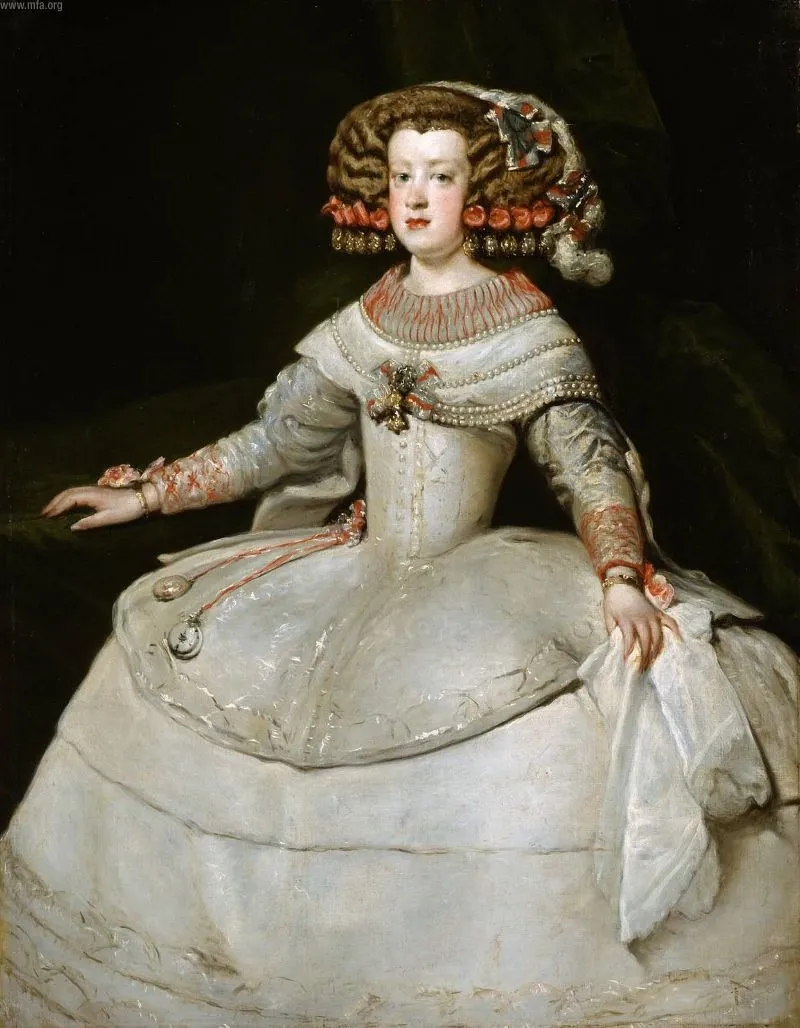
Infanta Maria Theresa is an oil painting by the Early Baroque Italian artist Unknown. It dates from 1653 and is held in the collection of the Museum of Fine Arts Boston. The painting portrays a young aristocratic woman seated upright on an elevated chair, her hands resting on the armrests.
About this work
Overview
The painting portrays a young aristocratic woman seated upright on an elevated chair, her hands resting on the armrests. She is dressed in an elaborate white gown adorned with ruffles, pearls, and orange‑trimmed sleeves. Her hair is arranged in a high, curled coiffure accented with ribbons, and her expression is solemn. The figure is set against a dark backdrop that isolates her form.
Subject & Meaning
The sitter is identified as Infanta Maria Theresa, a member of the Spanish royal family, depicted in a formal pose that emphasizes her status and decorum. The solemn gaze and restrained posture reflect the conventions of royal portraiture, where dignity and lineage are foregrounded over personal intimacy.
Technique & Style
The artist employs a pronounced chiaroscuro, using strong contrasts between illuminated fabrics and the surrounding gloom to model the figure in three dimensions. Careful rendering of light on the silk dress, pearls, and skin creates a tactile sense of texture, while the dark background serves to focus attention on the subject’s attire and facial features.
History & Provenance
Executed in oil on canvas, the work belongs to a series of court portraits commissioned during the 17th century to document members of the Spanish monarchy. Its provenance traces through several royal collections before entering a public museum, where it remains a reference for studies of baroque portraiture.
Context
The portrait aligns with the broader baroque trend of emphasizing drama through light and shadow, a technique popularized by artists such as Caravaggio. It also reflects the Spanish court’s preference for sober yet richly detailed representations of its heirs, balancing opulence with the era’s moral expectations.
Artist & collection

 Domestic Scene
 Giacomo and Cardinal Marco, investing Andrea, Abbot of San Zeno, with his Benefice
 The Nymph of Fontainebleau
 Portrait of a Woman
 Madonna and Child with Saints in the Enclosed Garden
 Venus and Minerva
 Family Group of Four on Sofa
 Wall painting from Room H of the Villa of P. Fannius Synistor at Boscoreale
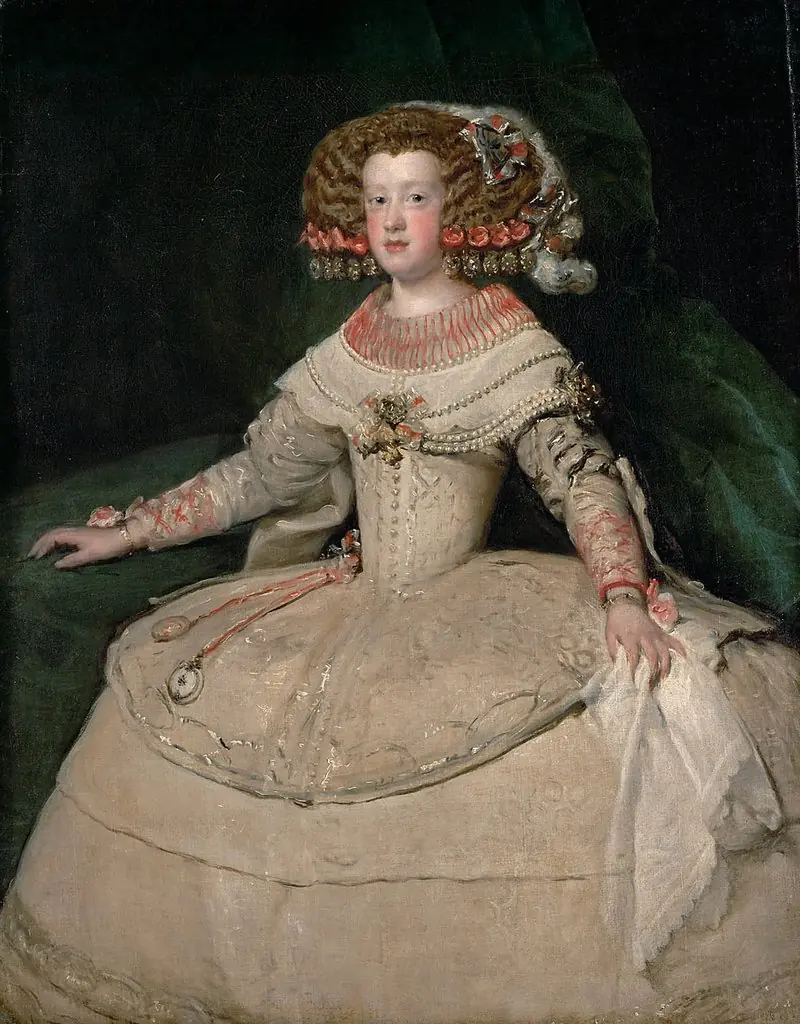 Portrait of the Infanta Maria Theresa of Spain
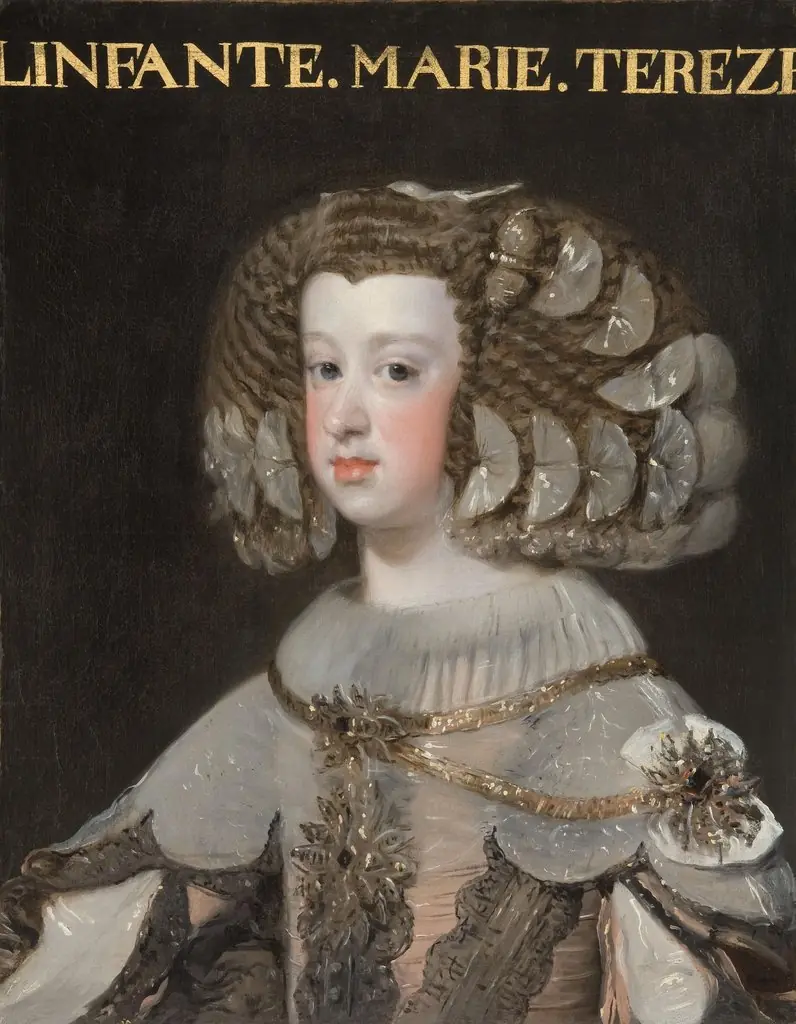 Portrait of the Infanta Maria Teresa
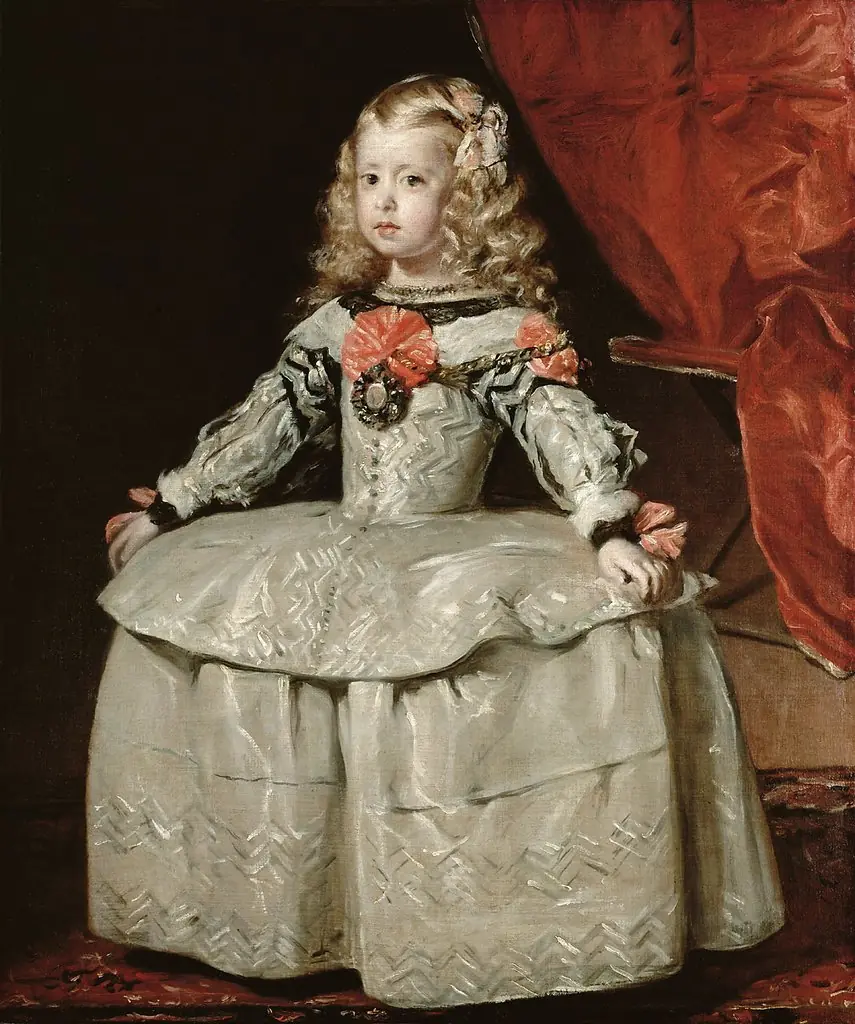 Infanta Margaret Theresa in a White and Silver Dress
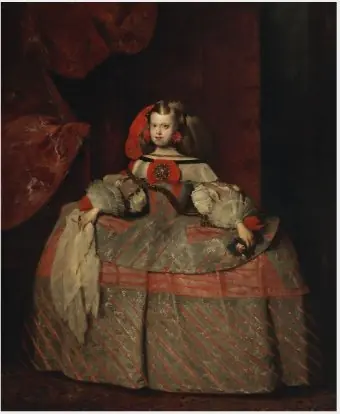 The Infanta Margarita
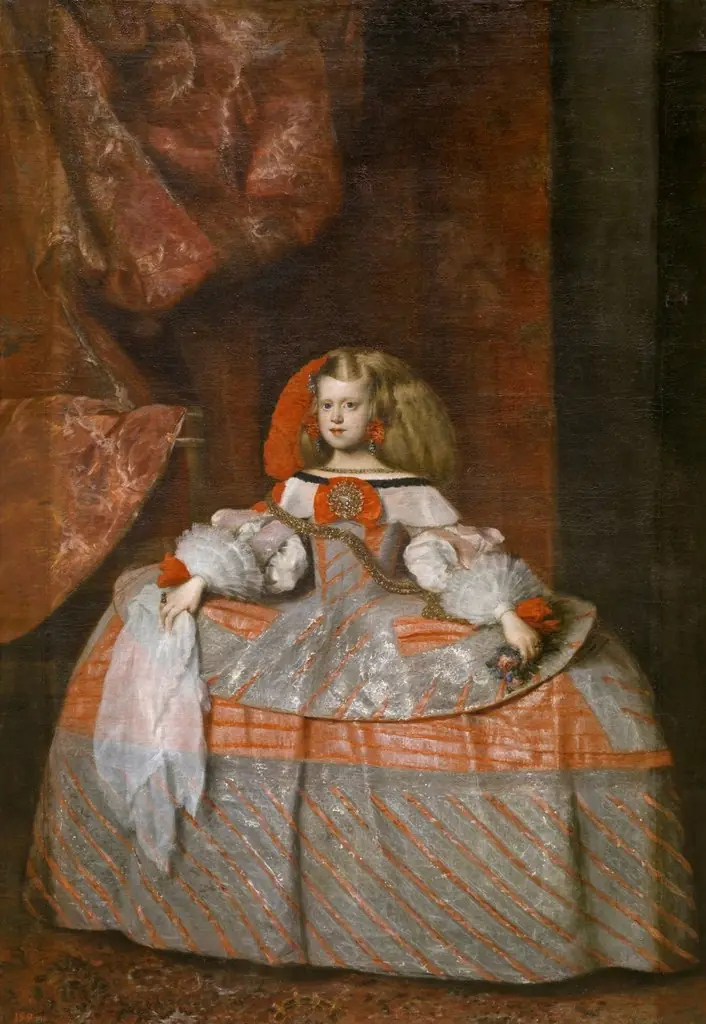 Infanta Margarita Teresa in a Pink Dress
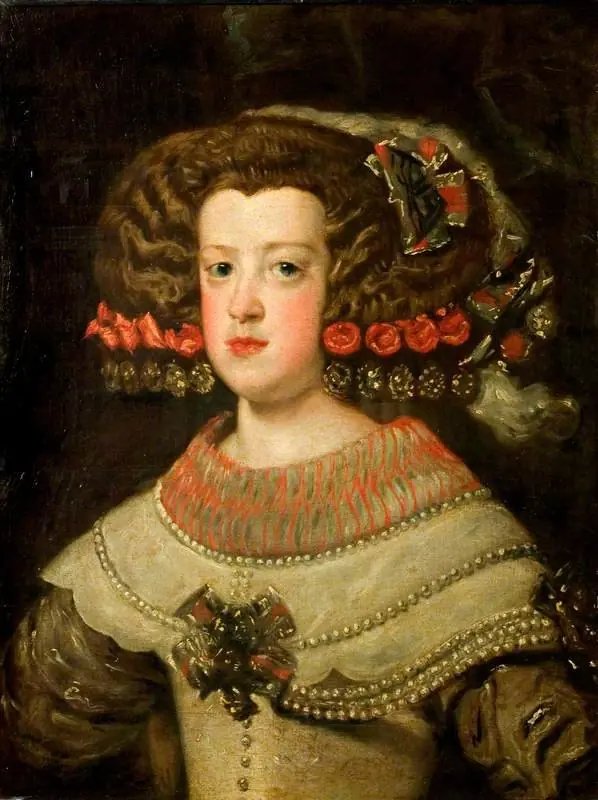 The Infanta Maria Teresa (1638–1683)
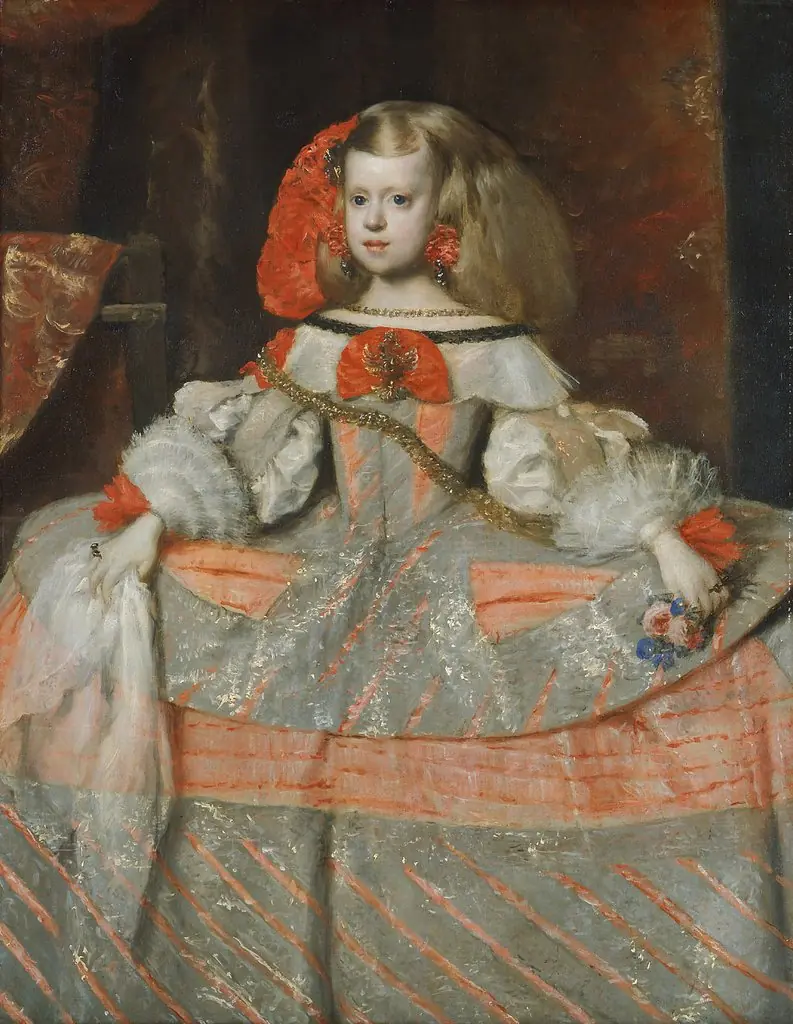 Infanta Margarita Teresa (1651-1673)
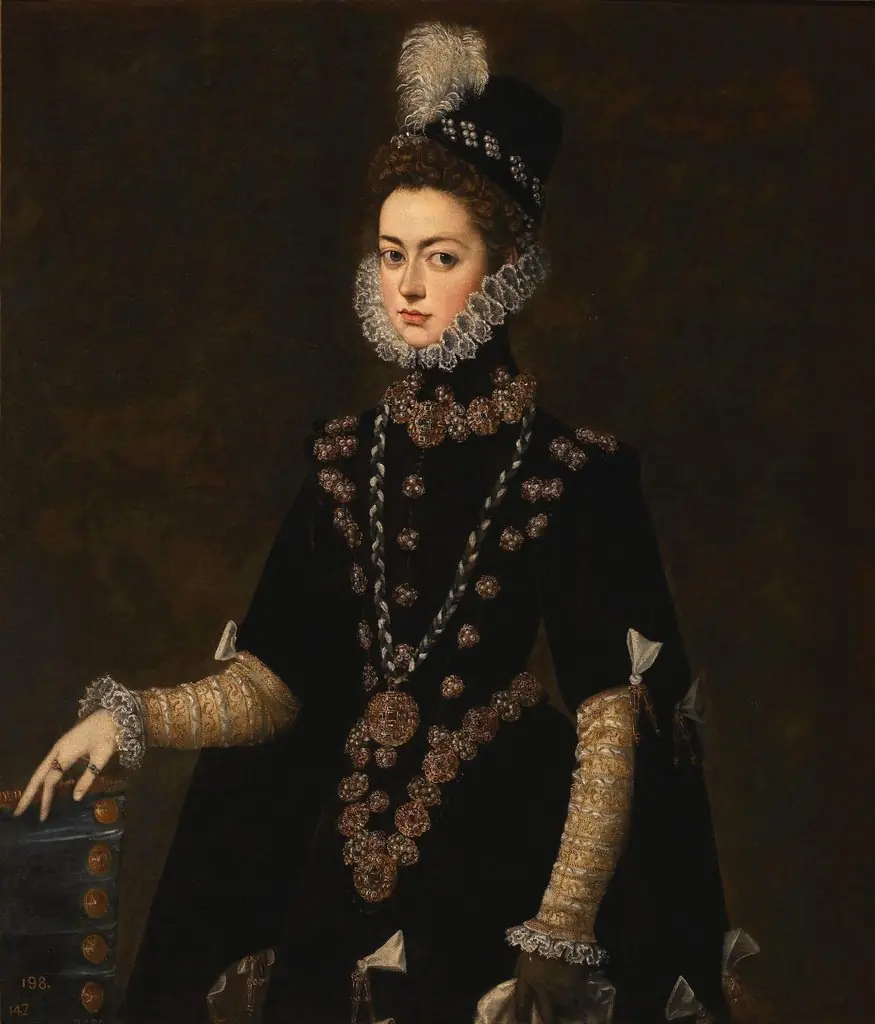 The Infanta Catalina Micaela
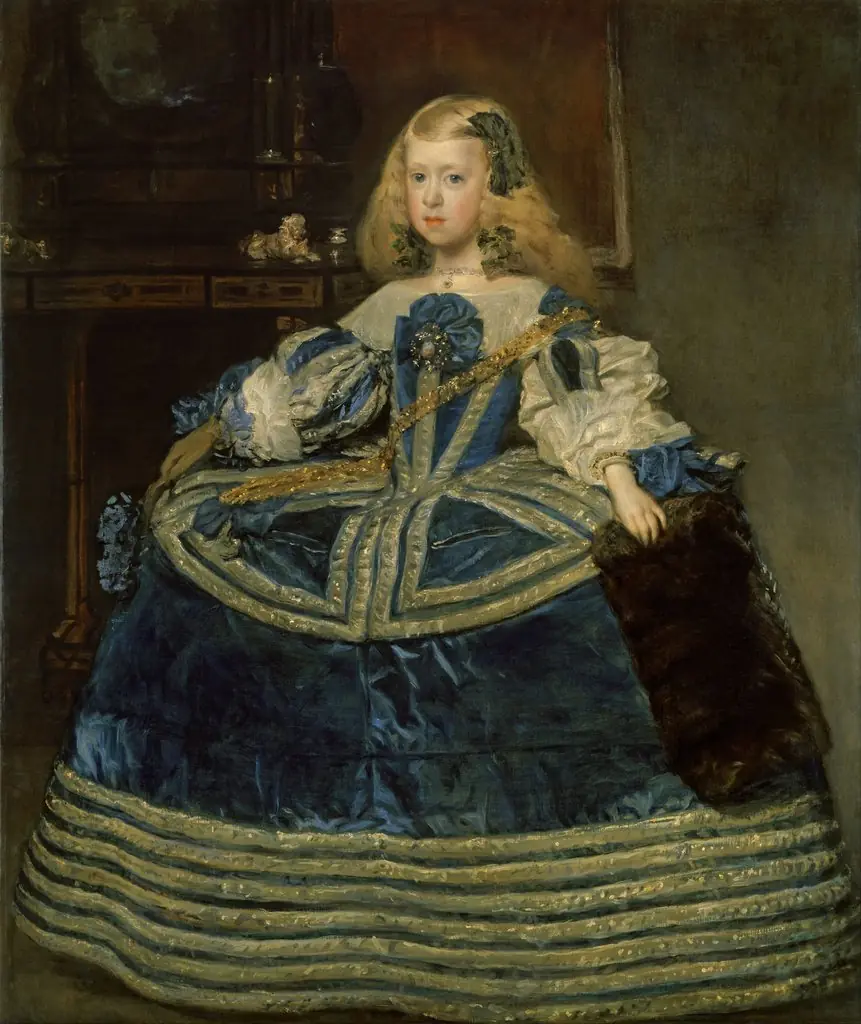 Infanta Margarita Teresa in a Blue Dress