Artwork
The Waterseller of Seville
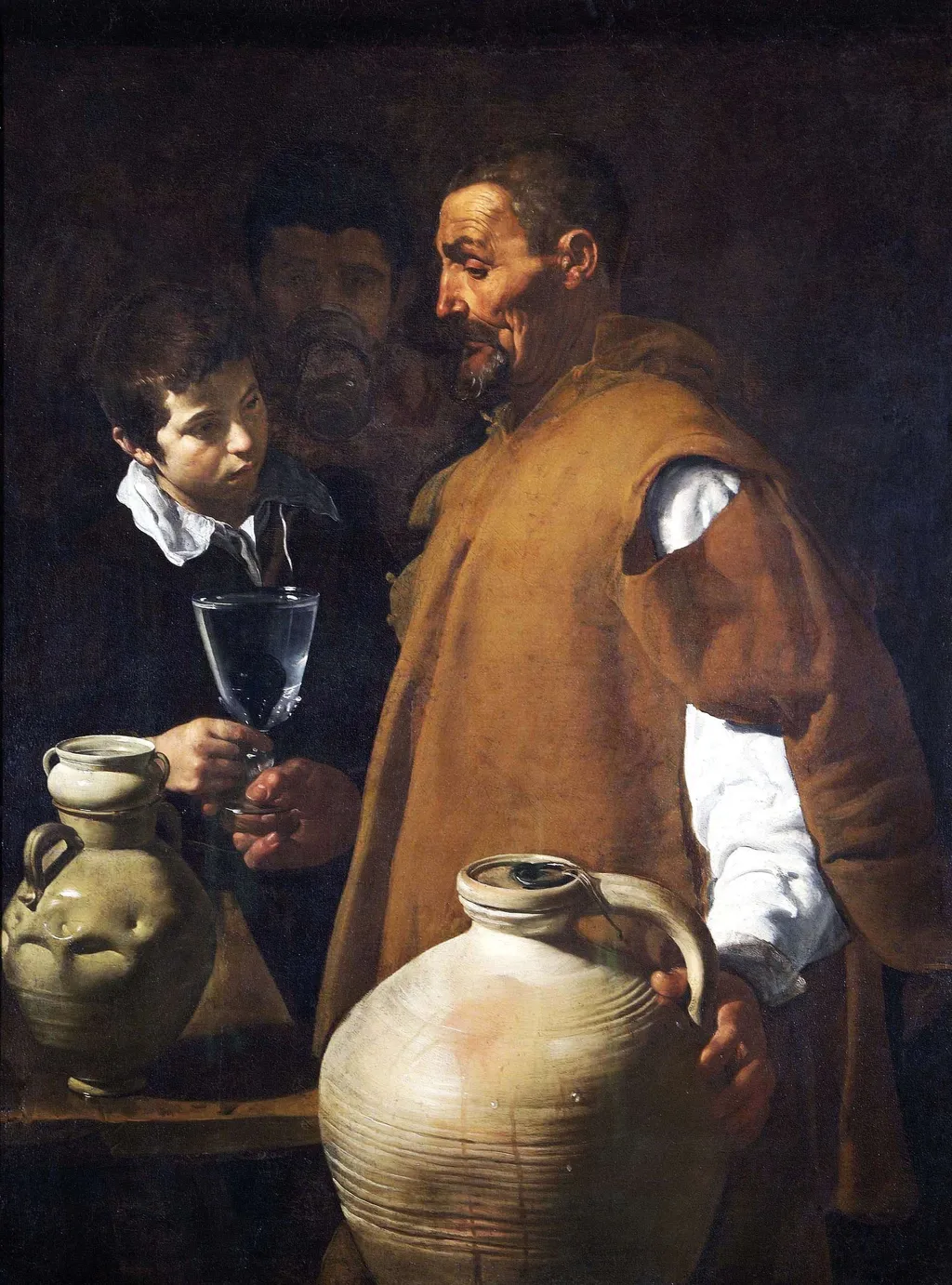
The Waterseller of Seville is an oil painting by the Baroque artist Diego Velázquez. It dates from 1620 and is held in the collection of the Victoria and Albert Museum.
About this work
The Waterseller of Seville is an oil painting by the Spanish artist Diego Velázquez, created around 1620.
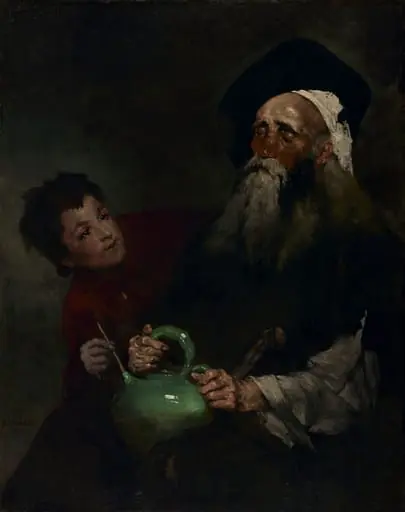
The Waterseller of Seville is an oil painting by the Spanish artist Diego Velázquez, created around 1620. It belongs to his early Seville period, when he was still in his late teens or early twenties. The work shows an older man offering water to a young boy, while a bystander stands in the background; none of the figures make eye contact with each other or with the viewer. For a closer look at the artist’s early style, check out the museum: Victoria and Albert Museum.
Overview
Diego Velázquez produced three versions of The Waterseller of Seville between 1618 and 1622, during his early Seville period. The earliest and most frequently cited version is an oil on canvas that measures roughly 70 × 55 cm and is now part of the Wellington Collection at Apsley House in London. It exemplifies the young artist’s engagement with everyday street scenes.
Subject & Meaning
The composition presents an elderly water‑seller extending a glass of water to a small boy, while a third figure lingers in the background. None of the characters meet each other’s gaze or address the viewer, creating a quiet, observational moment that underscores the routine of urban commerce in 17th‑century Seville.
Technique & Style
Executed in oil, the painting displays Velázquez’s early handling of light and texture: the transparent quality of the water, the worn cloth of the seller’s apron, and the subtle chiaroscuro that models the figures against a muted interior. The brushwork is restrained, yet attentive to the tactile surfaces of the objects.
History & Provenance
The original canvas entered the British royal collection in the early 19th century as part of the Wellington Collection, bequeathed to Apsley House. The other two versions, completed later in the 1620s, remain in private hands and have been exhibited intermittently, illustrating the artist’s practice of revisiting a single motif.
Context
Created while Velázquez was still a teenager or in his early twenties, the work reflects the influence of Flemish genre painters and the burgeoning realism of Spanish Baroque. It aligns with his broader interest in depicting the lower classes of Seville, a city then thriving on trade and marked by stark social contrasts.
Own this work as a print
Artist & collection
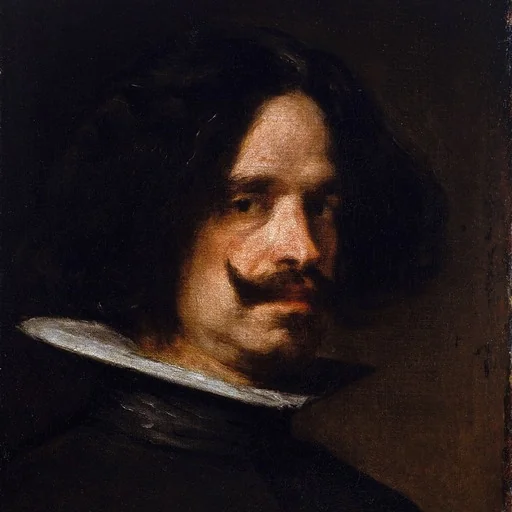
Artist
Diego Rodríguez de Silva y Velázquez was a Spanish Baroque painter, the leading artist in the court of King Philip IV of Spain and Portugal, and of the Spanish Golden Age.