Artwork
The Prodigal Son Receiving his Portion
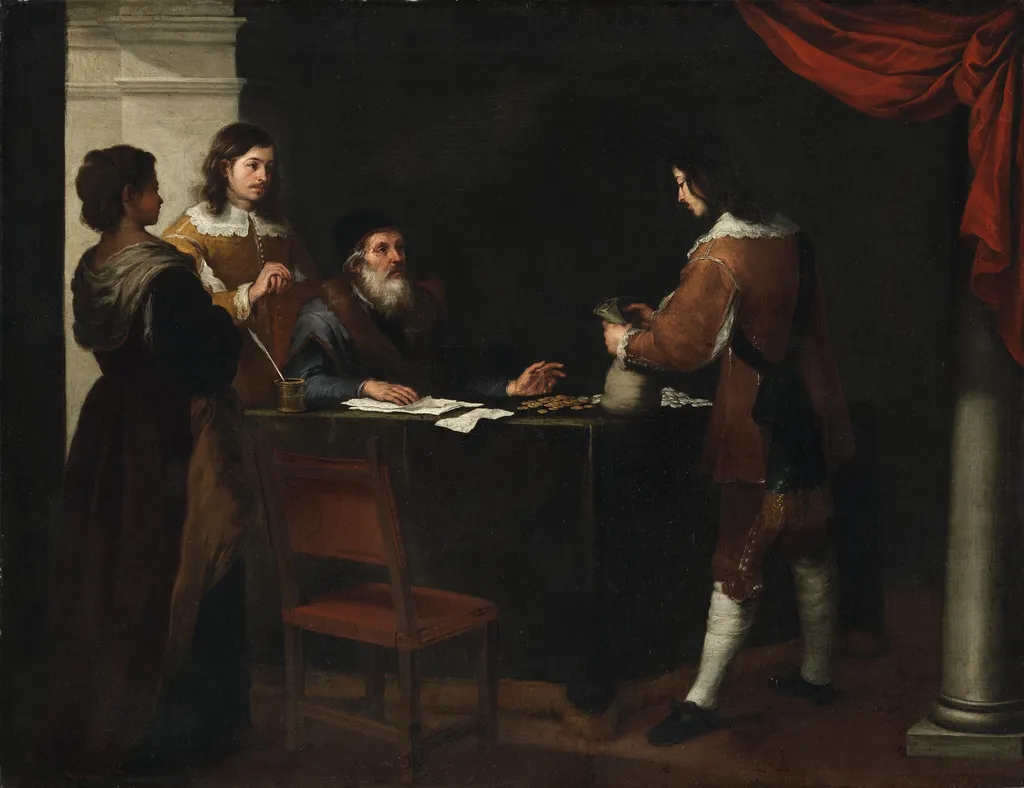
The Prodigal Son Receiving his Portion is an oil painting by the Spanish Baroque Tenebrist artist Bartolomé Esteban Murillo. It dates from 1660 and is held in the collection of the National Gallery of Ireland.
About this work
Overview
Bartolomé Esteban Murillo’s oil on canvas, dated 1660, portrays a moment from the biblical Parable of the Prodigal Son. The composition centers on a bearded elder seated at a table, flanked by two standing figures—one offering a purse of money, the other holding a quill. The scene is set against a dark interior illuminated by a single light source, creating a solemn atmosphere.
Subject & Meaning
The work captures the pivotal instant when the prodigal son receives his inheritance, a narrative about repentance and forgiveness. The elder’s attentive gaze toward the purse‑bearing figure underscores the transaction, while the quill‑holding onlooker suggests the recording of the deed, emphasizing themes of accountability and moral reckoning inherent in the parable.
Technique & Style
Brushwork is smooth in the illuminated areas, while the surrounding darkness is rendered with broader, softer strokes, typical of Spanish Baroque realism.
Murillo employs tenebrist chiaroscuro, contrasting deep shadows with a focused beam of light that models the figures’ faces and garments. The palette is restrained, dominated by muted blues, browns, and the stark white of a column that frames the left side. Brushwork is smooth in the illuminated areas, while the surrounding darkness is rendered with broader, softer strokes, typical of Spanish Baroque realism.
History & Provenance
Created in the mid‑17th century, the painting entered the collection of the National Gallery of Ireland, where it remains on public display. Its provenance traces back to Spanish patrons who commissioned Murillo for religious subjects, later passing through private European collections before acquisition by the museum in the early 20th century.
Context
Murillo, a leading figure of the Spanish Baroque, was renowned for both devotional commissions and genre scenes of everyday life. This work reflects his capacity to blend narrative drama with intimate domestic settings, aligning with Counter‑Reformation aims to make biblical stories emotionally accessible to viewers through realistic, relatable portrayals.
Own this work as a print
Artist & collection
Artist
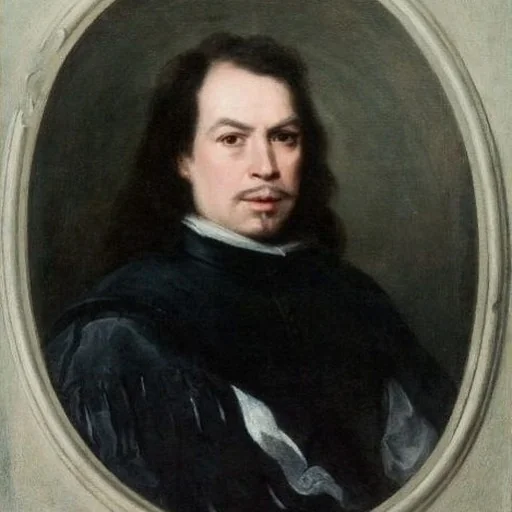
Bartolomé Esteban Murillo ( mure-IL-oh, m(y)uu-REE-oh, Spanish: ; late December 1617, baptised 1 January 1618 – 3 April 1682) was a Spanish Baroque painter.

 The Calling of Saint Matthew
 Evening Interior
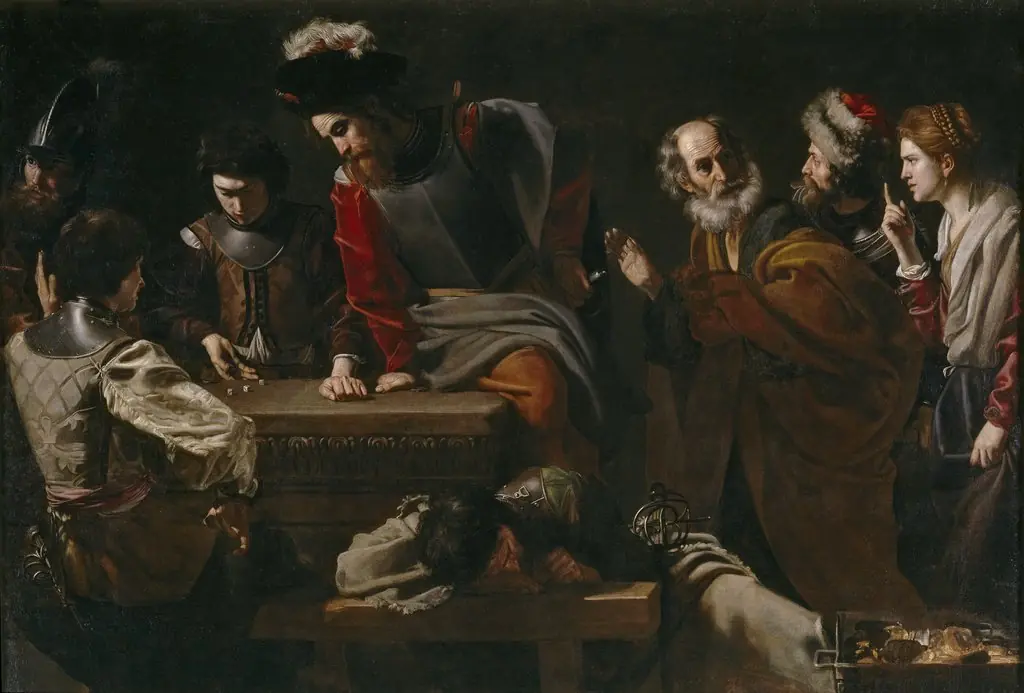 The Denial of Saint Peter
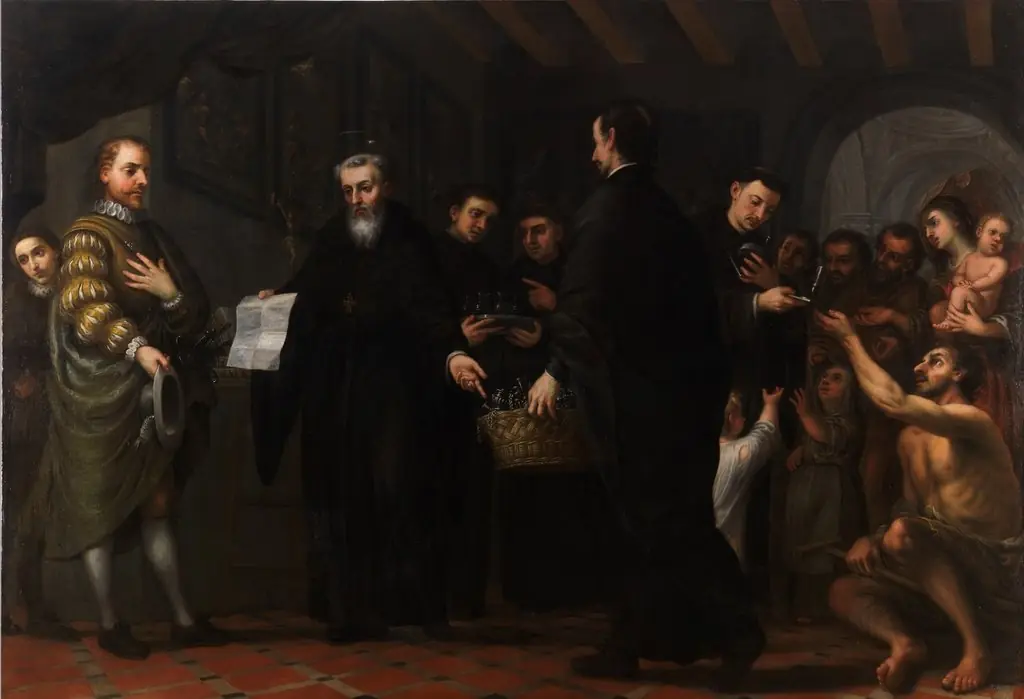 San Agustín repartiendo los bienes de los ricos entre los pobres
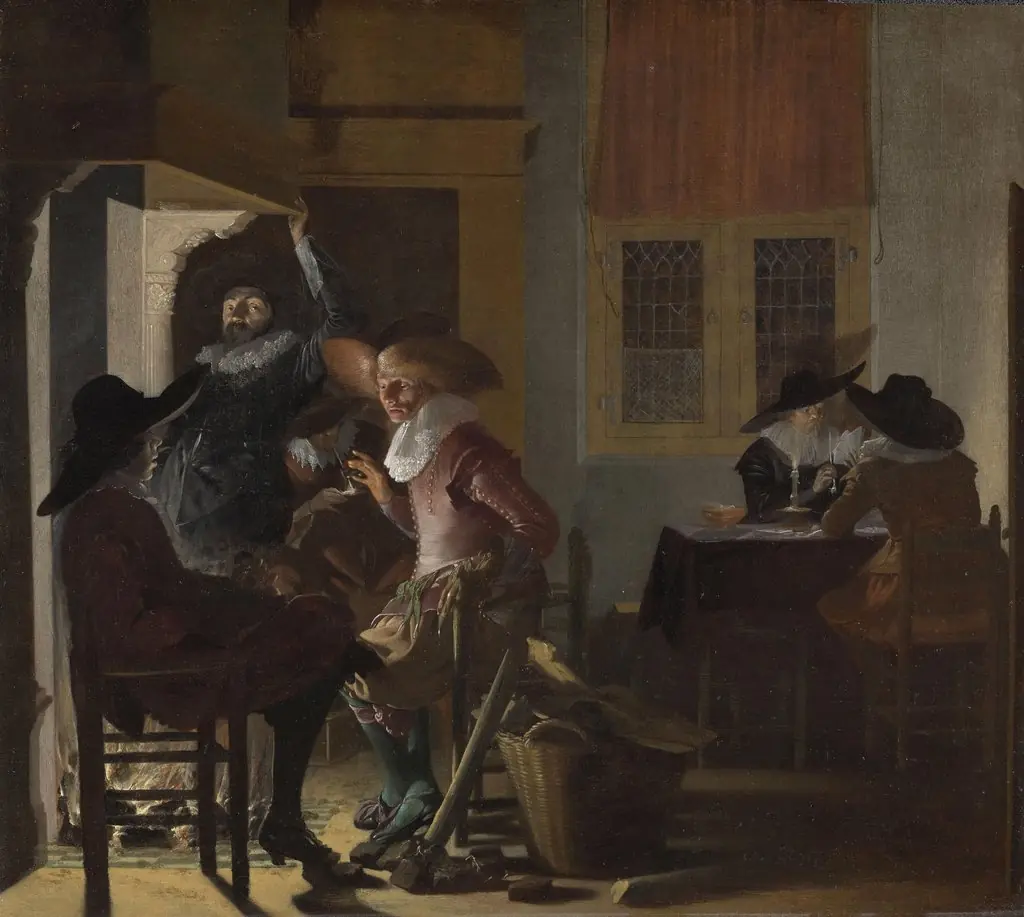 Soldiers beside a Fireplace
 Untitled
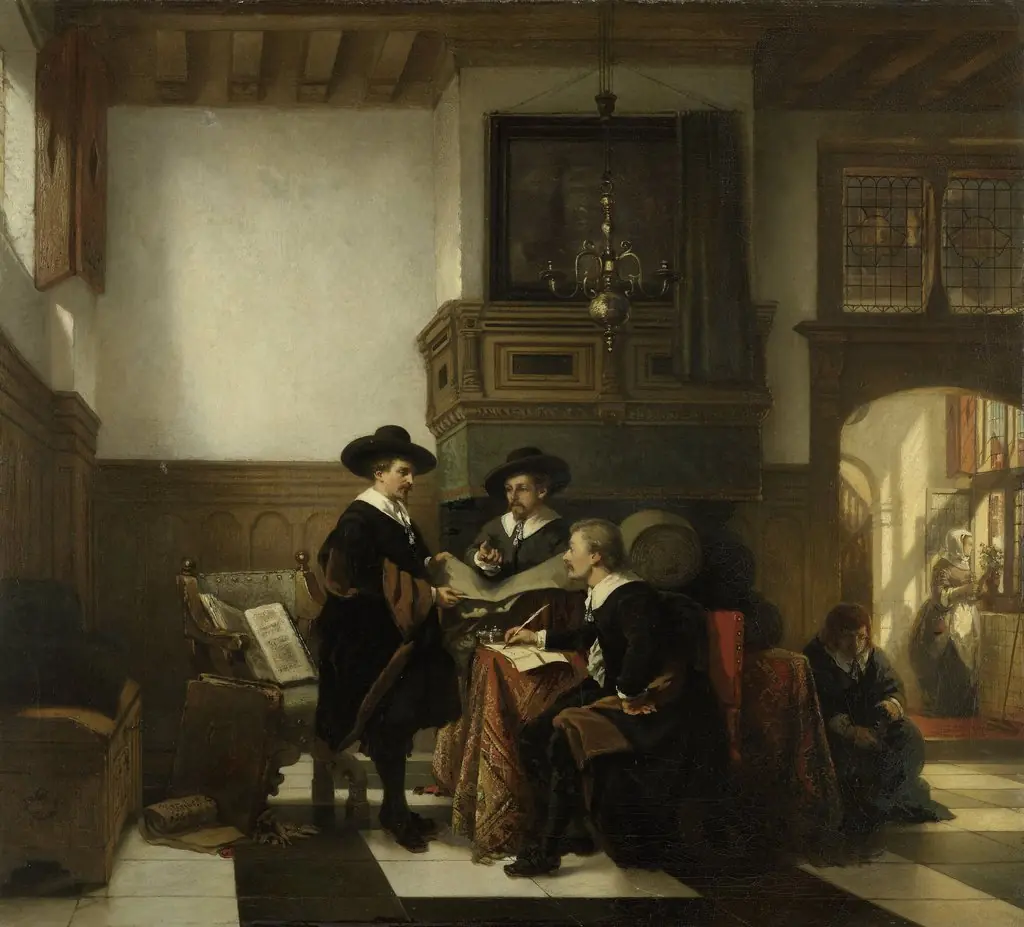 Syndics of the Leiden
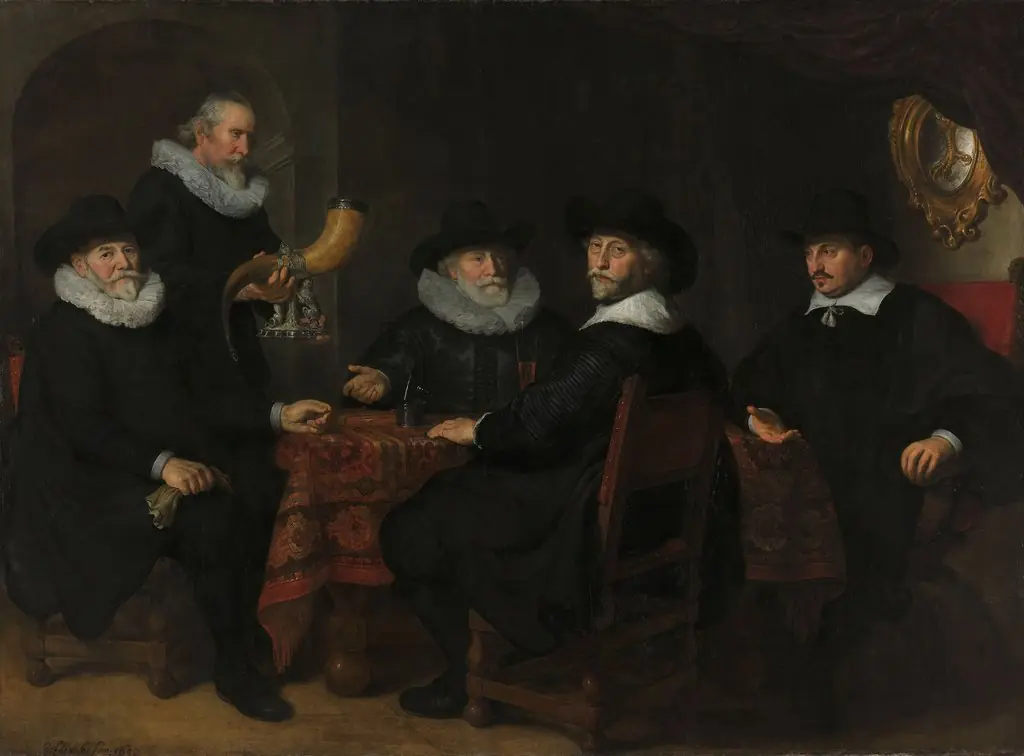 Four directors of the arquebusier's guild, Amsterdam, 1642
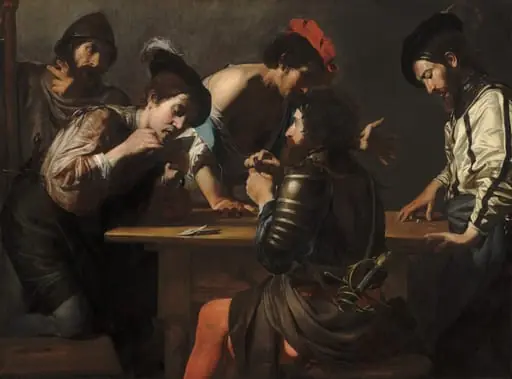 Soldiers Playing Cards and Dice (The Cheats)
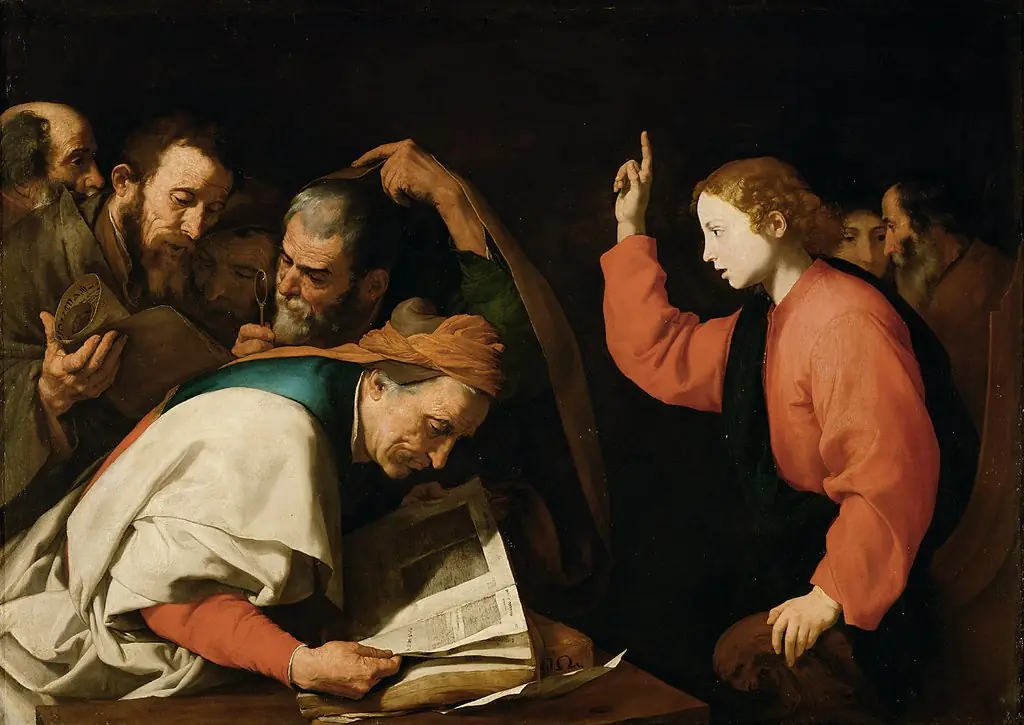 Jesus among the Doctors
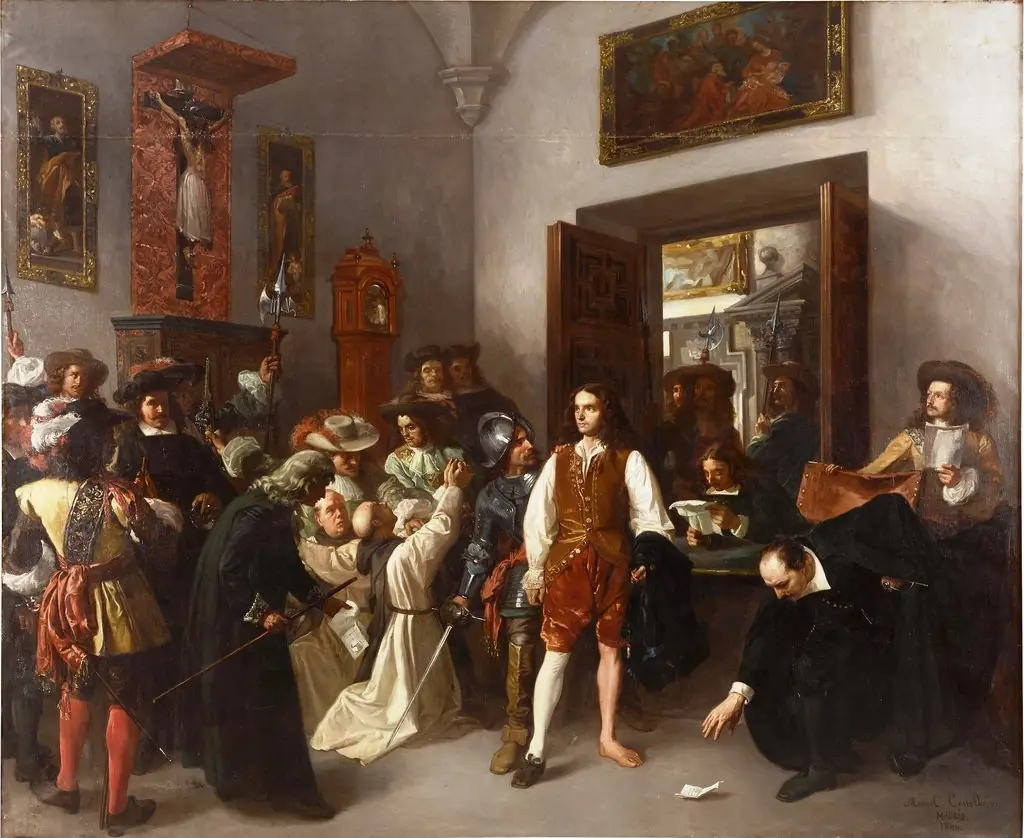 Prisión de don Fernando de Valenzuela
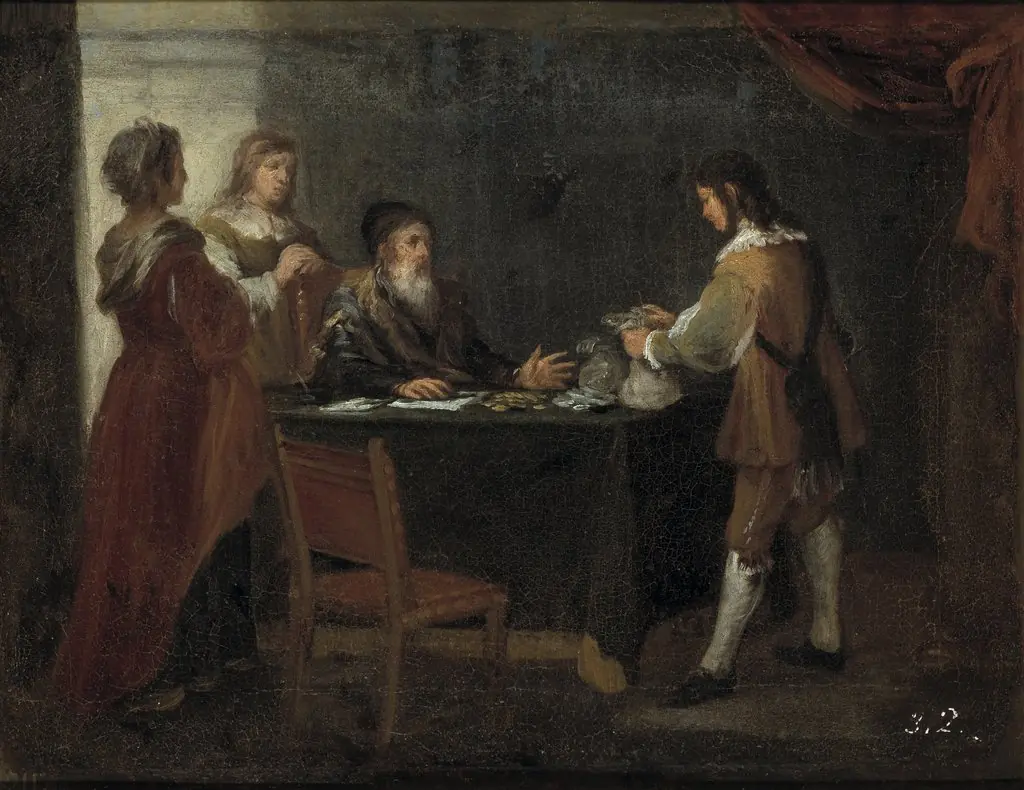 The Prodigal Son receiving his Inheritance