Artwork
Moses and the Burning Bush, with Moses Removing His Shoes
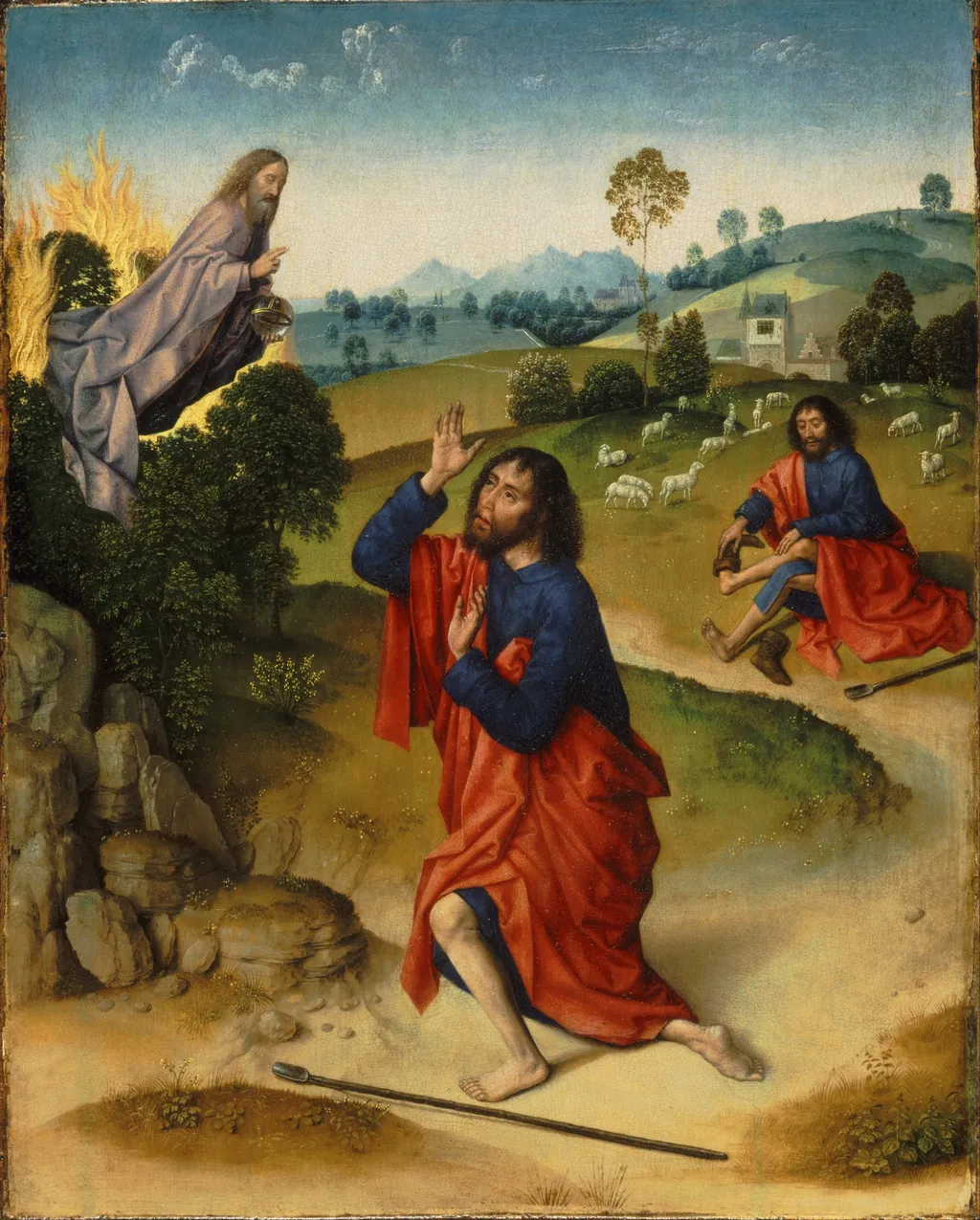
Moses and the Burning Bush, with Moses Removing His Shoes is an oil painting by the Northern Renaissance artist Dieric Bouts. It dates from 1465 and is held in the collection of the Philadelphia Museum of Art.
About this work
Overview
The scene illustrates Moses’ encounter with the divine at the burning bush, rendered with meticulous detail and spatial coherence.
Painted in 1465 by Dieric Bouts, this oil-on-panel work captures a moment from the Book of Exodus. Bouts, active in Leuven during the mid-15th century, was a leading figure in the Northern Renaissance. The scene illustrates Moses’ encounter with the divine at the burning bush, rendered with meticulous detail and spatial coherence. The painting is now part of the Philadelphia Museum of Art’s collection.
Subject & Meaning
Moses kneels in reverence before a bush ablaze but unconsumed, removing his sandals in recognition of holy ground. A shepherd nearby tends his flock, grounding the sacred event in daily life. The composition emphasizes humility and divine presence, aligning with contemporary devotional practices that encouraged personal contemplation of biblical moments as spiritually immediate experiences.
Technique & Style
Bouts employs oil paint to achieve fine gradations of light and texture, particularly in the folds of Moses’ garments and the subtle rendering of skin. The landscape recedes with a single vanishing point, a technique emerging in Northern art through the influence of van Eyck and van der Weyden. Atmospheric perspective and quiet, naturalistic lighting enhance the scene’s solemnity without theatricality.
History & Provenance
Created during Bouts’ mature period in Leuven, the painting reflects his established reputation for religious subjects and architectural precision. It entered the Philadelphia Museum of Art’s collection in the 20th century, though its earlier ownership remains undocumented. Its preservation in good condition allows continued study of Northern Renaissance techniques and devotional imagery.
Context
In mid-15th-century Flanders, religious painting served both liturgical and private devotional functions. Bouts’ focus on psychological stillness and spatial order mirrored broader trends among Netherlandish artists seeking to make sacred narratives tangible. The inclusion of everyday elements—sheep, terrain, distant architecture—anchored divine encounters in the viewer’s own world.
Legacy
Bouts’ use of linear perspective and restrained emotion influenced later Northern painters seeking naturalism without melodrama. This work exemplifies how theological themes were rendered with quiet intensity, contributing to a distinctive regional style that prioritized contemplation over spectacle. Its preservation ensures ongoing access to early oil painting techniques in the Low Countries.
Own this work as a print
Artist & collection
Artist
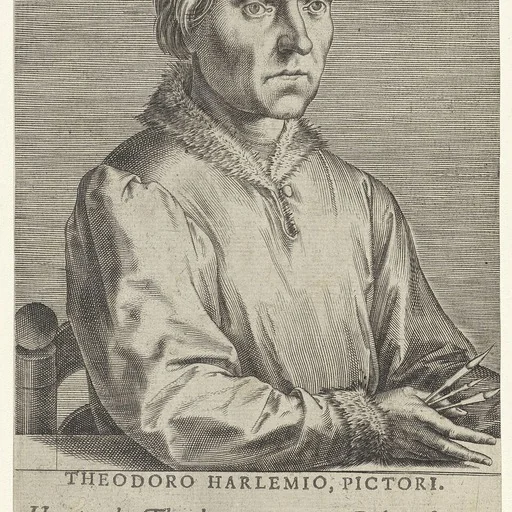
Dieric Bouts (born c. 1415 – 6 May 1475) was an Early Netherlandish painter. Bouts may have studied under Rogier van der Weyden, and his work was influenced by van der Weyden and Jan van Eyck. He worked in Leuven from…

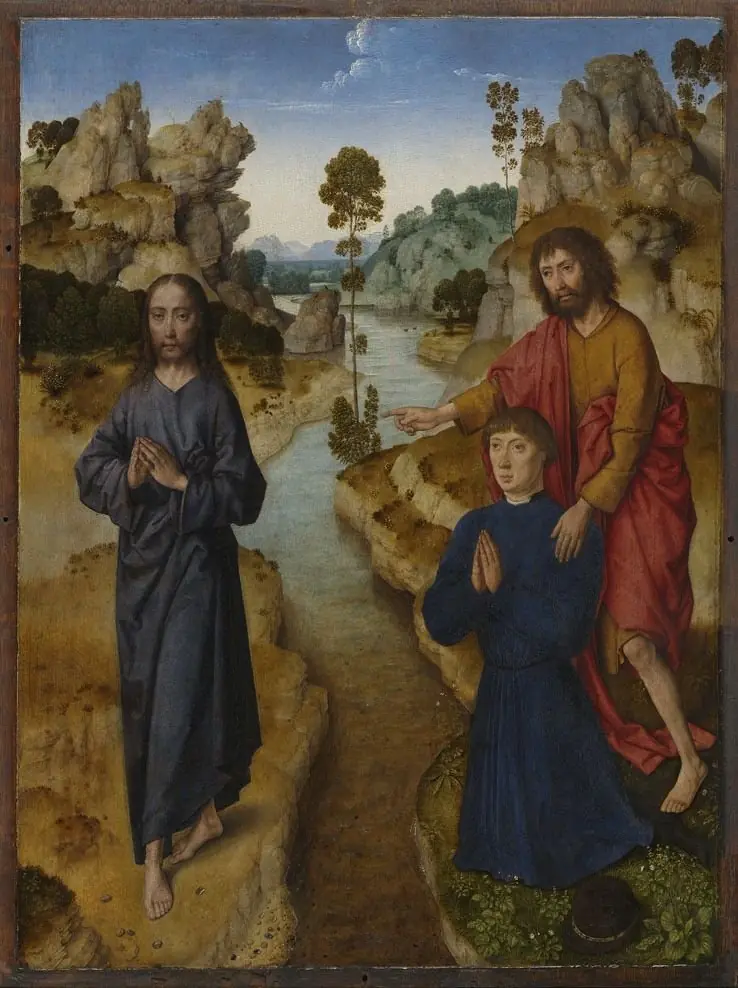 Ecce agnus dei
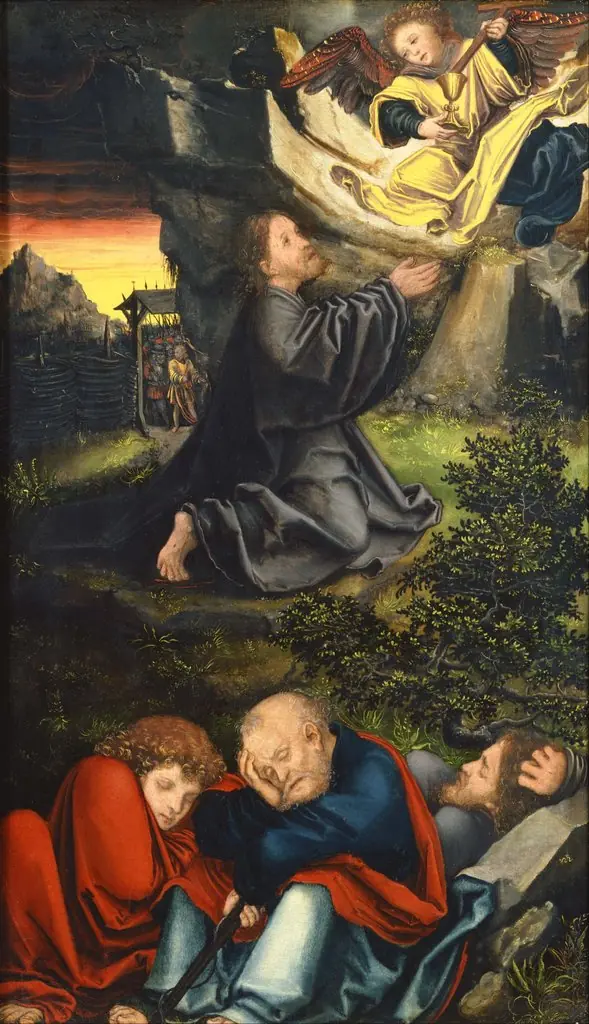 The Garden of Gethsemane
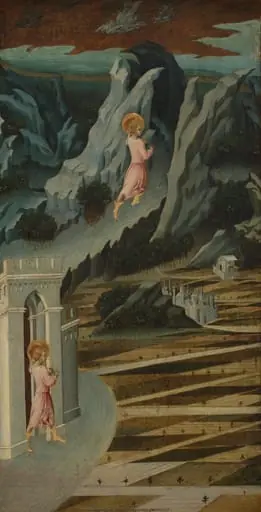 Saint John the Baptist Entering the Wilderness
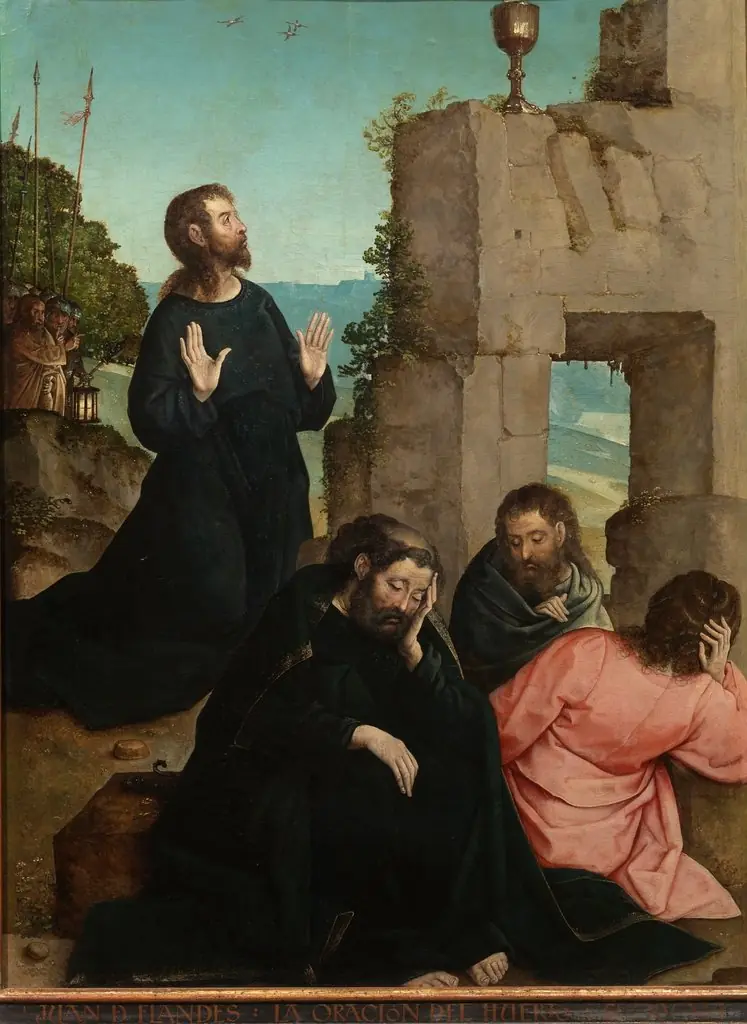 Agony in the Garden
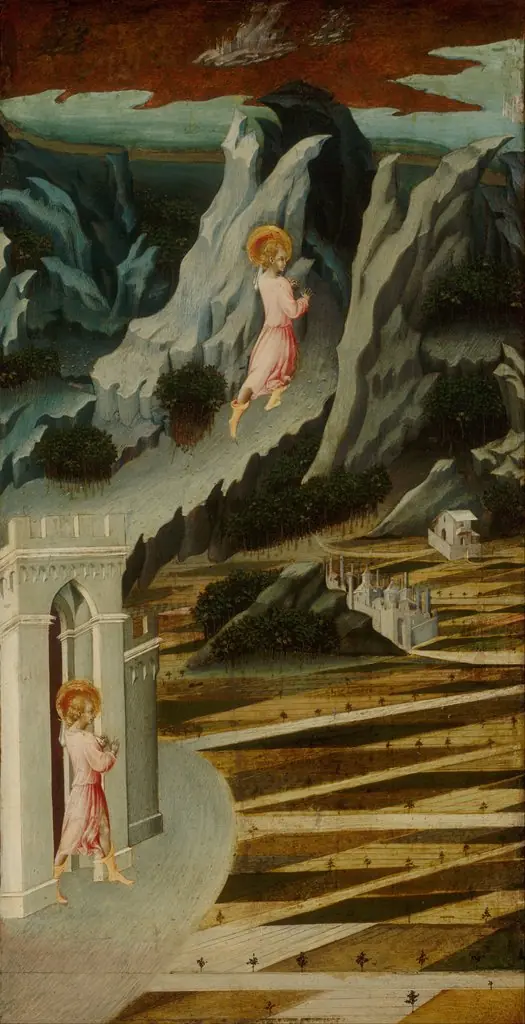 Saint John the Baptist Entering the Wilderness
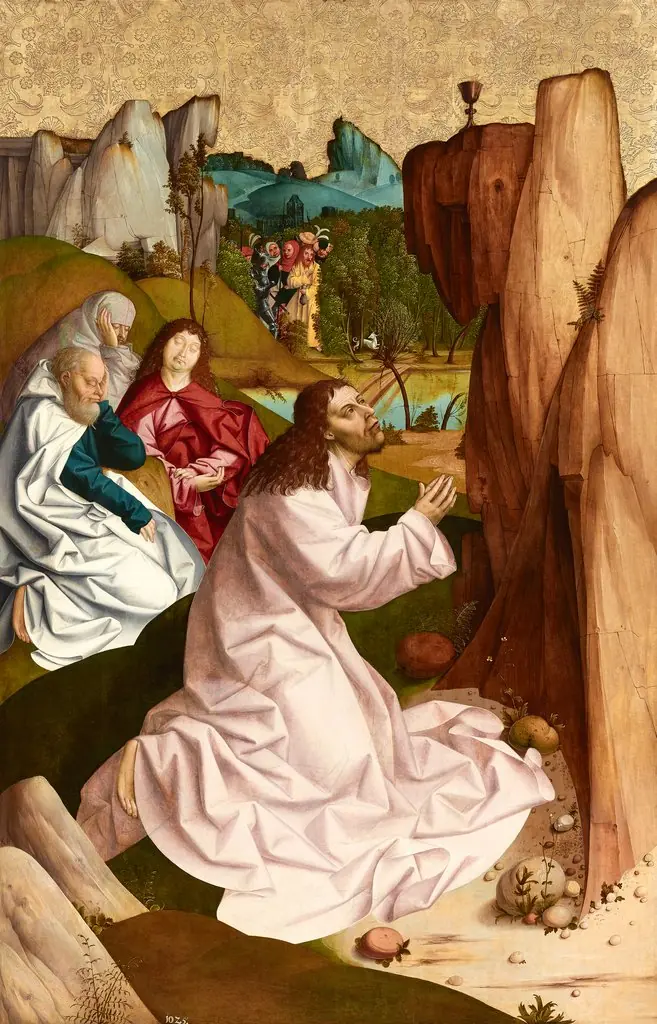 Christus am Ölberg
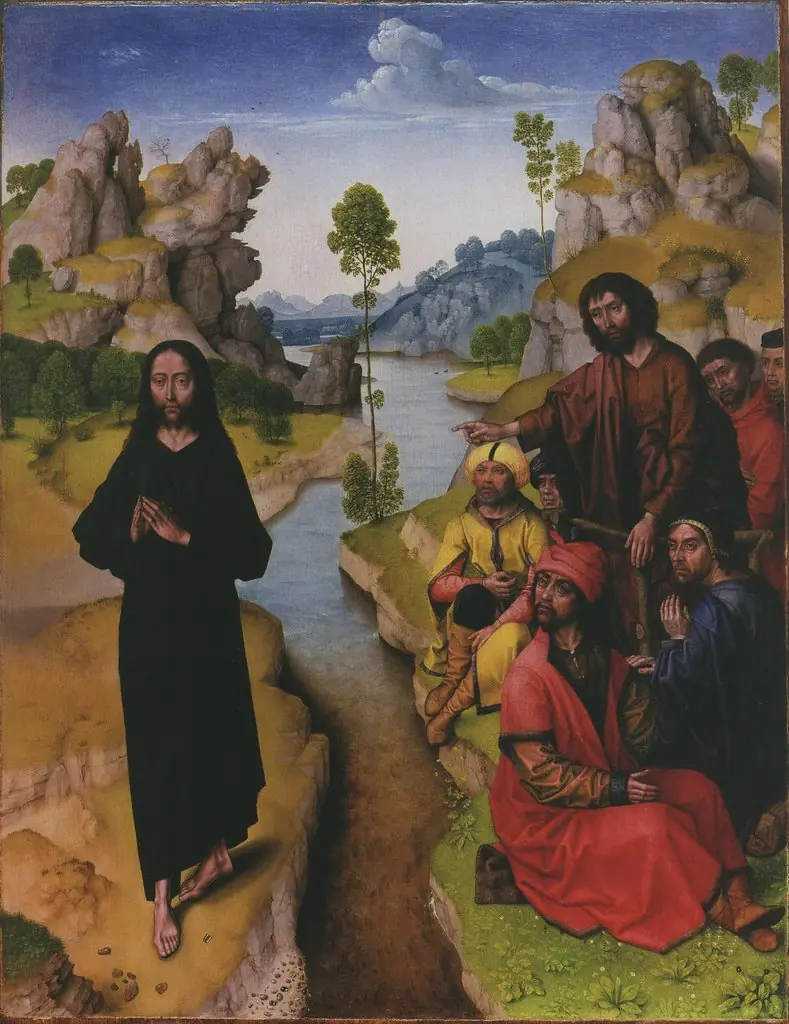 Die Predigt Johannes des Täufers / Ecce Agnus Dei
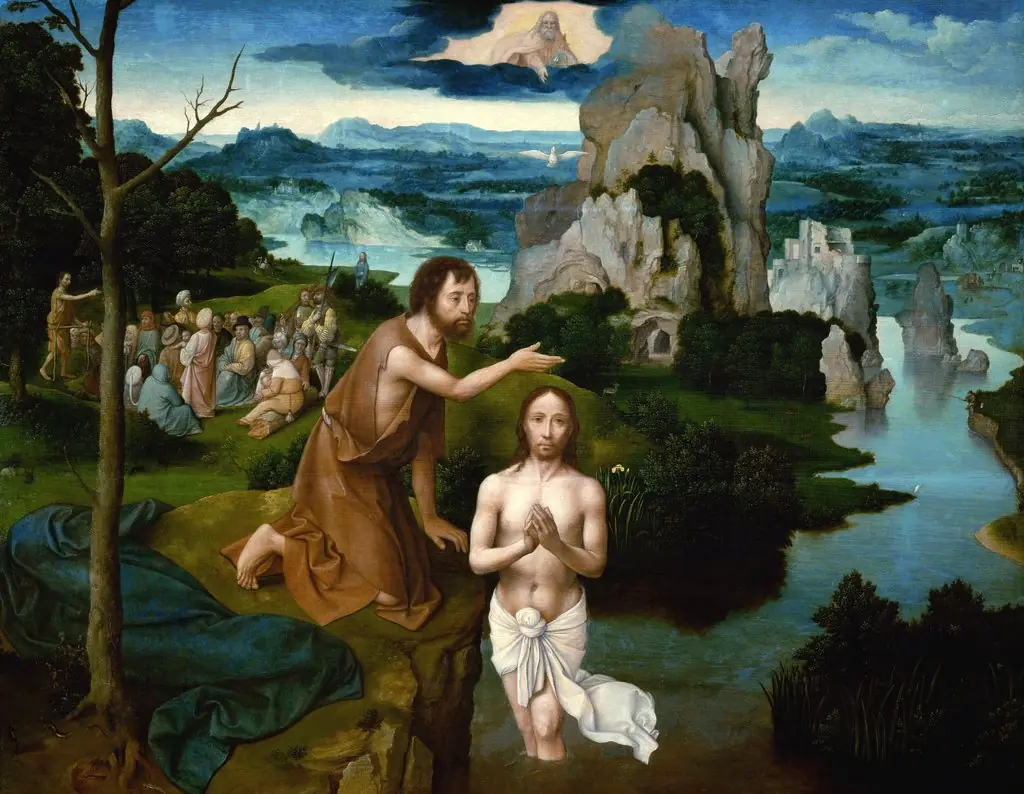 The Baptism of Christ
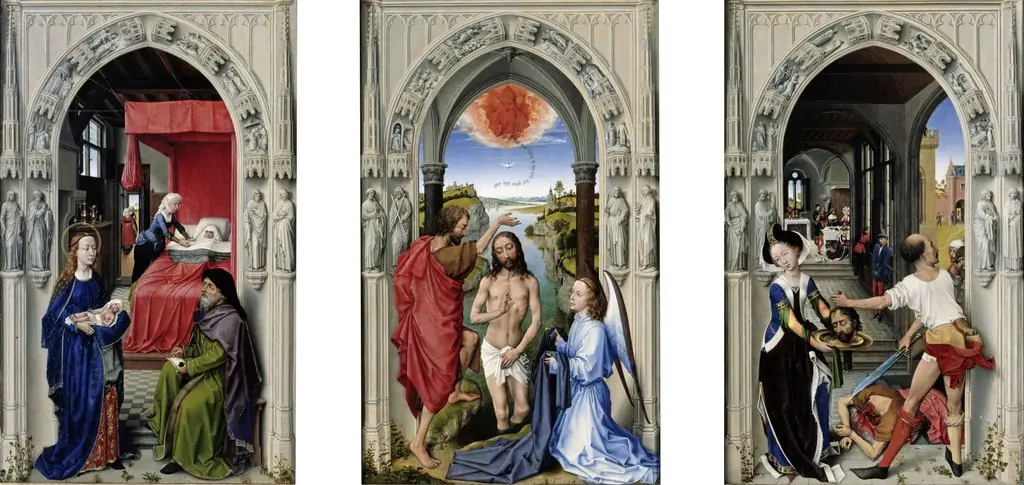 The Altar of St. John
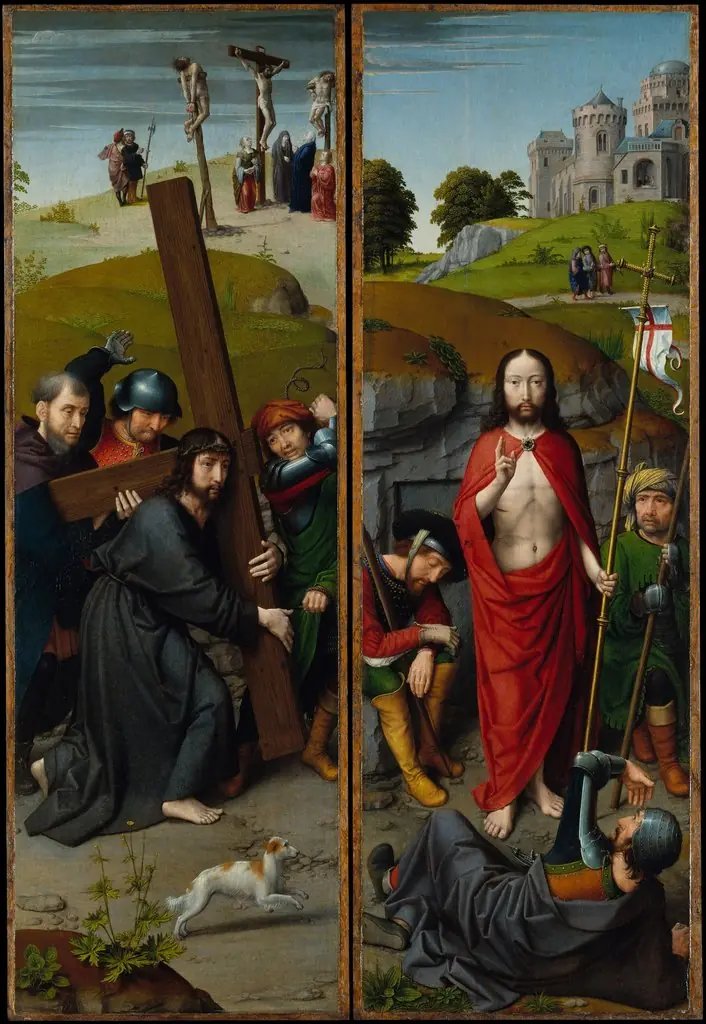 Christ Carrying the Cross, with the Crucifixion; The Resurrection, with the Pilgrims of Emmaus
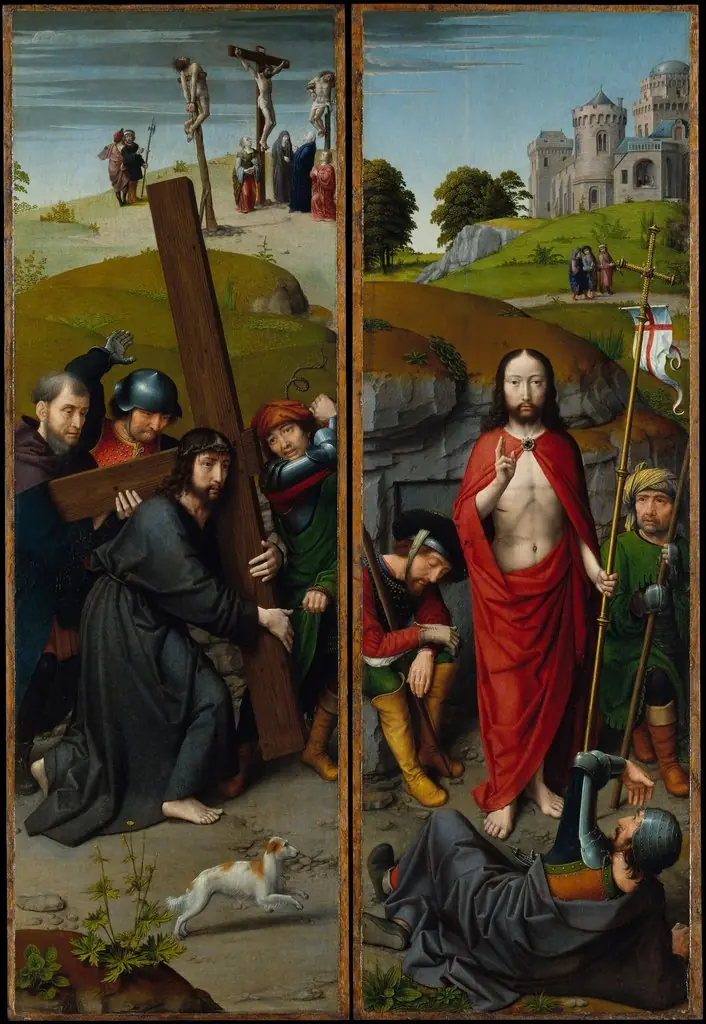 Christ Carrying the Cross, with the Crucifixion; The Resurrection, with the Pilgrims of Emmaus
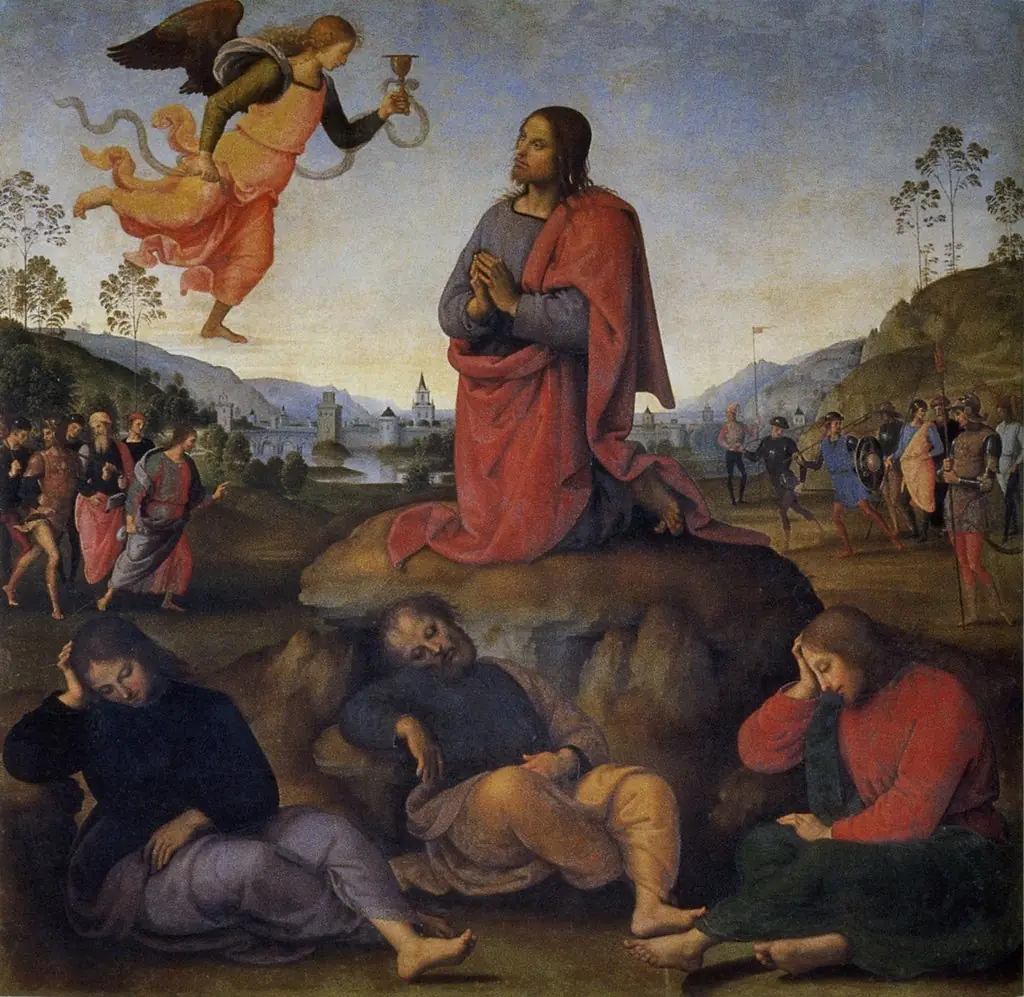 Agony in the Garden