Artwork
Lago di Nemi (Lake Nemi)
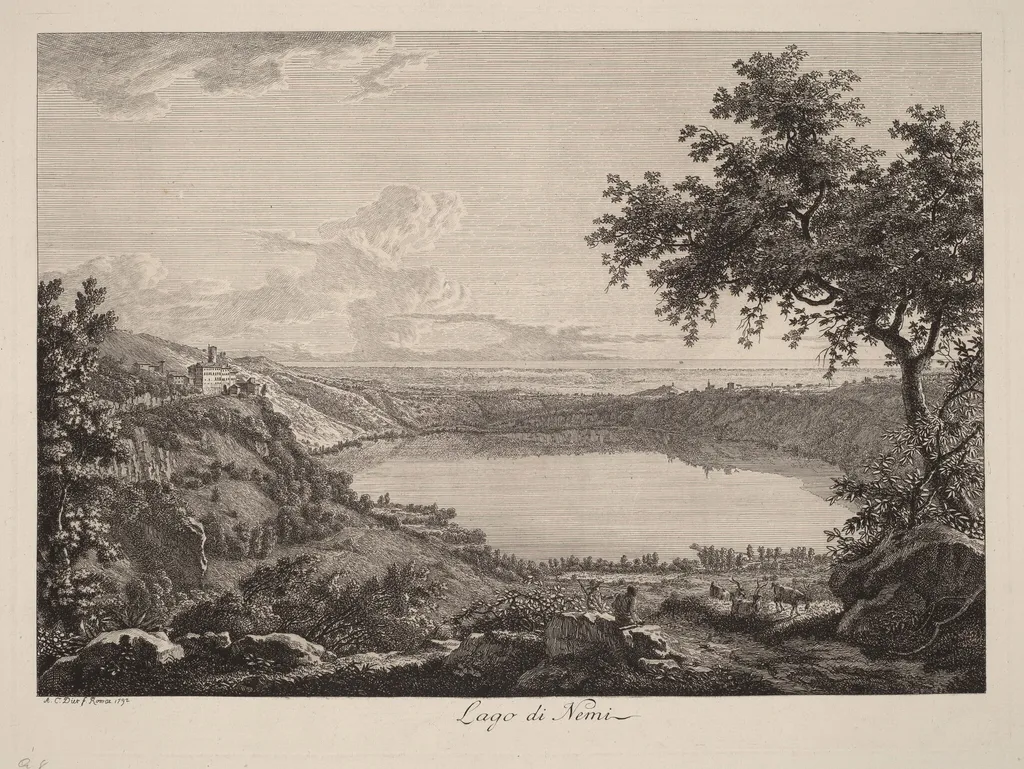
Lago di Nemi (Lake Nemi) is an ink print by the Romanticist artist Albert Christoph Dies. It dates from 1792 and is held in the collection of the National Gallery of Art.
About this work
This painting shows a serene lake scene.
The artist used simple lines to create depth. I'm not sure what inspired this work, but it's interesting that the artist, Albert Christoph Dies, was active in the 18th century and this is one of his works from that time.
You can learn more about this style by looking into the technique: etching.
Overview
In 1792 Albert Christoph Dies, a German painter and engraver, produced an etching on wove paper titled *Lago di Nemi*. The print portrays the volcanic lake situated south of Rome, presenting a tranquil waterscape rendered through the medium of print rather than paint.
Subject & Meaning
The image captures the calm surface of Lake Nemi, surrounded by gentle hills that suggest the lake’s volcanic origins. By focusing on the natural setting, Dies aligns the work with the eighteenth‑century interest in idealized, yet recognizable, landscapes that invite contemplation of nature’s quiet grandeur.
Technique & Style
Dies employed the etching process, incising lines into a metal plate before transferring the image onto wove paper. The technique allows for fine, delicate lines that convey depth and atmospheric perspective, characteristic of late‑eighteenth‑century European landscape prints.
History & Provenance
Although Dies is better known for a portrait of composer Joseph Haydn, his reputation as a printmaker remains modest. *Lago di Nemi* belongs to a period when German artists frequently engaged with Italian scenery, often producing prints for a market of collectors interested in picturesque travel views.
Context
The work fits within a broader tradition of landscape printmaking that flourished across Europe in the late 1700s. Artists of the time sought to document and romanticize natural sites, and Dies’s depiction of an Italian lake reflects the era’s fascination with travel and the scientific interest in volcanic terrain.
Legacy
While Dies’s name does not feature prominently in art historical narratives, his Lake Nemi etching offers a clear example of the period’s print techniques and the cross‑cultural exchange between German artists and Italian subjects, contributing to the visual record of eighteenth‑century European landscapes.
Artist & collection

Artist
Albert Christoph Dies (1755 – 28 December 1822) was a German painter, engraver, and biographer most noted for his biography of Joseph Haydn, although it is now considered sentimental and not entirely accurate.

 Heroic Landscape: The Shepherd's Dance on the Bridge
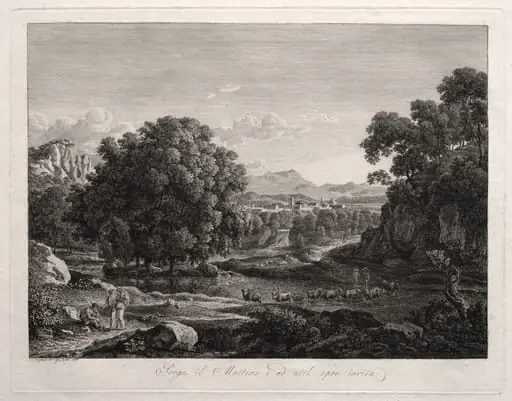 Heroic Landscape: Cattle Crossing the River
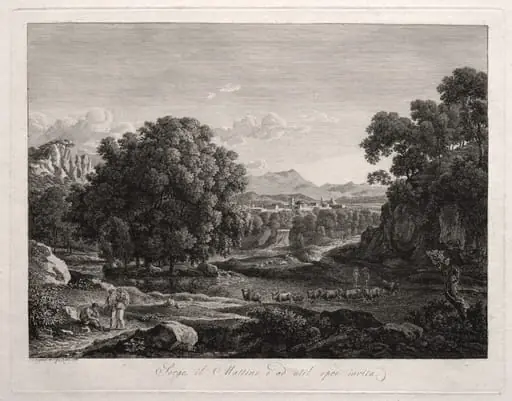 Heroic Landscape
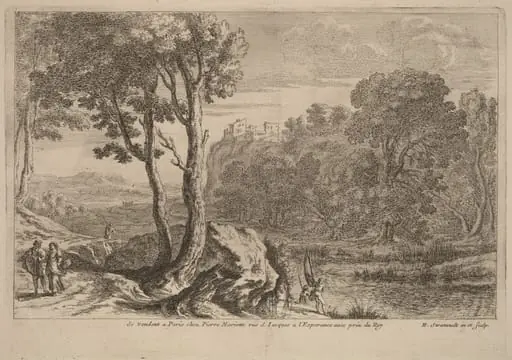 The Fishermen
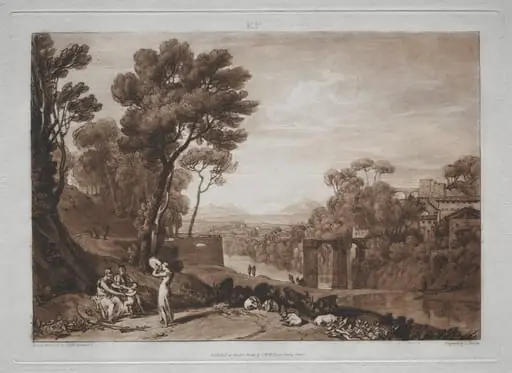 Liber Studiorum: The Woman and the Tambourine
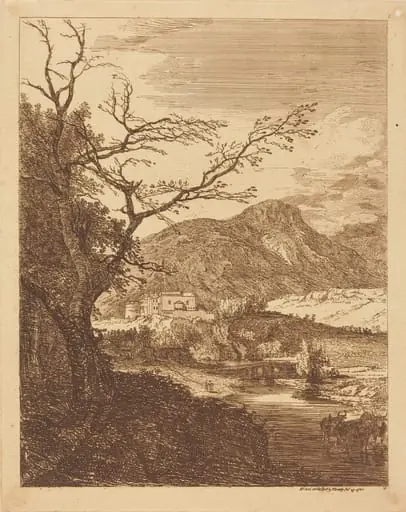 Capriccio with Edinburgh Castle and Arthur's Seat
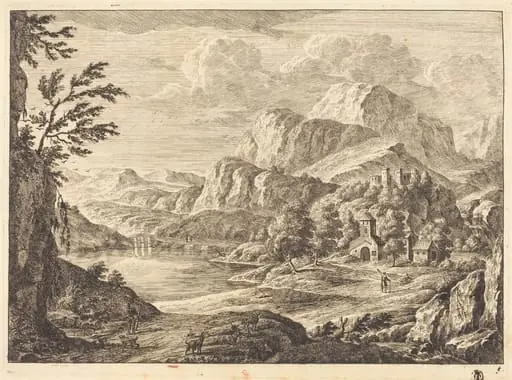 Mountainous Landscape with a Ruined Castle and an Arched Bridge in the Distance
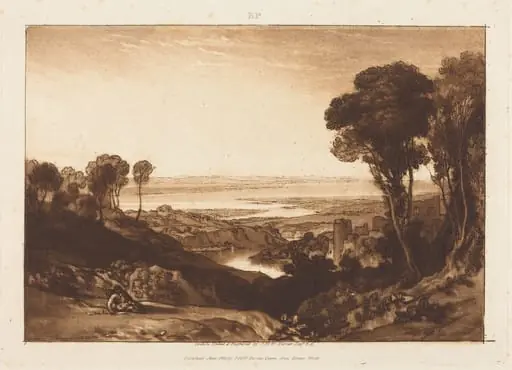 Junction of Severn and Wye