Artwork
The Mandolin Player (Mandoliniste)
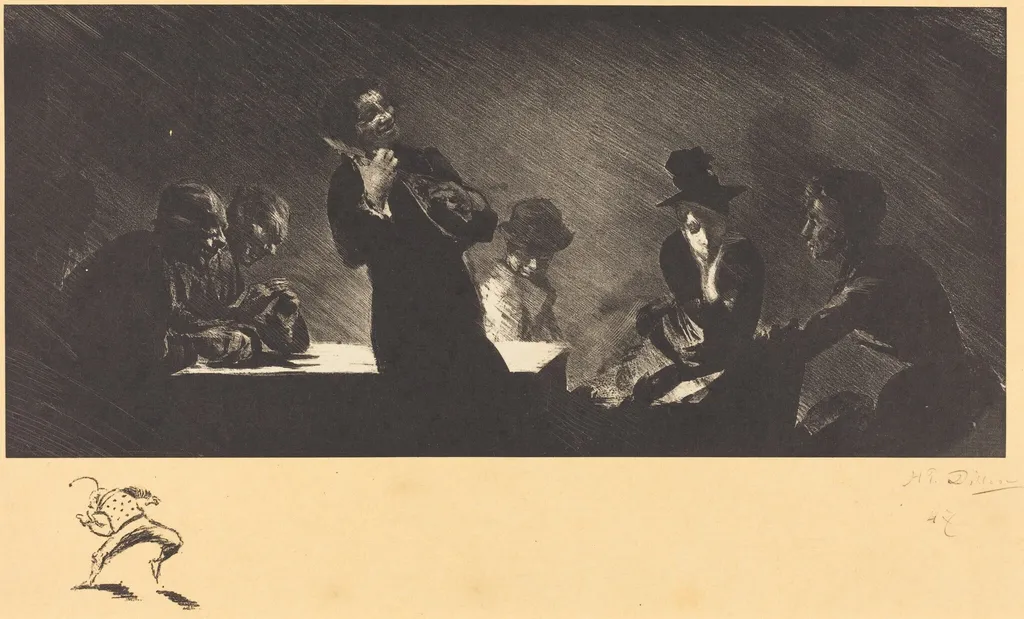
The Mandolin Player (Mandoliniste) is an ink print by the Impressionist artist Henri-Patrice Dillon. It dates from 1893 and is held in the collection of the National Gallery of Art.
About this work
Overview
Henri‑Patrice Dillon’s 1893 lithograph, titled *The Mandolin Player* (Mandoliniste), presents a nocturnal interior where a small gathering surrounds a table.
Henri‑Patrice Dillon’s 1893 lithograph, titled *The Mandolin Player* (Mandoliniste), presents a nocturnal interior where a small gathering surrounds a table. A standing figure draws attention as he plucks a mandolin, while the surrounding participants remain seated in shadow. The composition is confined to a dimly lit space, illuminated only by a narrow opening that admits a thin shaft of light, creating a quiet, contemplative atmosphere.
Subject & Meaning
The work captures a moment of informal music-making, suggesting intimacy among the figures. The solitary mandolinist, positioned centrally, serves as both focal point and conduit for the subdued social interaction. The muted attire and low lighting convey a sense of modesty and introspection, hinting at the private nature of leisure activities in a domestic setting of the late nineteenth century.
Technique & Style
Executed on buff chine collé, the lithograph employs pronounced chiaroscuro, juxtaposing deep shadows with the limited illumination from the background aperture. Dillon manipulates line and tone to suggest depth, rendering textures of fabric and wood through varied pressure and ink density. The print’s surface bears expressive marks that convey movement, while the restrained palette reinforces the somber mood.
History & Provenance
Created in 1893, the lithograph reflects Dillon’s engagement with printmaking during a period when French artists explored reproducible media for genre scenes. Though specific ownership records are scarce, the piece has been catalogued in several collections of late‑19th‑century French prints, illustrating its role in the broader dissemination of everyday domestic subjects through lithography.
Artist & collection

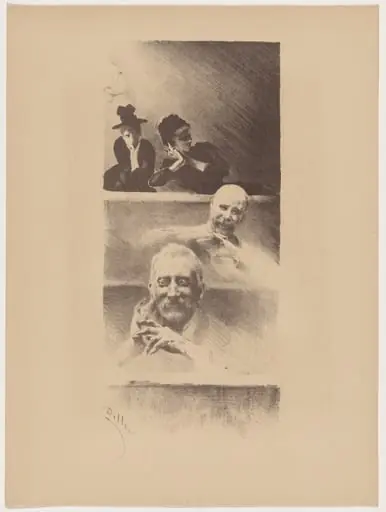
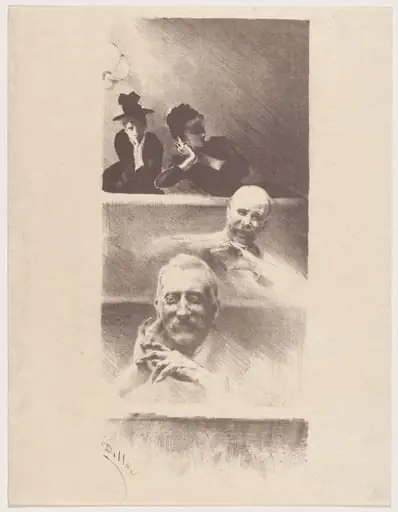
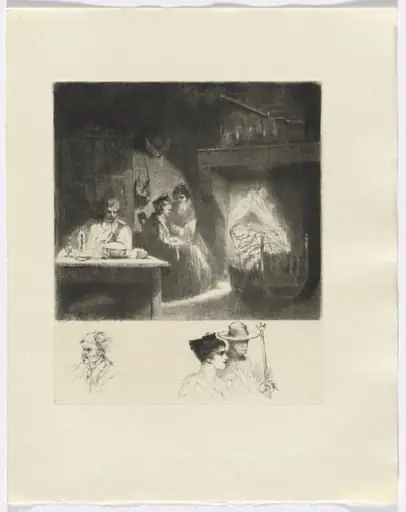 Frédéric Mistral: Mémoires et Recits by Frédéric Mistral: family scene/ bust of three figures (insert after p. 48)
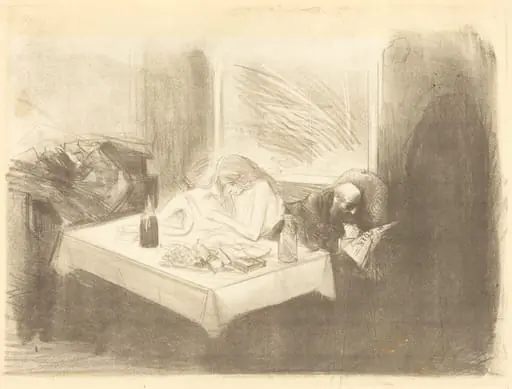 Le cabinet particulier (4e planche) (The Private Room) (fourth plate)
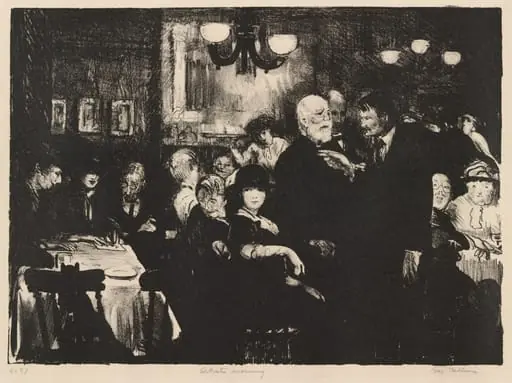 Artist's Evening
 Artists' Evening
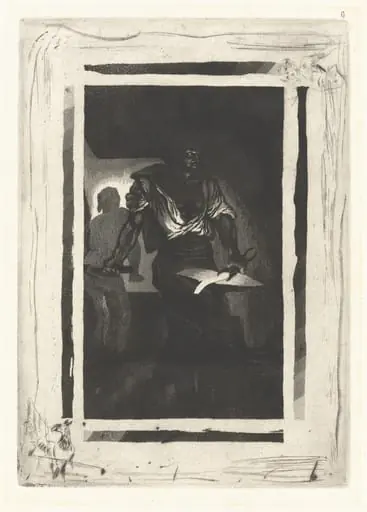 A Blacksmith (Un Forgeron)
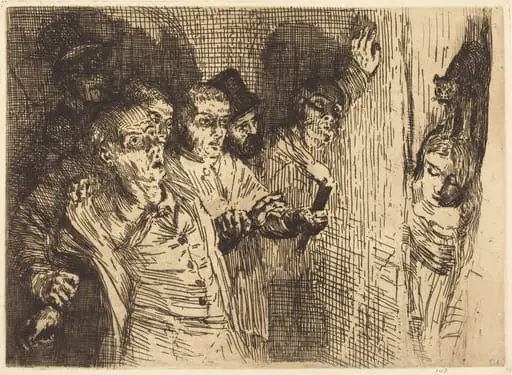 Black Cat (Le chat noir)
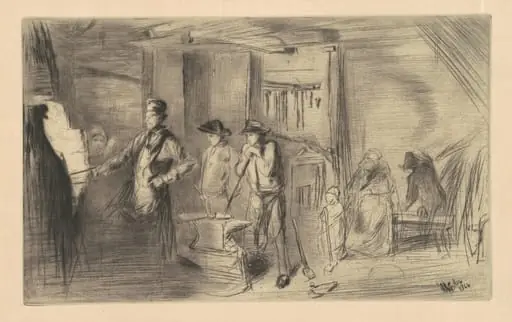 The Forge
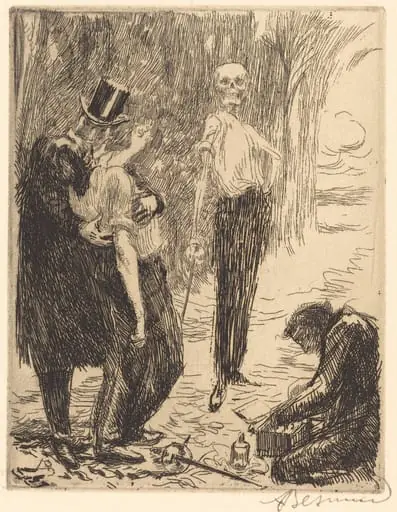 The Duel (Le duel)
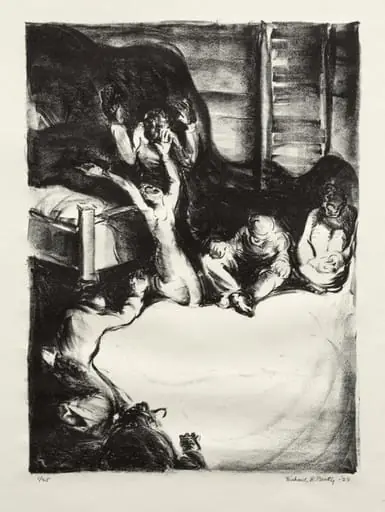 Porgy
Porgy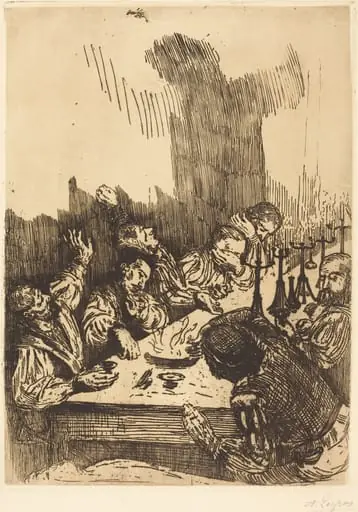 Shadow (Ombre)
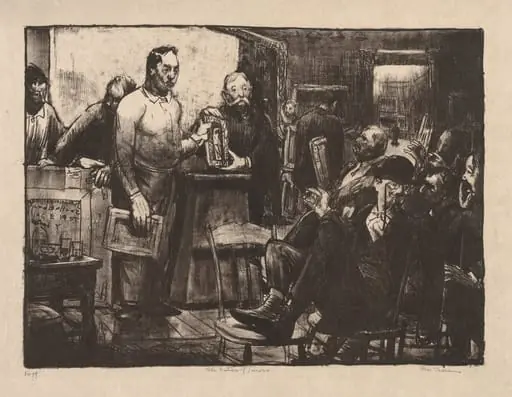 The Jury
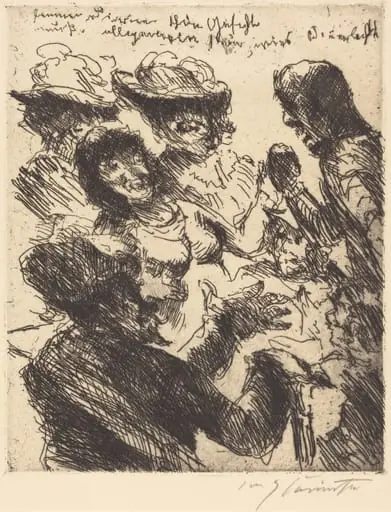 "Einer dirne schön gesicht muss allgemein sein wie's sonnenlicht" ("A Pretty Girl's Face is Like the Sunshine")