Artwork
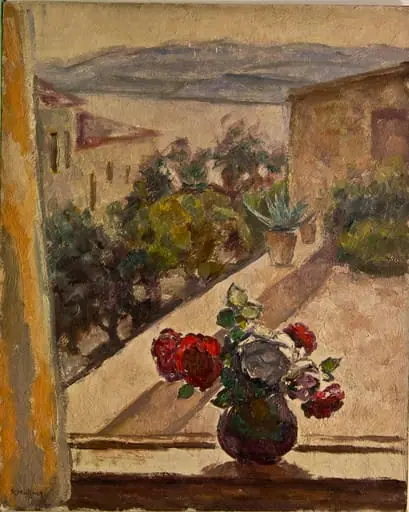
Fereastră
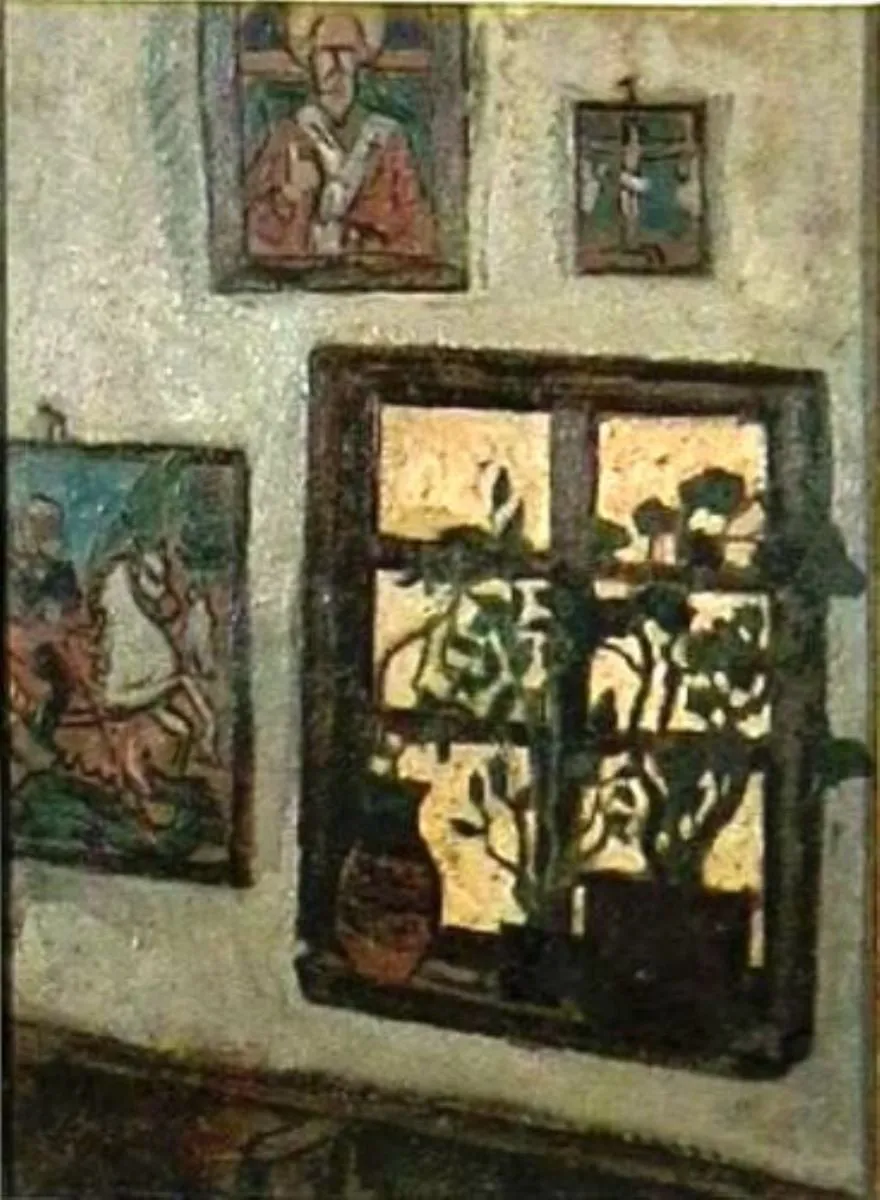
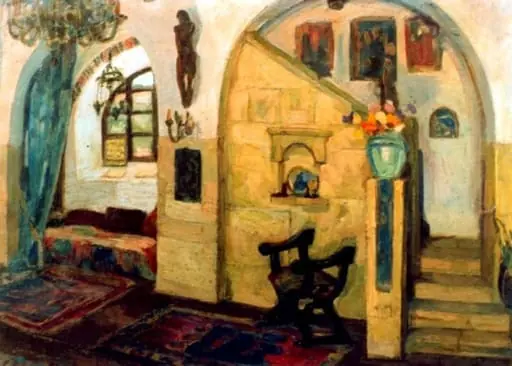
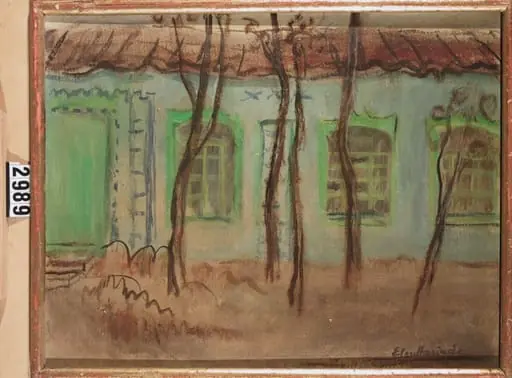
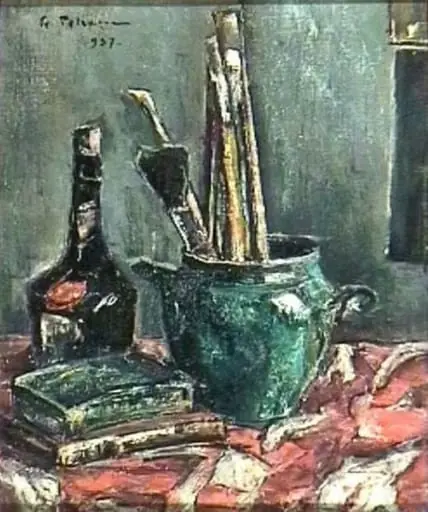
Fereastră is an unspecified painting by Ștefan Dimitrescu. It dates from 1919 and is held in the collection of the Moldova National Museum Complex.
About this work
Overview
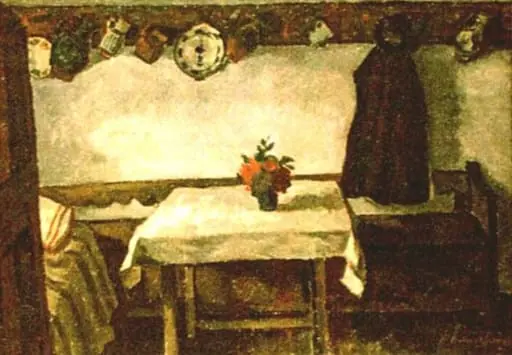
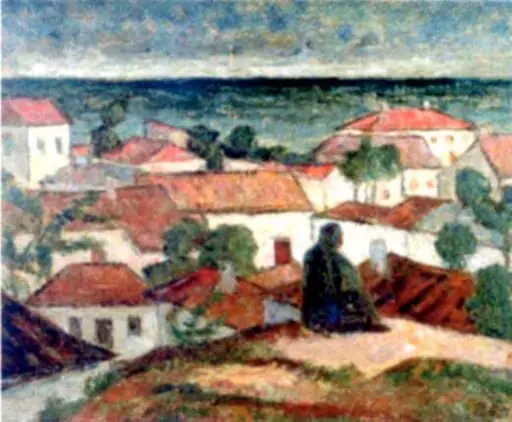
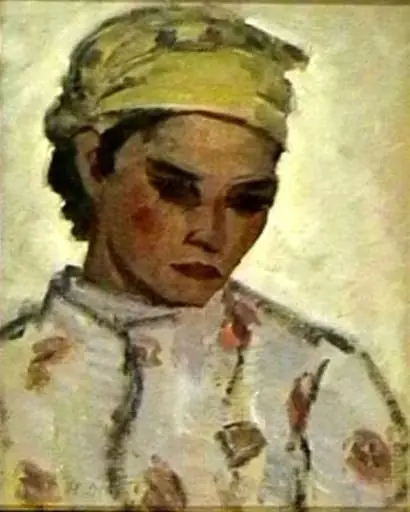
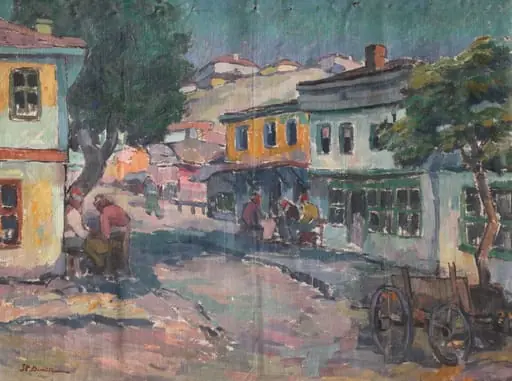
Fereastră, created around 1919 by Ștefan Dimitrescu, is a composite work composed of four small painted panels mounted on a weathered wooden surface.
Fereastră, created around 1919 by Ștefan Dimitrescu, is a composite work composed of four small painted panels mounted on a weathered wooden surface. The arrangement suggests a domestic or devotional context rather than a formal gallery setting. The paintings vary in subject and condition, showing signs of prolonged exposure to environmental elements, including cracking and peeling paint that indicates years of use in a non-archival environment.
Subject & Meaning
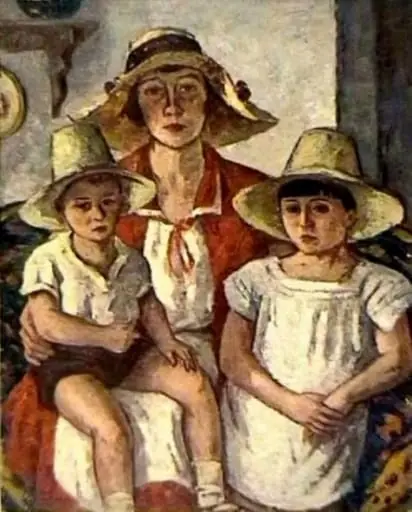
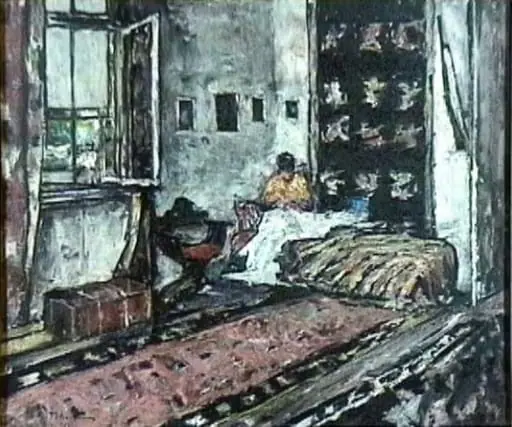
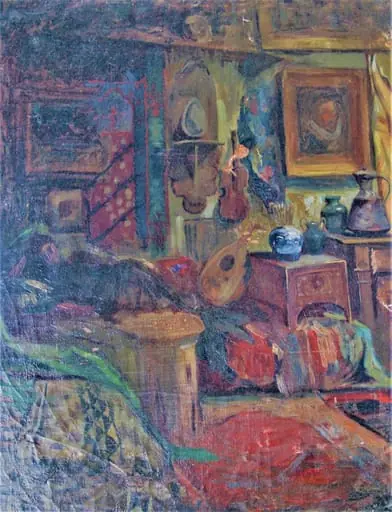
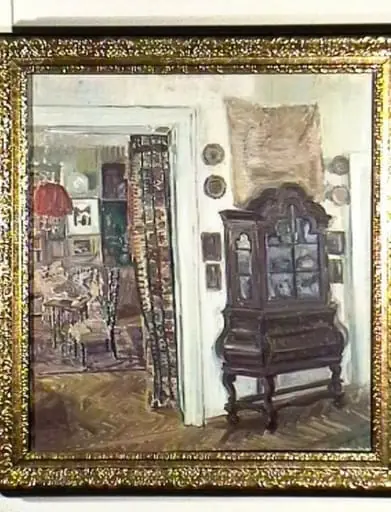
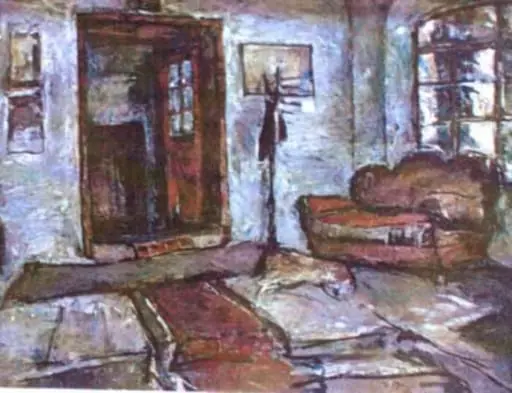
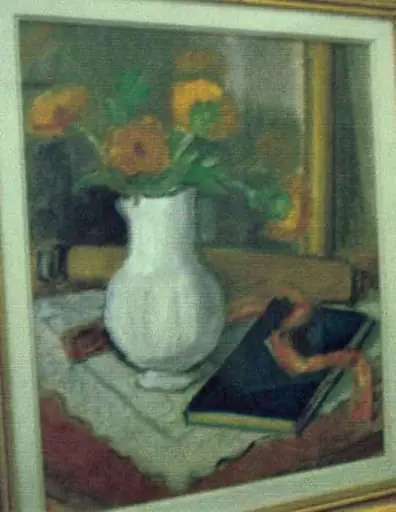
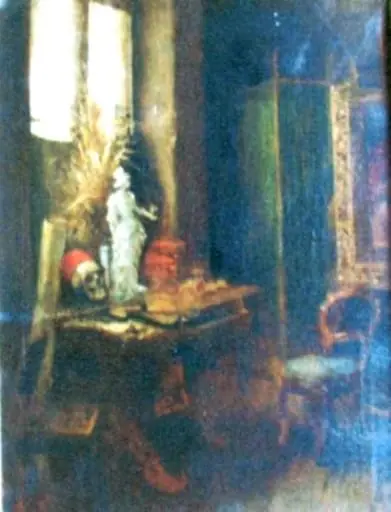
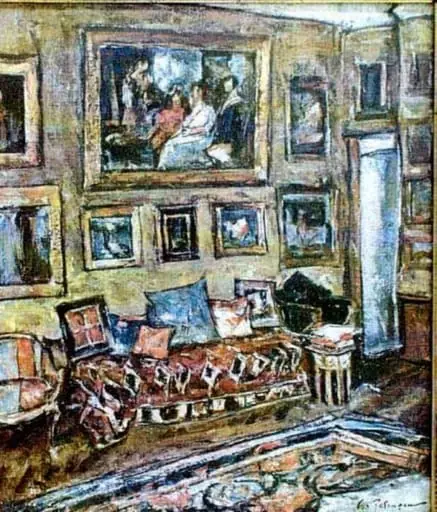
The panels depict a range of imagery: a portrait of a man in a striped shirt and hat, a miniature crucifixion scene, a landscape with trees and a path, and a rider on horseback. These subjects reflect common themes in early 20th-century Romanian folk and religious art—personal identity, spiritual devotion, and rural life. Their juxtaposition may indicate a private altar or a family’s curated visual memory, blending the sacred with the everyday.
Technique & Style
Dimitrescu employed a modest, direct painting style, using limited pigments and loose brushwork suited to small-scale formats. The surfaces show visible wear—cracks, flaking, and fading—suggesting the use of inexpensive materials and outdoor or humid conditions. The technique is unrefined yet intentional, prioritizing emotional resonance over technical polish, aligning with regional traditions of vernacular art-making.
History & Provenance
The physical state of the panels—cracked paint, faded colors, and nail holes—implies they were once displayed in a home or small chapel, likely in rural Romania. Their survival as a grouped ensemble is unusual; most such works were discarded or lost. Their preservation suggests later recognition of their cultural value, though their exact journey from original setting to museum collection remains undocumented.
Context
In early 20th-century Romania, many artists drew from folk traditions and religious iconography while navigating modernist influences. Dimitrescu, associated with the Tinerimea Artistică group, often bridged these worlds. Fereastră reflects this tension: its composition echoes folk altarpieces, yet its informal arrangement and material decay reveal a life lived outside institutional art spaces.
Legacy
Fereastră stands as a quiet testament to the permeability between art and daily life in interwar Romania. It challenges conventional notions of artistic value by preserving the marks of time and use. Today, it contributes to broader understandings of how ordinary people engaged with visual culture, offering insight into the materiality and meaning of art beyond the gallery wall.
Artist & collection