Artwork
Watching the Washing of the Elephant
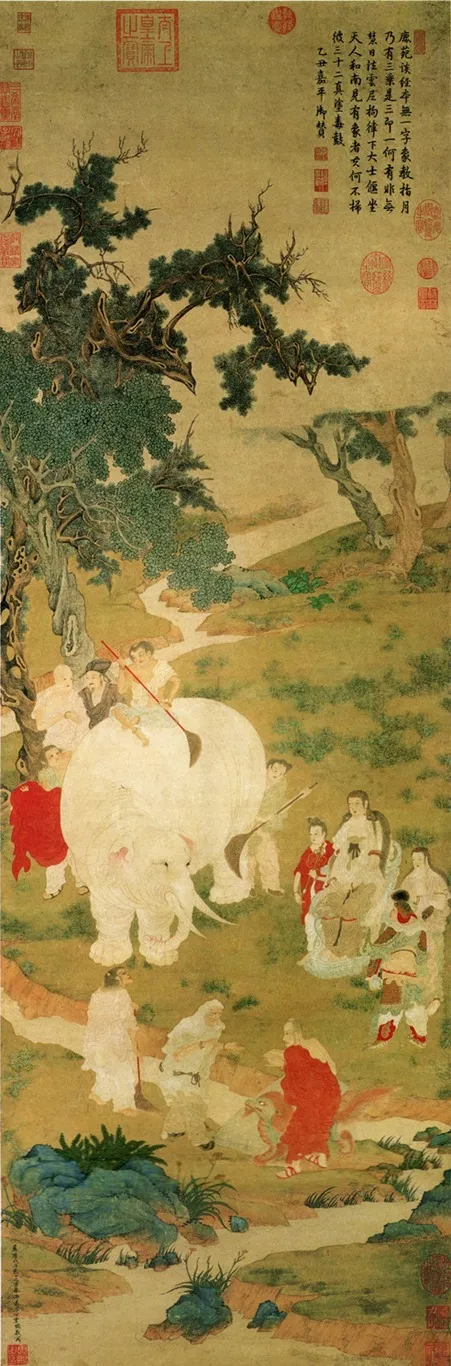
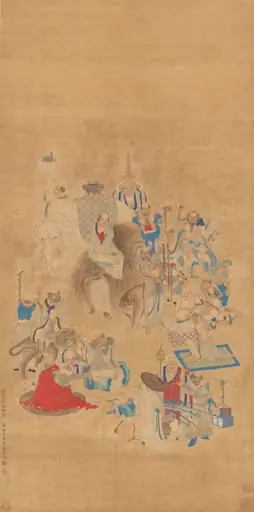
Watching the Washing of the Elephant is an unspecified painting by the Ming dynasty painting artist Ding Yunpeng. It dates from 1594 and is held in the collection of the National Palace Museum.
About this work
Overview
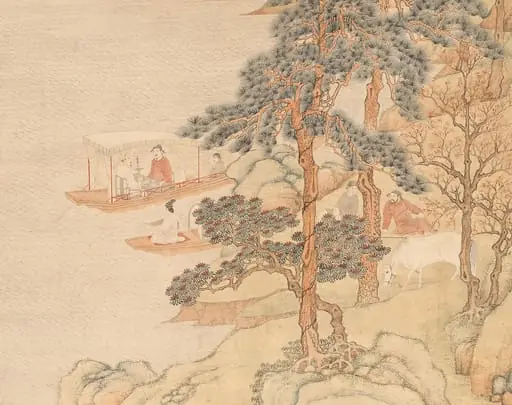
Painted in 1594 by Ding Yunpeng, this ink and color on silk work depicts a quiet moment of daily life in late Ming China. The scene centers on the ceremonial washing of a white elephant, observed by a group of figures on a sloping hillside. The composition balances natural elements with human presence, reflecting a contemplative engagement with the world beyond courtly grandeur.
Subject & Meaning
The onlookers, dressed in scholarly or courtly attire, observe with calm attention, suggesting reverence rather than spectacle.
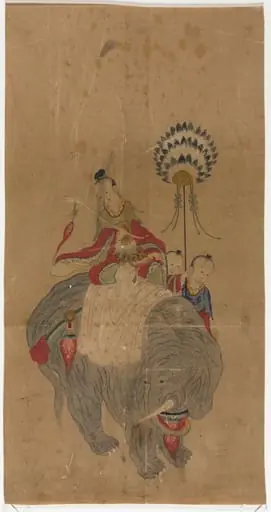
The elephant, a rare and symbolic animal in Chinese culture, was often associated with imperial authority and Buddhist purity. Its washing may reference ritual purification or the care of royal animals. The onlookers, dressed in scholarly or courtly attire, observe with calm attention, suggesting reverence rather than spectacle. The scene conveys harmony between human activity and natural order, aligning with Confucian ideals of orderly conduct.
Technique & Style
Ding Yunpeng employed fine brushwork to render textures—delicate folds of fabric, rough tree bark, and the elephant’s wrinkled skin. Soft washes of color define the landscape, while the figures are rendered with precise, restrained lines. The use of perspective is shallow, typical of Ming literati painting, emphasizing pattern and rhythm over spatial realism. The palette is muted, with subtle greens, ochres, and ink tones enhancing the tranquil mood.
History & Provenance
The painting entered the imperial collection during the Ming dynasty and remained in royal hands through subsequent dynasties. It was later transferred to the National Palace Museum in Taipei following the relocation of the imperial collection in the mid-20th century. Its continuous preservation within institutional care underscores its recognized cultural value, though little is documented about its early circulation or patronage.
Context
In late 16th-century China, literati painters like Ding Yunpeng often turned to everyday or exotic subjects to express philosophical ideals. Elephants, though not native, appeared in court art as symbols of peace and imperial virtue. This work reflects a broader trend among scholar-artists to find meaning in quiet, observational moments—away from political turmoil and toward personal reflection and aesthetic discipline.
Legacy
Ding Yunpeng’s work, though less widely known than some contemporaries, exemplifies the Ming literati tradition of blending observation with moral resonance. This painting remains a key example of how non-royal subjects could carry symbolic weight in Chinese art. It continues to be studied for its nuanced depiction of human-animal interaction and its quiet resistance to overt narrative spectacle.
Artist & collection