Artwork
Portrait of Cornelis van der Pot (1707-1728). Merchant and Poet in Rotterdam
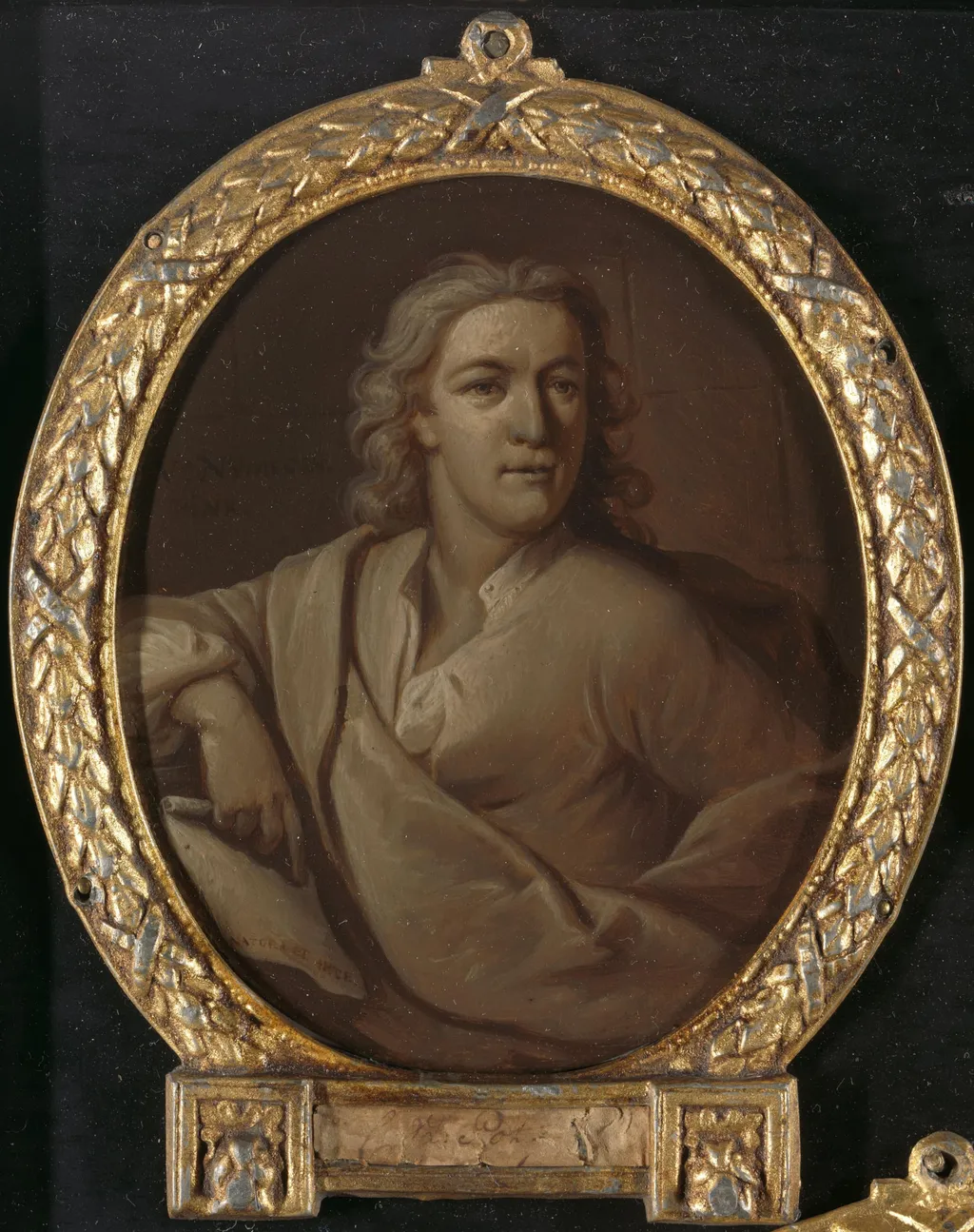
Portrait of Cornelis van der Pot (1707-1728). Merchant and Poet in Rotterdam is an unspecified painting by the Rococo painting artist Dionys van Nijmegen. It dates from 1752 and is held in the collection of the Rijksmuseum. This portrait depicts Cornelis van der Pot, a Rotterdam merchant and poet active in the early 18th century.
About this work
Overview
The work was created as part of a series honoring Dutch literary figures, emphasizing his dual identity as both a businessman and a writer.
This portrait depicts Cornelis van der Pot, a Rotterdam merchant and poet active in the early 18th century. Painted between 1707 and 1728, it presents him in a half-bust composition within an oval frame, facing slightly to the right. The work was created as part of a series honoring Dutch literary figures, emphasizing his dual identity as both a businessman and a writer. The artist remains unidentified, consistent with the period’s practice of prioritizing the subject over the painter’s reputation.
Subject & Meaning
Cornelis van der Pot is shown with a composed expression, his gaze directed away from the viewer, suggesting introspection. In his right hand, he holds a folded sheet of paper, likely representing his poetic work, though its exact content is unknown. The inclusion of the paper underscores his literary role, positioning him not merely as a merchant but as a contributor to Dutch cultural life. The quiet dignity of the portrait reflects the values of intellectual and civic responsibility held by his social circle.
Technique & Style
The painting employs soft, naturalistic lighting to model the contours of the face and collar, creating subtle volume without dramatic contrast. The dark coat contrasts gently with the muted background, focusing attention on the sitter’s features. Brushwork is restrained and precise, typical of Dutch portraiture of the era, favoring clarity and restraint over ornamentation. The oval format was a conventional choice for commemorative portraits, lending a sense of intimacy and permanence.
History & Provenance
The portrait was once part of a curated collection of Dutch poets’ likenesses, assembled to celebrate literary achievement in the Netherlands. Its origins are tied to Rotterdam’s cultural milieu, where commerce and letters often intersected. While its early ownership is undocumented, it eventually entered a public collection, likely through donation or acquisition by a cultural institution. The absence of the artist’s signature reflects the portrait’s function as a tribute rather than a commercial commission.
Context
In early 18th-century Rotterdam, merchants frequently supported the arts and literature, blurring the lines between economic and cultural influence. Portraits of poets were not merely personal mementos but public affirmations of civic pride. This work aligns with a broader trend of documenting literary figures, reflecting a growing interest in national identity through intellectual heritage. Such collections were often displayed in private homes or civic spaces, reinforcing shared cultural values among the urban elite.
Legacy
The portrait survives as one of several visual records of Dutch poets from the period, preserving the appearance and social standing of individuals who shaped literary culture. Though the artist remains anonymous, the image contributes to the historical understanding of how poetry was honored in Dutch society. Its preservation in a major museum ensures continued access for scholars and the public, offering insight into the quiet dignity afforded to literary figures in the early modern Netherlands.
Artist & collection

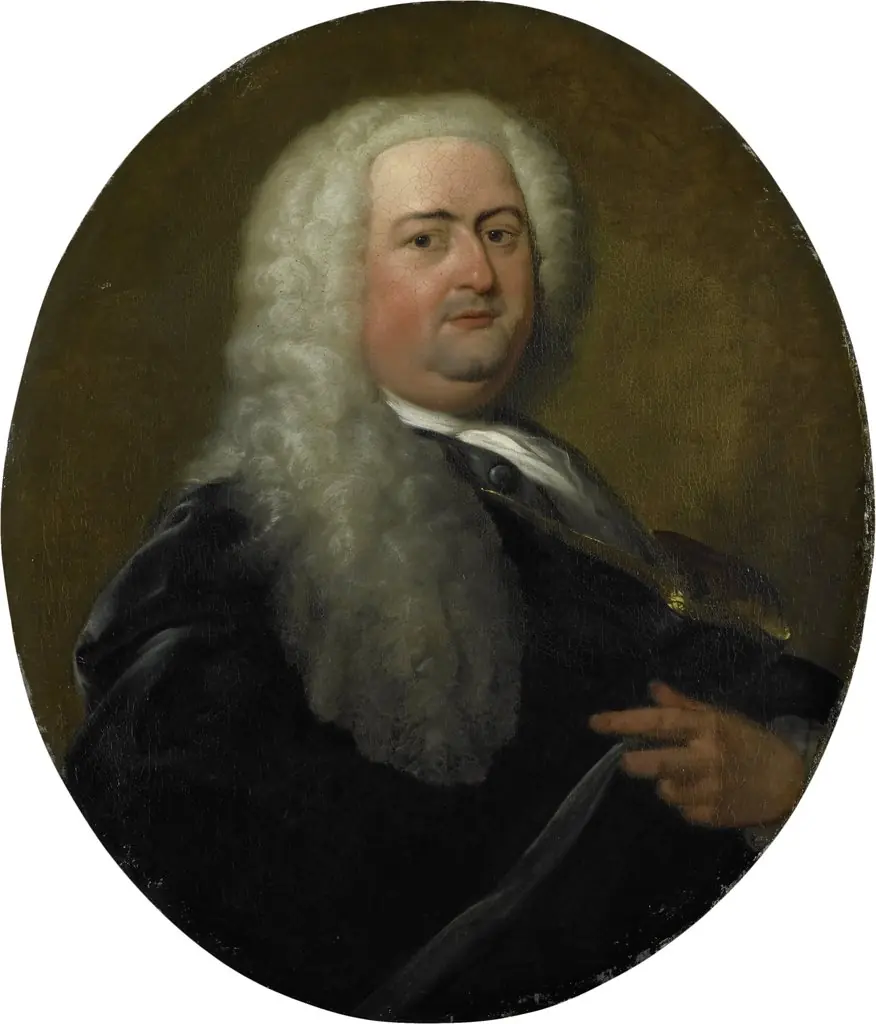 Portrait of Adriaen Paets, Director of the Rotterdam Chamber of the Dutch East India Company, elected 1734
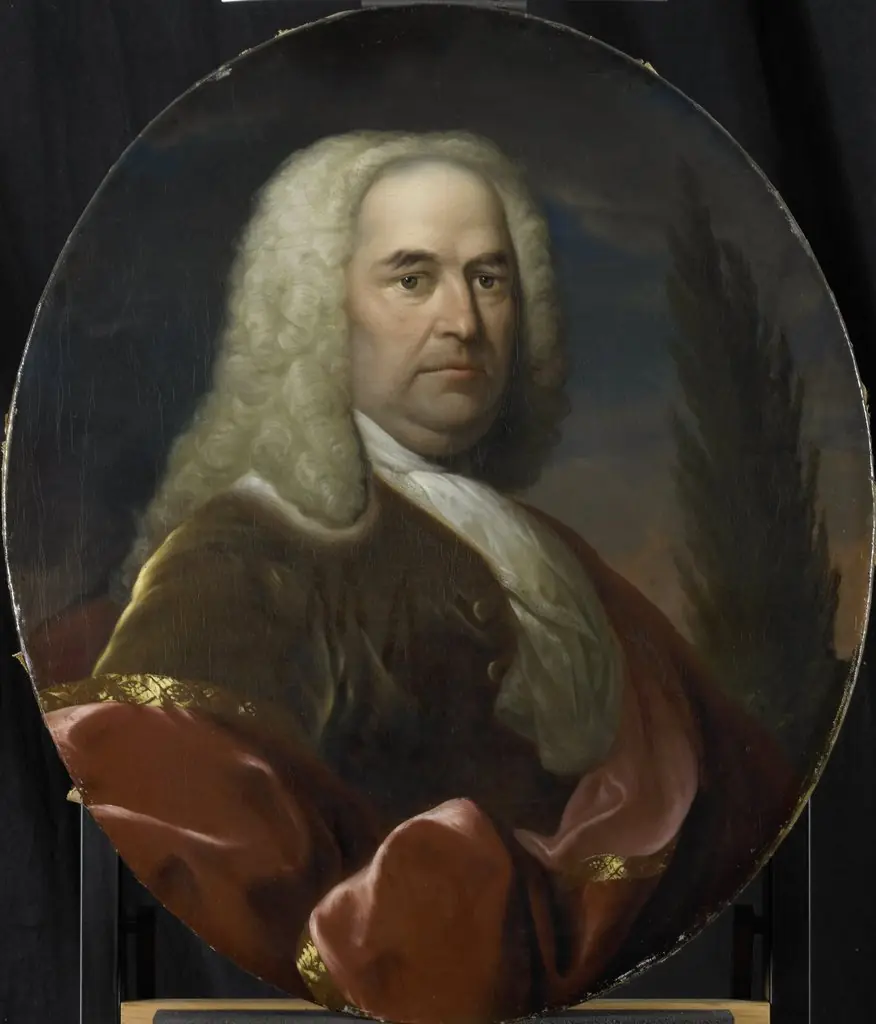 Portrait of Hugo du Bois, Director of the Rotterdam Chamber of the Dutch East India Company, elected 1734
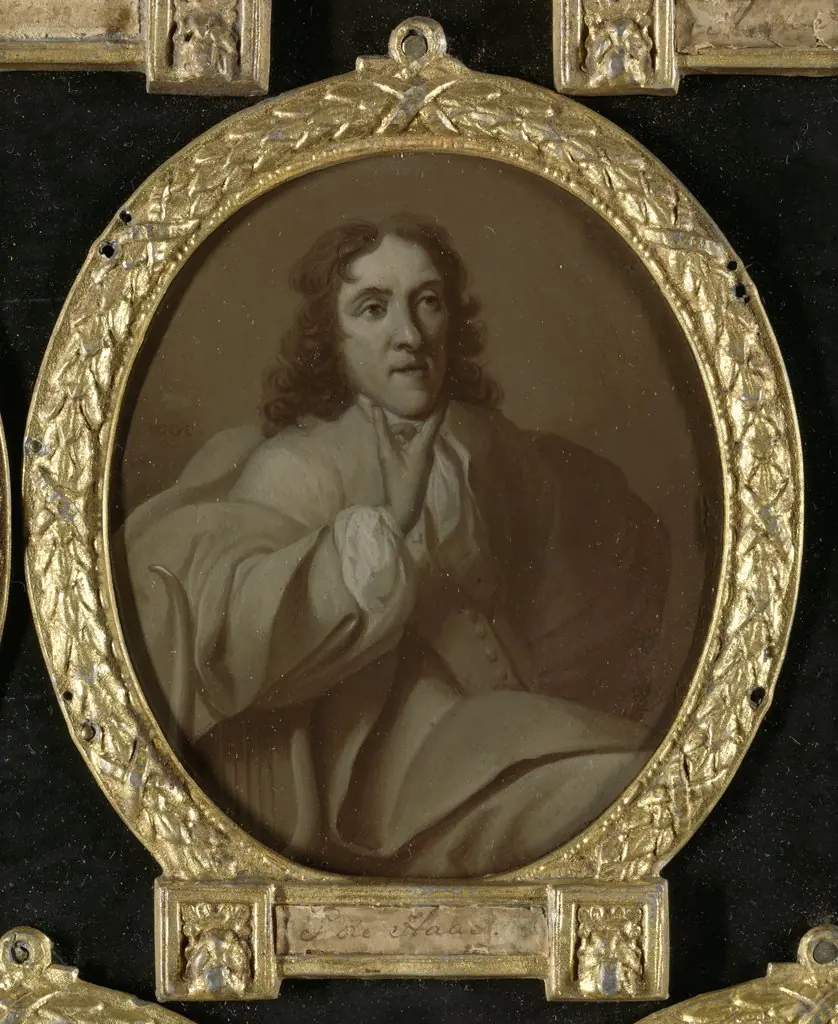 Portrait of Frans de Haes, Poet and Linguist in Rotterdam
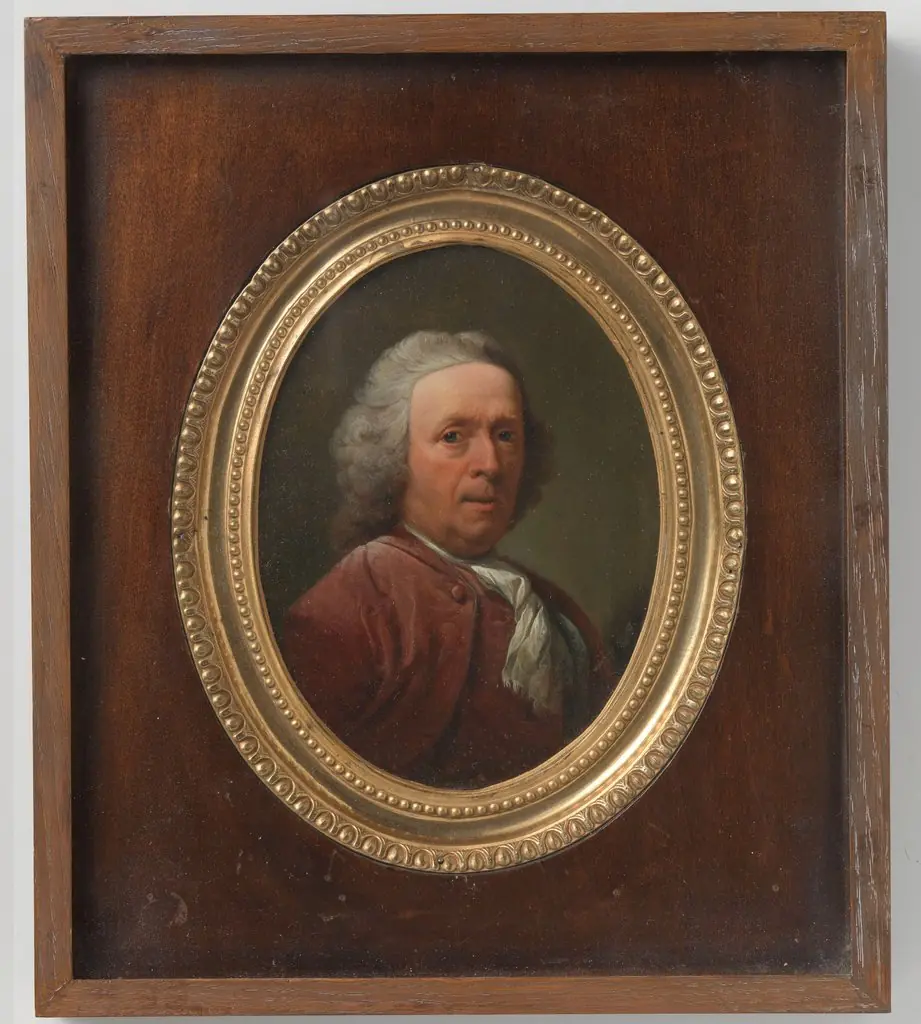 Self-Portrait
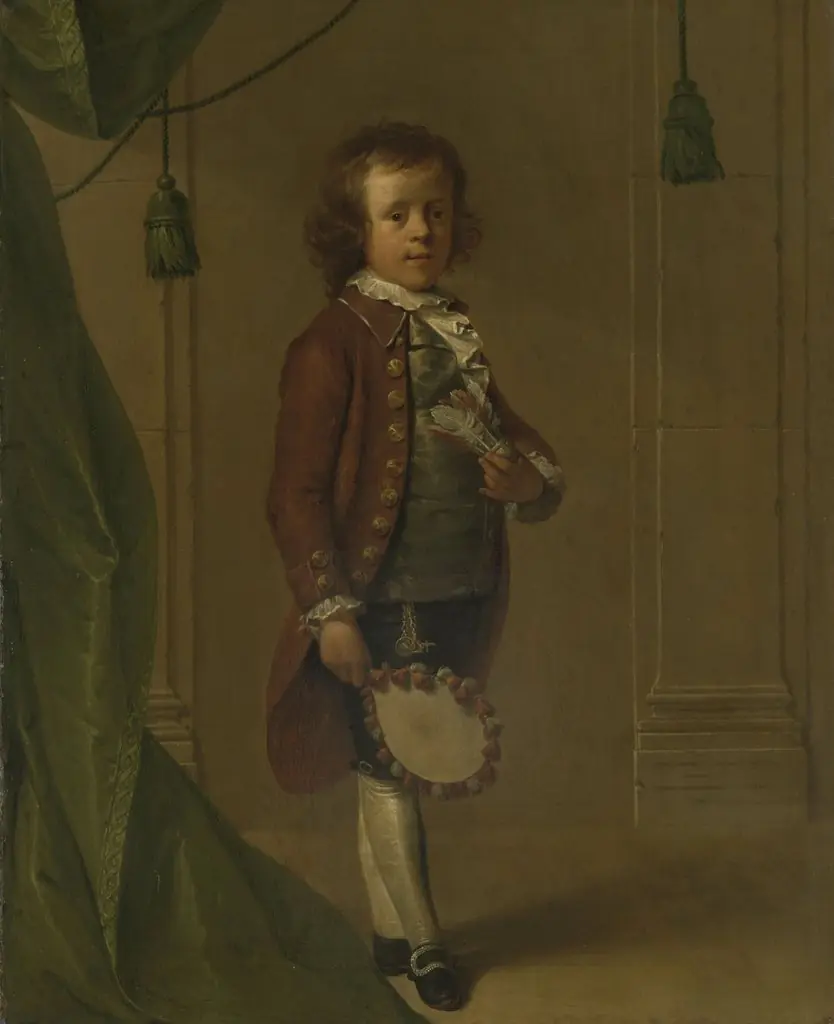 Portrait of Dionys Eliasz van Nijmegen
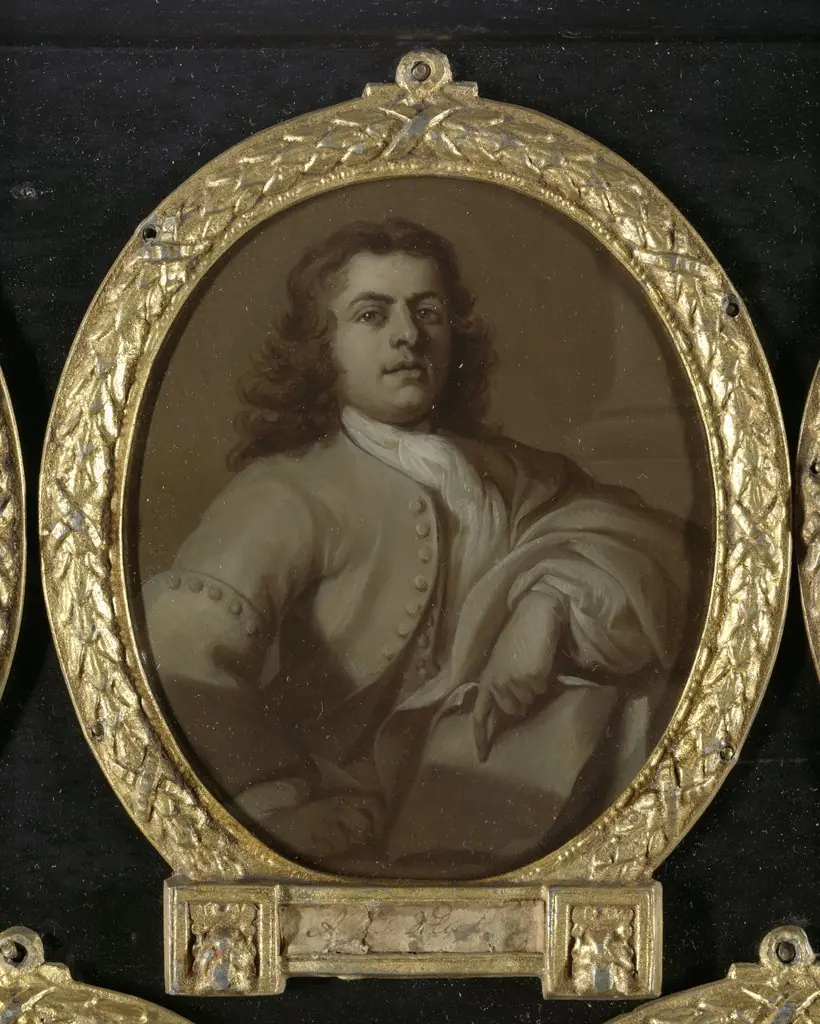 Portrait of Adriaan van der Vliet, Poet in Rotterdam
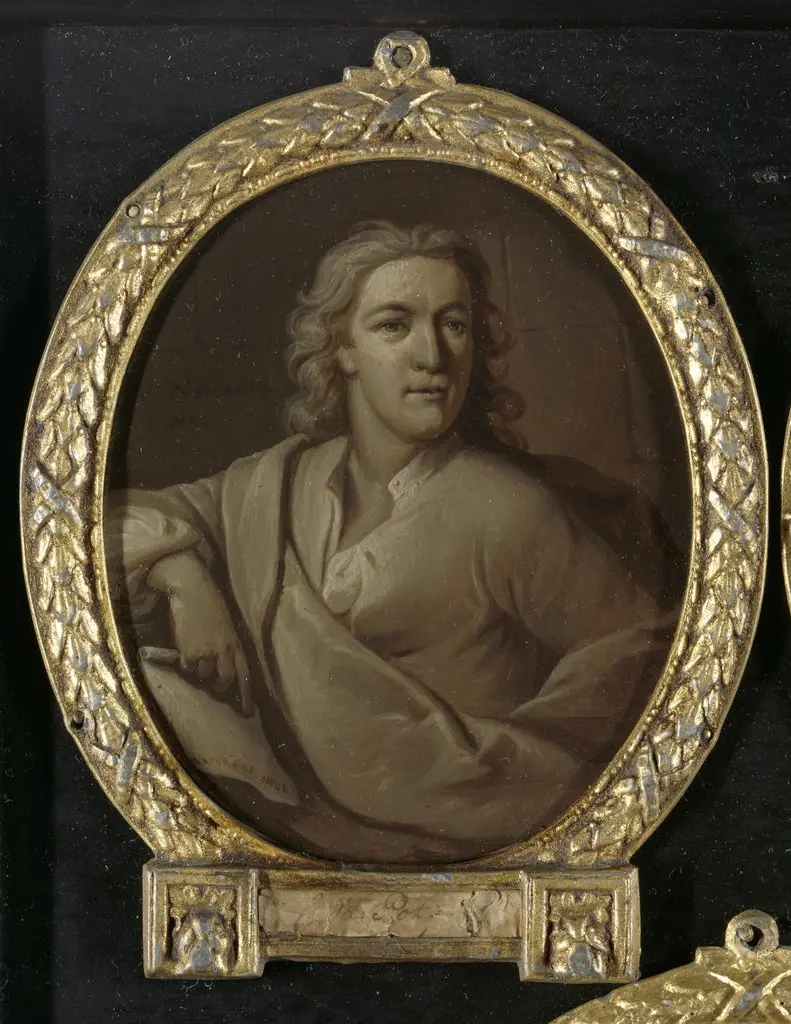 Portrait of Cornelis van der Pot, Merchant and Poet in Rotterdam
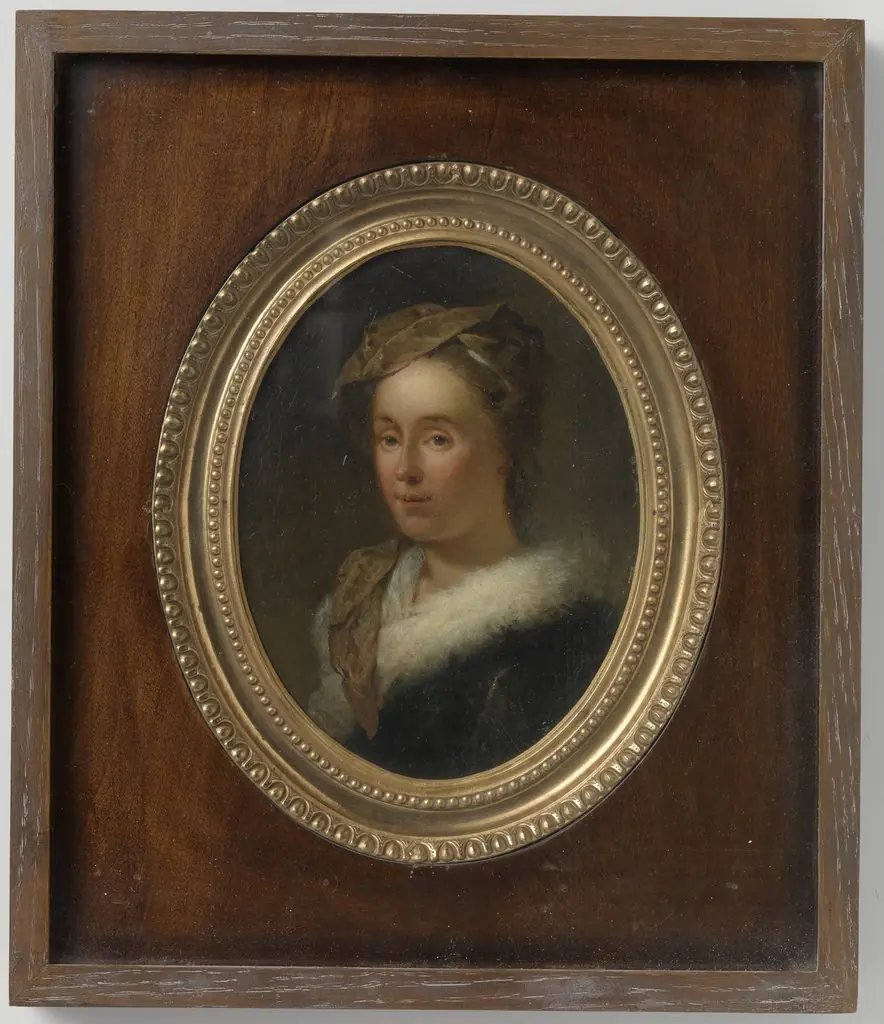 Portrait of Sara Stiermans, the Artist's Wife
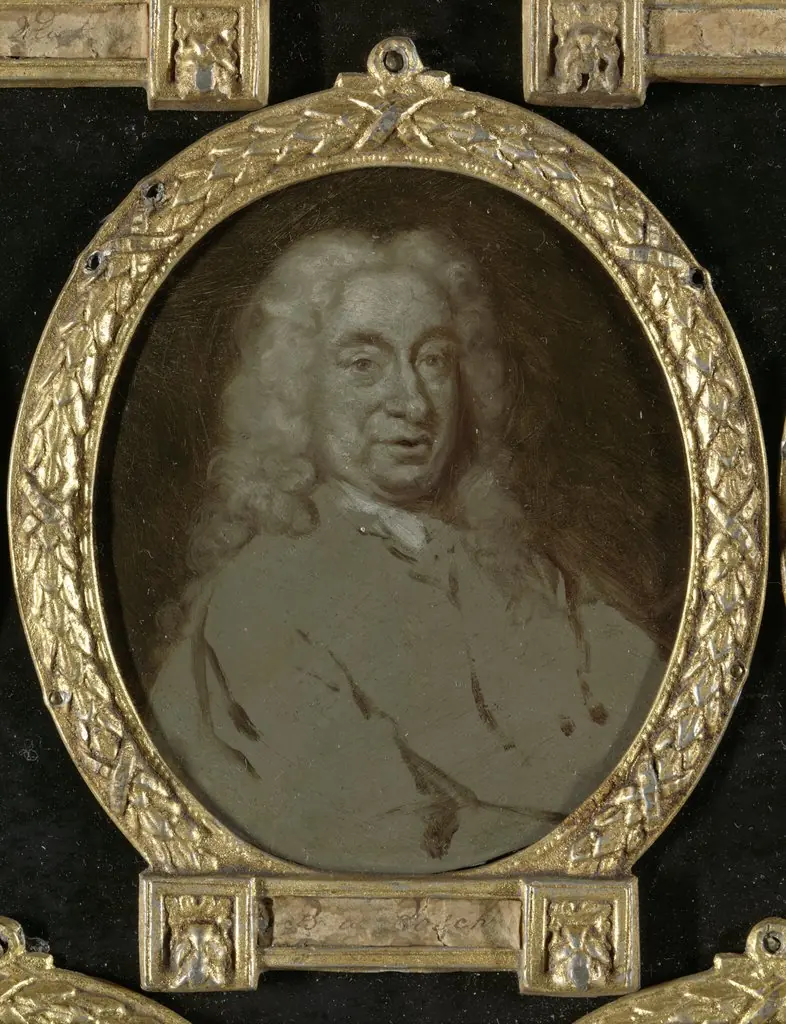 Portrait of Hendrik van der Zande, Jurist and Dramatic Poet in Amsterdam
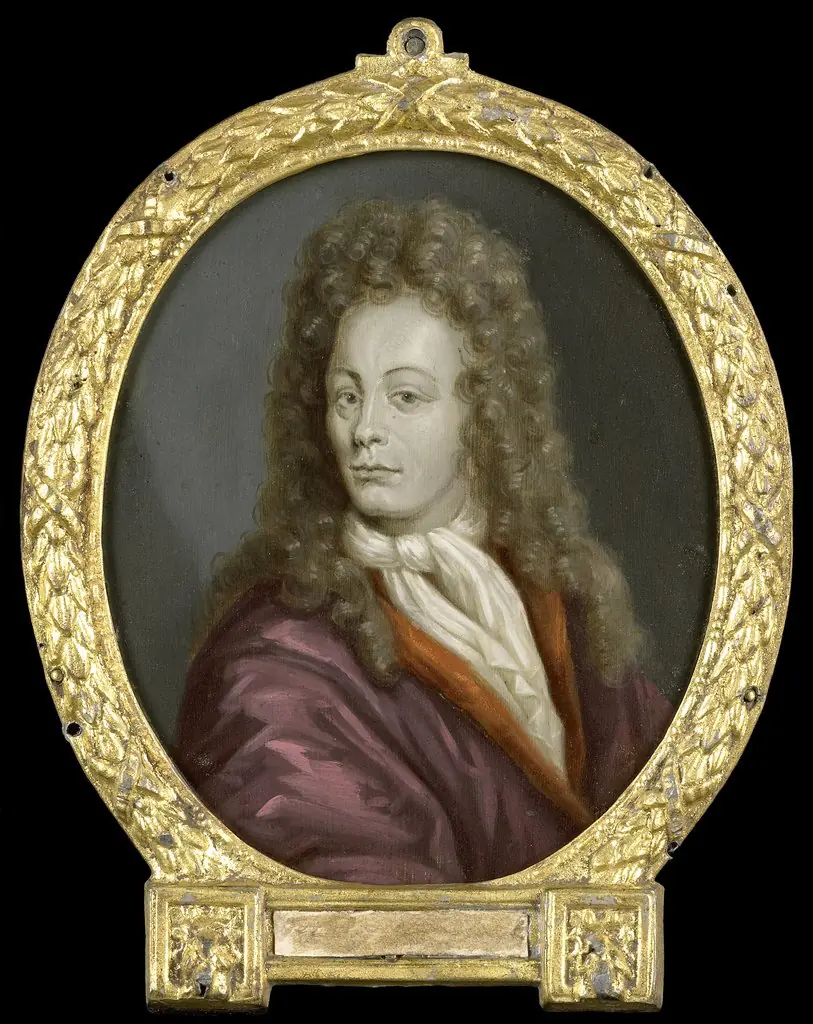 Portrait of Tobias Gutberleth, Man of Letters in Leeuwarden
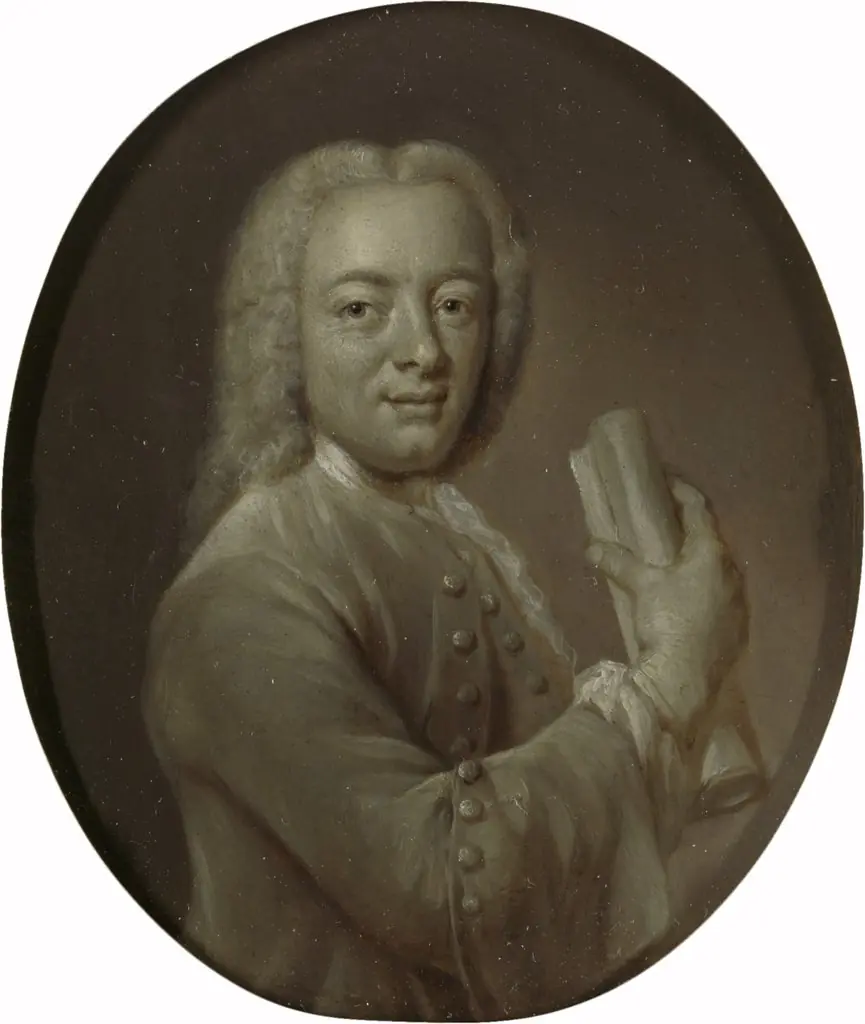 Portrait of Bernardus de Bosch I, Poet in Panpoeticon Batavum
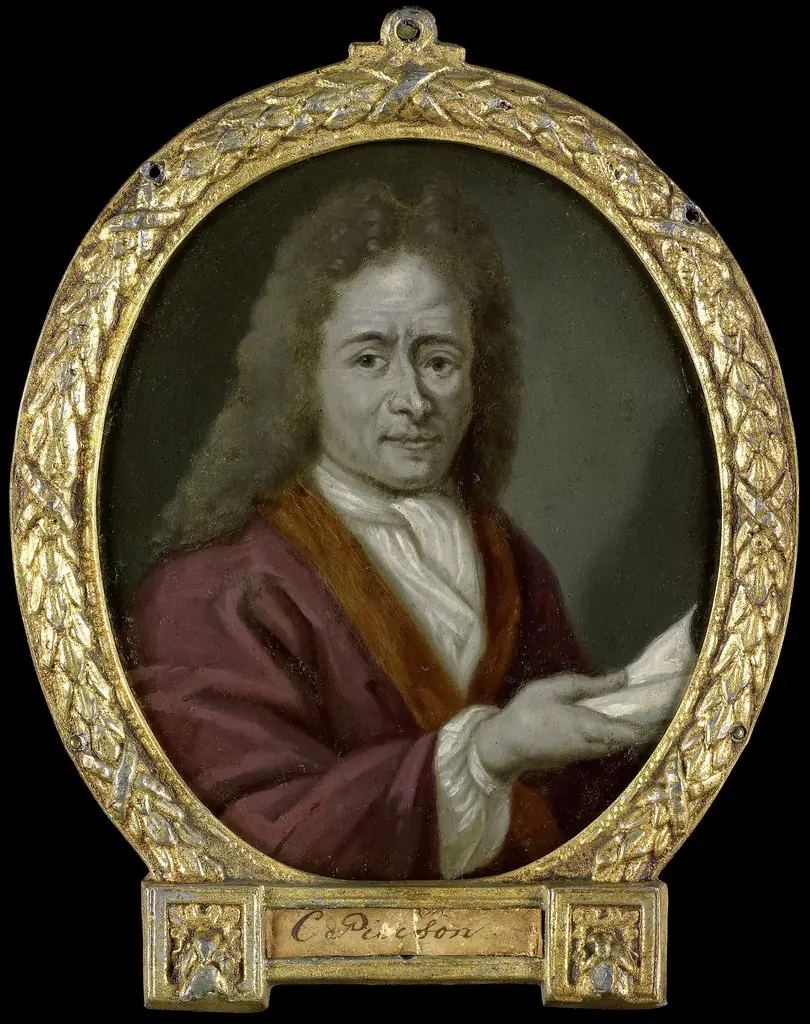 Portrait of Christoffel Pierson (1631-1714)
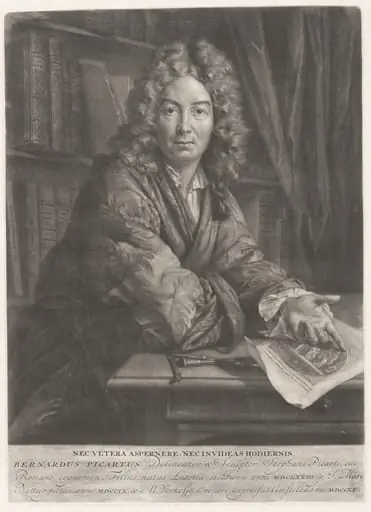 Bernard Picart
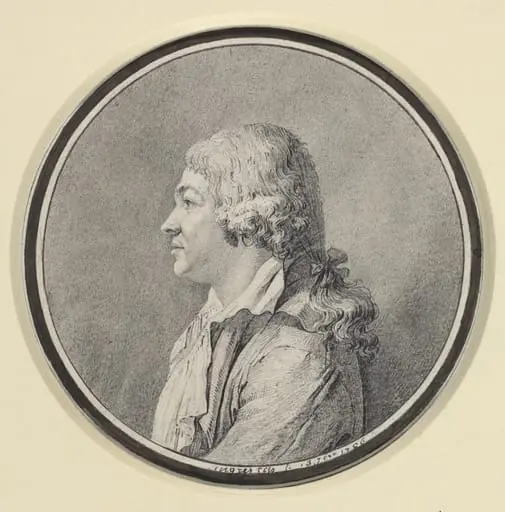 Portrait of a Man
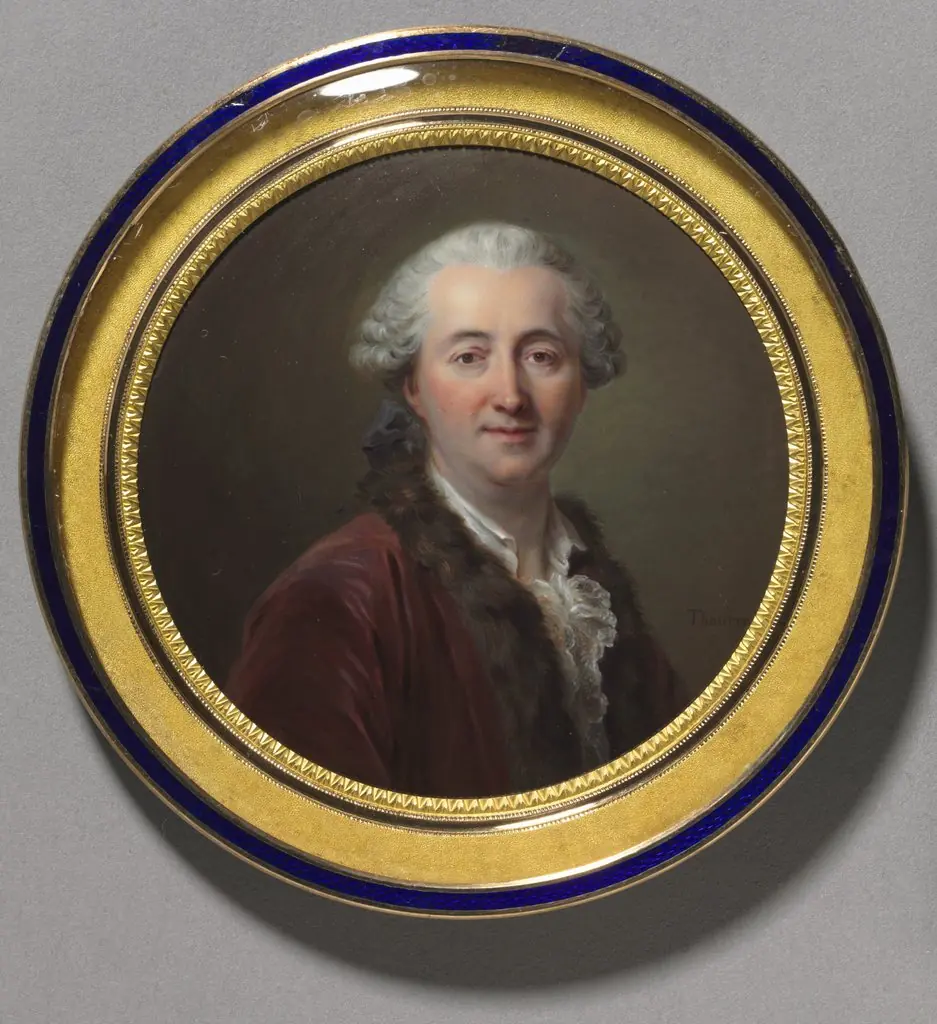 Portrait of Étienne François, comte de Stainville, duc de Choiseul
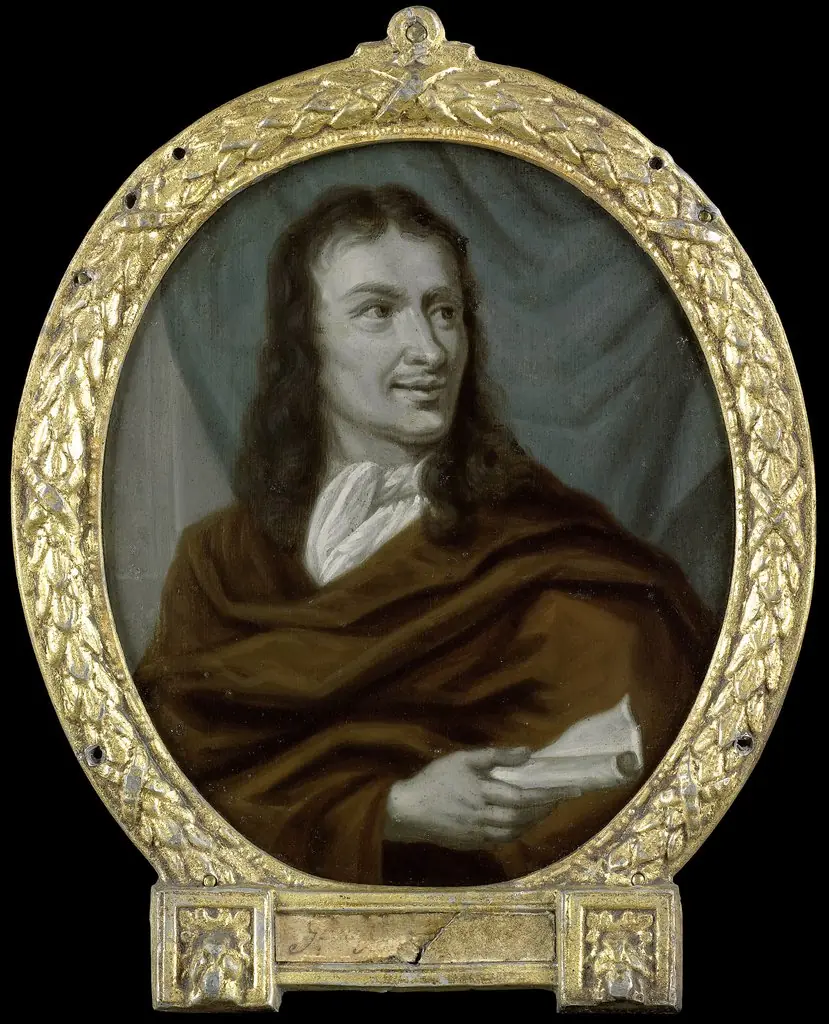 Portrait of Pieter Verhoek (1633-1702)
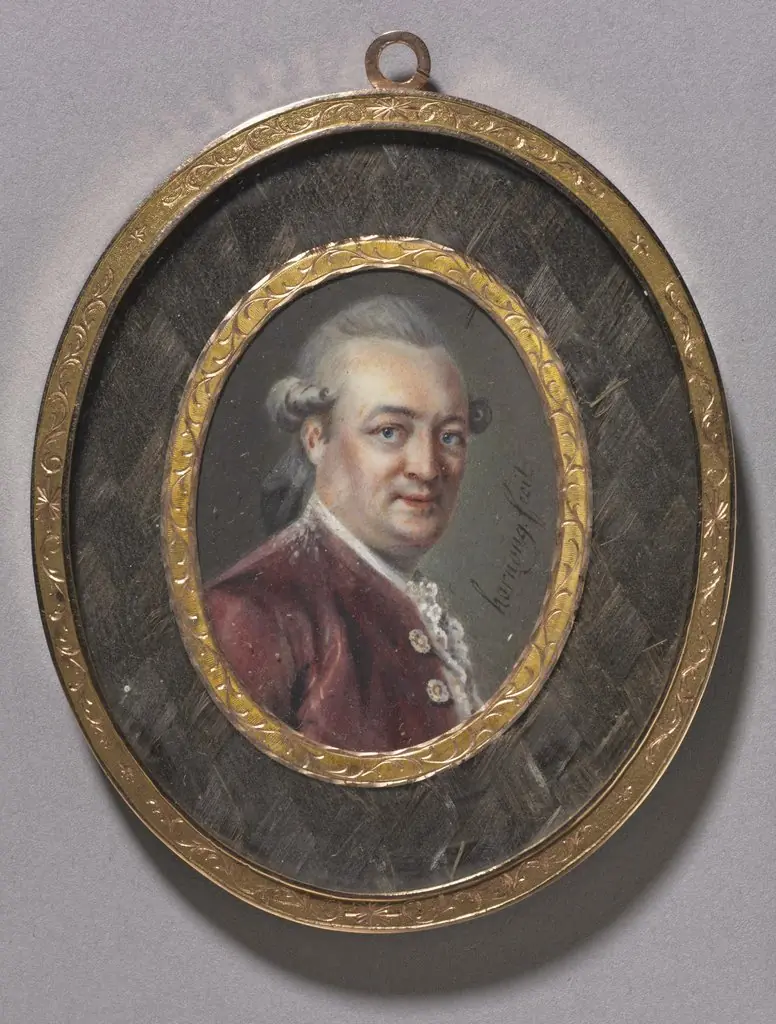 Portrait of a Man
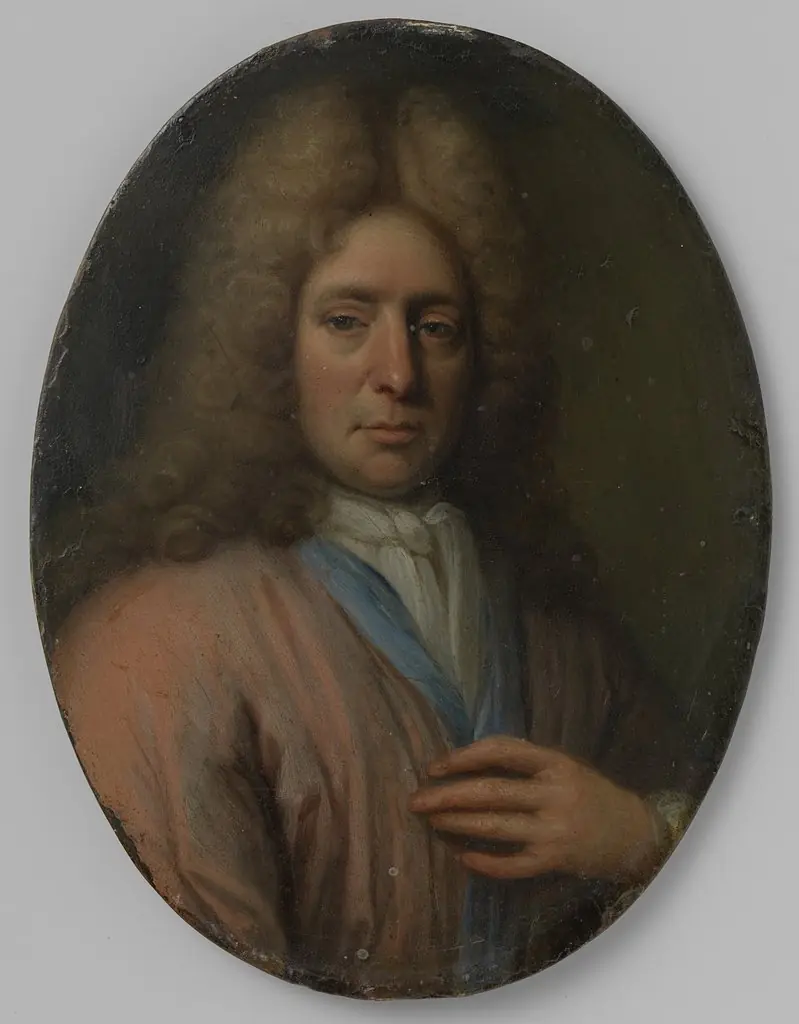 Portrait of a Man, perhaps a Self Portrait